


How to Lose Weight With Less Effort: Practical, Science-Backed Strategies
Losing weight doesn’t have to mean intense gym sessions or giving up your favorite foods. Modern research and expert strategies show that small, manageable changes to your daily habits can lead to lasting results—no boot camps or crash diets required. Below, discover proven ways to achieve your weight loss goals with less effort, along with expert tips and answers to common questions.
Why Low-Effort Strategies Matter
Extreme diets and punishing exercise regimens may deliver rapid results, but they’re rarely sustainable and can even backfire in the long run. Instead, shifting your focus to consistent, minor tweaks—like eating more mindfully or adjusting portion sizes—helps foster a healthier relationship with food while gradually reducing your weight. Plus, these strategies are more likely to stick, promoting ongoing healthy habits rather than temporary fixes.
10 Low-Effort Ways to Lose Weight
- Control Portions with Smarter Dishware: Use smaller plates and bowls. This simple tweak makes your portions look more substantial and naturally cuts down calorie intake. For protein, a palm-sized serving (about 3–4 oz) is usually sufficient, while your fist is a good measure for carbs. Load the rest of your plate with vegetables and include a thumb-sized portion of healthy fats such as avocado or olive oil.
- Don’t Skip Meals: Contrary to popular weight loss advice, skipping meals often leads to overeating later. Aim for three balanced meals a day to keep hunger in check and avoid mindless snacking. Going too long without food can trigger cravings and make it harder to manage portions during your next meal.
- Fill Half Your Plate with Vegetables: Base every meal around colorful, fiber-rich vegetables. This boosts fullness, reduces calorie intake, and helps control portions without much effort. Plus, eating more veggies is linked to a lower risk of chronic diseases.
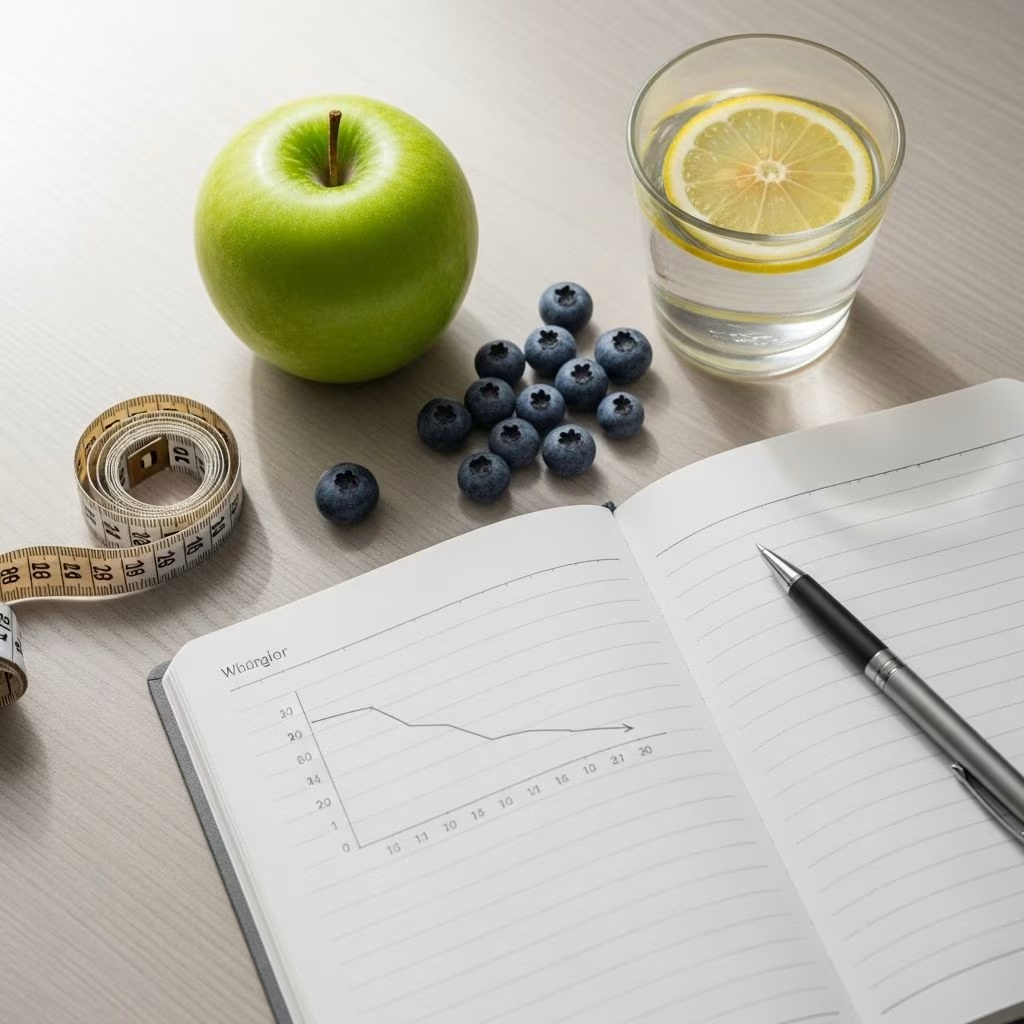
- Track Your Progress Regularly: Studies show that stepping on the scale once a week or taking regular body measurements (or even selfies) increases accountability. Seeing visible changes or numerical progress keeps you motivated, helping you stay consistent with other efforts.
- Practice Mindful Eating: Eat without distractions like TVs or smartphones. Savor every bite and pay attention to your food’s taste, smell, and texture. This habit helps you recognize when you’re truly hungry or full, reducing the risk of overeating.
- Snack Smart and Plan Ahead: Preparing healthy snacks, like fruit or nuts, and eating them before grocery shopping steers you toward better food choices. Researchers found people who snacked on apples bought more produce and less junk food than those who ate cookies while shopping.
- Limit Sugar-Sweetened Drinks: Cut back on sodas, sweet teas, and high-calorie coffee drinks. These beverages often contain hidden sugars and contribute unnecessary calories with little nutritional value. Swap them for water, herbal teas, or black coffee to effortlessly reduce daily calorie intake.
- Make Activity Part of Your Routine: You don’t have to hit the gym daily—just adding more movement counts. Take short walks after lunch, choose stairs over elevators, or do basic strength exercises at home. Even small boosts in physical activity help burn more calories and protect your metabolism.
- Get Adequate Sleep: Skimping on sleep disrupts hunger hormones, making it harder to control cravings and appetite. Aim for 7–9 hours of rest each night to support weight loss and overall health.
- Sneak in Healthy Habits: Distract yourself from cravings by engaging in a puzzle, calling a friend, or even playing a game like Tetris. Studies show that occupying your mind with something else significantly reduces the urge for high-calorie snacks.
Expert Insights: Why These Strategies Work
The science behind these approaches is well-established. By making changes that are easy to integrate—such as using smaller plates or prioritizing veggies—you reduce the mental burden of dieting. Tracking progress, whether through photos or regular weigh-ins, adds a layer of accountability, while mindful eating retrains your hunger signals, encouraging you to stop eating when full rather than when your plate is empty.
Additionally, restricting sugary beverages and processed snacks not only cuts calorie intake but also helps retrain your taste buds to prefer naturally sweet or whole foods. Sleep and movement remain essential, as both influence metabolism and hormone regulation.
Building a Weight Loss Plate: Example Table
| Food Group | Recommended Portion | Tips |
|---|---|---|
| Vegetables | At least half your plate | Choose a variety of colors; include leafy greens, peppers, broccoli, carrots |
| Protein | Palm-sized (3–4 oz) | Opt for lean meats, fish, tofu, eggs, or beans |
| Whole Grains | Fist-sized (1 cup cooked) | Brown rice, quinoa, oats, or whole wheat bread |
| Healthy Fats | 1–2 tbsp (thumb-sized) | Extra-virgin olive oil, avocado, nuts, seeds |
Frequently Asked Questions (FAQs)
Q: How much weight can I safely lose without exercising?
A: Generally, a safe rate is up to 1% of your body weight per week. For instance, a 200-pound individual can expect to lose up to 2 pounds weekly through dietary changes and healthy habits alone. Results vary, and excessively rapid loss isn’t recommended for long-term success.
Q: Is it possible to lose 20 pounds in a month without working out?
A: Losing that much weight in such a short timeframe is not considered safe or sustainable without drastic (and often unhealthy) measures. Without exercise, progress may be slower—but adopting the strategies above will help you lose weight steadily and keep it off.
Q: Do I have to give up my favorite foods?
A: No. The key is moderation. Allow yourself small indulgences occasionally. Strict deprivation often leads to cravings and binges. Focusing 80% of your intake on nutritious foods while enjoying treats 20% of the time is an effective long-term strategy.
Q: What if I dislike vegetables?
A: Try different preparation methods—roasting, steaming, or sautéing vegetables with flavorful spices. Incorporate them into mixed dishes like stir-fries, soups, or pasta sauces to mask their taste and add nutrients.
Q: How important is tracking my food?
A: Food journals or smartphone apps can be eye-opening, revealing patterns and hidden sources of calories. For some people, simply writing down meals and snacks boosts mindfulness and assists with weight loss.
Bonus Tips: Make Healthy Choices Second Nature
- Take a brisk 30-minute walk daily: Adds calorie burn and improves mood with minimal effort.
- Restructure your food environment: Keep healthier foods visible and accessible at home and work while stashing treats out of sight.
- Eat before going to the grocery store: Shopping while full leads to smarter purchases and fewer impulse buys.
- Distract yourself from cravings: Play a quick game or tackle a task when a craving hits, giving your brain a chance to move on.
Sample Day: Putting It All Together
Here’s what a low-effort, weight-loss-friendly day might look like:
- Breakfast: Greek yogurt with berries, chia seeds, and a sprinkle of granola. Eat slowly and mindfully, focusing on each bite.
- Snack: Apple slices with a tablespoon of peanut butter.
- Lunch: Salad with mixed greens, chickpeas, roasted chicken, and a vinaigrette. Half your plate is filled with vegetables.
- Snack: Handful of almonds or carrot sticks.
- Dinner: Baked salmon, steamed broccoli, and a small portion of brown rice. Use a smaller plate to naturally control portions.
- Activity: 30-minute walk in the evening.
When to Seek Additional Support
If you encounter a plateau or have trouble losing weight with these strategies, consult a registered dietitian or general practitioner. They can help address hormonal, lifestyle, or health-specific factors that may impact weight loss.
Takeaway: Small Steps, Lasting Results
There’s no need for extreme diets or exhausting exercise routines to reach your healthiest weight. Focus on practical, sustainable actions—like controlling portions, eating mindfully, filling half your plate with vegetables, and making gradual changes to your routine. Over time, these efforts translate to not only a slimmer waistline, but also better overall health and more energy every day.
References
- https://www.prevention.com/weight-loss/a30188568/lose-weight-without-exercise-0/
- https://www.prevention.com/weight-loss/diets/a60578947/how-to-lose-weight-fast-safely/
- https://www.prevention.com/weight-loss/g20498713/lose-weight-without-trying/
- https://www.prevention.com/weight-loss/a20474562/best-weight-loss-exercises/
- https://www.prevention.com/weight-loss/a36065492/rethinking-body-weight/
- https://www.prevention.com/health/a65401665/expert-walking-tips-weight-loss/
- https://www.prevention.com/weight-loss/
- https://www.prevention.com/weight-loss/g20441544/losing-weight-without-trying/
- https://www.prevention.com/weight-loss/a20446820/how-one-woman-lost-weight-and-clutter/
- https://www.prevention.com/weight-loss/a20500235/intermittent-fasting/


