


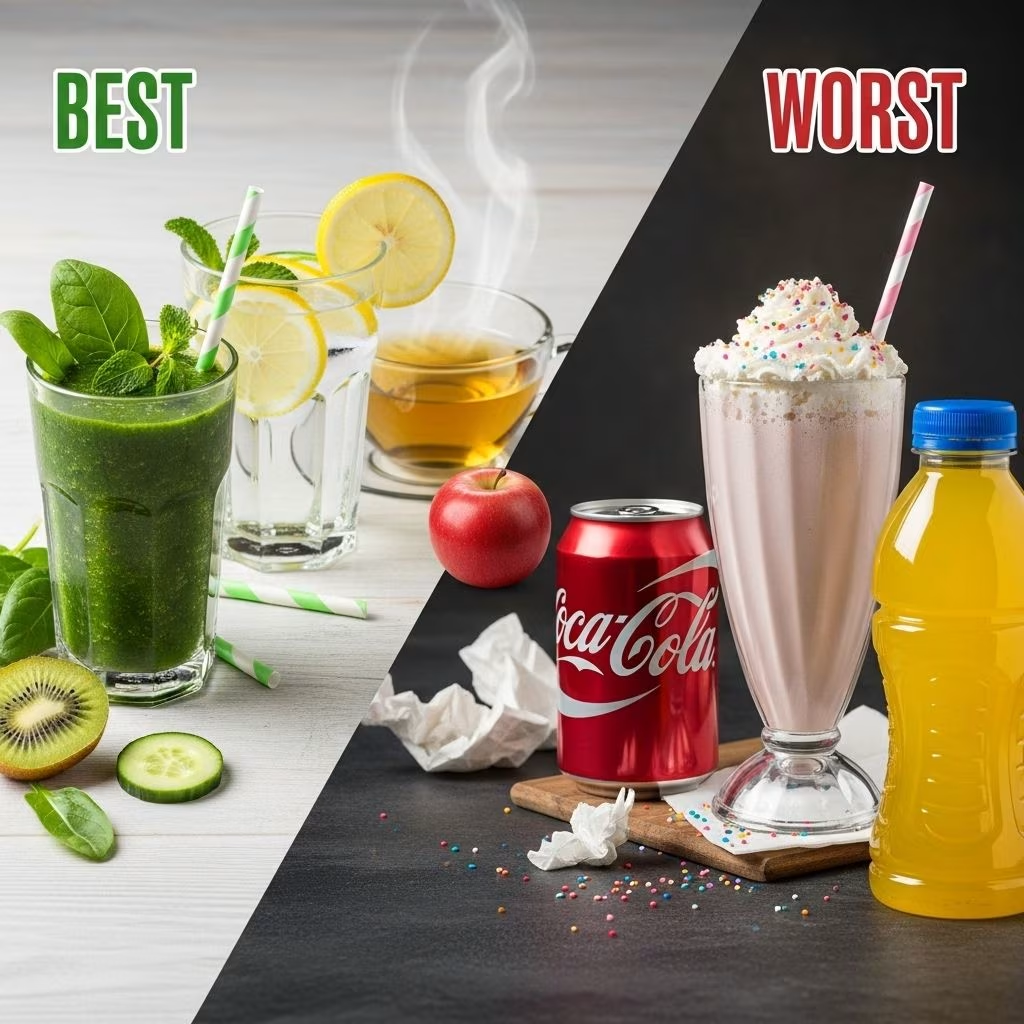
What you drink can be as important—if not more so—than what you eat when it comes to successful weight loss. Many beverages are packed with hidden calories that add up fast, often going unnoticed. Understanding which drinks help or hinder your weight goals can lead to effortless, sustainable results.
The Hidden Impact of Liquid Calories
Did you know that about 10–20% of your daily calories may be coming from drinks rather than food? From specialty coffee drinks to sodas and smoothies, beverages can make a significant dent in your calorie budget without actually curbing hunger. Unlike solid foods, most drinks don’t register on your body’s appetite meter, so you rarely compensate by eating less later. This means that a few high-calorie drinks can easily undermine your weight loss efforts, despite healthy meal choices.
- For instance, a morning caffe latte, an afternoon soda, and a fruit smoothie snack can cost you over 550 calories—potentially a quarter or more of your recommended daily intake for weight loss.
- Cutting just 200 calories a day from your beverages could yield up to 20 pounds of weight loss in a year, with minimal changes to your hunger levels or meal satisfaction.
- Soft drinks are the largest source of added sugars in the American diet and a key culprit in calorie overload.
Common Beverage Calories: A Quick Reference Table
| Beverage | Calories (per 12 oz) | Key Point |
|---|---|---|
| Regular soda | 140–150 | Loaded with added sugar, no nutritional value |
| Diet soda | 0 | Zero calories, but mixed evidence on weight and appetite effects |
| Fruit juice (unsweetened) | 170–210 | High in sugar, provides vitamins, but best consumed in moderation |
| Caffe latte (whole milk) | 180–220 | Creamy and satisfying, but calorie-dense |
| Skim milk | 80 | Rich in calcium and protein, lower in calories |
| Black coffee/unsweetened tea | 0–5 | Metabolism-boosting, zero/virtually no calories |
| Coconut water | 45–60 | Hydrating and rich in electrolytes, lower sugar than sports drinks |
| Sports drink | 80–125 | Designed for intense activity; excess sugar for casual drinkers |
| Sassy water (flavored with fruits/herbs) | 0–5 | Refreshing, adds flavor without extra calories |
Why Do Liquid Calories Lead to Hidden Weight Gain?
Calories from beverages largely escape the body’s usual appetite controls. Since drinking does not promote fullness like eating solid food, there’s a tendency to simply add drinks to your calorie budget rather than replace other foods. Research has repeatedly shown that people do not compensate for liquid calories by eating less later, making it easy to unintentionally overconsume daily calories.
- Studies indicate that sweetened beverages not only add calories but may also displace more nutritious foods in the diet.
- Heavy soda drinkers are less likely to meet recommended daily intakes for crucial nutrients like calcium and folate, leading to potential nutrient deficiencies.
Drinks to Avoid for Weight Loss
- Regular sodas and sweetened soft drinks: Offer no nutritional benefit and deliver a large dose of added sugars. Research shows that the average American consumes an astonishing 41 gallons of sugary drinks yearly, or about 16 ounces—the equivalent of 200 extra calories per day.
- Fruit drinks, punches, and sweetened iced teas: Often as calorie-dense as sodas, even if labeled as ‘healthy’ or ‘natural’.
- Creamy coffeehouse beverages: Lattes, frappuccinos, and similar specialty coffees can pack 200-500 calories in a single serving due to sugar and heavy cream additions.
- Energy and sports drinks: Designed for intense workouts, these drinks contain a significant amount of sugar. For most adults aiming to lose weight, water or unsweetened beverages are better choices.
- Smoothies & commercial fruit juices: Portions are often much larger than one serving, and calorie content can rival or exceed that of most sodas.
Are Diet Sodas a Good Swap?
Swapping regular soda for diet versions can save you 140–150 calories per 12-ounce can, a substantial daily reduction. But the role of diet sodas in weight loss is not straightforward. Concerns have been raised about whether artificial sweeteners could stimulate the appetite or alter metabolism, with studies showing mixed results.
- One clinical study had overweight individuals supplement their weight loss diets with either sugared drinks or artificially sweetened versions for 10 weeks. The sucrose group gained an average of 3 pounds, while the artificial sweetener group lost nearly 2 pounds. The difference? The sugar group added about 400 calories a day without compensating by eating less.
- Key advice: Use diet sodas as an occasional swap to eliminate soda calories, but avoid excessive consumption—aim for no more than three to four cans daily to stay within safe limits for artificial sweetener intake.
Healthier Drink Swaps to Support Weight Loss
To cut calories sustainably and improve diet quality, focus on choosing beverages that hydrate, provide key nutrients, and support satiety. Here are some of the most effective replacements:
- Water (plain, sparkling, or infused): The ultimate calorie-free beverage. Infuse with slices of lemon, lime, cucumber, or fresh herbs for variety without added sugar.
- Green tea: Contains catechins and caffeine, which may slightly boost metabolism and support fat oxidation. Antioxidant-rich and hydrating.
- Black tea: Rich in polyphenols for gut health and calorie regulation, plus a moderate caffeine boost for energy.
- Herbal teas: Naturally caffeine-free, a satisfying alternative to sugary evening drinks.
- Black coffee (unsweetened): Provides antioxidants and has metabolism-boosting properties, but beware of sugar- and cream-laden versions.
- Skim or low-fat milk: Delivers protein, calcium, and vitamins with substantially fewer calories than whole milk or cream-based beverages.
- Coconut water: A lightly sweet, lower-calorie alternative to sports drinks for post-workout replenishment.
Comparing Popular Weight Loss Drink Choices
| Beverage | Main Benefits for Weight Loss | Warnings |
|---|---|---|
| Green tea | Metabolic boost, antioxidants, mild caffeine | Minimal—avoid added sweeteners |
| Black coffee | Calorie-free, caffeine for energy, antioxidant content | Excess caffeine may cause jitteriness or sleep disruption |
| Skim milk | Protein, calcium, low total calories | Not suitable for lactose intolerance or dairy allergies |
| Coconut water | Hydration, electrolytes, lower sugar than sports drinks | Contains some natural sugars—enjoy in moderation |
| Sassy water (infused water) | Zero calories, flavorful hydration | None |
Expert Strategies for Managing Beverage Calories
- Check serving sizes: Many bottles and cans contain more than one serving. Read the label and count up the true calorie cost before sipping.
- Don’t drink your fruit: Opt for whole fruit over juice. Whole fruits deliver filling fiber and slow sugar absorption, helping you eat less overall.
- Limit alcohol: Many alcoholic drinks are high in calories and can decrease inhibitions, making it harder to stick to a healthy eating plan.
- Start your meal with water: Having a glass before eating may help curb appetite and reduce the chance of overeating.
- Satisfy dessert cravings: Sip an herbal tea with cinnamon, vanilla, or cocoa instead of turning to calorie-rich desserts or sugary drinks.
FAQs: Weight Loss and Beverage Choices
Q: Are zero-calorie drinks really better for weight loss than regular soda?
A: Switching from sugary soda to zero-calorie versions saves significant calories and is likely to help with weight loss. However, evidence is mixed on whether diet sodas impact appetite or metabolism long term. Most experts advise using them in moderation as part of a broader healthy eating strategy.
Q: Is fruit juice as problematic as soda?
A: While fruit juice contains vitamins and minerals, its calorie and sugar content often rivals that of soda. Whole fruit is a better option because it contains fiber, which helps with satiety and blood sugar control.
Q: Can drinking skim milk really help me lose weight?
A: Studies suggest that consuming skim milk or low-fat dairy increases intake of protein and calcium while keeping calories low, making it a smart swap for weight loss compared to sugary drinks or higher-fat milks.
Q: What about flavored waters or vitamin waters?
A: Many flavored or vitamin waters are sweetened with added sugars. Always check the label—many are not much lower in calories than sodas. Choose plain or naturally infused waters instead.
Q: How do caffeinated drinks affect weight loss?
A: Caffeine can mildly increase calorie burn, and drinks like coffee and tea are virtually calorie-free if consumed without sugar or cream. However, large or sweetened versions can be high in calories and may promote weight gain if consumed in excess.
Takeaway Tips: Make Every Sip Count
- Choose water or unsweetened teas as your primary beverages.
- Limit regular sodas, sweetened coffees, fruit juices, and alcohol for significant calorie savings.
- Experiment with naturally flavored water—lemon, mint, or berries add excitement without sugar.
- Switch to skim milk or plant-based milks to reduce calories but keep up nutrient intake.
- Keep tabs on serving sizes, as many bottle labels understate the true calorie content of the container.
With these strategies and a focus on the most hydrating, nutritious options, you’ll support your weight loss while still enjoying refreshing, satisfying beverages every day.
References
- https://www.prevention.com/weight-loss/a20452814/weight-loss-program-drinks-calories/
- https://www.prevention.com/weight-loss/a20451522/weight-loss-drinks-and-calories/
- https://www.prevention.com/weight-loss/g30519562/weight-loss-drinks/
- https://www.prevention.com/weight-loss/a20469114/weight-loss-drinks-and-calories-0/
- https://www.cdc.gov/healthy-weight-growth/rethink-your-drink/
- https://www.prevention.com/weight-loss/g20515243/drinking-water-helps-weight-loss/
- https://www.prevention.com/weight-loss/g20514132/5-bedtime-beverages-that-can-help-you-lose-weight/
- https://www.prevention.com/weight-loss/a20427993/drinks/
- https://www.prevention.com/weight-loss/a20465664/calories-food-and-drinks/
- https://www.prevention.com/weight-loss/a30188568/lose-weight-without-exercise-0/


