


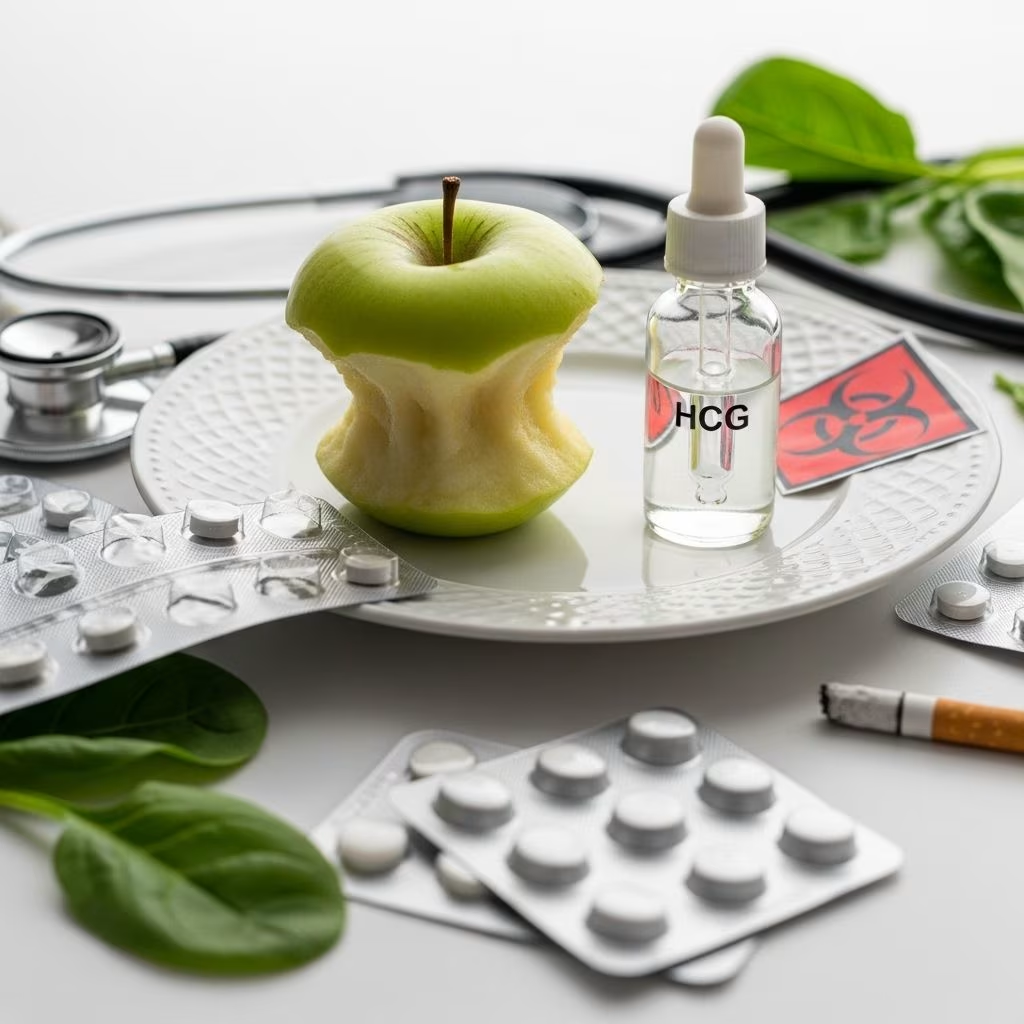
What Is the HCG Diet?
The HCG diet is a controversial weight loss regimen that combines the use of human chorionic gonadotropin (HCG), a hormone produced in pregnancy, with a very low-calorie diet, typically allowing just 500 calories per day. Proponents claim HCG helps melt away fat, suppress hunger, and reprogram metabolism. However, medical experts and regulatory agencies warn that these claims are unproven and the diet itself carries serious health risks.
Origins and Popularity of the HCG Diet
The concept was popularized in the 1950s by British physician Dr. A.T.W. Simeons. He theorized that HCG could trigger the body to burn stored fat while sparing muscle. Over the decades, the diet has witnessed periodic surges in popularity, often promoted via weight-loss clinics, online retailers, and social media. Today, despite warnings, HCG products are sold in various forms including drops, injections, and pellets.
How the HCG Diet Works
- Caloric Restriction: Users follow an extremely low-calorie diet (VLCD), typically 500 calories daily.
- HCG Administration: HCG is taken either by injection, sublingual drops, or pills, purportedly to support metabolism and aid fat loss.
- Diet Phases: The regimen is often split into several ‘phases’ with varying food and supplement restrictions.
HCG is approved by the FDA only for certain medical uses, such as fertility treatment, not for weight loss. Over-the-counter HCG products and their ‘homeopathic’ versions are neither legal nor effective, according to federal health authorities.
What Are the Claimed Benefits?
- Rapid weight loss (reported losses of 1-2 pounds per day).
- Targeted fat loss (claims of burning “abnormal fat”).
- Preservation of muscle mass.
- Reduction in hunger and enhanced satiety.
These benefits are based on anecdotal reports and outdated theories. Rigorous scientific studies have found no evidence that HCG contributes to weight loss above what is achieved from severe calorie restriction alone.
What Does Science Say About Effectiveness?
| Claim | Scientific Evidence |
|---|---|
| HCG boosts fat burning | No credible evidence; weight loss attributed to caloric deficit. |
| Preserves muscle | Insufficient evidence; VLCDs often lead to muscle loss without adequate protein. |
| Suppresses hunger | Not supported by trials; hunger is common and severe on VLCDs. |
| Long-term weight maintenance | Most regain lost weight; very low-calorie diets are unsustainable. |
Expert reviews consistently conclude that the HCG diet is not more effective than a placebo. The weight loss observed is almost entirely the result of dangerously low calorie intake.
What Are the Side Effects of the HCG Diet?
Both HCG itself and the extreme calorie restriction can cause significant and sometimes serious side effects.
Common Side Effects of HCG
- Headache
- Mood changes (such as depression and irritability)
- Fatigue and weakness
- Nausea and vomiting
- Bloating and stomach pain
- Swelling in breasts (men and women)
- Acne, especially in males
- Pelvic pain
- Constipation or diarrhea
- Enlarged breasts in men (gynecomastia)
- Trouble sleeping
Serious and Rare Side Effects
- Blood clots
- Gallstones
- Ovarian cysts (women)
- Electrolyte imbalances leading to abnormal heartbeat
- Testicle tumors (males)
- Allergic reactions
- Severe rapid weight gain and swelling
- Vision changes, chest tightness, hives
Risks Associated With Extreme Calorie Restriction
- Malnutrition: Difficult or impossible to meet nutrient needs on 500 calories a day without supplements.
- Electrolyte imbalance: May cause arrhythmia and nerve or muscle dysfunction.
- Gallstones: Risk rises with rapid weight loss and fatty acid breakdown.
- Nutritional deficiencies: Deficits in protein, vitamins, minerals, and essential fats.
- Loss of muscle mass due to inadequate protein intake.
- Extreme hunger, which may result in binge eating and weight regain later.
- Metabolic slowdown, making it harder to lose or maintain weight in the future.
- Disordered eating habits or behaviors.
Regulatory and Medical Warnings
- The FDA has not approved HCG for weight loss; its use for this purpose is illegal and dangerous.
- Over-the-counter HCG products are fraudulent and often labeled ‘homeopathic,’ a claim refuted by federal agencies.
- Prescription HCG carries warnings explicitly stating it is not effective for weight loss.
- Medical organizations (e.g., Mayo Clinic, Cleveland Clinic) strongly advise against the HCG diet due to lack of efficacy and significant health risks.
Expert Opinions: Why Doctors Advise Against the HCG Diet
Medical experts universally caution that not only is the HCG diet ineffective, it is also potentially dangerous. The rapid weight loss is not sustainable, leads to nutritional deficiencies, and often results in regaining even more weight after stopping the diet. Some studies suggest there may be increased cancer risk with HCG use due to stimulation of certain cell types.
Safer Alternatives for Weight Loss
- Adopting a balanced, whole-food diet higher than 1,200 calories per day
- Including regular physical activity, such as cardio and resistance training
- Working with a registered dietitian or healthcare provider
- Considering medically supervised weight loss options for obesity with health conditions
Frequently Asked Questions (FAQs)
Q: Is the HCG diet approved for weight loss?
No. The FDA has not approved HCG for weight loss, and its use for this purpose is illegal.
Q: Are HCG drops and pills safe?
No. Over-the-counter and ‘homeopathic’ HCG products are not safe or effective.
Q: Are there any uses for HCG?
Yes, HCG is used as a prescription drug primarily for fertility treatments but not for weight loss.
Q: What are the most dangerous side effects?
Gallstones, blood clots, severe malnutrition, and electrolyte imbalances can be life-threatening if not medically managed.
Q: Will I regain weight after stopping the HCG diet?
Highly likely. Most dieters regain weight rapidly—and may gain even more from metabolic slowdown and rebound eating.
Q: Is it possible to follow a very low-calorie diet safely?
Only with close medical supervision to monitor nutrients, heart health, and psychological well-being. Physician-supervised VLCDs may be used for specific medical conditions but are never paired with HCG for weight loss.
Conclusion: Should You Try the HCG Diet?
The overwhelming consensus among medical professionals is that the HCG diet is ineffective and unsafe for weight loss. Rapid weight loss schemes—especially those involving hormone manipulation and severe calorie restriction—carry real risks to physical and mental health. If you are seeking lasting weight loss, pursuing balanced nutrition, increased physical activity, and evidence-based medical guidance is far safer and more effective.
References
- FDA–Safety Alerts: Human Chorionic Gonadotropin (HCG) for Weight Loss
- Mayo Clinic–HCG Diet Expert Answers
- Cleveland Clinic–Risks of Very Low-Calorie Diets and HCG Products
- WebMD–Potential Harm and Lack of Weight Loss Evidence for HCG Diet
- Drugs.com–Detailed Side Effects of HCG
References
- https://www.webmd.com/diet/hcg-and-weight-loss
- https://www.mayoclinic.org/healthy-lifestyle/weight-loss/expert-answers/hcg-diet/faq-20058164
- https://www.drugs.com/sfx/hcg-side-effects.html
- https://health.clevelandclinic.org/hcg-diet
- https://www.mymlc.com/health-information/faqs/h/hcg-diet-is-it-safe-and-effective/
- https://www.fda.gov/consumers/consumer-updates/avoid-dangerous-hcg-diet-products
- https://www.kuh.ku.edu.tr/mayo-clinic-care-network/mayo-clinic-health-information-library/faqs/hcg-diet-is-it-safe-and-effective
- https://pubmed.ncbi.nlm.nih.gov/27010890/
- https://www.goodrx.com/hcg/what-is


