


Lose Weight Without Counting Calories: Proven Strategies for Real Change
Calorie counting has long been considered the cornerstone of successful weight loss. However, new research and expert advice indicate you can shed pounds—and keep them off—without the tedious process of calculating every bite. This article explores science-backed strategies, expert insights, and practical habits that empower you to manage your weight effectively while enjoying your meals.
Why People Want to Avoid Counting Calories
Many find calorie counting stressful, time-consuming, and unsustainable. Obsessively tracking each food item may create anxiety around eating and can even foster unhealthy behaviors. The good news? There are flexible, evidence-based methods to modify your eating habits and lose weight naturally.
How Weight Loss Works: Beyond Calorie Counting
The fundamental principle behind weight loss is creating a caloric deficit—consuming fewer calories than your body burns daily. When your intake falls below your energy expenditure, your body draws on stored fat for fuel, resulting in weight loss. However, focusing solely on numbers may overlook vital factors such as food quality, habits, and lifestyle.
- Calorie Deficit: Weight loss essentially occurs when you maintain a calorie deficit over time. Your body naturally turns to fat stores when it isn’t getting enough daily calories to meet its energy needs.
- Nutrient Quality: Prioritizing nutrient-rich foods helps promote satiety, metabolic health, and fat loss—potentially reducing the need to track every calorie.
Effective Weight Loss Methods Without Counting Calories
1. Track, Don’t Count
Rather than obsessively counting calories, start by keeping a simple food diary for a few days. This helps you understand your eating patterns without the rigidity of calorie calculations.
- Record what you eat and drink—including snacks and condiments.
- Reflect on portion sizes and frequency of meals.
- Identify high-calorie foods you enjoy and consider satisfying substitutions (e.g., swapping chips for air-popped popcorn).
2. Prioritize Whole, Nutrient-Rich Foods
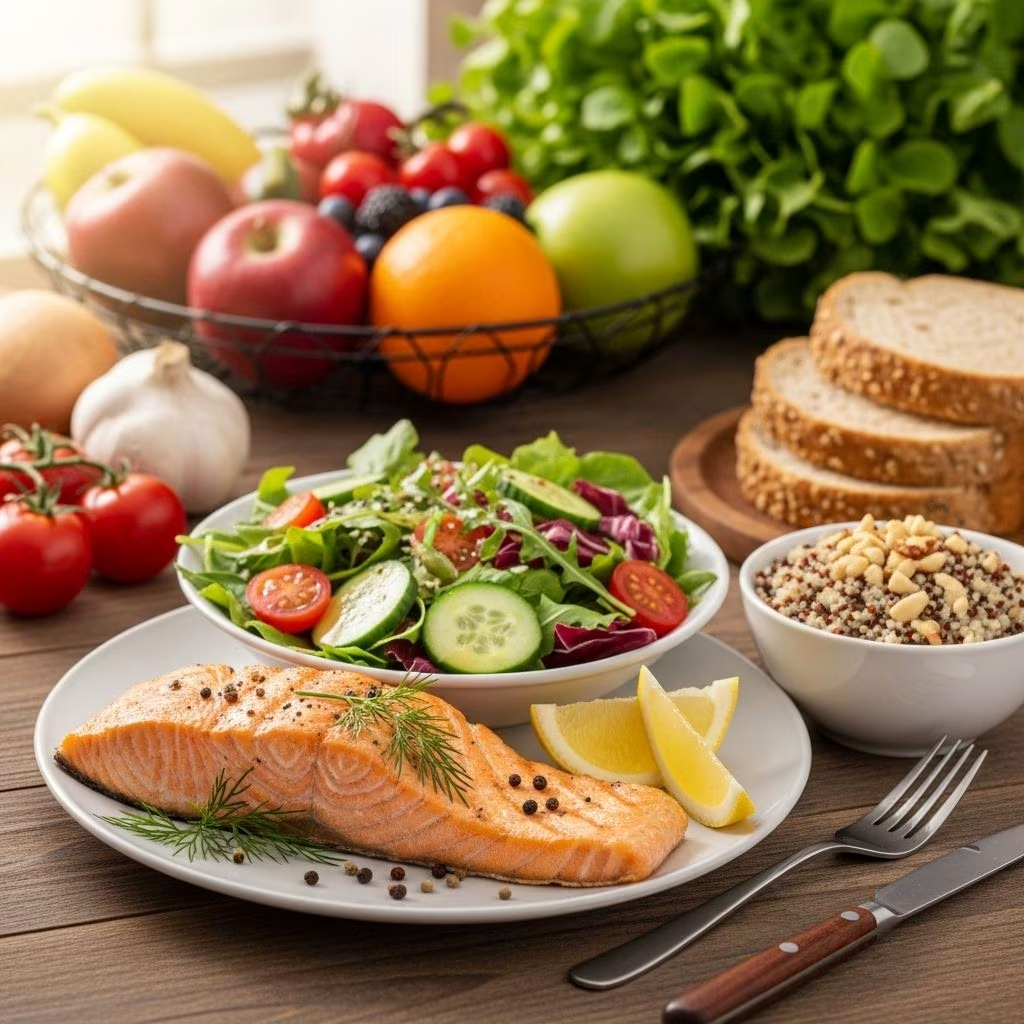
Filling your plate with whole foods—fruits, vegetables, whole grains, lean proteins, and healthy fats—naturally limits excessive intake and maximizes nutritional value.
- Fruits and Vegetables: High in fiber and water, they fill you up on fewer calories.
- Whole Grains: Aim for options like quinoa, oats, and brown rice for sustained energy.
- Lean Proteins: Include poultry, fish, beans, legumes, and low-fat dairy for satiety and muscle preservation.
- Healthy Fats: Add avocado, nuts, seeds, and olive oil in moderation to support hormone health and fullness.
3. Minimize Processed and Packaged Foods
Limiting foods with added sugars, fats, and preservatives can curb hidden calorie intake and help your body recognize natural satiety cues.
- Favor single-ingredient foods when grocery shopping.
- Prepare home-cooked meals to gain control over ingredients and portions.
4. Manage Portions Mindfully
Portion control is one of the most powerful tools for healthy weight management. Rather than measuring and weighing everything, use visual cues and practical tools:
- Serve smaller helpings on smaller plates.
- Pay attention to hunger and fullness rather than always finishing what’s on your plate.
- Learn typical portion sizes for common foods using your hand as a guide (e.g., a portion of protein is about the size of your palm).
5. Moderate Macronutrients Effectively
Macronutrients—protein, carbohydrates, and fats—play distinct roles in satiety and metabolic health. Ensuring each meal contains balanced portions of protein and healthy fats helps stabilize hunger levels and prevent overeating.
- Include lean protein with every meal (e.g., chicken, fish, tofu).
- Pair with healthy fats for lasting satisfaction (e.g., nuts, olive oil).
- Choose whole or minimally processed carbohydrates (e.g., whole grains, starchy vegetables).
Alternatives to Calorie Counting: Science and Lifestyle
Time-Restricted Eating and Intermittent Fasting
Time-restricted eating involves eating only during a specific daily window (e.g., noon to 8 p.m.). Studies have shown it can be just as effective for weight loss as calorie counting—but not necessarily more so.
- Simplicity: No need for calorie math; simply limit eating hours.
- Comparable Results: Research found both intermittent fasting and calorie counting led to similar weight loss and maintenance over a year.
- Considerations: Both methods are restrictive, and not everyone finds time-restricted eating sustainable. Consult a healthcare provider before adopting major changes.
| Method | Key Principle | Pros | Cons |
|---|---|---|---|
| Calorie Counting | Track and limit daily calories | Structured, predictable | Requires discipline; can feel obsessive |
| Intermittent Fasting | Eat only in a daily time window | No math, simple rules | May not suit everyone’s routine |
| Intuitive Eating | Eat according to hunger and fullness | Flexible, less stress | Requires self-awareness; may take time to master |
Expert Advice: Tailor Your Approach
There is no universal solution. Nutritionists stress matching your weight loss strategy to your personal preferences and past experiences. If tracking calories makes you feel anxious, try time-restricted eating or mindful, portion-controlled habits.
- Notice when you feel naturally hungry or full.
- Reflect on what methods have and haven’t worked for you in the past.
- Connect with registered dietitians for personalized, sustainable strategies.
Practical Tips: Sustainable Weight Loss Habits
Add More Whole Foods
By focusing on adding nutritious foods to your diet, you naturally crowd out high-calorie, low-nutrient choices. This simple shift can support gradual, lasting weight loss.
Cook More Meals at Home
Preparing food at home puts you in control of ingredients, salt, sugar, and fats—making healthy choices easier and reducing excess calories.
Practice Mindful Eating
- Eat slowly and without distractions.
- Focus on the taste and texture of your food.
- Recognize signs of hunger and fullness, and stop eating before you feel “stuffed.”
Stay Hydrated
Drinking water regularly supports metabolism and can prevent mistaking thirst for hunger.
How to Set Realistic Weight Loss Goals
- Track overall progress instead of daily fluctuations.
- Break goals into smaller milestones (e.g., losing 5% of body weight).
- Celebrate non-scale victories (better energy, improved mood, healthier habits).
FAQs: Losing Weight Without Counting Calories
Q: Can I lose weight without counting calories?
A: Yes. Research shows both calorie counting and time-restricted eating can be effective. Focusing on whole foods, portion sizes, and healthy habits can achieve results without tracking every calorie.
Q: What are some signs I should pick another method?
A: If calorie counting creates anxiety, or time-restricted eating leaves you distracted and hungry, consider trying mindful eating or consulting a dietitian for personalized advice.
Q: Which is better: calorie counting or intermittent fasting?
A: Studies show both can result in similar weight loss when followed consistently. The best choice depends on your lifestyle, schedule, and comfort.
Q: Do I need special tools to manage portions?
A: No. You can use visual cues (smaller plates, hand size for protein, etc.) or simply pay attention to feelings of fullness and satisfaction to guide portion sizes.
Q: Should I exercise while trying to lose weight?
A: Physical activity supports weight management and overall health, but dietary habits have the greater impact. Combining both delivers optimal results.
Key Takeaways
- Weight loss does not require relentless calorie counting.
- Prioritize whole, nutrient-rich foods for natural appetite control.
- Be mindful of portions—without obsessing over numbers.
- Explore alternatives like intermittent fasting or mindful eating if calorie tracking feels unsustainable.
- Seek sustainable changes and embrace progress over perfection.
When to Consult a Professional
If you’re unsure which approach suits you, or if you have underlying health conditions, seek guidance from a registered dietitian or your healthcare provider. Tailored advice will help you set realistic goals and adopt habits that work for your unique situation.
Final Thoughts
Losing weight without counting calories is achievable through science-backed habit changes. By focusing on food quality, portion awareness, and sustainable adjustments, you can reach your health goals while reducing dietary stress. Choose the approach that fits your preferences, lifestyle, and health needs for results that last.
References
- https://www.prevention.com/weight-loss/diets/a44398007/intermittent-fasting-diet-no-better-for-weight-loss-than-calorie-counting-study/
- https://www.prevention.com/weight-loss/diets/a38916282/calorie-deficit-diet/
- https://www.prevention.com/weight-loss/a20429080/losing-weight-after-40-calories-and-age/
- https://www.prevention.com/weight-loss/a20441483/i-stopped-counting-calories/
- https://www.prevention.com/weight-loss/a20477135/lose-weight-without-counting-calories/
- https://www.prevention.com/weight-loss/a20481633/what-happens-when-you-stop-counting-calories/
- https://www.prevention.com/food-nutrition/a64365995/4-3-intermittent-fasting-vs-calorie-counting-weight-loss-study/
- https://www.prevention.com/food-nutrition/g20428211/25-ridiculously-low-calorie-foods/
- https://www.prevention.com/weight-loss/g20504855/5-reasons-to-never-count-another-calorie/
- https://www.prevention.com/weight-loss/a44398539/how-long-does-it-take-to-lose-weight/


