


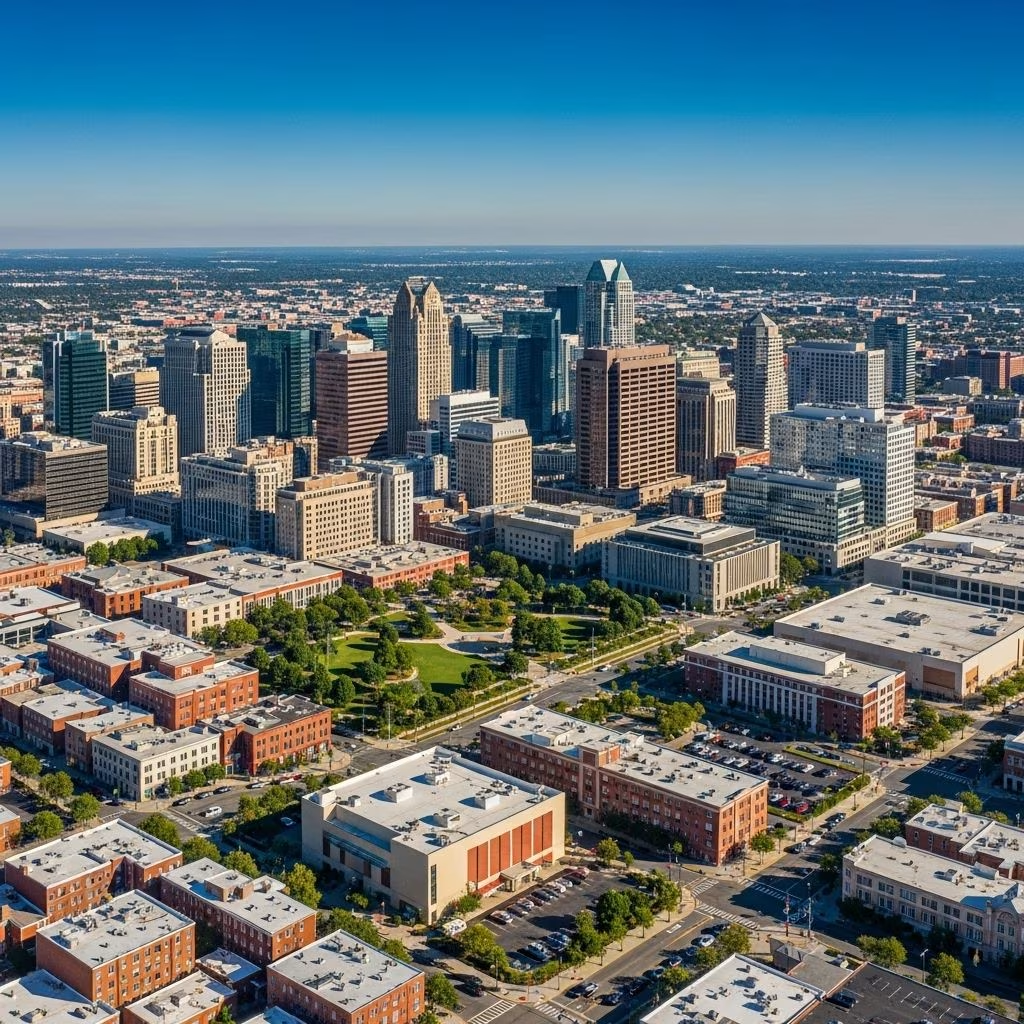
The 8 Best U.S. Cities for Weight Loss Success
Trying to lose weight can feel daunting in many environments, but certain U.S. cities provide unique structural, cultural, and environmental advantages. By maximizing walkability, promoting healthy local cuisine, and cultivating strong fitness communities, these cities form supportive backdrops for residents seeking to shed pounds and lead healthier lives.
Why Environment Matters for Weight Loss
Research consistently highlights that environmental factors play a pivotal role in weight management. Cities with easy public access to outdoor activities, healthy food options, and culture that values wellness can significantly increase success rates for individuals striving to lose weight. Factors typically associated with the most weight loss-friendly cities include:
- High walkability scores
- Plentiful biking and outdoor activity options
- Access to fresh produce and healthy restaurants
- Low prevalence of high-calorie fast food outlets
- Community support for wellness initiatives
Methodology: How the Best Weight Loss Cities Were Chosen
The cities highlighted below were evaluated on various measures including walkability, number of fitness studios, abundance of healthy restaurants, prevalence of outdoor activity options, and local wellness culture. Additional analysis considered obesity rates, access to fresh groceries, and opportunities for community support. Data was drawn from reputable sources including Walk Score, U.S. Census Bureau, Centers for Disease Control and Prevention, and city-specific health statistics.
1. Portland, Oregon
Portland is renowned for its extensive network of parks, biking trails, and health-conscious culture. Residents enjoy easy access to:
- Miles of walking and bike paths like the Springwater Corridor
- Farmers markets with locally sourced produce
- Hundreds of gyms, yoga studios, and wellness centers
- Low rates of fast-food density
Portland’s focus on sustainability also creates a social atmosphere where active living is part of everyday life. Local government incentivizes community gardens and urban cycling, making healthy choices the norm.
2. San Francisco, California
San Francisco consistently ranks among the most walkable U.S. cities, with dramatic hills offering natural incline workouts. Weight loss advantages include:
- High concentration of fitness-focused businesses
- Abundant vegetarian and organic restaurants
- Access to parks like Golden Gate Park and Presidio
The city’s dense layout and efficient public transit mean most people walk or cycle daily, seamlessly integrating exercise into routines. A local culture that prizes wellness and fresh, seasonal foods provides further support to weight loss efforts.
3. Minneapolis, Minnesota
Minneapolis leverages its extensive park system and lakes to promote movement year-round.
Key advantages:
- Over 180 parks and 22 lakes for walking, running, and cycling
- Vibrant fitness scene with options from CrossFit to Pilates
- Strong emphasis on locally sourced, healthful food
- Active group fitness communities
Even harsh winter months don’t deter residents, thanks to indoor fitness facilities and well-maintained snow trails for cross-country skiing and snowshoeing.
4. Denver, Colorado
Denver sits at the crossroads of urban convenience and outdoor adventure.
- Proximity to the Rockies for hiking and biking
- High concentration of fitness studios
- Frequent health fairs and community events
- Low levels of obesity prevalence compared to national averages
With a population inclined toward physical activity, Denver encourages regular exercise through access to outdoor recreation and city-sponsored wellness initiatives.
5. Seattle, Washington
Seattle blends stunning natural scenery with urban opportunity for healthy living:
- Dozens of hiking trails within city limits
- Numerous farmers markets and organic grocers
- Community programs for fitness and wellness
Seattle’s rain may be frequent, but it rarely hinders activity. Residents stay engaged through indoor fitness centers, neighborhood walking groups, and events like community fun runs.
6. Austin, Texas
Austin’s young, active population and vibrant health culture make it a top city for weight loss:
- Miles of scenic running and cycling roads (e.g., Lady Bird Lake Trail)
- Well-attended yoga and fitness studios
- Fresh Tex-Mex options and locally sourced restaurants
The city’s warm climate makes outdoor exercise accessible year-round, and proactive public health programs support healthy behaviors.
7. Boston, Massachusetts
Boston’s historical streets and compact neighborhoods foster daily movement:
- Strong walkability rating in central districts
- Numerous gyms, wellness seminars, and running clubs
- Health-focused local cuisine and supermarkets
Wellness initiatives, including city-wide bike-sharing and robust public transit, ensure residents have access to fitness resources regardless of income.
8. Salt Lake City, Utah
Salt Lake City stands out for its access to nature and fitness-friendly mindset:
- Easy entry to mountain trails and ski resorts
- Active cycling and running clubs
- Community support for healthy lifestyles
Salt Lake City’s clean environment and enthusiastic wellness scene encourage both mental and physical health, essential for successful weight management.
Comparison Table: The 8 Best Cities for Weight Loss at a Glance
| City | Walkability | Fitness Studios | Healthy Dining | Outdoor Activities |
|---|---|---|---|---|
| Portland, OR | High | Many | Abundant | Parks, trails |
| San Francisco, CA | Very High | Many | Organic, vegetarian | Hills, parks |
| Minneapolis, MN | Moderate | Many | Local produce | Lakes, parks |
| Denver, CO | Moderate | High | Healthy options | Mountains, trails |
| Seattle, WA | High | Many | Organic grocers | Hiking, waterfront |
| Austin, TX | Moderate | High | Healthy Tex-Mex | Lakes, trails |
| Boston, MA | High | Many | Local markets | Historic parks |
| Salt Lake City, UT | Moderate | Many | Healthy variety | Mountains, ski |
Key Factors That Make a City Good for Weight Loss
- Walkability: Higher walk scores encourage daily activity through commuting and errands on foot.
- Access to Fitness Centers: Numerous gyms, yoga studios, and specialized fitness facilities offer structured exercise options.
- Healthy Dining: Availability of restaurants that prioritize fresh, wholesome ingredients supports smart dining choices.
- Outdoor Activities: Parks, trails, lakes, and mountains provide venues for free or low-cost exercise all year.
- Community Wellness Initiatives: Programs such as public fitness classes, farmer’s markets, and health education foster collective motivation.
Common Challenges in Less Weight Loss-Friendly Cities
Not all cities are equally supportive, and residents in less walkable urban sprawl may face:
- Limited access to fresh food and grocery stores
- Greater distances to fitness centers
- High density of fast food outlets
- Poor air quality or climate deterring outdoor activities
- Fewer community support programs
Tips for Losing Weight Wherever You Live
Even if you don’t live in a top city for weight loss, these expert-backed tips can help you overcome environmental obstacles:
- Maximize your movement: Use walking paths, public parks, and take the stairs whenever possible.
- Plan healthy meals: Shop local produce markets or try meal prepping to resist unhealthy options.
- Seek community: Find or form fitness groups, join wellness classes, or enlist a workout buddy.
- Utilize technology: Leverage mobile fitness apps and trackers to stay motivated and monitor progress.
- Adopt a positive mindset: Focus on building habits rather than pursuing rapid results—consistency is key.
Frequently Asked Questions (FAQs)
Q: What makes a city ‘weight loss friendly’?
A: High walkability, numerous fitness centers, an active community, and easy access to healthy foods make cities more weight loss-friendly.
Q: Can I lose weight if my city is not on the list?
A: Yes. While environment can help, successful weight loss is possible anywhere with determination and use of available resources.
Q: How do walk scores impact weight loss?
A: Higher walk scores mean more opportunity for physical activity through everyday errands, which supports increased calorie burn and weight maintenance.
Q: Are outdoor activities more effective than gym workouts?
A: Both are effective. Outdoor activities can be more accessible and enjoyable, making it easier to stay consistent, but gym workouts offer structure and a wider variety of options.
Q: What role do community programs play?
A: Community initiatives, such as fitness classes and support groups, motivate individuals, create accountability, and make healthy living a shared value.
Conclusion
While urban structure and local culture dramatically shape the weight loss journey, success ultimately hinges on consistent effort and strategic choices. Whether you live in a city with built-in advantages or in a more challenging environment, actionable steps—combined with community support and mindful habits—make reaching or maintaining a healthy weight possible for everyone. The eight cities highlighted here demonstrate how the right surroundings can help cultivate a healthier, happier population.


