


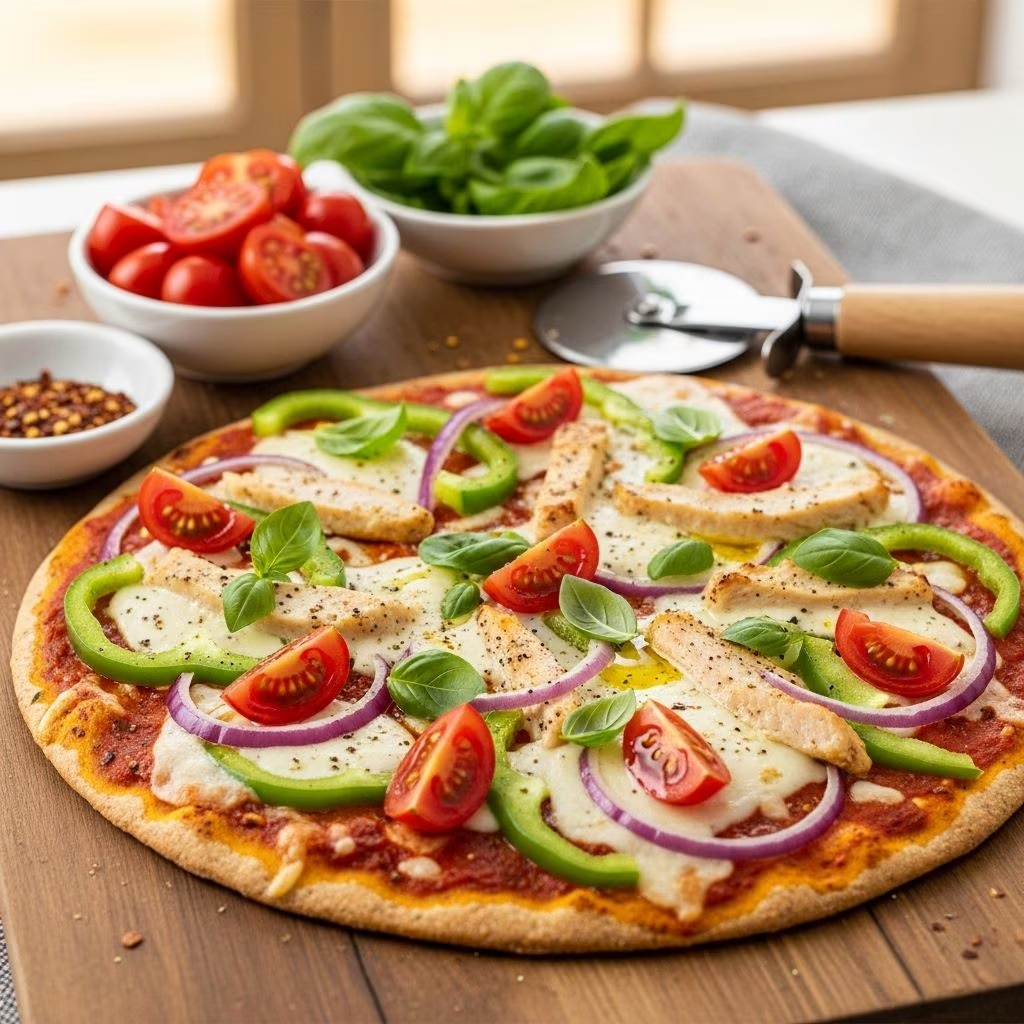
Make Your Own Diet-Friendly Pizza: Healthy Tips and Recipes
If you’re passionate about pizza but concerned about keeping your meals light and nutritious, you don’t have to forgo your favorite comfort food. By making smart choices about crusts, sauces, cheeses, and toppings, you can create delicious, diet-friendly pizzas that satisfy cravings without compromising your goals. This guide provides expert-backed strategies, ingredient swaps, and tasty recipes to help you enjoy pizza night while staying on track with your health and weight loss plans.
Why Make Your Own Pizza?
Store-bought and restaurant pizzas are often loaded with refined flour crusts, high-fat meats, excess cheese, and sugar-laden sauces, which add unnecessary calories, sodium, and saturated fat. Making pizza at home lets you control every ingredient, adjust the portion size, and boost the nutritional value by using whole foods and lighter preparations.
- Control calories and macros by swapping crusts and cheeses.
- Increase fiber and protein by adding lean meats and vegetables.
- Limit sodium and added sugars with homemade sauces and smart toppings.
- Accommodate dietary restrictions: gluten-free, vegetarian, low-carb, dairy-free options.
Crust Choices for a Healthier Pizza
The base of your pizza sets the nutritional tone. Here are the best options for creating lighter, more nutrient-dense crusts:
- Whole-Wheat Crust: Higher in fiber, vitamins, and minerals compared to refined white flour. Choose thin crusts for fewer calories.
- Cauliflower Crust: Made with grated cauliflower, eggs, and cheese. Delivers lower carbs, fewer calories, and extra nutrients, while staying crispy.
Tip: Pre-bake the crust for 15 minutes before adding toppings for best texture. - Gluten-Free Tortilla Bases: Use corn or gluten-free flour tortillas for ultra-thin, quick pizzas.
- Two-Ingredient Yogurt Crust: Combine Greek yogurt or cottage cheese with self-rising flour for a protein-rich base.
- Portobello Mushroom or Eggplant ‘Crust’: Use large vegetables as edible vessels with minimal calories.
- Pita Bread & Lavash: Choose whole-wheat varieties for a fast, individual pizza that is portion controlled.
Each crust affects the total nutrition—here’s how they compare:
| Crust Type | Calories (per serving) | Carbs (g) | Fiber (g) | Protein (g) | Notes |
|---|---|---|---|---|---|
| Whole-Wheat Traditional | ~130 | 26 | 3 | 6 | More fiber than white crust |
| Cauliflower Crust | ~80 | 4 | 2 | 6 | Low-carb, gluten-free |
| Greek Yogurt & Flour | ~145 | 26 | 0 | 9 | Higher protein |
| Gluten-Free Tortilla | 120 | 23 | 3 | 3 | Quick, ultra-thin |
| Portobello Mushroom | 45 | 7 | 2 | 3 | Vegetable-based, very low cal |
Sauce Secrets: Flavorful & Nutritious Bases
Pizza sauce is essential for flavor, but also a source of hidden sugars and sodium in many store-bought versions. Upgrade your pizza sauce:
- Low-Sodium Tomato Sauce: Look for options with less than 2g sugar per serving.
- Homemade Marinara: Simmer crushed tomatoes, garlic, herbs, and olive oil for pure flavor and nutrition.
- Mustard: Try a thin layer of Dijon or grainy mustard for zip and less sugar—works well with eggs, ham, or greens.
- Pesto: Use basil, spinach, or arugula pesto for a dose of healthy fats and bright, herbal flavor.
- Olive Oil & Garlic: Brush crusts lightly for a classic Italian approach without any added sugar.
- Barbecue Sauce (Gluten-Free): Use reduced-sugar options in moderation—delicious with chicken or plant-based toppings.
Avoid creamy, high-fat sauces like Alfredo and buffalo sauce, which quickly add saturated fat and calories.
Cheese Without The Guilt
Cheese provides protein and calcium, but can increase saturated fat and sodium quickly. Here’s how to enjoy cheese in diet-friendly ways:
- Low-Fat Mozzarella: Melts well and is lower in calories and saturated fat than whole-milk cheeses.
- Part-Skim Ricotta: Dollop small amounts for creamy texture without heaviness.
- Gruyère or Swiss: Intense flavors mean you can use less for the same enjoyment.
- Reduced-Fat Feta or Goat Cheese: Crumble for tangy flavor and fewer calories per ounce.
- Nutritional Yeast: Offers a cheese-like flavor for dairy-free and vegan diets, with B vitamins and protein.
- Use Less Cheese: Sprinkle lightly over the top, or add after baking for more flavor punch with smaller amounts.
Top It Right: Smart Topping Strategies
Diet-friendly pizzas are all about colorful vegetables, lean proteins, and fresh herbs. Consider these topping swaps:
- Vegetables: Pile on spinach, kale, arugula, bell peppers, mushrooms, onions, zucchini, tomatoes, and eggplant for fiber and bulk with few calories.
- Lean Proteins: Try grilled or shredded chicken, turkey pepperoni, thinly sliced deli ham, tofu, or beans.
- Eggs: Crack fresh eggs on top before baking for protein (and a beautiful breakfast-style pizza).
- Healthy Fats: Sprinkle olives or avocado slices for filling texture and flavor. Use in moderation.
- Fresh Herbs & Greens: Basil, oregano, chives, parsley, and arugula add bursts of flavor post-bake.
- Limit Processed Meats: Use less sausage, bacon, or full-fat pepperoni—or replace entirely with turkey pepperoni or grilled chicken.
When assembling your pizza, remember: piling on vegetables increases nutrient density and satisfaction while reducing overall calories and fat compared to meaty, cheesy combinations.
Quick Nutrition Comparison: Crusts & Toppings
| Pizza Style | Calories | Protein | Fat | Carbs | Fiber | Sodium |
|---|---|---|---|---|---|---|
| Traditional Meat-Lovers | ~350-400 | 15 | 17 | 45 | 2 | 900 |
| Veggie, Whole-Wheat, Light Cheese | ~220 | 10 | 8 | 26 | 5 | 400 |
| Cauliflower Crust, Chicken & Veg | ~200 | 14 | 7 | 10 | 3 | 350 |
| Breakfast Pizza (Spinach, Ham, Egg) | ~280 | 18 | 10 | 23 | 3 | 500 |
| Gluten-Free Tortilla, BBQ Chicken | ~180 | 20 | 10 | 25 | 4 | 380 |
Healthy Pizza Recipes to Try
High Protein Greek Yogurt Pizza
- 1 cup plain Greek yogurt or cottage cheese
- 1 cup self-rising flour
- 1.5 cup shredded chicken breast
- 1/2–3/4 cup pizza sauce (low-sugar)
- 1 cup mozzarella cheese (part-skim)
- Slice bell pepper, onion, turkey pepperoni as desired
Instructions: Mix yogurt and flour to create dough, roll out, top with sauce, protein, cheese, and veggies. Bake at 400°F for 20–25 minutes until golden and bubbling.
Sunny Side-Up Egg Pizza
- Pizza dough (whole-wheat if possible)
- Dijon mustard
- Gruyère cheese
- Sliced ham
- Fresh spinach
- 4 eggs
Instructions: Spread mustard over rolled dough, layer cheese, ham, spinach, and eggs on top. Bake at 450°F for 15–17 minutes until egg whites are set. Cut and serve with a green salad for extra nutrients!
Nutrition (per serving): 452 cal, 22g protein, 55g carbs, 1.5g fiber, 15g fat.
Cauliflower Crust Pizza
- 2 cups finely grated cauliflower
- 2 cups mozzarella cheese
- 2 large eggs
- Low-sugar tomato sauce
- Toppings: mushrooms, tomatoes, olives, basil
Instructions: Mix cauliflower, mozzarella, and eggs to form crust. Pre-bake 15 minutes, add toppings and sauce, bake until golden and cheese is melted. Serves as a gluten-free and low-carb option.
Barbecue Chicken Gluten-Free Pizza
- 2 gluten-free tortillas (thin style)
- 2 tbsp olive oil
- 2 tbsp reduced-sugar barbecue sauce
- 1/4 cup shredded reduced-fat pepper Jack cheese
- 4 oz cooked chicken breast, thinly sliced
- 2 scallions, thinly sliced
Instructions: Brush tortillas with oil. Top with sauce, cheese, chicken, and onion. Bake at 400°F for 7 minutes. Cut into wedges and enjoy a fast, lower calorie pizza.
Super Veggie Pizza (for Fiber & Antioxidants)
- Whole-wheat pita or lavash bread
- Low-sodium tomato sauce or pesto
- Light mozzarella or feta
- Assorted vegetables: spinach, tomato, zucchini, onion, bell pepper, broccoli
- Fresh basil, oregano, chives
Instructions: Layer sauce, cheese, and chopped veggies on pita. Bake at 400°F until crisp. Top with fresh herbs before serving.
Frequently Asked Questions (FAQs)
Q: Can I make pizza part of a healthy weight loss plan?
A: Yes! Pizza can be included in a weight loss plan when prepared with wholesome ingredients, balanced portions, and limited processed meats, cheeses, and high-calorie sauces.
Q: How do I make pizza gluten-free?
A: Use a cauliflower crust, gluten-free tortilla, or almond flour-based dough, and ensure all sauces and toppings are labeled gluten-free if sensitive or allergic.
Q: What’s the lowest-calorie cheese option for pizza?
A: Part-skim mozzarella, low-fat ricotta, and reduced-fat feta are lower-calorie, high-protein choices. Use sparingly and add more vegetables for bulk and flavor.
Q: How do I amp up the protein in my pizza?
A: Choose dough made with Greek yogurt or cottage cheese, top with grilled chicken, lean turkey pepperoni, or crack an egg on top before baking.
Q: Are there vegan options for healthy pizza?
A: Yes! Try vegan cheese, nut-based sauces, and plant protein toppings like seasoned tofu, tempeh or even beans. Use vegetable and seed crusts for extra nutrition.
Final Thoughts
With a mindful approach to ingredients and preparation, pizza can become a nutritious, satisfying part of your diet. Whether your goal is weight loss, health maintenance, or simply enjoying delicious food, homemade pizza recipes offer flexibility, flavor, and better nutrition with every slice. Experiment with different crusts, sauces, and toppings to find your perfect balance of taste and health.
References
- https://www.prevention.com/food-nutrition/recipes/a35335784/sunny-side-up-eggs-pizza-recipe/
- https://thebalancednutritionist.com/high-protein-pizza/
- https://www.prevention.com/weight-loss/diets/a20496728/recipes-from-the-flat-belly-diet-gluten-free-cookbook/
- https://www.drberg.com/blog/the-healthiest-pizza-in-the-world-part-two
- https://www.prevention.com/weight-loss/a20479664/make-your-own-diet-friendly-pizza/
- https://www.prevention.com/food-nutrition/healthy-eating/a20478019/dinner-ideas-seriously-simple-pizza-dough-recipes/
- https://preventionrd.com/bone-density-and-nutrition/
- https://www.prevention.com/food-nutrition/g41055022/low-calorie-meals/
- https://blog.cincinnatichildrens.org/healthy-living/fitness-and-nutrition/healthier-kid-friendly-recipe-pizza-sauce/


