


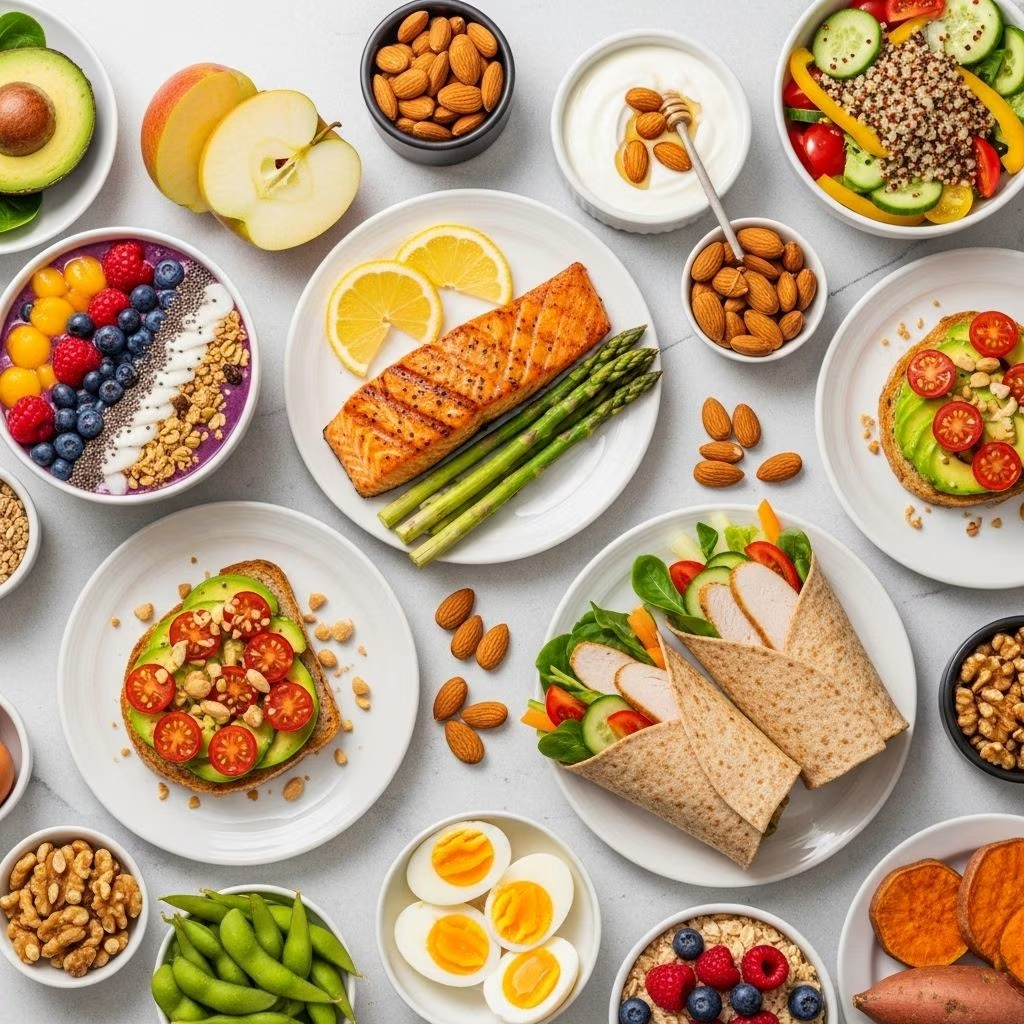
25 Delicious Foods to Help You Lose Weight and Feel Great
Reaching and maintaining a healthy weight is about more than just cutting calories—what you eat matters as much as how much you eat. Choosing nutrient-dense foods that provide lasting satisfaction while supporting your natural metabolism can make your weight loss journey flavorful and rewarding. This comprehensive guide highlights 25 of the best weight loss foods, explains why they work, and offers practical tips to incorporate them into your daily menu.
Why Food Choices Matter for Weight Loss
Successful weight loss is not about extreme restriction or a never-ending list of foods to avoid. In fact, some of the best results come from making smarter swaps and loading your meals with ingredients that keep you full, support your metabolism, and curb unhealthy cravings.
Foods rich in protein, fiber, and healthy fats offer several benefits for losing weight:
- They take longer to digest, keeping you full and satisfied after meals.
- High fiber foods stabilize blood sugar, reducing the spikes that lead to cravings and hunger crashes.
- Lean proteins and certain spices increase the “thermic effect of food”, boosting the number of calories your body burns during digestion.
Let’s dive into some of the tastiest, most satisfying foods that make healthy eating for weight loss easier—and more delicious.
1. Leafy Greens
Kale, spinach, Swiss chard, and collard greens are top choices for anyone looking to shed pounds. These vegetables are packed with fiber, vitamins (like vitamin K and C), antioxidants, and minerals such as manganese, which help your cells process food into usable energy.1
- Virtually calorie-free: 1 cup of raw kale has just about 9 calories.
- High fiber keeps you full and supports gut health.
- Try them: Add to salads, blend into smoothies, or sauté with lemon and garlic for a quick side.
2. Eggs
Eggs are a protein powerhouse that not only keep you satisfied but also provide healthy fats and a wealth of nutrients in the yolk—including choline for metabolism support.3 Don’t skip the yolk, as it contains the majority of the nutrients.
- One large egg contains about 6 grams of protein and only 70 calories.
- Great for breakfast, as a snack, or added to salads.
3. Quinoa
This gluten-free ancient seed acts like a whole grain in recipes but delivers all nine essential amino acids, making it a rare plant-based complete protein.13
- High in protein and fiber—ideal for long-lasting satiety.
- Toss it into grain bowls, soups, or serve as a wholesome side.
4. Lean Proteins
Foods like chicken breast, turkey, salmon, and lean beef not only repair muscles but also have a high thermic effect, meaning your body uses more energy to digest protein compared to carbs or fats.1
- Promote muscle growth, which boosts metabolism.
- Stabilize blood sugar, reducing cravings.
- Add to stir fries, salads, or grill for a fast dinner option.
5. Cottage Cheese
Low-fat cottage cheese is rich in casein protein, which takes longer to digest and helps curb late-night cravings.24
- About 25 grams of protein and only 163 calories per cup (low-fat).
- Top with berries or sliced cucumber for a high-protein snack.
6. Whole Grains
Brown rice, oats, barley, and farro are high in fiber, B vitamins, and essential minerals that deliver long-term energy. Unlike refined grains, they’re digested slowly, helping to avoid blood sugar spikes.1
- Serve as hearty sides or mix into veggie-forward bowls.
- Start your day with oatmeal topped with fruit and nuts for a filling breakfast.
7. Legumes
Beans, lentils, chickpeas, and peas are extremely filling and have been shown to help people lose weight when eaten regularly.2
- High in both protein and fiber.
- Roast chickpeas for a crunchy snack.
- Add lentils to soups or salads for extra heft and richness.
8. Apples
Apples deliver fiber and antioxidants at only about 100 calories each. Research suggests apples in various forms can help with weight loss, possibly due to their ability to slow digestion and boost fullness.4
- Great portable snack.
- Slice over salads or pair with nut butter for a satisfying treat.
9. Cruciferous Vegetables
Vegetables such as Brussels sprouts, broccoli, cauliflower, and cabbage are loaded with fiber and vitamins while being low in calories.4
- Add roasted or raw to salads.
- Brussels sprouts have about 70 calories per cup and pack filling fiber and protein.
10. Berries
Blueberries, strawberries, raspberries, and blackberries are low in calories, very high in fiber, and packed with antioxidants that help combat inflammation.
- Sweeten oatmeal, yogurt, or cottage cheese.
- Eat fresh, frozen, or baked into healthy desserts.
11. Greek Yogurt
This strained yogurt variety is higher in protein than regular yogurt, making it more satiating.
- Look for plain, unsweetened versions to avoid added sugars.
- Mix with fruit, honey, or a few nuts.
12. Tomatoes
Tomatoes are high in water and low in calories, perfect for adding bulk to meals without excess calories.
- Sliced into salads or roasted into sauces.
- Contain lycopene, a powerful antioxidant.
13. Avocados
Though avocados are calorie-dense due to their healthy monounsaturated fats, research indicates they are linked to reduced belly fat and higher feelings of fullness.
- Use in salads, spread on whole-grain toast, or blend into smoothies.
- A rich source of potassium, vitamin E, and fiber.
14. Salmon and Fatty Fish
Salmon, sardines, mackerel, and trout provide omega-3 fatty acids, which may help regulate metabolism and decrease inflammation that can contribute to weight gain.1
- Excellent source of lean protein.
- Grill, bake, or poach for a quick, satisfying meal.
15. Sweet Potatoes
Sweet potatoes are lower on the glycemic index than white potatoes and provide satisfying complex carbs, fiber, and vitamin A.
- Bake, mash, or cube and roast with other root veggies.
- Pairs well with lean proteins as a hearty side.
16. Cucumber
Cucumbers are hydrating, crunchy, and extremely low in calories. Their high water content fills you up, and the seeds provide magnesium that supports smooth digestion.1
- Slice into water, salads, or as a base for healthy dips.
- Contains the antioxidant quercetin, which can help fight inflammation.
17. Nuts and Seeds
Though calorie-dense, portions of nuts and seeds such as almonds, walnuts, chia, or flax will keep you satisfied for hours, thanks to their healthy fats and protein. They also deliver crucial minerals like magnesium and zinc.
- Sprinkle on yogurt, salads, or oatmeal.
- Enjoy as a solo snack or in energy bars for a filling boost.
18. Spicy Foods (Ginger and Turmeric)
Ginger can relax the digestive tract, fight inflammation, and may increase metabolism. Turmeric contains curcumin, which may help regulate insulin and reduce inflammation, benefiting metabolism and weight management.1
- Brew into tea or add fresh to stir fries.
- Brighten up grains and soups with ground turmeric.
19. Grapefruit
Some evidence suggests eating grapefruit before meals may support weight loss by enhancing feelings of fullness and reducing insulin resistance, though it isn’t a magic cure.
- Eat fresh or add to salads for tangy brightness.
- Consult your doctor before eating grapefruit if you’re on certain medications.
20. Dark Chocolate
Surprisingly, a small square of dark chocolate can help keep you on your diet by reducing “last supper” syndrome—a tendency to binge when you feel too restricted.1
- Rich in antioxidants and a source of healthy fat.
- Choose varieties with at least 70% cacao for maximum satiety and minimal added sugar.
21. Oatmeal
Oats provide a heart-healthy source of fiber (especially beta-glucan), which promotes fullness and supports steady blood sugar levels.
- Make overnight oats for a prep-ahead breakfast.
- Top with fresh fruit or a dollop of yogurt.
22. Lentils
Lentils are a plant-based protein star, offering fiber, potassium, iron, and plenty of filling bulk for not many calories.
- Simmer in soups, serve as a salad topper, or use as taco filling.
23. Roasted Chickpeas
Chickpeas are filling, high in plant protein, and versatile.2
- Roast with olive oil and seasonings for a savory, crunchy snack.
24. Lettuce and Salad Greens
Swap bread or tortillas for romaine or butter lettuce to lighten up sandwiches and wraps.4
- Crunchy, fresh, and only about 5 calories per cup.
- Use as a salad base or as wraps for tacos and burgers.
25. Kale Chips
Kale chips are a nutrient-dense alternative to traditional chips, loaded with antioxidants like beta carotene and zeaxanthin, and may help regulate blood sugar as well.2
- Bake with olive oil and seasonings for a crispy, satisfying snack.
How to Build Your Weight Loss Menu
Incorporating these top foods into your meals doesn’t require a complete overhaul of your current habits. Here’s how to get more of these fat-fighting foods every day:
- Plan balanced meals with protein, healthy fats, and fiber-rich carbs.
- Start your day with protein (eggs or Greek yogurt) for longer-lasting energy.
- Pile your plate with vegetables—the more color, the better.
- Use whole grains as a base for salads, grain bowls, and side dishes.
- Keep smart snacks like roasted chickpeas or nuts handy to tame cravings between meals.
- Satisfy your sweet tooth with berries or a small square of dark chocolate.
Weight Loss Foods Quick Reference Table
| Food | Main Benefit | How to Eat It |
|---|---|---|
| Kale | Low-cal, full of vitamins & antioxidants | Salads, smoothies, chips |
| Eggs | High protein, satisfying | Scrambled, hard-boiled, salads |
| Quinoa | Complete protein, high fiber | Bowls, salads, side dish |
| Chicken Breast | Lean protein, fat burning | Grilled, stir fries, salads |
| Cottage Cheese | Casein protein, filling snack | With fruit, savory bowls |
| Chickpeas | Fiber & protein | Roasted, hummus, soups |
| Apple | Fiber, low cal, antioxidants | Whole, sliced, with nut butter |
| Brussels Sprouts | Fiber & vitamins | Roasted, salads |
| Salmon | Omega-3s, lean protein | Baked, grilled, salads |
| Berries | Antioxidants, low cal | Snacks, yogurt, oatmeal |
| Greek Yogurt | High protein | Breakfast, snack, smoothies |
| Sweet Potato | Complex carb, vitamin A | Baked, roasted, mashed |
| Oats | Sustained energy, high fiber | Breakfast, overnight oats |
| Dark Chocolate | Craving control, antioxidants | Small square, dessert |
Frequently Asked Questions (FAQs)
Q: Must I give up all my favorite foods to lose weight?
A: No. The key is balance, not perfection. Incorporate small amounts of indulgent foods (like dark chocolate) as part of your overall healthy pattern, so you don’t feel deprived and risk binge eating.
Q: Do I have to count calories carefully if I eat these foods?
A: Focusing on nutrient-dense, high-fiber and protein-rich foods naturally prevents overeating for most people, making calorie counting less necessary. Still, for some, mindful tracking can help identify portions and problem foods.
Q: How quickly will I lose weight if I start eating these foods?
A: There is no magic timeline—safe, sustainable weight loss is about 0.5 to 2 pounds per week. These foods support a healthy metabolism and lasting habits, not quick fixes.
Q: Can vegetarians and vegans follow this approach?
A: Yes! Many great plant-based options are included, such as legumes, quinoa, leafy greens, berries, oats, and more. Substitute plant-based proteins where needed.
Q: What should I drink while trying to lose weight?
A: Water should be your main drink. Unsweetened tea or coffee are also fine. Avoid sugary drinks and excessive juice, but infuse water with cucumber, berries, or citrus for a flavorful twist.
Final Thoughts
Incorporating these 25 delicious, nutrient-rich foods into your meal plan can help you lose weight without feeling hungry or deprived. As you focus on adding more of these choices to your day—rather than just eliminating foods—you’ll enjoy greater satisfaction, better nutrition, and lifelong healthy habits.
References
- https://www.prevention.com/weight-loss/g24805401/fat-burning-foods/
- https://www.prevention.com/weight-loss/g19576831/healthy-snack-ideas-weight-loss/
- https://www.prevention.com/weight-loss/g20496527/15-weight-loss-foods/
- https://www.prevention.com/food-nutrition/g20428211/25-ridiculously-low-calorie-foods/
- https://www.prevention.com/food-nutrition/g29504714/weight-loss-foods/
- https://www.prevention.com/weight-loss/diets/a63174975/best-diets-for-weight-loss-2025/
- https://www.prevention.com/food-nutrition/healthy-eating/a65919516/foods-to-boost-metabolism/
- https://www.prevention.com/weight-loss/a20483977/best-weight-loss-foods/
- https://www.prevention.com/weight-loss/
- https://www.prevention.com/weight-loss/diets/a60578947/how-to-lose-weight-fast-safely/


