


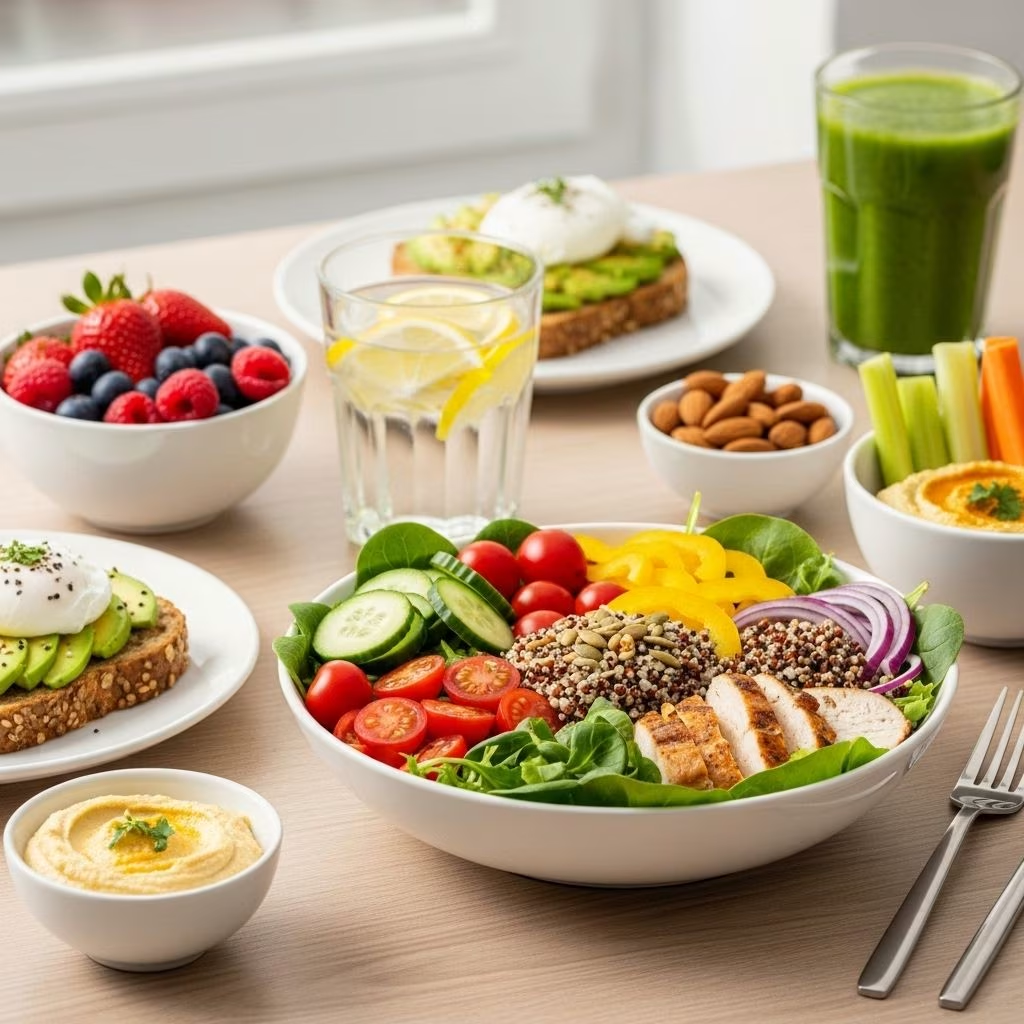
21-Day Healthy Eating Challenge: Transform Your Habits for Lasting Wellness
Changing your relationship with food doesn’t require rigid dieting or deprivation. Our 21-Day Healthy Eating Challenge offers transformative strategies to help you fight cravings, conquer nutrient deficiencies, and retrain your mind for mindful, intuitive eating—setting you up to never diet again.
In the following guide, you’ll discover four key foundations of eating psychology, practical plans to repair your body’s hunger cues, and step-by-step tips to make this 21-day challenge your springboard toward lifelong wellness.
1. Prepare Your Body: Fight Deficiencies to Curb Overeating
Many cravings—especially for sweets and salty snacks—can be traced to nutrient deficiencies. Studies show that up to 90% of adults lack at least one essential nutrient, leading to persistent hunger and weakened willpower. Before you tackle emotional or psychological eating, address the physical foundations by ensuring your body isn’t driving you to eat mindlessly for the wrong reasons.
Common Nutrient Deficiencies and Their Solutions
| Deficiency | Typical Craving | Food Solutions |
|---|---|---|
| Calcium & Magnesium | Sweet or salty foods | 1 cup cooked spinach, 2 bone-in sardines, 2 oz almonds, Greek yogurt, sweet potato (with skin), 1 oz cheese |
| B Vitamins | Sweet or salty foods | Animal protein (beef, salmon), yogurt, green veggies, beans, lentils, squash, sunflower seeds, avocado, banana |
| Potassium | Sugar, chocolate | Tomato juice, sweet potato, banana, coconut water, kidney beans |
| Vitamin C | Sugar | Red bell peppers, broccoli, orange, kiwi, strawberries |
| Zinc | Salty foods | Pumpkin seeds, shrimp, lentils, eggs, yogurt |
| Vitamin D | Fatty foods, overall cravings | Salmon, mackerel, fortified milk alternatives, mushrooms, egg yolk |
- Address these deficiencies through whole foods wherever possible; aim for variety each week.
- If you suspect a serious deficiency, talk to your healthcare provider about blood testing and targeted supplementation.
Tips for Nutritional Success
- Start each day with a nutrient-dense breakfast combining healthy protein (like eggs or Greek yogurt), leafy greens, and a complex carb.
- Prep produce and proteins in advance so you have healthy choices on hand.
- Drink plenty of water. Dehydration often masquerades as hunger or cravings.
- If you feel a craving coming on, check if it’s linked to any of the deficiencies above and eat accordingly.
2. Prepare Your Mind: Master Your Thoughts, Empower Your Choices
Research shows that psychological triggers—like stress, boredom, or habit—can cause us to eat even when we’re not truly hungry. Developing mental awareness is essential for retraining your brain and building a lasting healthy-eating mindset.
Strategies for Building Mindful Thinking
- Identify Emotional Triggers: Keep a food diary for a week, noting your mood and hunger levels at each meal and snack. Patterns will emerge between emotional states and your food choices.
- Create a Pre-Eating Ritual: Before reaching for food, pause for 60 seconds, take a few deep breaths, and ask yourself if you’re biologically hungry or seeking comfort.
- Practice Positive Self-Talk: Replace the “I deserve this treat” mentality with phrases like “I deserve to feel strong and energized.”
- Set Reasonable Expectations: Instead of obsessive calorie-counting, focus on nourishing yourself and appreciating how eating well makes you feel—physically and emotionally.
- Visualize Success: Spend a few minutes each morning picturing how you want to handle challenging eating situations during your day.
3. Change Your Environment: Set Up for Success
Your environment plays a silent but massive role in shaping your eating choices. The food you see most often, the way your kitchen is organized, and your routines can subtly sabotage your best intentions. Rearranging your surroundings will help you stick to your goals.
Environmental Tweaks to Make Healthy Eating Easy
- Clear the Clutter: Remove unhealthy triggers from countertops—place cookies, processed snacks, and candy out of sight (or out of the house).
- Stock the Essentials: Fill your pantry with wholesome options. Include:
- Nuts and seeds (in moderation and unsalted)
- Leafy greens, pre-chopped veggies
- Lean proteins (chicken, fish, tofu, eggs)
- Whole fruit (portion-controlled; see the Challenge plan)
- Organize for Visibility: Place fresh produce at eye level in your fridge and healthy snacks at the front of your pantry.
- Prep in Advance: Wash and slice veggies as soon as you get home from the store.
- Create Non-Food Rewards: Identify non-food ways to celebrate, like a walk in nature, a new book, or a phone call with a friend.
4. Practice Mindful Eating: Tune Into Hunger & Satisfaction
“Mindful eating” is the opposite of mindless snacking. By tuning into your body’s hunger signals and savoring each bite, you create a natural stop to overeating and develop a more relaxed attitude toward food.
Mindful Eating Steps
- Eat Without Distraction: Turn off the TV, put away your phone, and focus on your meal. Even a few minutes of undistracted eating can make a huge difference.
- Eat Slowly: Set your fork down between bites. Chew thoroughly and appreciate textures and flavors.
- Assess Your Hunger: Use a hunger scale from 1–10 before and after eating. Aim to eat when you’re at a 3–4 (truly hungry) and stop at a 6–7 (comfortably satisfied).
- Portion Smart: Place smaller servings on your plate; you can always return for more if you’re still hungry after 20 minutes.
- Practice Gratitude: Spend a few seconds reflecting on your food’s origins and the nourishment it provides.
The 21-Day Challenge Action Plan
This 21-Day Challenge fuses nutrition science with psychological and environmental strategies, guiding you through three weeks of transformation. Use this plan as a daily template, adapting it to your lifestyle and preferences. Each week includes a focus, goals, and sample meal ideas.
Weekly Focus Breakdown
| Week | Focus | Action Items |
|---|---|---|
| Week 1 | Reset & Awareness |
|
| Week 2 | Rebuild & Nourish |
|
| Week 3 | Practice & Integrate |
|
Sample Daily Eating Structure
- Breakfast: Protein (eggs or Greek yogurt), leafy greens or low-sugar fruit, healthy fat (nuts or avocado).
- Lunch: Big salad with mixed greens, varied veggies, lean protein, seeds, and a vinaigrette or lemon juice.
- Afternoon Snack: Raw nuts, seeds, or a hard-boiled egg if hungry.
- Dinner: Lean protein (chicken, fish, tofu), roasted vegetables, sweet potato or brown rice (portion-controlled).
- Optional (Evening): Herbal tea or a small piece of dark chocolate for satisfaction.
Foods to Emphasize
- Leafy and cruciferous vegetables (kale, spinach, broccoli)
- Lean proteins (poultry, fish, eggs, Greek yogurt)
- Healthy fats (avocado, unsalted nuts, olive oil)
- Low-sugar fruits (berries, citrus in moderation)
- Whole, unprocessed foods; minimize anything packaged or deep-fried
Foods to Limit or Avoid During the 21 Days
- Highly processed foods and snacks (chips, crackers, packaged sweets)
- Refined sugars and artificial sweeteners
- White flour products (white bread, pasta)
- Sugary drinks and sodas
- Alcohol (preferably none for 21 days; reintegrate slowly after that)
- Fried foods
Frequently Asked Questions (FAQs)
Q: Can I adjust the challenge if I have dietary restrictions?
A: Yes, the challenge is flexible. Substitute animal proteins with beans, lentils, tofu, or tempeh for plant-based diets. If you are gluten- or lactose-intolerant, opt for dairy alternatives and gluten-free grains in portion-controlled amounts.
Q: How do I handle cravings during the challenge?
A: First, assess whether you’re truly hungry or just experiencing a craving due to stress or habit. If it’s a strong craving, eat a nutrient-dense snack (like a handful of nuts or Greek yogurt), hydrate, wait 10 minutes, and distract yourself with a non-food activity. Address any recurring cravings by referencing the nutrient deficiency table above.
Q: What if I slip up and eat a restricted food?
A: Don’t punish yourself. A single meal won’t derail 21 days of progress. Refocus by reviewing your triggers, prepping healthy options, and continuing with your next meal or snack—progress, not perfection, is the goal.
Q: When should I reintroduce foods like alcohol and dessert?
A: After the challenge, slowly reintroduce foods one at a time and observe how your body and cravings respond. This will help identify what works best for your long-term health and energy.
Q: What benefits should I expect after 21 days?
A: Most participants report improved energy, clearer skin, better sleep, fewer cravings, and a healthier relationship with food. You may also notice weight loss and greater confidence in your food choices.
Take the First Step
Top nutrition experts agree: meaningful change begins with small, deliberate actions and a focus on lasting habits, not temporary restrictions. Start your 21-Day Healthy Eating Challenge today—and empower yourself with the skills and confidence to nourish your body for life.
References
- https://lesmillslegacypriv.blob.core.windows.net/media/3914/lmod-21day-guide.pdf
- https://megsoper.com/blog/a-21-day-nutrition-challenge-that-will-change-your-life/
- https://www.vinmec.com/eng/blog/21-days-of-weight-loss-and-exercise-a-beginners-guide-and-review-en
- https://www.prevention.com/weight-loss/a20492960/21-day-healthy-eating-challenge/
- https://plantbasedhealthprofessionals.com/21-day-challenge
- https://www.northshore.org/healthy-you/21-day-challenge-of-healthy-habits/
- https://www.totalwellnesshealth.com/wp-content/uploads/2021/04/21Snacks.pdf
- https://lizmoody.substack.com/p/our-free-21-day-science-backed-plan


