


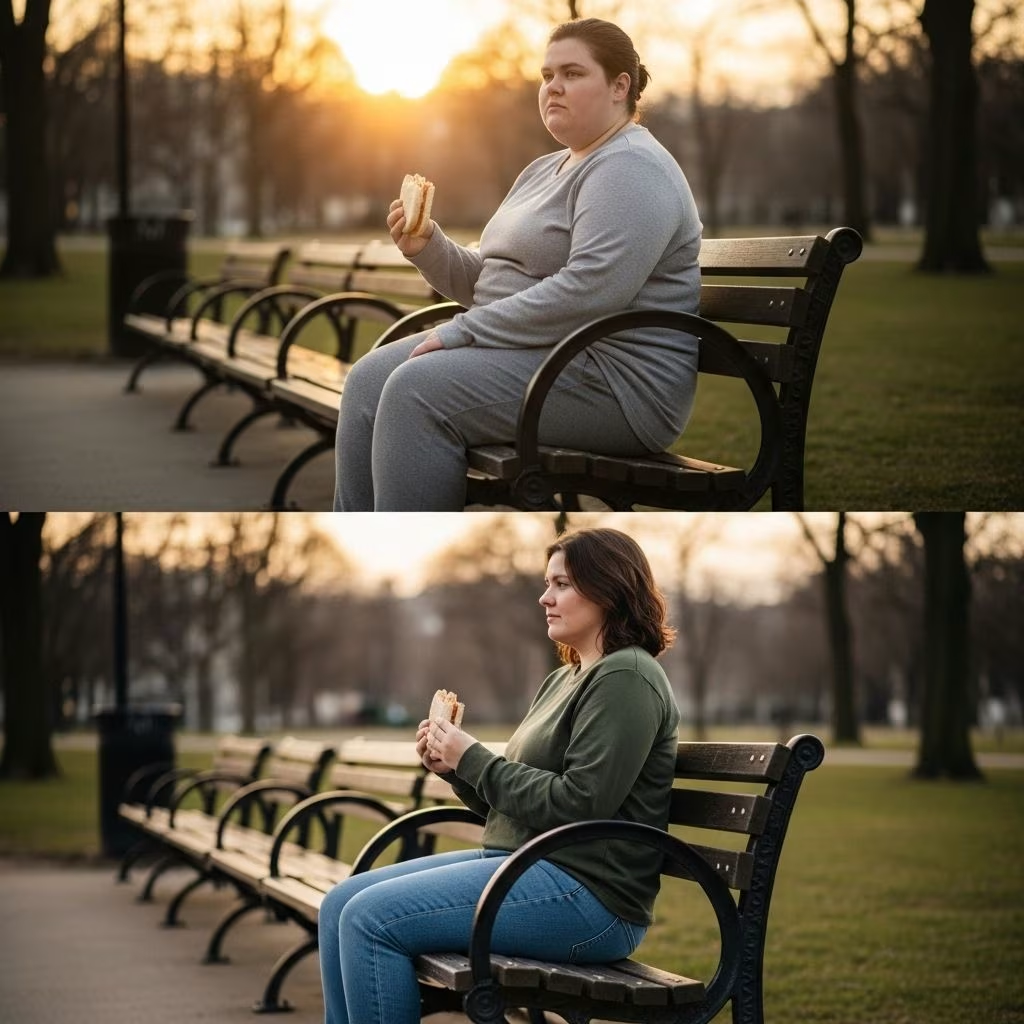
Losing a significant amount of weight is often seen as a life-altering triumph—one that will not only transform your body, but also every aspect of your daily experience. However, the reality of weight loss, especially major loss like 50 pounds, is more nuanced. While some changes are dramatic, other things may remain entirely unchanged, sometimes in surprising ways. Understanding these realities helps set realistic expectations and supports lasting well-being.
1. Your Core Personality Remains the Same
Contrary to the promise of self-help culture, losing weight doesn’t suddenly convert you into a new person. The fundamental aspects of who you are—your sense of humor, your anxieties, your passions—are largely independent of body weight. The work you put into your weight loss is significant, but personality traits formed over years don’t vanish alongside pounds. Many discover that their interests, tendencies, and the way they relate to others hold steady, regardless of changes in fitness or dress size.
- Benefits of weight loss may include higher energy, but introversion or extroversion, creativity, and temperament are enduring qualities.
- Self-reflection and therapy, not just physical transformation, are instrumental for deep personality change.
2. Body Image Struggles Don’t Automatically Disappear
Many people embark on a weight loss journey hoping it will finally resolve years of negative body image. In reality, the emotional patterns tied to self-perception are complex. Physical changes don’t automatically rewire the inner critic. It’s possible to reach a target weight and still mentally wrestle with insecurities, perceived flaws, or lingering anxieties about appearance.
- Body image is shaped by long-term cultural messaging, not just body measurements.
- Without conscious mental work, self-criticism can persist even when weight goals are met.
3. Relationships Don’t Magically Improve
Weight loss is sometimes anticipated as a fix for struggling relationships or challenging social dynamics. However, friction with loved ones, friends, or colleagues is rarely just about body size. Communication patterns, trust, and compatibility remain just as crucial after weight loss as they were before.
- If you had a complicated relationship before losing weight, the core issues likely still exist.
- Genuine connection depends on communication and acceptance more than physical change.
4. Daily Stressors Still Exist
Losing weight doesn’t eliminate the regular pressures of everyday life. Work deadlines, family responsibilities, financial concerns, and unexpected setbacks don’t disappear along with pounds. While healthy habits can provide tools for coping with stress, they don’t remove the need to address the sources of anxiety directly.
- Managing stress requires holistic self-care and practical solutions beyond physical transformation.
- New stressors (like worrying about weight regain) may even emerge post-weight loss.
5. Food Can Still Be Emotional
Whether it’s celebrating with cake, managing sadness with comfort food, or bonding over shared meals, our relationship with food is deeply emotional. Losing weight usually requires a new approach to eating, but the underlying associations—using food for comfort, distraction, or reward—often persist.
- Sustainable weight management means developing awareness of emotional eating patterns.
- For many, ongoing effort is needed to separate nourishment from emotional coping mechanisms.
6. Clothes Shopping Isn’t Suddenly Effortless
Many expect that, by reaching a lower weight, shopping for clothes will become joyful and straightforward. While there may be more options available, the experience can remain fraught—finding the right fit, style, or feeling comfortable in new cuts is not guaranteed.
- Body proportions, comfort levels, and personal style dilemmas don’t instantly resolve with weight loss.
- Shopping can remain a source of anxiety if confidence is still a work in progress.
7. External Validation Isn’t a Cure-All
Compliments and positive reactions from others can be motivating, yet external validation tends to be short-lived. If self-worth relies heavily on others’ opinions, the emotional highs and lows will continue regardless of weight changes. True satisfaction comes from internal acceptance and self-appreciation, rather than external praise alone.
- Self-esteem requires deep internal work, not just positive feedback from others.
- Some may even struggle with increased attention, feeling uncomfortable or objectified.
8. Old Habits Are Hard to Break
Dropping weight doesn’t necessarily mean dropping old routines or ingrained habits. Unhealthy tendencies, such as mindless snacking or skipping workouts, can easily resurface, especially under stress. Lasting change demands ongoing self-awareness and conscious effort to sustain new behaviors.
- Establishing enduring habits around food and movement is a continuous process.
- Vigilance is needed to prevent slipbacks, particularly during life’s challenging periods.
9. Medical Issues May Persist
While weight loss can alleviate certain health problems, not all medical issues are solved by dropping pounds. Genetics, pre-existing conditions, or new concerns can linger. It’s important to maintain regular check-ups and not rely on weight loss alone as a panacea for health.
- Conditions like thyroid dysfunction, hormonal imbalances, or autoimmune disorders may remain.
- Health is multi-faceted, and weight is only one component.
10. Weight Maintenance is an Ongoing Effort
Losing the weight is only part of the journey. Keeping it off requires daily vigilance, planning, and sometimes new strategies. The struggle with plateaus, cravings, or lack of motivation does not disappear once a goal weight is reached.
- Commitment to maintenance is a lifelong process.
- Developing routines for sustainable eating, movement, and self-care is essential.
11. Societal Pressures and Stereotypes Don’t Vanish
Even after dramatic weight loss, societal attitudes and stereotypes about bodies, health, and attractiveness often remain. Societal pressure to look or act a certain way can still weigh heavily, irrespective of accomplishment.
- Cultural beauty standards are persistent and often unattainable for everyone.
- Ongoing scrutiny or unsolicited comments may still happen, simply focused on different aspects.
12. Happiness Isn’t Guaranteed by a Number on the Scale
The belief that a certain weight will guarantee happiness is widespread, but often misleading. While achieving weight-loss milestones can bring pride or satisfaction, true happiness typically depends on a web of factors, including meaningful relationships, purpose, mental health, and self-acceptance.
- Well-being is holistic; it cannot be reduced to body size alone.
- Setting diverse, value-driven goals supports a more fulfilling transformation.
How to Cultivate Lasting Change Beyond Weight Loss
Weight loss can be empowering, but its impact is amplified when paired with strategies for emotional health and personal growth:
- Practice self-compassion: Celebrate effort, not just outcomes.
- Seek professional support: Therapy or counselling can address longstanding habits or self-image issues.
- Focus on non-scale victories: Improved sleep, mobility, or confidence matter, too.
- Connect with others: Healthy change is easier with support from friends, family, and community.
Table: Weight Loss Expectations vs. Reality
| Expectation | Reality |
|---|---|
| All insecurities will disappear | Self-criticism may persist |
| Relationships will thrive | Underlying issues may remain |
| Shopping will be a joy | Body confidence takes time |
| Health will be perfect | Some conditions are unchanged |
| Life will be easier in all ways | New challenges can emerge |
Frequently Asked Questions (FAQs)
Q: Why do some things stay the same even after losing weight?
A: Deep-seated patterns, habits, and self-perceptions are often rooted in years of experience and social conditioning. Weight loss changes your body, but your mindset and daily realities may require separate, ongoing work to transform.
Q: Can weight loss improve happiness?
A: Weight loss can boost self-confidence and health, but it’s rarely a cure-all. Long-term happiness is built through fulfilling relationships, purpose, and self-acceptance, not just hitting a number on the scale.
Q: How should I handle disappointment after weight loss?
A: It’s natural to feel let down if the anticipated life changes don’t materialize. Recognize that transformation is ongoing—consider seeking support, setting new goals, or focusing on what’s improved beyond appearance.
Q: Is it normal to still struggle with food or emotional eating?
A: Yes, emotional connections to food are deeply ingrained. Ongoing reflection, professional help, and mindful strategies are important for managing these patterns after weight loss.
Practical Tips for Navigating Post-Weight Loss Reality
- Write about your journey: Journaling can clarify the changes you’ve experienced and those that remain unchanged.
- Connect with a support group: Sharing with others who understand can provide validation and fresh perspectives.
- Set new, holistic goals: Consider mental health, hobbies, career, and relationships alongside fitness.
- Embrace self-care practices: Mindfulness, gratitude, and positive self-talk support emotional well-being.
- Remember you are more than your weight: Celebrate all aspects of your identity.
Weight loss is significant, but it is only one part of the larger mosaic of identity, happiness, and health. Recognizing what does—and doesn’t—change sets the foundation for a balanced, rewarding journey ahead.
References
- https://www.prevention.com/weight-loss/a20476069/surprising-weight-loss-obstacles/
- https://www.prevention.com/weight-loss/g20496025/your-biggest-mistakes-when-losing-50-plus-pounds/
- https://www.prevention.com/weight-loss/g20504644/10-mistakes-when-starting-a-diet/
- https://www.prevention.com/fitness/a20494968/7-reasons-your-walks-dont-burn-calories/
- https://www.prevention.com/weight-loss/g20493212/12-things-that-didnt-change-at-all-when-i-lost-50-pounds/
- https://www.prevention.com/food-nutrition/g25618828/not-losing-weight/
- https://www.prevention.com/weight-loss/a20451902/12-ways-to-lose-weight-without-dieting/
- https://www.prevention.com/weight-loss/a65316143/dna-impact-weight-loss-study/
- https://www.prevention.com/weight-loss/a20483977/best-weight-loss-foods/
- https://magazine.ucsf.edu/weight-loss-drugs-too-good-to-be-true


