


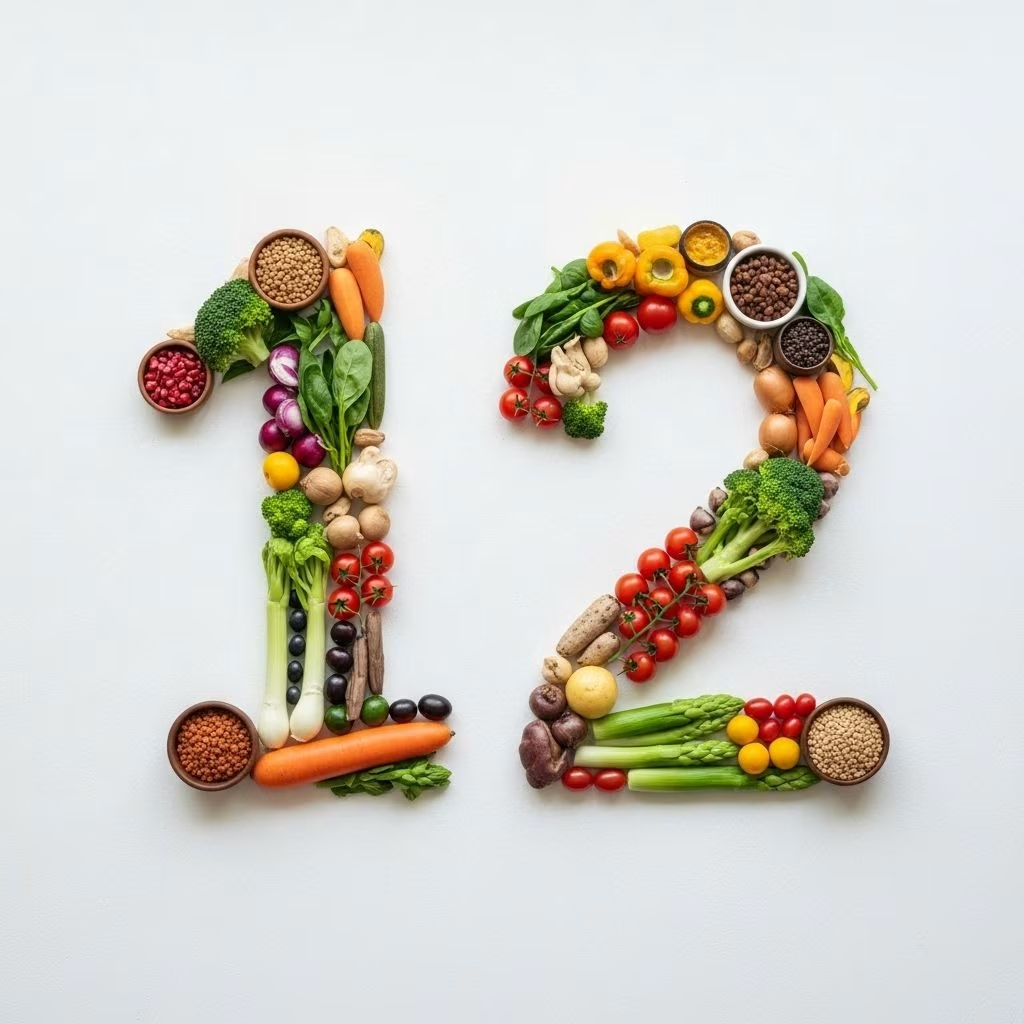
Adopting new eating habits can feel overwhelming, but lasting weight loss is rarely about crash diets or brief spurts of discipline. It’s about embracing changes that fit your life, satisfy your hunger, and nourish your body. Below, you’ll find twelve expert-backed eating habits that not only help you shed pounds but also keep them off without constant deprivation.
1. Start Each Day with a Healthy Breakfast
Eating a balanced breakfast is more than a morning ritual—it’s a cornerstone habit for weight management. Those who consistently eat breakfast tend to have a healthier body weight, better focus, and greater energy throughout the day. A protein-rich breakfast (think Greek yogurt with berries or eggs and vegetables) stabilizes hunger hormones and curbs cravings, setting you up for better choices at later meals. If you dislike breakfast, listen to your body, but for most, a morning meal is a practical strategy for avoiding intense hunger and overeating later.
2. Never Skip Meals—Consistency Counts
It may be tempting to skip meals in hopes of saving calories, but research shows this usually backfires. Skipping meals slows your metabolism and increases the likelihood of overeating when hunger inevitably strikes. Keeping to regular meals stabilizes your energy, helps manage cravings, and keeps stress hormones (like cortisol) at bay, all of which are crucial for weight loss.
3. Fill Half Your Plate with Vegetables
Vegetables are stars of any weight-loss plan. They’re high in fiber and nutrients but low in calories, which means you can eat satisfying portions without excess energy intake. By covering half your plate with colorful veggies at every meal, you boost fullness, improve digestion, and crowd out more calorie-dense foods. This simple plate adjustment also encourages variety and greater micronutrient intake.
4. Embrace Healthy Fats
Dietary fat doesn’t have to be feared—it’s essential for satisfaction and nutrient absorption. The key is choosing healthy fats, such as those from avocados, nuts, seeds, olive oil, and fatty fish. Healthy fats can help regulate hunger, prevent sugar cravings, and support stable blood sugar. Including small amounts of fat in meals and snacks curbs hunger and improves the flavor and enjoyment of your food.
5. Drink Water Before Every Meal
Hydration and satiety go hand in hand. Drinking a glass of water before meals can support digestion, help manage appetite, and sometimes prevent unnecessary snacking that comes from confusing thirst with hunger. Water also replaces sugar-laden beverages, shaving off extra calories while making you feel more energized.
6. Keep a Food Journal
Awareness is a powerful tool. Keeping a written or digital log of everything you eat increases mindfulness, reveals hidden eating patterns, and helps you stay accountable. People who journal their food are more likely to lose weight and keep it off, as it uncovers habits like mindless munching and helps you identify ways to improve food choices and portion sizes.
7. Prioritize Minimally Processed Foods
Ultra-processed foods are engineered for taste but can undermine weight loss efforts, disrupt metabolism, and increase cravings. In contrast, minimally processed foods—think whole grains, fresh produce, lean proteins, and legumes—are rich in fiber and protein, more satiating, and less likely to lead to overeating. Minimally processed diets not only support weight loss but also foster better gut health and long-term metabolic function.
8. Tame Your Sweet Tooth by Avoiding Sugary Drinks
Liquid calories add up fast, and sugary drinks like soda, sweetened teas, and juices can sabotage weight loss without providing true fullness. Swapping these for water, unsweetened teas, or sparkling water can dramatically lower overall calorie intake and help reduce the desire for sweets.
9. Eat Mindfully, Without Distractions
Distraction-free eating allows you to savor your food and recognize natural cues of hunger and fullness. Mindful eating means sitting down, removing screens, and focusing on your meal’s flavors, textures, and aromas. This practice increases satisfaction, reduces overeating, and helps reconnect with the body’s hunger and fullness signals.
10. Get Adequate Sleep Every Night
Sleep is a hidden pillar of weight loss. Insufficient sleep can disrupt hormones that control appetite (ghrelin and leptin), slow metabolism, and increase cravings, especially for high-calorie foods. Aim for at least seven hours of restorative sleep each night to support healthy weight management.
11. Plan for Healthy Snacks
Having wholesome snacks on hand keeps hunger in check between meals and prevents impulsive, less healthy choices. Opt for snacks that deliver satisfaction with a mix of fiber, protein, and healthy fats, such as apple slices with almond butter, a boiled egg with veggies, or Greek yogurt with chia seeds.
12. Build Your Routine on Small, Consistent Changes
Big, dramatic diet overhauls aren’t necessary—and often aren’t sustainable. Research consistently shows that small, steady changes to eating patterns (like swapping white bread for whole-grain, or adding five minutes of daily activity) lead to greater long-term weight loss than extreme measures. Focus on making one or two small adjustments at a time, then build from there.
Table: Ultra-Processed Food vs. Minimally Processed Food
| Ultra-Processed Food | Minimally Processed Food |
|---|---|
| Packaged snacks, sweetened cereals, processed meats | Fresh fruits, vegetables, lean proteins, whole grains |
| Often high in added sugar, refined grains, and additives | Rich in fiber and protein, low in additives |
| May lead to cravings and metabolic issues | Supports fullness and steady energy |
Frequently Asked Questions (FAQs)
Q: Can small eating habit changes really make a big difference in weight loss?
A: Absolutely. Research finds that incremental shifts, such as tracking meals or adding vegetables, are more sustainable and effective long-term than extreme diets.
Q: How do ultra-processed foods affect weight loss?
A: Ultra-processed foods are engineered to be hyper-palatable—which can override satiety signals, encourage overeating, and undermine metabolic health even when calorie content appears similar to whole foods.
Q: What if I dislike eating breakfast?
A: If you truly aren’t hungry in the morning, don’t force breakfast. However, for many people it helps control hunger, improve metabolism, and set the stage for better food choices throughout the day.
Q: Does keeping a food journal really help me lose weight?
A: Yes. Logging your meals creates awareness, reveals eating patterns, and increases accountability, making it easier to spot habits that support or undermine your goals.
Q: Why is sleep so important for weight loss?
A: Sleep regulates hormones that govern appetite, hunger, and energy use. Lack of sleep increases cravings, slows metabolism, and raises cortisol levels—all of which make losing weight harder.
Expert Tips for Success
- Set realistic goals: Focus on incremental progress, not perfection.
- Don’t deprive yourself: Allow for treats in moderation; this aids consistency.
- Find support: Enlist friends or join a supportive community for accountability.
- Be patient: Sustainable weight loss is gradual and reflects a shift in overall habits, not quick fixes.
- Celebrate non-scale victories: Notice improvements in energy, sleep, and overall well-being.
Final Thoughts
Long-term weight management isn’t about dietary heroics—it’s the accumulation of small, positive changes. Start by adopting one or two habits from this list and gradually expand. Your journey is unique, but with consistency and self-compassion, these core eating habits can help you lose weight and feel your best for years to come.
References
- https://www.prevention.com/food-nutrition/healthy-eating/a65664887/ultra-processed-foods-weight-loss-gut-health-study/
- https://www.prevention.com/weight-loss/diets/a60578947/how-to-lose-weight-fast-safely/
- https://www.prevention.com/weight-loss/a20505548/small-changes-that-take-off-big-pounds/
- https://www.prevention.com/weight-loss/g20494462/eating-habits-for-weight-loss/
- https://www.prevention.com/weight-loss/
- https://www.prevention.com/weight-loss/a20504111/signs-of-poor-diet/
- https://www.prevention.com/weight-loss/a20500235/intermittent-fasting/
- https://www.prevention.com/food-nutrition/g29504714/weight-loss-foods/
- https://www.prevention.com/weight-loss/diets/a20718413/apple-cider-vinegar-for-weight-loss/
- https://www.prevention.com/weight-loss/a20501539/how-to-maintain-weight-loss/


