


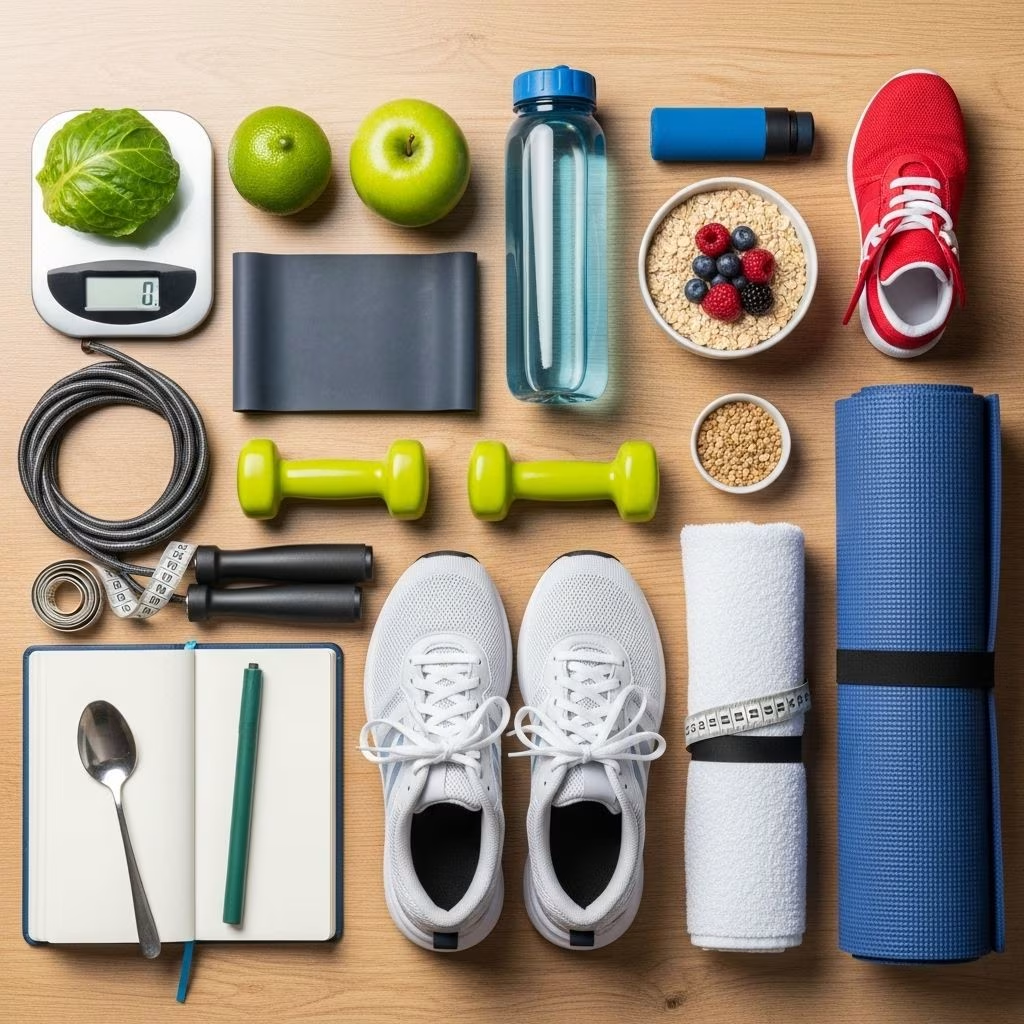
Losing weight, especially when it feels like a daunting journey, requires more than simply adjusting your diet or spending extra time at the gym. Success comes from a combination of mindset, nutrition, movement, and lifestyle habits that support sustainable change for the long haul. This comprehensive guide covers 50 easy-to-implement steps for getting started with weight loss, overcoming plateaus, building resilience, and achieving the energy, confidence, and health you deserve.
Why Do You Want to Lose Weight?
Understanding your core motivation for wanting to lose weight is key. Connecting with your deepest reasons gives you the power to push through tough moments. Whether you want more energy to play with your kids, to feel comfortable in your clothes, or pursue a passion without physical limitations, having a clear why grounds your journey and keeps you focused when motivation dips.
Believe in Your Ability
Self-belief is one of the greatest predictors of successful behavior change. If you believe you can succeed, you are far more likely to do so. Confidence in your ability to organize and execute new habits is crucial—even when progress feels slow. Remind yourself of challenges you have overcome before, and know that you possess the inner strength needed for this journey.
Set Realistic, Measurable Goals
Setting a goal transforms a vague wish into a concrete plan. Instead of aiming to “lose 25 pounds,” set a specific weight target and map out the smaller steps needed to get there. Research shows people are much more likely to succeed if they write down their goals and break them into actionable chunks. Tracking your progress by weighing yourself, taking body measurements, or noting changes in how your clothes fit can keep you motivated and help you see progress even when the scale stalls.
Break Big Goals Into Bite-Sized Milestones
Large goals can feel overwhelming. Divide them into more manageable pieces, such as “lose 5 pounds” or “walk 30 minutes daily” for the next week. Celebrate each mini-victory along the way, building momentum as your confidence grows.
Channel Your Inner Toddler: Practice Relentless Curiosity
Young children constantly ask questions and experiment without fear of failure. Replicate this curiosity by trying new foods, different workouts, or alternative routines until you find what suits you best. Accept mistakes as part of the process, not reasons to give up. Every setback is a chance to learn and readjust.
Reconnect with Mindful Eating
Mindful eating is about paying full attention to your eating experiences without judgement. Try these steps:
- Eat without distractions. Turn off screens and focus on your food.
- Notice flavors, textures, and smells.
- Pause between bites and check in with your hunger level.
- Stop eating when you’re comfortably satisfied, not stuffed.
Eat Real, Whole Foods
Base your meals on foods as close to their natural state as possible. Fill your plate with:
- Fresh fruits and vegetables
- Whole grains like quinoa, brown rice, or oatmeal
- Lean proteins, such as chicken, fish, tofu, or beans
- Healthy fats from avocados, nuts, seeds, and olive oil
Limit processed foods with long ingredient lists and added sugars, as they often derail weight loss and trigger cravings.
Master Portion Control
Portion sizes have increased dramatically over the years. Overeating even healthy food can sabotage your efforts. Use these portion shortcuts:
- A clenched fist = 1 cup of starchy carbs (such as rice or pasta)
- Palm of your hand = 4 ounces of lean protein
- 2 tablespoons (your thumb) = healthy fats roughly the size of your thumb
- Vegetables = unlimited; fill up on leafy greens and colorful veggies
At restaurants, order a starter and a salad, split entrees, or box up half your meal before you begin eating.
Don’t Skip Meals
Skipping meals may seem like a quick way to cut calories, but it often leads to excessive hunger and overeating later in the day. Fuel yourself with three balanced meals—plus snacks if needed—to steady blood sugar and prevent binges.
Plan and Prepare Balanced Meals
Balanced meals keep cravings at bay and energy steady. Each meal should include:
- Protein (chicken, eggs, tofu, beans)
- Fiber-rich carbs (whole grains, starchy veggies)
- Healthy fat (olive oil, nuts, avocado)
- Lots of non-starchy vegetables
Prep ingredients or batch cook meals so you always have healthy options on hand.
Hydrate: Drink Plenty of Water
Dehydration can be mistaken for hunger and trigger snacking. Aim for at least 8 glasses of water daily. If plain water bores you, flavor it with slices of citrus, cucumber, or fresh herbs. Try drinking a glass before meals to help prevent overeating.
Move More, Sit Less
Physical activity is key for weight loss and overall health. You don’t need to become a marathoner. Incorporate movement into your day:
- Walk as often as possible—aim for 10,000-15,000 steps daily
- Take the stairs instead of the elevator
- Bike to run errands
- Walk or stretch during phone calls or breaks
- Dance, garden, or play with pets or kids to stay active
Remember, consistency beats intensity. Even moderate activity yields big health rewards over time.
Track Your Progress
Keeping track of your journey helps maintain momentum. Use a journal, app, or spreadsheet to record:
- Body weight (weekly)
- Measurements (waist, hips, arms, chest, thighs)
- Energy levels
- Daily food and water intake
- Mood and sleep quality
If the scale isn’t moving, measure inches lost—you may be gaining muscle and losing fat at the same time.
Be Your Own Cheerleader
Celebrate small wins and speak kindly to yourself. Setbacks are part of any meaningful change. If you stumble, forgive yourself instantly and get back on track in the next moment. Positive self-talk and resilience enable you to bounce back from slip-ups instead of spiraling into old habits.
Remember: Good Things Take Time and Effort
Like any significant life change, healthy weight loss involves time, patience, and consistent effort. Some days will be easier, and others will require grit. Allow yourself to be a work in progress—focus on building habits that you can sustain, and let the results follow.
Smart Eating Habits to Adopt
- Eat when you’re genuinely hungry, stop at 80% full. Tune into your body’s signals and avoid eating out of boredom or stress.
- Cut out unnecessary sugars. Swap sugary drinks and snacks for water, herbal tea, or fruit.
- Swap refined grains for whole grains. Choose brown rice, oats, or quinoa instead of white bread or pasta.
- Include protein every meal. Protein takes longer to digest, keeps you feeling satisfied, and supports muscle maintenance.
Top 10 Tips for Lasting Weight Loss
- Eat whole foods: Choose foods with minimal processing and ingredient lists you can pronounce.
- Move your body every day: Incorporate movement you enjoy, from walking to dancing or yoga.
- Get enough sleep: Lack of sleep disrupts hormones that regulate appetite and slows metabolism.
- Manage stress: Practice deep breathing, meditation, or hobbies to keep stress hormones in check.
- Set realistic goals and track progress: Measure more than just the scale; non-scale victories count!
- Cook at home more often: You control the ingredients, portion sizes, and preparation methods.
- Limit alcohol: Calories from drinks add up quickly and can weaken resolve.
- Forgive yourself and move on after setbacks: One mistake won’t derail your whole journey.
- Enlist support: Share your goals with a friend, join a group, or work with a professional for accountability.
- Prioritize nutrition over perfection: Aim for a well-balanced, enjoyable diet, not one defined by restriction.
How to Handle Common Weight Loss Plateaus
- Change up your exercise routine: Challenge different muscle groups or swap activities to keep your body guessing.
- Reassess calorie intake: As you lose weight, your calorie needs decrease. Make gradual adjustments.
- Increase non-exercise activity: Fidget, take more steps, and avoid prolonged sitting.
- Focus on sleep and stress: Poor sleep and high stress slow progress significantly.
Quick Table: Portion Control Guide
| Food Group | Recommended Serving | Visual Cue |
|---|---|---|
| Protein | 3-4 oz | Palm of hand |
| Starchy Carbs | 1 cup | Fist |
| Fats | 2 tbsp | Thumb |
| Vegetables | Unlimited | Half of plate |
| Fruit | 1 piece or 1 cup | Fist |
Frequently Asked Questions (FAQs)
Q: Can I lose weight without exercising?
A: Yes, weight loss is primarily driven by nutrition. While exercise supports overall health and helps with muscle maintenance, creating a calorie deficit through mindful eating and portion control can lead to weight loss without formal exercise.
Q: How fast should I expect to lose weight?
A: A healthy rate is 0.5 to 2 pounds per week. Progress may vary person to person and week to week. The focus should be on building sustainable habits, not quick fixes.
Q: What if I slip up and eat junk food?
A: Occasional indulgences will not derail your success. Instead of feeling guilty, enjoy your treat, and return to your healthy habits at the next opportunity.
Q: Which foods should I always include?
A: Prioritize fruits, vegetables, lean proteins, whole grains, and healthy fats. These foods are filling, nutrient-dense, and help you feel energized.
Q: Do I need to track calories every day?
A: While calorie tracking can be helpful initially, focusing on portion sizes and balanced meals may be more sustainable long term. Listen to your hunger and fullness cues.
Troubleshooting: When Motivation Slips
- Revisit your why: Remind yourself of the specific reasons you started.
- Set new mini-challenges: Try a new ingredient or class, or invite a friend for accountability.
- Celebrate non-scale victories: Notice improved energy, mood, sleep, or performance.
- Practice gratitude: Each healthy choice is a step forward, no matter how small.
Final Thoughts: Your Personalized Roadmap to Success
There’s no single perfect path to weight loss. The most effective approach is one you can maintain and enjoy. Focus on steady progress, keep your expectations realistic, and fill your journey with patience, self-compassion, and a willingness to learn. By applying these 50 practical strategies, you are already on your way to a healthier, happier you.
References
- https://www.prevention.com/weight-loss/g20494908/how-to-start-losing-weight/
- https://www.prevention.com/weight-loss/diets/g20440614/25-best-weight-loss-tips-ever/
- https://www.prevention.com/weight-loss/a30188568/lose-weight-without-exercise-0/
- https://www.prevention.com/weight-loss/g20490240/10-rules-to-live-by-for-long-lasting-weight-loss/
- https://www.prevention.com/health/a65401665/expert-walking-tips-weight-loss/
- https://www.prevention.com/weight-loss/
- https://www.prevention.com/weight-loss/a20501539/how-to-maintain-weight-loss/
- https://www.prevention.com/weight-loss/a35052186/how-to-lose-weight-any-age/
- https://www.prevention.com/weight-loss/g20482528/this-is-your-perfect-day-for-weight-loss/


