


5 Proven Lunch Hacks for Lasting Weight Loss Success
Lunch is often an overlooked meal, either hastily thrown together, eaten on the run, or skipped altogether. Yet, nutrition experts know that strategic midday choices can have a powerful impact on weight loss and overall health. Registered dietitian Lauren Harris-Pincus, who successfully lost 50 pounds and maintained her results for years, shares five science-backed lunch hacks that can transform your routine, reduce calorie intake, and help you stay on track with your weight goals—without sacrificing flavor or satiety.
Why Lunch Matters More Than You Think
Lunch is crucial for refueling your body and mind, maintaining stable blood sugar, and preventing the afternoon energy slump or mindless munching. Skimping on lunch (or grabbing whatever is convenient) can sabotage your efforts, often leading to overeating later or making poor dietary decisions out of sheer hunger and fatigue. Set yourself up for weight loss success by putting intention and structure into your midday meal.
1. If You’re Eating Out, Plan Your Spot an Hour Ahead
Making smart lunch decisions starts long before you sit down to eat. Harris-Pincus recommends choosing your lunch spot at least an hour before you plan to eat. This proactive approach reduces impulse ordering and lowers the chance that hunger will undermine your willpower. Scientific evidence supports this: a study in the journal Appetite showed that people who ordered their lunch 45 minutes before eating consumed 145 fewer calories and nearly 9 fewer grams of fat compared to those making on-the-spot decisions.
- Make your lunch plans early in the day: Commit to a restaurant or meal in advance. Sticking to your pre-made decision is easier when you’re not already hungry.
- Review the menu beforehand: Most restaurants list their menus online. Pick healthy options with a balance of protein, complex carbohydrates, and healthy fats.
- Order ahead when possible: Many places allow you to pre-order for faster, less stressful pickup.
By planning ahead, you feel in control and more likely to prioritize your goals over temporary cravings.
2. Don’t Expect Your Lunch to Last Until Dinner
It’s a common mistake: piling extra food onto your lunch plate to ‘power through’ the afternoon. But eating a huge meal at midday not only adds unnecessary calories but also rarely wards off the 4 PM hunger slump. Harris-Pincus advises eating a well-balanced lunch that provides just enough energy, complemented by healthy, pre-planned snacks for later in the day.
- Include moderate portions at lunch: Focus on satisfying, nutrient-dense foods—lean proteins, fiber-rich grains, and plenty of vegetables.
- Don’t skip snacks: Have ready-to-eat snacks like apples, bananas, almonds, or carrot sticks available for when hunger returns in the afternoon.
- Mind the afternoon energy dip: Small, healthy snacks prevent both mental fatigue and post-work overeating.
Sample healthy snacks for work:
- Single-serving packs of nuts or trail mix
- Fresh fruit such as oranges or grapes
- Low-fat Greek yogurt or string cheese
- Vegetable sticks with hummus
- Air-popped popcorn
3. Put Veggies on Your Plate First
Most people don’t eat enough vegetables—but Harris-Pincus’s best hack ensures you don’t fall short midday: Load your plate with veggies first! Whether you’re hitting the cafeteria, making your own salad, or assembling a grain bowl, always start with greens and vegetables. Not only are veggies low in calories, they’re packed with fiber, micronutrients, and water to keep you fuller for longer without excess calories.
- Fill at least half your plate with vegetables: Think leafy greens, peppers, cucumbers, tomatoes, broccoli, and roasted root veggies.
- Don’t be shy—ask for double servings: Cafeterias or delis may serve small scoops by default, so request extra to meet your goals.
- Add color and variety: Different veggies offer unique nutrients and flavors, so mix things up for both enjoyment and nutrition.
Vegetable-focused lunch ideas:
- Big salad bowls topped with grilled chicken or beans, seeds, and vinaigrette
- Wraps with roasted vegetables, hummus, and turkey breast
- Veggie stir-fries over brown rice or quinoa
4. Protect Your Lunch for Better Motivation
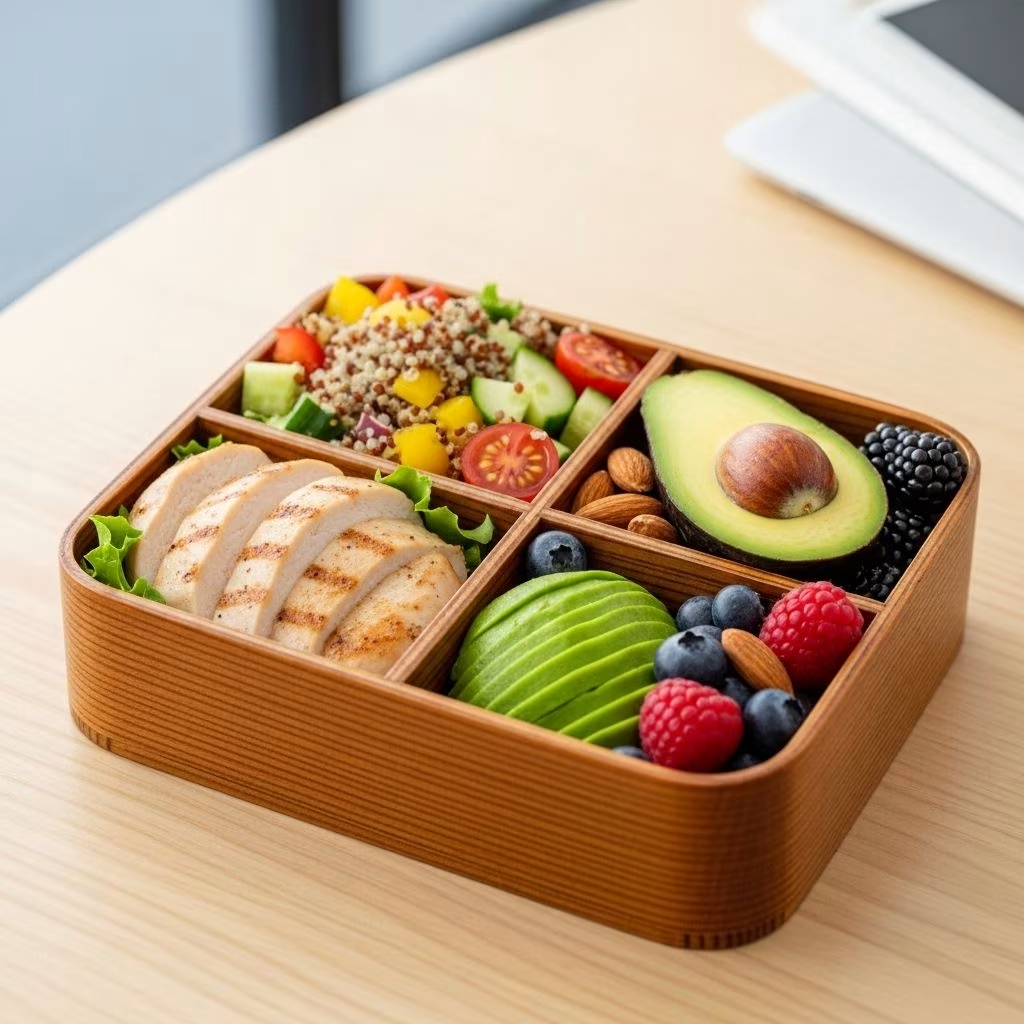
Packing your lunch almost always leads to healthier, more cost-effective choices, but the experience counts. Nothing kills enthusiasm for healthy eating faster than soggy sandwiches or wilted greens after a long commute. Harris-Pincus recommends investing in quality, packable gear—think microwave-safe glass containers, insulated totes, or stylish bento boxes—to keep your food fresh, appetizing, and safe.
- Use sturdy, BPA-free containers: Glass or heavy-duty plastic protects your meal better than worn-out containers.
- Insulated bags or freezable lunchboxes: Keep your food cool and fresh during the commute or workday.
- Pre-portioned compartments: Bento-style boxes let you separate veggies, dips, proteins, and grains for maximum appeal and no sogginess.
- Microwave and dishwasher safe: Choose gear that makes prepping, reheating, and cleaning simple and convenient.
Bonus: Packing with care helps you look forward to lunch, reinforcing your commitment and associating healthy habits with pleasure rather than sacrifice.
5. Make Lunch Enjoyable—Not a Diet Punishment
Repeatedly eating bland or uninspired lunches can make healthy habits hard to sustain. Harris-Pincus’s approach is flexible, flavorful, and aimed at satisfaction. Lunch doesn’t have to mean sad salads or skipping carbs. Instead:
- Rotate your core proteins and vegetables: Try different lean meats (chicken, turkey, fish), plant-based proteins (tofu, beans, lentils), and a colorful array of vegetables.
- Incorporate healthy fats: Top salads with a sprinkle of nuts, seeds, or a quarter of an avocado for richness and extra staying power.
- Flavor with herbs, spices, and citrus: Enhance your meal’s aroma and appeal without added calories.
- Prepare DIY meal kit lunches: Pack a variety of mix-and-match components, such as grains, proteins, veggies, and healthy dressings, for easy assembly and variety throughout the week.
Enjoying your meals is key to sticking with your weight loss plan for the long run.
Sample Lunch Plate for Weight Loss
| Food Group | Suggested Portion | Example Choices |
|---|---|---|
| Vegetables | 50% of plate | Spinach, arugula, roasted peppers, cucumber, tomato |
| Protein | ¼ plate | Grilled chicken, beans, tofu, tuna |
| Whole Grains | ¼ plate | Brown rice, quinoa, barley, whole-grain pita |
| Healthy Fats | 1-2 tbsp | Avocado, olive oil, nuts |
| Fruit (optional) | Small serving | Fresh berries, orange slices, apple |
This simple breakdown ensures balanced nutrition, satiety, and sustained energy throughout the afternoon.
Frequently Asked Questions (FAQs)
Q: Can I lose weight just by changing my lunch habits?
A: Adjusting your lunch routine—especially by eating more vegetables, planning ahead, and controlling portions—can make a meaningful difference, especially when combined with similar habits at breakfast and dinner.
Q: How can I stay full between lunch and dinner without overeating?
A: Focus on a lunch balanced in fiber, protein, and healthy fats. Prepare healthy snacks like whole fruit or nuts to tide you over during the afternoon energy dip.
Q: What are some quick, packable lunch ideas for weight loss?
A: Try grain bowls with quinoa, vegetables, and grilled chicken; salad jars layered with beans, greens, and vinaigrette; or wraps stuffed with lean protein and a rainbow of veggies.
Q: Is it better to eat the same lunch every day or mix it up?
A: Variety helps prevent boredom and ensures diverse nutrients, but some people find that a consistent formula with rotated ingredients is easier to stick to. Both strategies can be effective if the meals are varied in color and content.
More Lunch Tips for Weight Loss Success
- Drink water before and during lunch: Staying hydrated curbs excess hunger.
- Mind your environment: Eat in a calm, dedicated space whenever possible to stay aware of portions and satisfaction cues.
- Resist multitasking: Avoid eating at your desk or while distracted, which can lead to overeating.
- Batch prep ingredients: Wash and chop veggies, cook grains, and portion proteins in advance for quicker meal assembly.
- Use herbs and low-sodium seasonings: Enhance flavor without adding extra sugars, fats, or calories.
With the right approach, lunch can become a highlight of your weight-loss journey—nourishing, motivating, and genuinely enjoyable. These lunch hacks empower you to navigate busy days, plan ahead, and make choices that move you closer to your goals.
References
- https://www.prevention.com/weight-loss/a20498403/5-lunch-hacks-for-weight-loss/
- https://www.prevention.com/food-nutrition/g42100898/lunch-ideas-for-weight-loss/
- https://www.prevention.com/weight-loss/g20482528/this-is-your-perfect-day-for-weight-loss/
- https://www.prevention.com/weight-loss/a20455692/how-to-eat-less-effortlessly/
- https://www.prevention.com/weight-loss/g20494462/eating-habits-for-weight-loss/
- https://www.prevention.com/food/healthy-eating-tips/trick-yourself-eating-less
- https://www.prevention.com/weight-loss/a20456360/400-calorie-meals-how-to-get-started/
- https://www.prevention.com/weight-loss/a20470409/weight-loss-mistakes-youre-making-at-work/
- https://www.prevention.com/food-nutrition/g41055022/low-calorie-meals/


