


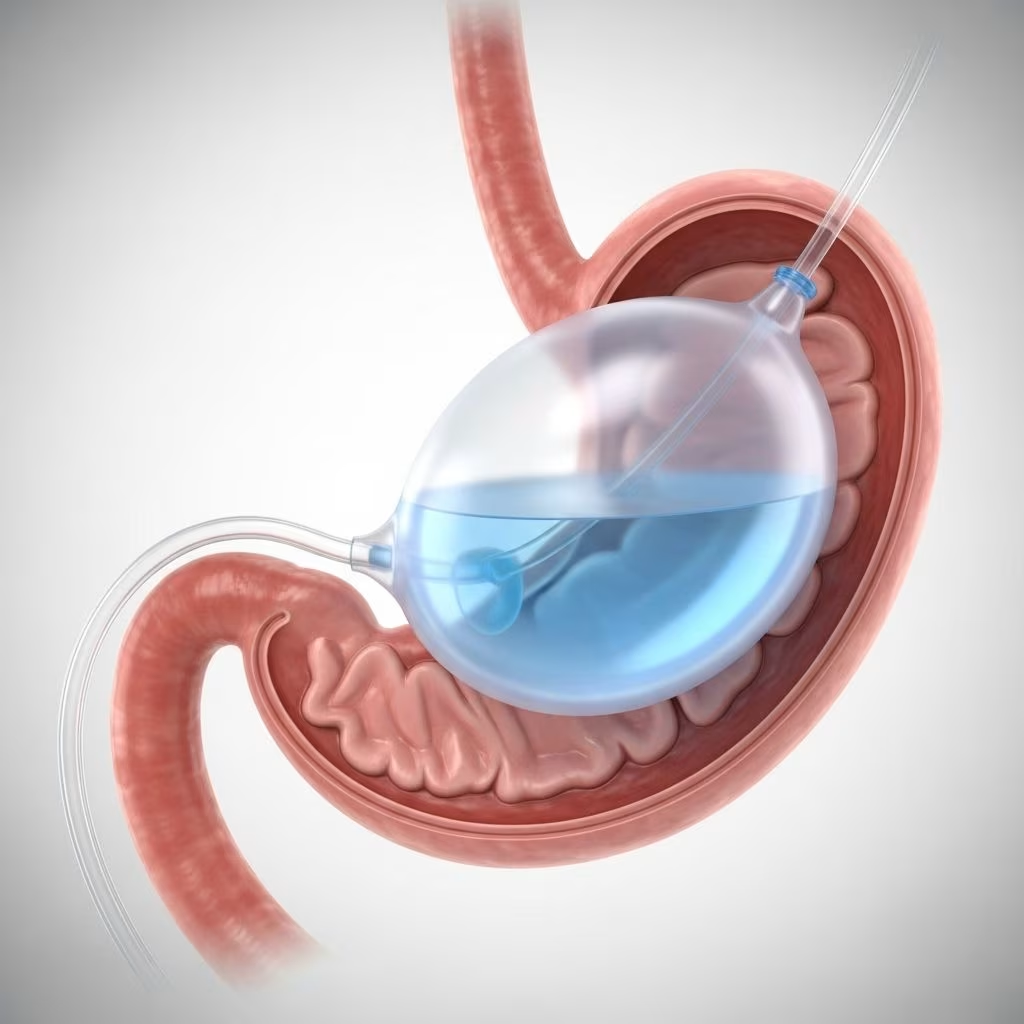
Obesity and excessive weight gain continue to be significant health issues worldwide, yet many individuals struggle to achieve sustained weight loss through diet and exercise alone. The gastric balloon, also known as the intragastric balloon, has emerged as an innovative, non-surgical solution to support people aiming to lose weight and keep it off. This comprehensive guide explores all the key facts about the gastric balloon, including how it works, who it is suitable for, what the procedure involves, possible risks, and what to expect both before and after placement.
What Is the Gastric Balloon?
The gastric balloon is a minimally invasive, temporary medical device designed to promote weight loss in adults who have not succeeded with traditional approaches. It consists of a soft, durable, silicone balloon placed inside the stomach through the mouth using an endoscope. Once inside, the balloon is filled with sterile saline solution and expands to about the size of a grapefruit, partially filling the stomach and encouraging a feeling of fullness after eating a small portion.
- FDA-approved for adults with a body mass index (BMI) between 30 and 40 who have not lost weight through diet and exercise alone.
- Nonsurgical procedure: No incisions or stitches are required.
- The balloon is temporary and remains in place for approximately six months before removal.
The goal is to help the patient feel full more quickly, eat smaller food portions, and reinforce proper eating habits that continue long after the balloon is removed.
How Does a Gastric Balloon Promote Weight Loss?
The balloon’s effectiveness comes from making the stomach feel fuller, faster. As the device takes up space, food portions must naturally shrink. This change, combined with a guided program involving diet, exercise, and behavioral support, enables meaningful weight loss.
- Reduces the sensation of hunger by occupying stomach space.
- Makes portion control significantly easier.
- Encourages ongoing lifestyle changes, supported by healthcare providers.
Patients follow a comprehensive program that typically includes regular coaching from medical professionals such as dietitians, psychologists, and physicians. Most programs involve twelve months of support: six months with the balloon in place and six additional months afterward to help maintain new habits and keep the weight off.
Who Is an Ideal Candidate for the Gastric Balloon?
The gastric balloon procedure is widely available but not suitable for everyone. Eligibility is determined after a thorough assessment by a multidisciplinary team. Candidates typically:
- Are adults with a BMI between 30 and 40.
- Have not achieved significant weight loss through diet and exercise alone.
- Are willing to commit to a year-long program involving diet, activity, and behavioral support.
People with certain medical conditions—including prior gastric surgery, large hiatal hernia, pregnancy, or gastrointestinal bleeding—may not be eligible for this treatment. Mental health assessments are also common to ensure emotional readiness. Always consult your healthcare provider to determine if this approach is appropriate for you.
What Happens During the Gastric Balloon Procedure?
Pre-Procedure Preparation
- Initial consultations are held to review your health history, discuss goals, and design a comprehensive support plan.
- You’ll be asked to avoid eating or drinking for 12 hours before the procedure.
- Some centers may require a brief clear-liquid diet beforehand.
Step-by-Step Procedure
- You are lightly sedated to ensure comfort.
- An endoscope (a thin, flexible tube with a camera) is guided through your mouth and esophagus into the stomach.
- A deflated balloon is inserted and positioned inside the stomach.
- The balloon is inflated with sterile saline through a small filling tube until it reaches the appropriate size.
- The deployment catheter is withdrawn; the balloon remains in place.
- The procedure typically lasts 15-30 minutes and does not require overnight hospitalization.
Most patients are discharged the same day to recover at home.
Balloon Removal
After six months or the recommended duration, the balloon is removed using a similar endoscopic, nonsurgical procedure. The balloon is first punctured and deflated, then retrieved through the mouth. Removal generally takes less than 20 minutes.
Expected Results: How Much Weight Can You Lose?
Clinical studies of the gastric balloon system show promising results. Weight loss outcomes depend on the individual and how strictly they follow the accompanying program. On average:
- Patients lose 3 times more weight compared to diet and exercise alone.
- Typical weight loss ranges from 20–35 pounds during the six months the balloon is present.
- Patients tend to lose about 10–15% of their total body weight within this period.
The most significant weight loss often occurs within the first three months. Sustained success depends on continued adherence to healthy eating, physical activity, and behavioral changes after the balloon is removed.
Recovery and What to Expect After Balloon Placement
Most people experience an adjustment phase as their bodies get used to the balloon. The first few days post-procedure may include:
- Nausea and vomiting
- Abdominal discomfort or cramps
- Mild bloating
These symptoms usually subside within a few days to a week, and your medical team will provide medication to help manage them. In rare cases, symptoms may last longer or require early removal of the device.
Patients are encouraged to start with clear liquids, gradually advancing to pureed foods, soft foods, and finally regular meals over several days. Close communication with your care team is essential during this transition.
Benefits of the Gastric Balloon System
- Non-surgical: No incisions or scars, less risk than traditional weight-loss surgeries.
- Proven Results: Substantial weight loss and improved metabolic health (better blood sugar and blood pressure control).
- Quick Recovery: Most patients return to normal activities within a few days.
- Behavioral Coaching: Integrated support for making lasting lifestyle changes.
- Reversible: Complete removal of the device after the prescribed period.
Potential Risks and Side Effects
Like any medical intervention, the gastric balloon system carries potential risks and side effects. While serious complications are rare, it’s important to understand what can occur:
- Common side effects: Nausea, vomiting, abdominal pain or cramping (especially in the first week)
- Less common risks: Balloon deflation, migration (balloon passes into the intestines), ulcer formation, or blockage
- Rare but serious events: Stomach or esophageal perforation, infection
- Allergic reactions (very uncommon).
Most side effects are temporary and manageable with oral medications and supportive care. Notify your healthcare team if you experience persistent pain, signs of infection, or unusual symptoms.
Comparing Gastric Balloon to Other Weight Loss Options
| Feature | Gastric Balloon | Sleeve Gastrectomy | Gastric Bypass | Diet & Exercise Alone |
|---|---|---|---|---|
| Method | Temporary, balloon in stomach | Surgical removal of part of stomach | Surgical rerouting of stomach/intestine | Behavioral |
| Invasiveness | Non-surgical | Surgical | Surgical | None |
| Average Weight Loss | 10–15% body weight in 6 months | Up to 60–70% of excess weight | Up to 70–80% of excess weight | 5–10% body weight |
| Reversibility | Yes | No | No | Yes |
| Hospital Stay | Same day | 1–2 days | 2–3 days | None |
| Risks | Nausea, balloon migration | Surgical, infection, leaks | Surgical, leaks, nutrient deficiencies | Low |
Cost and Insurance Coverage
One important consideration is the cost of gastric balloon placement. Most health insurance plans in the United States do not cover this procedure, considering it elective. Out-of-pocket costs can range from $6,000 to $9,000, accounting for pre-procedure evaluations, placement, removal, and follow-up care. Confirm all costs and financial details with your provider’s office before committing.
Preparing for Success: Lifestyle and Aftercare
Long-term success following gastric balloon therapy depends on embracing a healthier lifestyle both during and after treatment. Key elements include:
- Regular follow-ups with your weight loss clinic team.
- Continuing to practice portion control and mindful eating.
- Maintaining consistent physical activity tailored to your ability level.
- Attending behavioral or psychological support sessions as recommended.
After the balloon is removed, staying engaged with your support team and upholding healthy habits is essential to prevent weight regain. The balloon is considered a catalyst for change but not a permanent solution; lasting weight loss requires commitment and continued effort.
Frequently Asked Questions (FAQs) About Gastric Balloon
Is the gastric balloon procedure painful?
Most patients report minimal pain. Discomfort, nausea, or cramping is common in the first week and is usually manageable with medication. The procedure itself is performed under sedation and is not painful.
Can the gastric balloon be left in place longer than six months?
No, the balloon is usually removed after six months. Leaving it longer may increase the risk of complications such as balloon deflation or breakdown.
Will I regain weight after the balloon is removed?
Some weight regain is possible if old habits return. However, participating in an ongoing behavioral support program and sticking to healthy practices reduces the likelihood of substantial regain.
Are there dietary restrictions with the balloon?
Yes, a gradual transition from liquids to regular foods is required after placement. Large or hard-to-digest foods should be avoided, and continued portion control is essential.
Is the gastric balloon right for me?
Eligibility depends on your BMI, health status, motivation, and previous weight loss efforts. Speak with a weight loss specialist for a personalized assessment.
Conclusion
The gastric balloon is a safe, non-surgical option for individuals struggling with obesity who have not found lasting success through traditional means. While it offers significant potential benefits, its effectiveness ultimately depends on an individual’s willingness to make sustained lifestyle changes. If you are considering this route, consult a qualified weight management specialist to fully understand the potential benefits, risks, and expectations for your situation. Remember, true transformation begins with a commitment to lifelong healthy habits.
References
- https://www.massgeneral.org/digestive/treatments-and-services/weight-loss-gastric-balloon-system
- https://www.urmc.rochester.edu/conditions-and-treatments/double-balloon-enteroscopy
- https://www.youtube.com/watch?v=CwRPOuQ0CFE
- https://www.brighamandwomens.org/cwmw/intragastric-balloon-weight-loss-procedure
- https://my.clevelandclinic.org/health/treatments/24773-intragastric-balloon
- https://anmed.org/services/weight-loss-procedures/gastric-balloon-weight-loss
- https://www.ncbi.nlm.nih.gov/books/NBK578184/


