


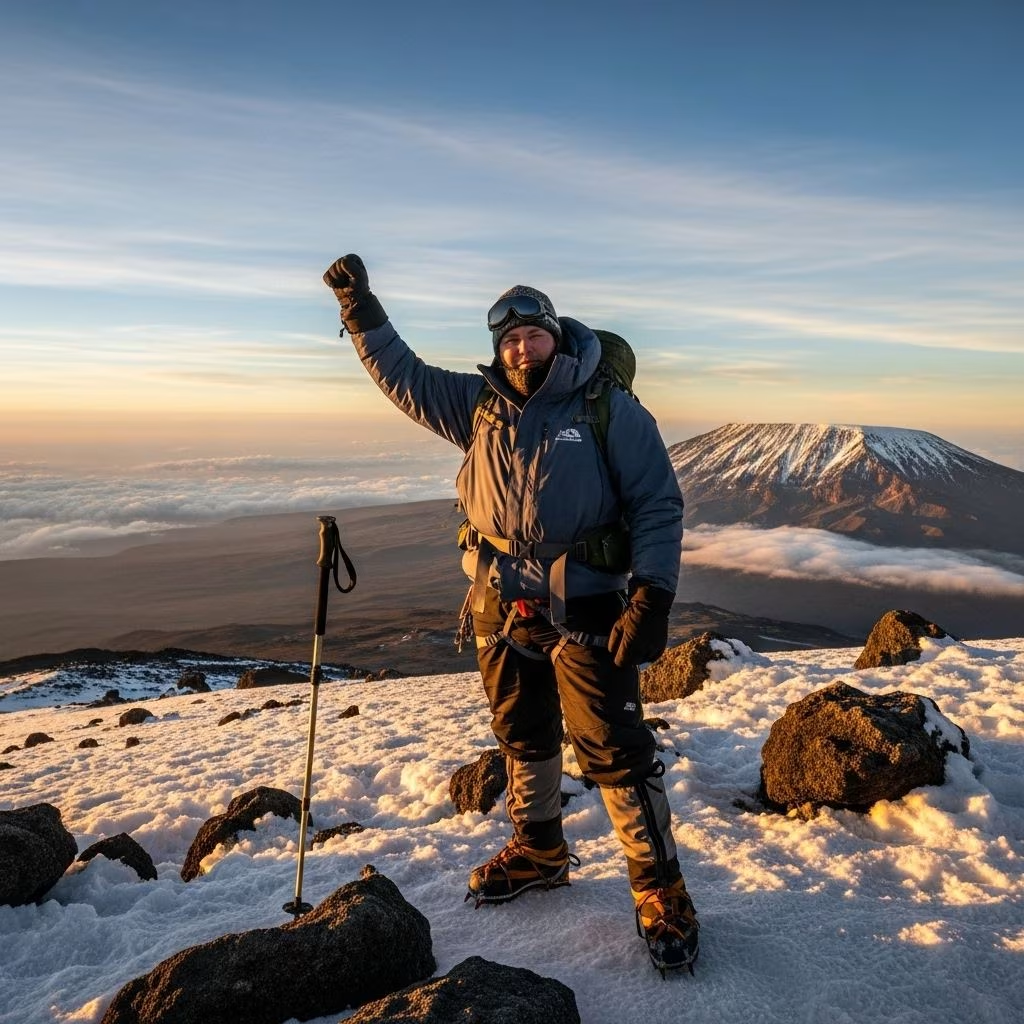
Climbing Mount Kilimanjaro at 300 Pounds: Lessons in Resilience, Perseverance, and Self-Acceptance
Mount Kilimanjaro stands as Africa’s highest peak, drawing adventurers from all over the globe. But for many, the dream of climbing Kilimanjaro seems out of reach, whether due to physical limitations, self-doubt, or societal expectations. This article explores the journey of undertaking Kilimanjaro’s challenging ascent while weighing 300 pounds, highlighting the trials, triumphs, and invaluable lessons learned by embracing the climb beyond the scale.
Confronting Doubts: The Decision to Climb Kilimanjaro
To many, the notion of scaling a mountain at 300 pounds is daunting. It may even seem impossible in a world where most mainstream narratives link adventure and athleticism to lean bodies and peak fitness. Yet, for those who choose to embark on this journey, the determination to climb Kilimanjaro becomes a powerful act of self-liberation. The decision is not just about reaching the summit; it’s about breaking free from limiting beliefs, societal prejudices, and internalized self-doubt.
- Facing skepticism: Both guides and fellow trekkers often voice doubts or outright ridicule, predicting failure or questioning the intent to attempt such a feat as a plus-size hiker.
- Owning your narrative: Each step becomes a way to prove to yourself, and to the world, that worth is not measured by size or others’ expectations.
A Lifetime of Stigma and the Burden of Other People’s Judgments
The mountain is not the only obstacle faced—societal attitudes towards obesity and the assumptions that plus-size individuals lack discipline or adventurous spirit present significant psychological barriers. The climb brings these issues to the fore.
- Enduring ridicule: Overweight climbers often overhear disparaging remarks from guides or other trekkers, sometimes in languages they don’t speak, but the intent is clear enough.
- Internal struggles: Years of living with public scrutiny and private shame can make facing the mountain seem easier than facing society.
One climber expressed that “just going to battle is winning” when it comes to living with obesity. For many, the act of showing up—whether on a mountain or in a swimsuit at the pool—is the true triumph.
The Physical Reality: Training and Preparation for Plus-Size Climbers
Climbing Kilimanjaro requires careful physical preparation, regardless of size. However, those at higher weights may need to pay extra attention to building endurance, strengthening joints, and cultivating aerobic capacity.
- Train for time, not speed: Hikers should prioritize long-duration activity at a measured pace to mirror the mountain experience.
- Weighted pack practice: Training with a pack that mimics the weight carried on the climb (7–8 kg/15–18 lbs) helps condition muscles during prolonged periods on the trails.
- Gradual adaptation: Beginners should start with short walks without weight and build up to longer sessions, increased weight, and steeper inclines as strength and stamina improve.
For those without access to trails, gyms, or natural elevation, a stair master or urban walks can offer effective alternatives.
Battling the Mountain: The Impact of Altitude, Fatigue, and Nutrition
Kilimanjaro’s altitude presents unique challenges for every climber. As trekkers ascend above 4,000 meters (13,000 feet), physiological changes occur, and the body must work harder to adapt to lower oxygen levels.
- Calorie demands: Trekkers burn between 3,000 and 6,000 calories per day, depending on metabolism, pace, and route difficulty.
- Loss of appetite: High altitude often reduces appetite, making it difficult to consume enough nutrition to match energy expenditure.
- Weight loss: Most climbers, regardless of body type, lose weight during the trek, often about ten pounds for plus-size climbers. Some weight loss is not just fat, but muscle, water, and glycogen depletion.
Even well-planned meals on the mountain rarely offset the massive energy deficit from hours of hiking and coping with the physical stresses of altitude.
Mental Resilience: The Greatest Asset
While physical strength matters, a positive attitude, mental endurance, and belief in the goal are paramount. Many climbers assert that attitude is their most important tool.
- Stay present: When the journey becomes hard, focusing on the next step or breath can push climbers through moments of doubt.
- Silencing negativity: The greatest challenge can sometimes be tuning out internal and external voices that say “you can’t.”
- Small victories: Every milestone, from putting on hiking boots to hitting a daily target, can be celebrated as a win.
One climber described the exhaustion and uncertainty as so great that “just showing up each day, putting one foot ahead of the other, was everything.”
Personal Transformation: Lessons Beyond the Summit
For many plus-size climbers, the Kilimanjaro journey becomes a metaphor for their overall battle with weight, self-image, and life’s hurdles.
- Learning self-acceptance: Climbing the mountain can help break cycles of shame and guilt long associated with issues around food and weight.
- Changing the narrative: The experience shifts focus away from the scale and towards self-worth, inner strength, and the courage to try.
- Building confidence: Success—be it reaching the summit or pushing through doubt—builds lasting resilience applicable in day-to-day life.
One climber summed up the journey: “My success and failure as a person is not based on a number … sometimes just going to battle is winning.”
The Process: Steps to Prepare for Your Own Plus-Size Adventure
- Set realistic goals for hiking distance, pack weight, and pace.
- Start training early (3+ months out), increasing duration and difficulty over time.
- Include a mix of outdoor treks and gym sessions; use stair machines as a substitute.
- Practice self-compassion: celebrate progress, not perfection.
- Advocate for yourself and your needs with guides and group members.
- Consult with medical professionals about altitude risk and physical readiness.
- Prepare mentally for the realities of fatigue, weather, and changing plans.
Your Questions Answered: Kilimanjaro FAQs
Q: Will I lose weight on Kilimanjaro?
A: Yes, most climbers do lose weight—often around 10 pounds for those with bigger bodies. But it’s due to a combination of burning massive calories, loss of appetite, and muscle/fat depletion, not just fat loss.
Q: Can plus-size hikers safely climb Kilimanjaro?
A: Yes, with proper training, preparation, and medical guidance, plus-size climbers can complete the ascent. Mental resilience and steady preparation are as important as physical conditioning.
Q: How should I train if I’m overweight?
A: Focus on long-duration, moderate-intensity hikes with a weighted backpack (7–8 kg). Gradually build up to longer hiking sessions and elevation changes. Use gym equipment like stairmasters if needed.
Q: What challenges might I face as an overweight climber?
A: You may encounter bias or skepticism from guides or fellow trekkers, increased fatigue, joint stress, and unique nutritional needs. But with preparation and determination, these challenges can be managed and overcome.
Q: What should I eat during the climb?
A: Nutrient-dense foods high in carbohydrates, protein, and healthy fats are ideal. Porters typically provide balanced meals, but appetite may be suppressed at altitude—so try to eat what you can and stay hydrated.
Comparing Typical Experiences: Plus-Size vs. Average-Weight Climbers
| Aspect | Plus-Size Climbers | Average-Weight Climbers |
|---|---|---|
| Training Focus | Long sessions, gradual build-up, extra joint care | Intensity and speed, assuming baseline fitness |
| Societal Bias | More likely to encounter skepticism, bias, and doubt | Better perceived by guides and peers |
| Weight Loss | 10+ lbs typical, mostly fat/water/muscle | 5–8 lbs, similar composition |
| Appetite Suppression | May experience more pronounced appetite loss at altitude | Similar, but may manage better due to habits |
| Resilience Required | Extra mental fortitude to overcome societal attitudes and self-doubt | Primarily focus on endurance and acclimatization |
Key Takeaways: What Climbing Kilimanjaro Teaches Us About Self-Acceptance
- Physical challenges are universal, but psychological battles are felt most keenly by those who have faced lifelong stigma.
- Worth and success are not measured in numbers—on the scale, on the summit, or in mile markers.
- Small victories, such as showing up or trying something new, are cause for celebration.
- Personal transformation comes from pushing boundaries and changing the narrative from shame to strength.
Kara Richardson Whitely: From Personal Struggles to Public Inspiration
Kara Richardson Whitely, whose journey was chronicled in her book Gorge: My Journey Up Kilimanjaro at 300 Pounds, has become a symbol for overcoming adversity and challenging stereotypes. Her story is marked by immense personal hardship, public scrutiny, and triumph. Whitely reminds us that the climb is not just up the mountain, but through a lifetime of struggles with self-acceptance, food, and societal pressure.
- She climbed Kilimanjaro three times, despite skepticism and even failure on her second attempt.
- Her account speaks frankly about binge eating, body image, and learning to be OK with herself.
- Now a sought-after speaker and ambassador for plus-size athletes, she inspires others to redefine what’s possible.
Final Inspiration: You Are Enough, On and Off the Mountain
The journey up Kilimanjaro at 300 pounds—and the stories of those who have made it—reveal that adventure, growth, and accomplishment are available to everyone. You don’t have to be thin or traditionally athletic. The courage to try, the resilience to persist, and the willingness to accept the outcome matter more than the number on the scale or summit reached. Whether your mountain is literal or metaphorical, showing up is its own victory.
References
- https://lifehappensoutdoors.com/do-you-lose-weight-on-kilimanjaro/
- https://www.climbkilimanjaroguide.com/overweight-climbing-kilimanjaro/
- https://mountkilimanjaro.guide/plus-size-kilimanjaro-climb-2/
- https://www.rmpbs.org/blogs/rocky-mountain-pbs/plussize-woman-documents-kilimanjaro-climb
- https://www.tripadvisor.com/ShowTopic-g293750-i11370-k8618801-Overweight_hikers_on_Kili_where_to_start_researching-Kilimanjaro_National_Park_Kilimanjaro.html
- https://www.summitpost.org/phpBB3/moderate-overweight-and-kilimajaro-t48465.html
- https://iowastatedaily.com/242145/news/speaker-shares-story-of-climbing-kilimanjaro-while-being-overweight/


