


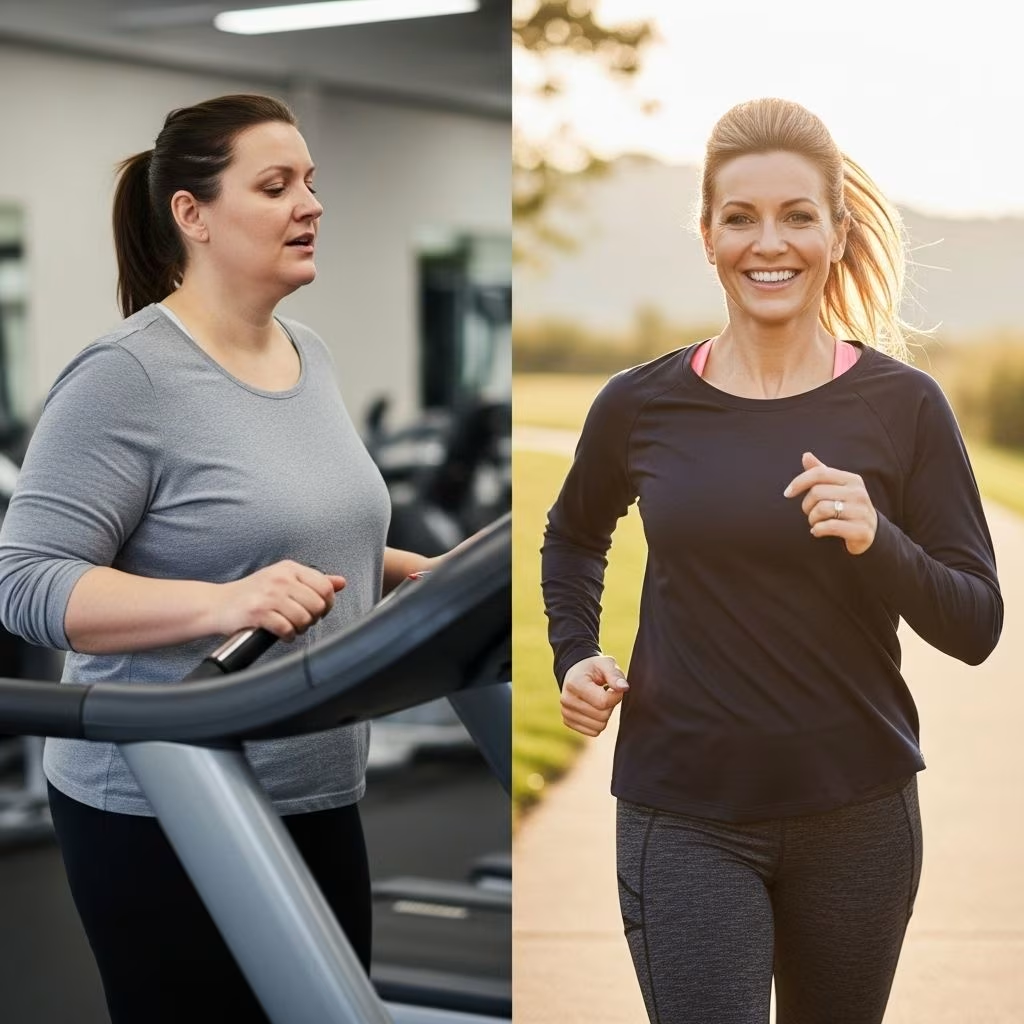
Margaret Suther’s 115-Pound Weight Loss: The Power of Small Beginnings
Sometimes, the biggest life transformations start with the smallest steps. Margaret Suther’s personal journey from struggling with obesity to losing 115 pounds is a powerful illustration of this truth. Her story is not only one of significant physical change, but also emotional healing, renewed confidence, and a newfound passion for fitness that took root in the simplest way: by walking.
Facing the Turning Point
For Margaret Suther, the impetus for change came in February 2012. At 29 years old, she found herself weighing over 300 pounds—her health and daily life affected by her weight at every turn. She struggled to climb stairs without losing her breath, fit into restaurant booths, or participate in family activities with her husband and their three young children. “If I ignored my weight much longer, not only would I pay the price, but so would they,” she reflected. Recognizing that her health was keeping her from being the best wife and mother she could be, she finally decided it was time for a change.
- Margaret’s breaking point came from seeing how her health impacted her children and family life.
- Simple activities caused her discomfort, impacting self-worth and daily routines.
- She realized her confidence and happiness were tightly linked to her well-being.
Early Struggles With Food and Self-Esteem
Margaret’s complex relationship with food began as a child. Although raised with healthy meals by her mother, a registered nurse, she would sneak treats and developed a habit of emotional eating. As her self-esteem suffered from relentless teasing in school, she found solace in overeating—especially during lunch breaks featuring comfort foods like personal-size pizzas and loaded fries.
- Emotional eating traced back to childhood, with food serving as comfort.
- Experiences of bullying at school reinforced her reliance on food.
- Early attempts at weight loss (as a teen) brought temporary success but didn’t address core habits.
First Weight Loss Attempt in High School
Before her senior year, Margaret’s determination saw her cut out processed foods, control portions, and do daily cardio workouts. She lost about 50 pounds and achieved a size 14 for graduation—her smallest ever. Despite pride in her accomplishment, maintenance became difficult amid new life challenges.
Setbacks: Pregnancy, Divorce, and the Return to Old Habits
The progress Margaret made in her late teens was undone by the next phase of life. Pregnancy in 2005 and a difficult divorce led to renewed emotional eating. “Once again, I turned toward the comfort of food and ended up gaining even more weight,” she shared. Her weight climbed to 325 pounds after her first pregnancy. The next years, while filled with joy from a new marriage and two more children, saw Margaret placing family needs over her own self-care, not realizing that her own health was essential for her loved ones’ well-being.
- Pregnancy weight gain added 85 pounds and destabilized earlier progress.
- A painful divorce triggered further reliance on food for comfort.
- Remarriage and expanding family signaled hope, but health took a back seat.
Making the Decision: A New Approach to Nutrition
By February 2012, Margaret was ready for a sustainable, realistic lifestyle change. She chose to begin not with radical diets or intense routines, but with focused nutritional improvements. She filled her meals with vegetables and protein, eliminated soda and fried foods, and reserved carbohydrates to just one meal per week. Margaret’s first win came within two months—she lost 10 pounds and regained newfound energy. It was the confidence boost she needed to keep advancing.
- Primary focus was on nutrition: veggies, protein, minimal processed foods.
- Phased out soda, fried foods, reserved carbs for special occasions.
- Early results (10 pounds lost in two months) validated the small-step approach.
Walking: The Simple Exercise That Launched Lasting Change
With healthy eating underway, Margaret looked for ways to add movement to her life. She started walking her children the half-mile to school every day—a simple, achievable routine that didn’t require expensive gym fees or intimidating equipment. This daily walk allowed her to integrate exercise seamlessly into her family life, turning what could have been a chore into an enjoyable activity with her kids.
- Walking became Margaret’s entry point into regular exercise.
- Consistent daily walks provided gentle cardio and time with family.
- An accessible, sustainable habit—no special equipment or training needed.
Introducing Strength Training
A couple of months in, Margaret felt motivated to expand her activity. She began simple strength training at home using 5-pound weights, following basic online arm and ab routines three days per week. These low-pressure strength sessions complemented her walking schedule, providing benefits for body tone and metabolism. She deliberately avoided obsessing over the scale, choosing instead to track her progress by the fit of her clothes, her mood, and her energy levels.
- Added strength training after initial success with walking.
- Used light dumbbells and basic routines sourced online.
- Progress was measured by non-scale milestones: looser clothes and stamina.
Milestones: Breaking Through Plateaus
After a year of commitment to walking, strength training, and healthy eating, Margaret decided to weigh herself for the first time. She was stunned—she had lost over 85 pounds. This personal record marked the smallest she had ever been as an adult. Yet, a new realization emerged: she wanted not just to be thin, but to build real strength.
Margaret then upped her strength training efforts, seeking to tone her body further and develop greater stamina. This new challenge added dimension and sustainability to her routine, ensuring her weight loss didn’t come at the cost of muscle or energy.
The Results: A Complete Lifestyle and Identity Shift
Four years into her transformation, Margaret’s life looked entirely different:
- Total weight loss of 115 pounds.
- Body weight at 180 pounds and a size 10—down from a size 22.
- Dropped body fat percentage from 50% down to 23%.
- Gained a passion for fitness that keeps her motivated every day.
- Confidence to be a role model for her children and help her family thrive.
Daily Habits That Fuel Maintenance
- Regular walking, now sometimes running, built into her day.
- Daily meal planning focused on whole foods, balanced nutrients, and variety.
- Consistent strength training to support a toned, healthy body.
- Continuous learning and self-reflection to adapt along the journey.
Lessons Learned and Tips for Long-Term Success
Margaret’s story offers practical insights for anyone facing a large weight-loss goal or seeking improved well-being:
- Start small: Don’t try to overhaul everything at once. Small, steady changes add up.
- Be patient with the process: True transformation is gradual and includes plateaus, setbacks, and learning moments.
- Measure progress in different ways: Clothes fitting better, increased energy, and mental outlook matter as much as numbers on a scale.
- Make activity accessible: Walking is free, requires no equipment, and can be built into daily family routines.
- Plan your nutrition: Preparing meals in advance and making conscious choices about portions and ingredients fuels lasting success.
Table: Margaret’s Weight Loss Timeline
| Year/Event | Milestone |
|---|---|
| Pre-2012 | Weight reaches 325 lbs after first pregnancy and periods of stress; onset of emotional eating patterns. |
| February 2012 | Commits to lifestyle change; focuses on nutrition and self-care. |
| April 2012 | Loses first 10 lbs; begins daily walking routine with children to school. |
| 2013 | After consistent walking and strength training, discovers she has lost over 85 lbs. |
| 2016 | Total loss reaches 115 lbs; body fat drops from 50% to 23%; fitness passion ignited. |
Frequently Asked Questions (FAQs)
How did Margaret get started with exercise?
She started by simply walking her kids to school daily, covering half a mile each way. This combined practical family routines with daily movement, making exercise sustainable and enjoyable.
What were the first nutritional changes she made?
She loaded her meals with vegetables and protein, eliminated sugary sodas and fried foods, and restricted carbohydrates to once a week, focusing on sustainable, gradual change.
How did Margaret handle setbacks?
She embraced setbacks as part of the journey, focusing on progress rather than perfection. Rather than punishing herself, she redirected her efforts to nutrition and activity whenever she drifted from her goals.
Why did she avoid using the scale for a year?
She chose to track her journey by how her clothes fit and how she felt rather than focusing on numbers, which helped her stay motivated and reduce anxiety associated with weight measurements.
What is her current fitness routine?
Margaret continues to walk and often runs. She strength trains daily and carefully plans her meals, keeping her healthy habits consistent and adaptable as her goals evolve.
Conclusion: The Ongoing Journey
Margaret Suther’s transformation is not about a quick fix or reaching a single goal, but about an ongoing commitment to health, happiness, and being present for her family. As she puts it, “It’s still a learning process… I think that’s what I love about this lifelong journey.” Her story stands as a testament to the fact that weight loss, wellness, and confidence grow step by step—and that anyone can begin, no matter how daunting the start.
References
- https://www.prevention.com/weight-loss/a20502669/margaret-suther-lost-115-pounds-starting-with-walking/
- https://www.businessinsider.com/weight-loss-success-stories-and-tips-2018-1
- https://gredos.usal.es/bitstream/handle/10366/115508/SC_PhilipGilbertHamerton_Wenderholme_1869.pdf?sequence=2&isAllowed=y
- https://www.congress.gov/64/crecb/1916/01/10/GPO-CRECB-1916-pt1-v53-14.pdf


