


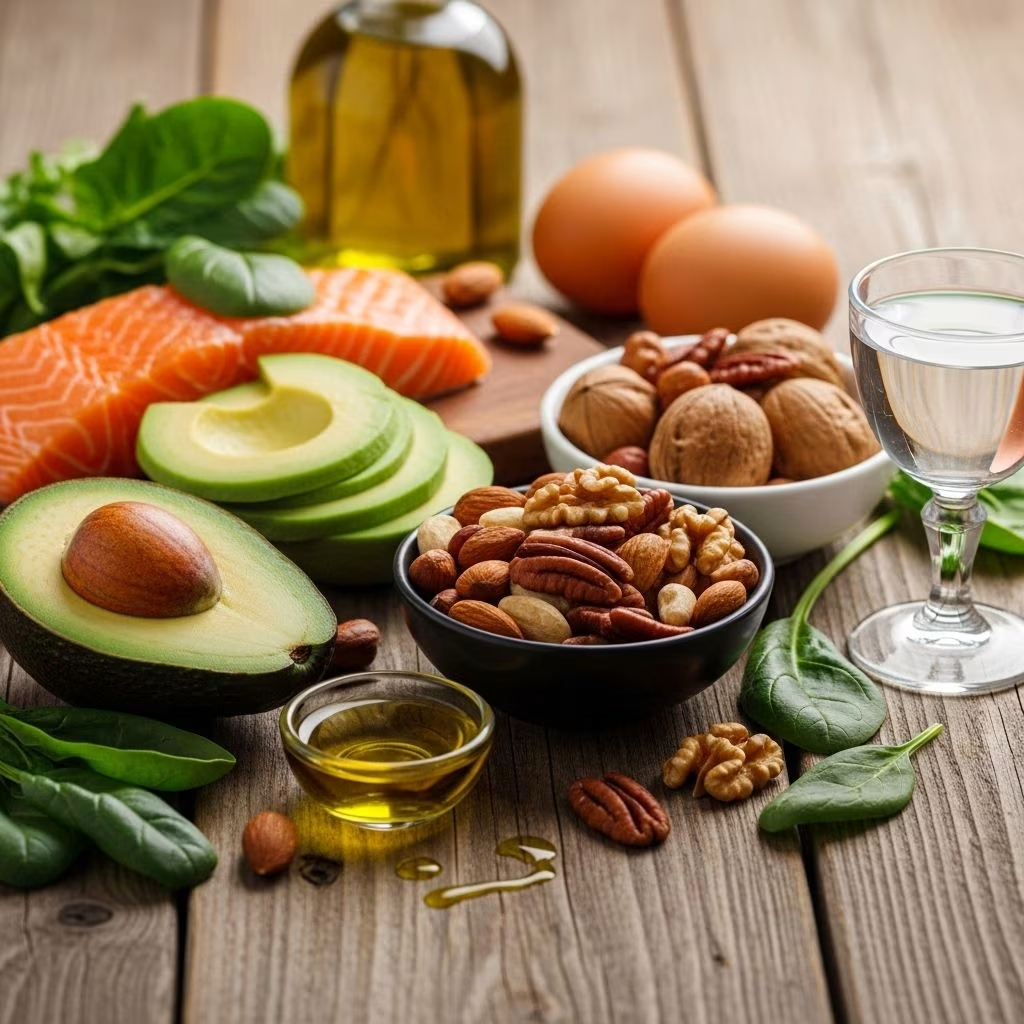
Lose Weight by Eating More Fat: The Science and Success Stories Behind High-Fat Diets
For decades, dietary fat has been maligned as the culprit behind weight gain and chronic health issues. But growing evidence—and compelling real-world stories—suggests that embracing healthy fats could unlock sustainable weight loss and improved well-being. With years of research supporting high-fat dietary approaches, experts now recommend reevaluating the conventional wisdom about fat, satiety, and metabolism.
Why the Right Types of Fat Can Help You Lose Weight
The notion that eating fat will inevitably make you fat is a persistent myth. In truth, when consumed as part of a balanced meal, healthy fats play a key role in regulating hunger, supporting metabolic health, and promoting feelings of fullness. Contrary to popular belief, fat does not automatically become stored body fat. Instead, consuming more unsaturated fats—found in foods like avocados, olive oil, nuts, and seeds—alongside moderate amounts of protein and carbohydrates, actually signals your body’s fat cells to release stored energy, rather than hold onto it.
- Satiety and Fullness: Fat promotes longer-lasting fullness, which can lead to reduced cravings and less mindless snacking between meals.
- Metabolic Support: Certain fats, especially those rich in omega-3 and omega-6 fatty acids, support good hormonal function and can aid in weight regulation.
- Balance Is Key: Combining healthy fats with lean proteins and fiber-rich carbohydrates creates meals that stabilize blood sugar and energize the body.
Success Story: How Eating More Fat Changed One Woman’s Life
When one woman adopted a meal plan revolving around increased healthy fat intake while reducing processed carbs and excess protein, she saw dramatic improvements both physically and emotionally. According to her account, she:
- Lost 77 pounds in one year without feeling deprived or hungry
- Experienced diminished cravings after just two days on the plan
- Felt more satisfied and energetic throughout the day
Her approach was rooted in the principles of “The Fat Cell Solution”—a program that focuses on retraining fat cells to release energy rather than hoard excess calories. By embracing foods high in healthy fats and eliminating processed, sugary carbs, she found it easier to manage appetite and overcome emotional eating patterns.
Making the Shift: Healthy Fat Sources and Easy Meal Ideas
The transformation began by clearing out the pantry and refrigerator of processed foods, sugars, and refined flours, all of which contribute to cravings and hinder weight loss. Instead, the focus moved to whole ingredients rich in healthy fats and nutrients.
- Fresh vegetables of every color
- High-quality animal protein like chicken and beef
- Natural oils such as olive, avocado, or coconut
- Nuts, seeds, and full-fat dairy (like whole milk and cheese)
Keeping a weekly supply of these ingredients made it easier to assemble wholesome, fat-rich meals and avoid the temptation of processed snacks.
Sample High-Fat Recipe: Shepherd’s Pie with Cauliflower Topping
An example of a satisfying, fat-rich meal is Shepherd’s Pie with a creamy cauliflower topping. This dish swaps out high-carb potatoes for fiber-rich cauliflower, combining hearty ground meat, vegetables, and a decadent topping loaded with healthy fats from cream or cheese. It’s nutritious, filling, and low in refined carbohydrates.
Three Strategies for Slaying the Weight Loss Beast
Adopting the high-fat eating approach involves more than just what’s on your plate. The following strategies are central to ensuring lasting success:
- Eliminate Obstacles
- Remove all processed and high-carb foods from your kitchen.
- Replace snacks and pantry staples with whole, natural ingredients.
- Track sleep and stress levels in a daily journal, as both contribute to weight loss setbacks.
- Plan and Shop Smart
- Shop for fresh produce, lean meats, and healthy fats only.
- Fill your fridge and pantry weekly to avoid running low and resorting to junk foods.
- Cook at Home and Keep It Simple
- Stick with easy, wholesome recipes that emphasize high-fat, low-carb components.
- Batch cook or meal prep to minimize impulse eating.
The Science: What Really Happens When You Eat More Fat?
Fat contains more calories per gram than protein or carbohydrates—about 9 calories per gram compared to 4. However, this does not translate directly to body fat gain. In fact, research shows that:
- Fat increases satiety, curbing hunger and supporting better portion control
- Fat supports cell structure, warmth, and energy production
- Eating unsaturated fats can help regulate hormones tied to hunger and fullness
Experts caution that abusing fat intake (especially from processed sources and trans fats) can contribute to weight gain. The key is focusing on moderate amounts of healthy, natural fats while controlling overall calorie intake.
Table: Healthy vs Unhealthy Fats
| Type of Fat | Examples | Health Impact |
|---|---|---|
| Unsaturated Fats | Olive oil, avocado, nuts, seeds, oily fish | Improves heart health, boosts satiety, supports metabolism |
| Saturated Fats | Butter, cheese, fatty meats | May raise cholesterol if consumed in excess |
| Trans Fats | Margarine, processed snack foods | Increases risk of cardiovascular disease, should be avoided |
Common Weight Loss Myths Debunked
- Myth: Eating fat makes you fat. Reality: Fat can help you feel full, stabilize blood sugar, and aid in weight loss when part of a balanced diet.
- Myth: All calories are equal. Reality: Calories from processed sugars and refined carbs trigger cravings and fat storage, while quality calories from healthy fats support metabolism.
- Myth: You should avoid fats to lose weight. Reality: Avoiding fats can lead to increased hunger, overeating, and blood sugar crashes.
Smart Fat-Burning Foods for Healthy Weight Loss
While no food “burns” fat directly, certain choices support a faster metabolism, greater satiety, and healthier caloric intake. Experts recommend integrating these options into your weekly meals for sustained, safe weight management:
- Lean animal proteins (chicken, turkey, eggs, fish)
- Avocados, olives, and nuts
- Seeds (chia, flax, pumpkin)
- Full-fat dairy (plain yogurt, cheeses, whole milk)
- High-fiber beans and legumes
- Colorful vegetables and leafy greens
These foods not only promote satiety but provide plentiful vitamins, minerals, antioxidants, and anti-inflammatory benefits—all of which aid weight management and overall health.
The Role of Portion Control, Protein, and Fiber
Although high-fat eating plans emphasize the importance of fats, maintaining a balance with protein and fiber is essential. Fiber-rich foods expand in your stomach, acting as a natural appetite suppressant and supporting gut health. Protein aids in satiety and requires more energy to digest, meaning fewer calories are stored from protein than from carbs or fats.
- Portion Control: Eat from smaller plates and bowls to subconsciously reduce calorie intake.
- Protein: Aim for 20g of lean protein per meal for long-lasting fullness.
- Fiber: Target at least 25g per day from whole grains, beans, vegetables, and fruits.
- Fat: Add 2 tbsp healthy fats per meal to prevent energy dips and hunger pangs.
Mistakes to Avoid When Increasing Dietary Fat
- Overeating Fat Without Balance: Excessive fat calories, even from healthy sources, can slow or reverse weight loss.
- Relying on Processed Fatty Foods: Avoid snack bars, fried foods, and store-bought dressings high in trans or processed fats.
- Neglecting Vegetables: Consume plenty of vegetables to supply fiber, antioxidants, and vitamins crucial for metabolism and health.
- Not Tracking Hunger and Fullness: Pay attention to natural hunger signals rather than sticking strictly to meal schedules.
FAQs: Eating More Fat for Weight Loss
Q: Won’t eating more fat raise my cholesterol?
A: Eating moderate amounts of unsaturated fats (olive oil, nuts, fatty fish) generally improves cholesterol levels. Limit processed fats and bet on balance.
Q: Can I lose belly fat by eating fatty foods?
A: No single food targets belly fat alone. Instead, a diet rich in satiating, healthy fats can help lower overall body weight and reduce central fat stores over time.
Q: How quickly will I notice results?
A: Many people report reduced hunger and improved energy within days; significant weight loss can occur over weeks to months with consistency.
Q: Do I need to track macronutrients?
A: It’s helpful to stay mindful of fat, protein, and carb ratios, especially if you’re new to high-fat eating. Apps or journals can make tracking easier.
Q: Is eating a high-fat diet safe for everyone?
A: Most people benefit from increasing healthy fats, but those with specific medical conditions should consult a healthcare provider before making major dietary changes.
Tips for Getting Started With a Higher-Fat, Lower-Carb Eating Plan
- Gradually replace processed carbs (white bread, sugary snacks) with vegetables and healthy fats.
- Pre-plan meals and snacks to avoid last-minute, less-than-ideal choices.
- Keep healthy fat-rich options—like nuts, olives, avocados, and seeds—easily accessible.
- Experiment with flavorful dressings and sauces made from olive oil, nut butters, or dairy for variety.
- Eat mindfully, enjoying the taste and texture of each meal to boost satisfaction.
Frequently Asked Questions (FAQs)
Q: Is it possible to lose weight by eating more fat?
A: Yes. Eating more healthy fats can promote satiety, reduce cravings, and encourage your body to use stored energy, leading to sustainable weight loss when combined with reduced processed sugars and carbs.
Q: What are the best healthy fats to eat for weight loss?
A: Unsaturated fats from avocados, nuts, seeds, olive oil, and fatty fish are ideal. They support heart health and help regulate hunger.
Q: Can I follow a high-fat diet if I have a medical condition?
A: Always consult with a medical professional before making major dietary changes, especially if you have heart disease, liver issues, or diabetes.
Q: Should I count calories on a high-fat diet?
A: While calorie intake matters, focusing on whole foods, balance, and satiety can make tracking calories less necessary for some people.
Q: How much fat should I eat per meal?
A: A good guideline is two tablespoons of healthy fats (from whole foods like nuts or avocado) per meal, plus a balance of protein and fiber-rich vegetables.
References
- https://www.prevention.com/weight-loss/a20505318/lose-weight-by-eating-more-fat/
- https://www.prevention.com/weight-loss/g29873479/weight-loss-myths/
- https://www.prevention.com/weight-loss/g24805401/fat-burning-foods/
- https://www.prevention.com/weight-loss/a30188568/lose-weight-without-exercise-0/
- https://www.prevention.com/weight-loss/a20465042/lose-weight-over-40/
- https://www.prevention.com/weight-loss/diets/a63174975/best-diets-for-weight-loss-2025/
- https://www.prevention.com/weight-loss/
- https://www.prevention.com/weight-loss/diets/a20718413/apple-cider-vinegar-for-weight-loss/
- https://www.prevention.com/weight-loss/a36065492/rethinking-body-weight/


