


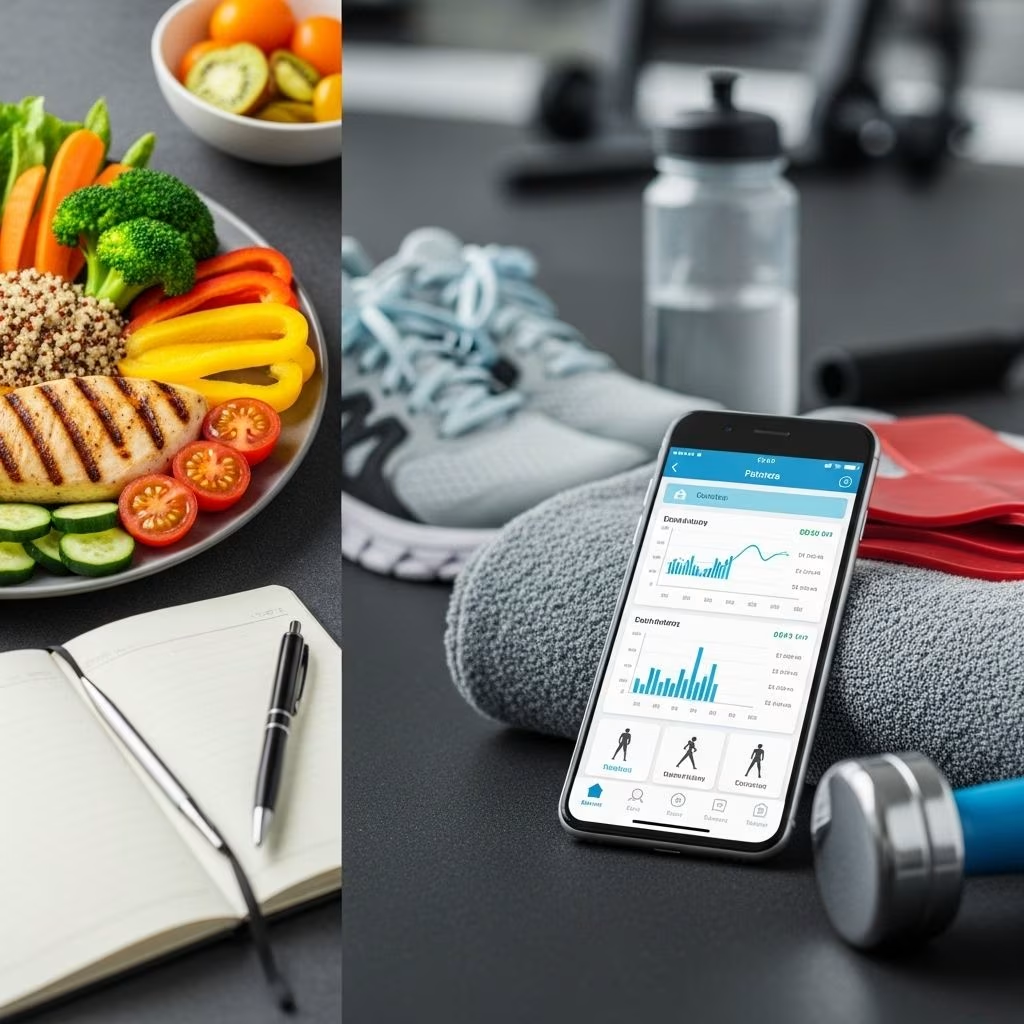
2018 Weight Loss and Fitness Trends: Diets, Apps, and New Approaches
Weight loss and fitness saw dramatic shifts in 2018, highlighted by the rise of bold new diets, the integration of technology into wellness routines, and a focus on sustainable lifestyle changes. This article explores the most influential diets, trending fitness regimes, and digital wellness platforms of the year, while offering evidence-based perspectives on what truly works for lasting health and wellness.
Top Trending Diets of 2018
- Keto Diet: High-fat, low-carb approach achieving widespread popularity for rapid weight loss and celebrity endorsements.
- Intermittent Fasting: Regimens focusing on meal timing rather than calorie counting, including time-restricted feeding and alternate day fasting.
- Carnivore Diet: Animal-product exclusive, controversial for its lack of plant-based nutrients.
- Digital Diet Coaching: Apps like Noom and WW (Weight Watchers) prioritizing behavior change and ongoing support.
Multiple sources highlighted a clear shift toward dietary extremes and digital support systems. While classic programs remained relevant, novel diets and technology-forward solutions captured user search interest and media headlines.
The Keto Diet: High-Fat, Low-Carb, High Controversy
The keto diet maintained its dominance as 2018's most-searched weight loss strategy. This eating plan aims for ketosis, a metabolic state where the body burns fat for fuel in the absence of carbohydrates. Typically, keto followers limit carbs to under 10% of total calories (or less than 50g/day) and fill their plates with foods like:
- Butter, heavy cream, and full-fat dairy
- Leafy greens and low-carb vegetables
- High-quality meats and seafood
While people reported rapid weight loss and mental clarity, nutrition experts warned about long-term health impacts, including kidney and liver stress. Originally developed to treat tough epilepsy cases, the diet found new leverage in supporting specific health issues, such as Type 2 diabetes, although reliable long-term evidence is still lacking.
Potential Benefits
- May promote quick fat burning and appetite suppression
- May aid with certain metabolic disorders under clinical supervision
Challenges and Risks
- Hard to sustain due to restrictive food group elimination
- Unknown long-term safety
- Possible nutrient deficiencies, impact on kidney/liver health
Intermittent Fasting: Timing Over Calorie Counting
Intermittent fasting (IF) gained ground in 2018 for its flexibility and adaptability. Rather than focusing on what you eat, IF emphasizes when you eat. Popular protocols included:
- Alternate Day Fasting: Eating normally one day, then fasting or eating very little (< 1,000 calories) the next
- 5:2 Diet: Restricting food intake to <1,000 calories for two non-consecutive days weekly
- Time-Restricted Feeding: Limiting daily meals to a narrow window, e.g., 16 hours fasting, 8 hours eating
Initial studies and user reports claimed reduced cravings, improved weight control, and convenience in daily routines. IF strategies were not universally appropriate; individuals on hypoglycemic medications or with certain metabolic conditions required physician oversight before starting.
Evidence-Based Advantages
- Effective for many as a weight loss strategy
- Potential improvements in metabolic health
Limitations
- May not suit everyone—medical consultation advised for those on medication
- Not recommended for some populations including pregnant women and those with eating disorders
Carnivore Diet: All About Animal Foods
The carnivore diet challenged conventional wisdom by excluding all plant foods, focusing solely on animal-based products such as beef, poultry, fish, eggs, and limited dairy. Followers reported an adjustment period and eventual preference for repetitive meals, but nutrition experts raised several red flags:
- Lack of dietary fiber, vitamins, and plant-derived antioxidants
- Potential impairment of gut health due to absence of fiber
- High cholesterol and possible inflammation risks
Medical authorities recommended balanced diets and highlighted the carnivore regimen’s deficiencies, especially regarding gut health and immune function.
Mediterranean and Plant-Based Diets: Evidence Over Hype
While extremes like keto and carnivore dominated news cycles, nutrition professionals favored more moderate, evidence-based diets for lasting weight management and overall health. The Mediterranean diet, centered around vegetables, fruits, lean protein, and healthy fats (especially monounsaturated and polyunsaturated oils), was found to:
- Support cardiometabolic health
- Improve cognitive function
- Provide sustainable weight maintenance
Plant-based and low-fat options remained popular for their accessibility and long-term adherence potential, though each approach depended on individual preference and lifestyle fit.
Behavioral Weight Loss: The Rise of Wellness Apps
2018 marked the emergence of digital health coaching platforms for weight control:
- Noom: A mobile app integrating daily logging of activity, meals, sleep, and weight. Offers behavioral coaching and group support. Backed by research for prediabetes intervention.
- WW (Weight Watchers): Expanded its approach to focus on healthy habits and overall wellness, rather than calorie restriction alone.
These tools support sustained behavioral change, personalized feedback, and peer accountability, setting a precedent for tech-driven fitness solutions. Noom, for example, was recognized by the CDC for exceeding weight loss success benchmarks among users.
Holistic and Sustainable Weight Loss Strategies
Expert consensus in 2018 repeatedly emphasized that long-term success hinges not on drastic shortcuts, but on:
- Consistently consuming fewer calories than burned
- Increased physical activity and movement throughout the day
- Meal planning to avoid erratic eating habits
- Prioritizing breakfast and avoiding late-night eating for metabolic health
Among diet types, the best choice is the one a person can sustain with enjoyment—whether that means low-carb, low-fat, Mediterranean, or intermittent fasting. People are encouraged to consult with healthcare providers to select options aligned with preferences, medical history, and lifestyle needs.
Fitness Activities on the Rise
While diet fads dominated, 2018 was also pivotal for evolving fitness interests:
- Group Fitness Classes: Social motivation surged via dance-inspired, HIIT, and cycling classes.
- Wearable Technology: Fitness trackers measured steps, calories, heart rate, sleep, and provided motivation and goal tracking.
- Functional Training: Workouts focused on movements benefiting everyday living, such as balance, strength, and flexibility.
- Online and App-Based Workouts: Platforms like Peloton and streaming services offered flexibility and convenience for home exercisers.
This blend of innovation and community made fitness more accessible, enjoyable, and customizable than ever before.
Dietary Strategies and Their Key Features
| Dietary Strategy | Core Principle | Potential Benefits | Main Challenges |
|---|---|---|---|
| Low-Calorie Diet | 1,000–1,500 calories/day; deficit approach | Effective initial weight reduction | Difficult long-term adherence |
| Very-Low-Calorie Diet (VLCD) | 600–900 calories/day for short periods | Rapid reduction for severe obesity | Requires medical monitoring; unsustainable |
| Keto Diet | High-fat, very low-carb (<10% of calories) | Potential fat loss, reduced hunger | Restrictive, possible health risks |
| Mediterranean Diet | High produce, lean protein, healthy fats | Cardiometabolic benefits; sustainable | May require recipe adaptation |
| Intermittent Fasting | Structured eating/fasting windows | Metabolic health; appetite control | Not suited to all; medical advice recommended |
Expert Tips for Sustainable Weight Loss
- Choose a dietary approach you can maintain long-term for consistency and metabolic health.
- Prioritize nutrient-dense foods: vegetables, fruits, whole grains, lean proteins, healthy fats.
- Incorporate regular exercise through activities you enjoy, aiming for both strength and cardiovascular fitness.
- Leverage technology for tracking, accountability, and support if it helps maintain motivation.
- Work with healthcare providers or registered dietitians to personalize your approach, especially if you have underlying health conditions.
Frequently Asked Questions (FAQs)
Q: Is the keto diet safe for long-term weight loss?
The long-term safety of the keto diet is still under investigation. While it can lead to significant short-term weight loss and benefit specific health conditions like epilepsy, experts advise medical supervision and caution due to possible kidney, liver, and nutrient concerns.
Q: Are wearable fitness trackers worth the investment?
For many, fitness trackers provide additional motivation, track daily activity, and offer insights to optimize exercise routines. Their effectiveness depends on consistent use and integration into overall wellness strategies.
Q: What is the best diet for weight loss?
No single diet is universally best. The most effective diet is one that you can maintain reliably, incorporating healthy foods, an energy deficit, and enjoyable routines. Adherence and personalization are key.
Q: What are the risks of the Carnivore Diet?
Major concerns include lack of dietary fiber, deficiencies in vitamins and minerals typically found in plant foods, and potential negative impacts on gut and immune health. Consult with a nutrition expert if considering highly restrictive diets.
Q: Can intermittent fasting help with weight loss?
Intermittent fasting can be an effective weight loss strategy for many people. However, individual results vary and not everyone tolerates fasting protocols well. Medical guidance is advised, especially for those with chronic conditions or on medication.
Conclusion: Progress, Personalization, and Lasting Health
The surge in innovative diets and tech-enabled wellness tools marked 2018 as a transformative year for weight loss and fitness. Ultimately, evidence points to the importance of establishing lifelong habits, choosing enjoyable and balanced approaches, and prioritizing whole-person health over temporary fixes. Trends will come and go, but science-backed personalization and consistency are the strongest predictors of sustained results.
References
- https://www.businessinsider.com/most-popular-diets-keto-fodmap-2018-12
- https://pmc.ncbi.nlm.nih.gov/articles/PMC8017325/
- https://www.prevention.com/weight-loss/a20506425/weight-loss-fitness-trends-2018/
- https://www.prevention.com/weight-loss/a20500235/intermittent-fasting/
- https://www.cdc.gov/nchs/products/databriefs/db313.htm
- https://www.youtube.com/channel/UC9M3b9q8SsPraJVWacDU68Q
- https://en.wikipedia.org/wiki/Prevention_(magazine)


