


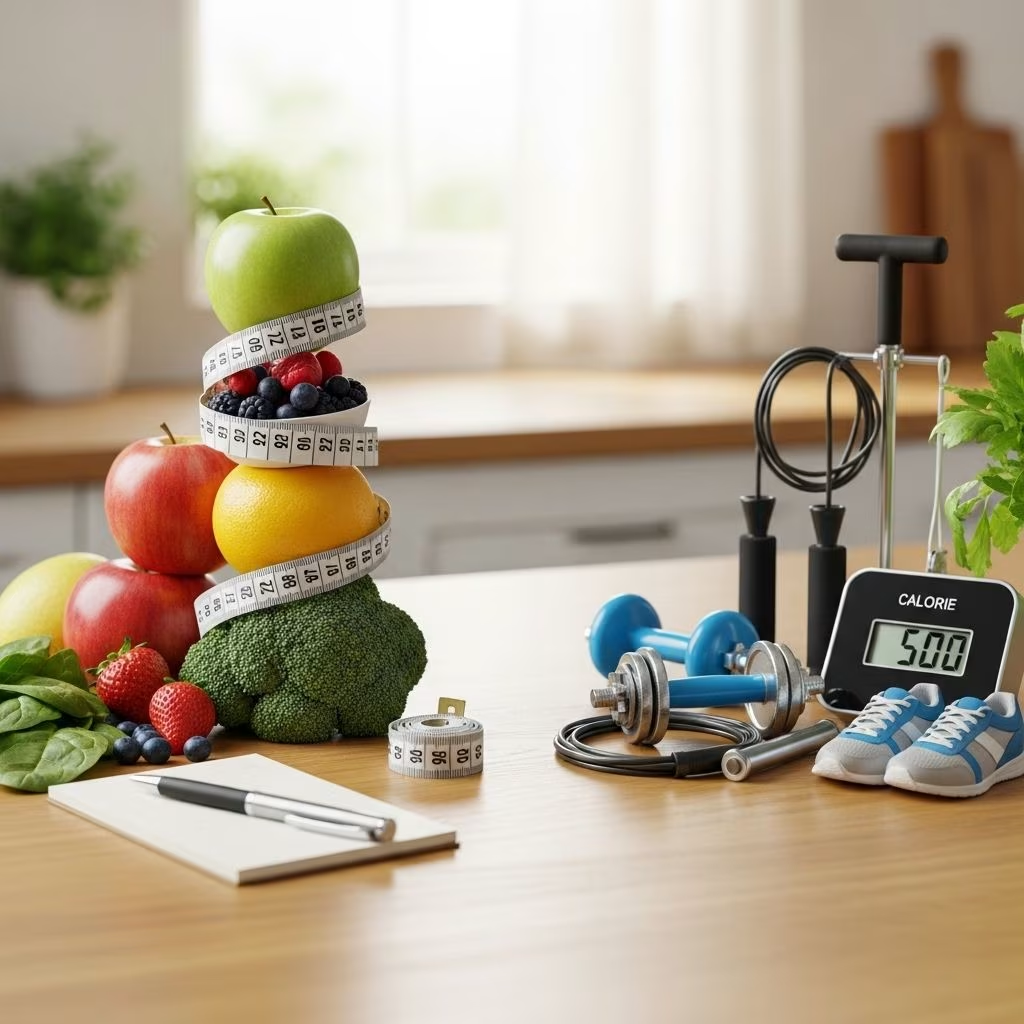
25 Smart Strategies to Cut 500 Calories a Day
Reducing your daily calorie intake by 500 calories can help you lose around one pound per week — a realistic and sustainable pace. These 25 expert-backed tips prioritize manageable lifestyle changes that don’t require extreme dieting or deprivation. Integrate several into your routine to achieve lasting weight loss and improved health.
1. Slow Down and Chew Thoroughly
Chewing each bite twice as long as usual allows your body to register fullness sooner. Research suggests this mindful approach can help you eat up to 100–120 fewer calories per meal, totaling nearly 400–500 daily, simply by becoming aware of your eating pace.
2. Drink Water Instead of Sugary Beverages
Opt for water (add lemon for taste) rather than soda, juice, or sugary beverages. Each can of regular soda contains about 140–200 calories. Swapping just three sodas per day for water eliminates up to 600 calories. The hydration also supports metabolism and increases satiety.
3. Brew Your Own Iced Coffee
A Starbucks Grande Mocha Frappuccino clocks in at roughly 405 calories, while a homemade cold brew with minimal or no sweetener is almost calorie-free. Making this simple swap daily can significantly reduce your calorie intake.
4. Cook More Meals at Home
People who prepare dinner at home consume about 140 fewer calories per meal compared to those who dine out, order takeout, or rely on prepackaged foods. Preparing your own breakfast and lunch can bring you close to a 500-calorie savings — and typically results in healthier, more balanced meals.
5. Embrace Fidgeting and Light Activity
Non-exercise activity, like fidgeting, pacing, or window shopping on your lunch break, can boost your daily calorie burn by 350 calories or more compared to prolonged sitting. Bonus: A brisk lunchtime stroll adds roughly 150 calories burned to your tally.
6. Ask for Half Your Restaurant Meal To-Go
Restaurant portions are often two or three times larger than necessary. Have half your meal boxed before it even arrives at the table — you’ll avoid overeating and potentially save an average of 750 calories in a single meal. Enjoy the other half as a ready-made meal for later.
7. Swap Prime Rib for Leaner Cuts
A 16-ounce restaurant prime rib can contain 1,400 calories. Choosing a sirloin steak (about 700 calories) slashes your intake in half. Opting for a filet mignon (typically 9 ounces and 450 calories) brings even greater savings, without sacrificing flavor or satiety.
8. Pause Between Bites
Setting your fork down and taking breaks between each bite forces you to slow down, savor your meal, and tune into hunger cues. This practice can help you consume up to 300 fewer calories per meal, easily reaching a daily 500-calorie reduction.
9. Aim for 7-8 Hours of Sleep Each Night
Sleep deprivation is linked to slower metabolism and increased cravings for sweets and junk food. Studies show chronically tired individuals consume about 300 more calories daily than those well-rested, largely from high-calorie snacks. Getting adequate rest is a powerful — and often overlooked — weight loss strategy.
10. Work Out Before Breakfast and Set an Early Dinner Cutoff
Exercising before breakfast can help you burn 280 extra calories throughout the day versus working out later. Additionally, avoiding food after 7 p.m. — particularly nighttime snacking — can eliminate another 240 calories daily. In combination, this approach lets you cut more than 500 calories per day.
11. Skip the Bread and Olive Oil at Restaurants
While olive oil is healthy in moderation, dipping bread in it adds calories quickly. Two or three slices can push you over 500 calories before your entree arrives. Forgo the bread basket entirely to save those calories for a more satisfying meal.
12. Eat in Front of a Mirror
Surprisingly, research shows that eating in front of a mirror encourages healthier food choices and can reduce overall calorie intake by about 400 calories per meal. The increased self-awareness prompts better portion control and decision-making.
13. Change Up Your Walks for Higher Calorie Burn
Incorporate short, fast intervals (for example, a 1-minute brisk pace every 4 minutes) during walks to increase calorie expenditure by 20% compared to flat-paced walking. Exposing yourself to cold air while walking also boosts calorie burn — a combination that can easily add up to over 200 added calories burned per walk.
14. Opt for Protein-Rich Snacks and Meals
Including a source of protein with every meal and snack — like Greek yogurt, boiled eggs, lean meats, or legumes — increases satiety, reduces hunger, and leads to lower overall calorie consumption. Protein takes longer to digest, naturally helping you cut back on empty calories.
15. Eat with Your Non-Dominant Hand
This simple trick disrupts automatic eating patterns, forcing you to slow down and pay closer attention to your food. Studies have found that you’ll consume significantly less during snack times and meals without feeling deprived.
16. Serve Food on Smaller Plates
Visual cues play a significant role in our appetite. Using a smaller plate makes portions look larger, encouraging you to eat less while still feeling satisfied. This can cut hundreds of calories per meal — especially at home.
17. Prep Healthy Snacks in Bulk
Have fruit, unsalted nuts, pre-cut veggies, or low-fat yogurt on hand so you’re not tempted to reach for chips or sweets. Choosing nutrient-dense, lower-calorie snacks prevents mindless munching and helps manage your daily intake.
18. Skip Mindless Eating
Whether in front of the TV, computer, or smartphone, distracted eating almost always leads to overeating. Tune into your hunger cues, focus on each bite, and stop eating when you feel satisfied — not stuffed. This change alone can reduce your intake significantly over time.
19. Box Up Restaurant Desserts for Later
If dessert is a must, split it with a friend or have half packed to go. A typical restaurant dessert can exceed 700 calories — simply sharing it or saving half for another time immediately halves your intake.
20. Use Vegetables to Add Volume, Not Calories
Incorporate vegetables into every meal and snack. They are high in fiber and water and low in calories, which means you can eat larger volumes to feel full, while still cutting overall calorie intake. Add spinach or mushrooms to your omelet, bulk up soups with extra veggies, and snack on carrot and celery sticks instead of chips.
21. Practice Mindful Eating Daily
Check in with your hunger before grabbing a snack or second helping. Ask yourself: Am I really hungry, or just bored, tired, or stressed? Slowing down and being purposefully present during meals helps you spot true hunger and avoid unnecessary calories.
22. Quench Your Thirst Before You Eat
Drinking a glass of water before meals helps you feel fuller and reduces the likelihood of overeating. Studies indicate drinking water before a meal can cut your intake by about 90 calories; repeated at each meal, that’s a reduction of nearly 300 calories per day.
23. Choose Ancient Grains Over Refined Carbs
Switching out refined grains for ancient grains like quinoa, farro, or millet boosts your meal’s fiber and protein content, enhancing satiety and helping cut calories overall. Plus, higher fiber intake is associated with less weight gain over time.
24. Cut Out Liquid Calories
Aside from water and unsweetened tea or coffee, most beverages add hidden calories without filling you up. Skip fruit juices, sweetened teas, and energy drinks — some of which pack over 150 calories per serving.
25. Don’t Shop Hungry
Always eat a small, healthy snack before grocery shopping. Shopping hungry leads to impulse purchases of high-calorie processed foods, making it much harder to stick to a healthy eating plan at home.
Frequently Asked Questions (FAQs)
Q: Will cutting 500 calories a day guarantee weight loss?
A: Consistently reducing your intake by 500 calories per day produces an estimated one-pound weight loss per week for most adults. However, individual results can vary depending on starting weight, activity level, metabolism, and other factors.
Q: Do I have to exercise to achieve a 500-calorie deficit?
A: You can create a 500-calorie deficit by reducing food intake, increasing physical activity, or combining the two. Many people find the most success with a mix of both approaches.
Q: Are there risks to cutting too many calories?
A: Extreme calorie restriction can slow metabolism, reduce muscle mass, and lead to nutritional deficiencies. Aim for slow and steady weight loss, and consult a healthcare provider if considering major diet changes.
Q: Can these strategies help with long-term weight maintenance?
A: Yes, the strategies listed encourage permanent lifestyle habits that make it easier to maintain a healthy weight long term — not just achieve initial weight loss.
Q: What are some examples of foods to avoid for easy calorie cuts?
A: High-calorie beverages, large restaurant portions, fried snacks, creamy sauces, and desserts are frequent culprits. Swapping these for water, lean proteins, vegetables, and home-cooked meals makes cutting calories easier.
References
- https://www.prevention.com/weight-loss/g20508490/20-ways-to-cut-500-calories-a-day/
- https://www.womenshealthmag.com/weight-loss/a19947832/sneaky-ways-to-cut-calories/
- https://www.prevention.com/weight-loss/g20432475/15-ways-to-cut-hundreds-of-empty-calories-a-day/
- https://www.prevention.com/weight-loss/g20450964/mistakes-you-make-when-losing-last-10-pounds/
- https://pmc.ncbi.nlm.nih.gov/articles/PMC8017325/
- https://www.prevention.com/fitness/a20485587/benefits-from-walking-every-day/
- https://www.prevention.com/weight-loss/a20474357/weight-loss-80-percent-diet-and-20-percent-exercise/
- https://www.medicalnewstoday.com/articles/322220


