


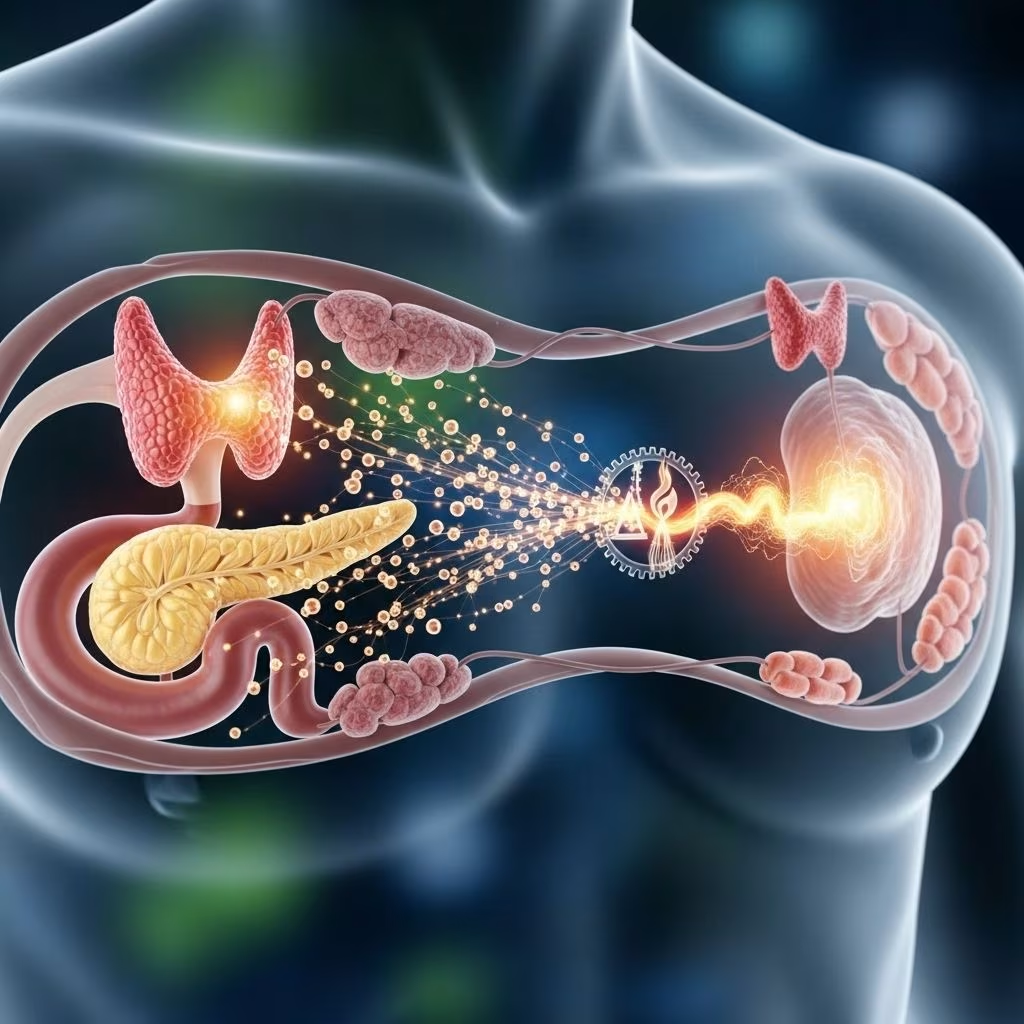
How to Activate Your Weight Loss Hormones for Lasting Results
When it comes to losing weight and keeping it off, countless people focus primarily on calories, diet plans, and gym routines. While these factors matter, hormones play an equally critical—and often overlooked—role in controlling how your body burns fat, stores energy, and signals hunger. Understanding this hormonal connection, and learning how to tip the scales in your favor, can be the missing piece for achieving sustainable results.
Why Hormones Matter for Weight Loss
Hormones such as insulin, leptin, ghrelin, cortisol, and thyroid hormones act as key regulators for appetite, metabolism, and fat storage. Their balance determines whether your body prefers to burn or store fat and how hungry or satiated you feel throughout the day. If you’ve hit a plateau or struggle with persistent cravings, your hormones may be the reason behind it.
- Leptin: Signals your brain when you have enough fat stored, helps regulate hunger.
- Insulin: Controls blood sugar, energy storage, and influences fat burning.
- Ghrelin: Known as the “hunger hormone,” prompts appetite, especially before meals.
- Cortisol: Triggers cravings and abdominal fat storage in response to stress.
- Thyroid Hormones: Regulate metabolic rate, energy levels, and fat burning.
Let’s explore four proven strategies for naturally optimizing these hormones and how each method targets the metabolic triggers essential for healthy weight loss.
1. Balance Blood Sugar to Tame Insulin
Insulin’s main job is to shuttle glucose (from carbs) into your cells for energy. When you eat a high-sugar or overly processed meal, insulin spikes—and frequent spikes mean more fat storage and potentially insulin resistance, a condition linked to obesity and diabetes.
Ways to improve insulin sensitivity:
- Choose Low Glycemic Carbs: Focus on whole grains, beans, lentils, and vegetables that slowly release energy, stabilizing blood sugar.
- Eat Healthy Fats and Protein: Incorporate foods like salmon, olive oil, nuts, seeds, lean poultry, and eggs. These slow digestion and reduce the insulin spike after meals.
- Avoid Sugary Drinks and Processed Foods: Soda, white bread, pastries, and snacks rapidly spike blood sugar and insulin.
- Try the Mediterranean Diet: Studies show Mediterranean-style eating—rich in vegetables, whole grains, nuts, and olive oil—improves insulin sensitivity and supports fat loss.
| Food Type | Impact on Insulin | Examples |
|---|---|---|
| Low Glycemic | Stabilizes blood sugar, reduces spikes | Lentils, sweet potatoes, berries |
| High Glycemic/Processed | Causes rapid spikes | White bread, soda, candy |
| Healthy Fats & Protein | Slows digestion, lessens spikes | Avocado, salmon, eggs |
By eating for blood sugar control, you encourage your body to burn rather than store fat and improve long-term metabolic health.
2. Prioritize Sleep to Regulate Hunger Hormones
Poor sleep wreaks havoc on your hormonal balance, raising hunger and stress hormones while lowering satiety signals. After a night of insufficient or fragmented sleep:
- Leptin (satiety hormone) drops, making you feel less full.
- Ghrelin (hunger hormone) rises, producing powerful cravings—especially for high-calorie snacks.
- Cortisol increases, prompting your body to store more abdominal fat.
Adults should aim for 7–8 hours of quality sleep every night. Establish a relaxing pre-bed routine, ditch screens at least 30 minutes before bed, and keep your bedroom cool and dark for optimal sleep hormone production.
Simple Sleep Hygiene Tips:
- Consistent sleep and wake times
- Avoid caffeine after mid-afternoon
- Relaxation techniques: reading, meditation, or deep breathing
- Avoid heavy late-night meals
Nourishing your sleep cycles will help restore hormone balance, curb cravings, and keep your metabolism humming.
3. Manage Stress to Lower Cortisol
Cortisol—often called the stress hormone—is released by your adrenal glands whenever you’re anxious, pressured, or overwhelmed. Occasional increases support short-term survival, but chronic stress leads to persistently high cortisol, increasing appetite, especially for sugary foods, and directing fat storage to your abdominal area.
Effective Stress-Busting Techniques:
- Exercise Regularly: Movement, especially aerobic activities like walking, running, or cycling, decrease cortisol and boost mood.
- Mindfulness & Meditation: Practices that help you slow down and focus on the present lower stress and support hormonal regulation.
- Social Connection: Spending time with loved ones or supportive groups naturally soothes stress response.
- Nature Exposure: Time outdoors, in sunlight or green spaces, lowers cortisol—and helps support healthy vitamin D levels, which also benefit metabolism.
Integrating these rituals not only helps reduce emotional eating, but retrains your body to avoid stress-driven weight gain.
4. Use Exercise to Improve Leptin and Metabolic Hormones
Physical activity is one of the most potent ways to reset your body’s key metabolic hormones. Exercise improves leptin sensitivity, boosts insulin action, and keeps your thyroid function robust. Over time, this means better appetite signals and a stronger ability to burn fat.
| Exercise Type | Primary Hormonal Benefit | Bonus Effect |
|---|---|---|
| Aerobic/Endurance | Improves insulin sensitivity | Stabilizes blood sugar, lifts mood |
| Strength Training | Boosts growth hormone, increases lean muscle | Raises metabolism |
| HIIT | Improves leptin response | Maximizes fat burning |
Aim for a combination: At least 150 minutes per week of aerobic exercise, plus two weekly sessions of resistance training. Even brisk walks and short bodyweight workouts count—what matters most is consistency!
Bonus Hormonal Hacks for Sustainable Weight Loss
- Omega-3 Fatty Acids: Found in fish, flaxseeds, chia, and walnuts, these help modulate insulin and inflammation for better weight control.
- Don’t Fear Healthy Fats: Avocados, olive oil, and nuts promote satiety and steady hormone levels.
- Monitor Thyroid Function: Thyroid imbalances can slow your metabolism; consult a healthcare professional if you suspect issues.
- Avoid Extreme Diets: Severe calorie restriction or yo-yo dieting can disrupt leptin and ghrelin, making regaining weight more likely.
Frequently Asked Questions (FAQs)
Q: What is leptin resistance and how does it impact my weight?
A: Leptin resistance occurs when your brain fails to respond to leptin signals, leaving you hungry even with plenty of fat stores. It’s common in obesity and makes it harder to lose weight. Improving diet, sleep, and exercise helps restore leptin sensitivity.
Q: Can thyroid hormones make fat loss easier?
A: Thyroid hormones are vital for metabolism, but treating an underactive thyroid does not automatically cause weight loss. It’s important for overall energy and fat burning, but balanced nutrition and exercise remain essential.
Q: How does sleep affect weight loss hormones?
A: Poor sleep increases ghrelin (hunger hormone) and lowers leptin (satiety hormone), making you crave high-calorie foods. Consistent, adequate sleep supports healthy hormone levels and appetite control.
Q: Is exercise more important than diet for hormonal health?
A: Both are crucial! Regular workouts improve insulin, leptin, and growth hormone, while nourishing meals fuel your metabolism and keep hormones balanced. Diet and exercise work best together.
Q: Could chronic stress derail my weight loss journey?
A: Yes. Persistent stress spikes cortisol, driving cravings and belly fat storage. Managing your stress is important for hormonal balance and long-term weight control.
Takeaway: Master Your Metabolism Through Hormonal Optimization
The path to lasting weight loss is about much more than food or fitness—it’s about supporting your hormonal health. When you balance insulin, nurture leptin and ghrelin, protect thyroid function, and manage stress and sleep, you enable your body to burn fat efficiently, curb cravings, and feel energized.
- Focus on whole, nutrient-rich foods
- Get regular exercise—mixing cardio and strength training
- Prioritize sleep and stress reduction daily
- If you suspect hormonal imbalance, consult a health professional for guidance
Empower your weight loss journey by treating your hormones as key partners. With the right habits, your metabolic health will support sustainable fat loss and overall vitality.
References
- https://www.claritychirotrt.com/blog/hormones-and-weight-loss-des-moines
- https://www.brownhealth.org/be-well/how-do-hormones-influence-persons-weight
- https://www.healthline.com/nutrition/9-fixes-for-weight-hormones
- https://pmc.ncbi.nlm.nih.gov/articles/PMC3147122/
- https://my.clevelandclinic.org/health/articles/22464-hormones
- https://www.betterhealth.vic.gov.au/health/healthyliving/obesity-and-hormones
- https://www.benendenhospital.org.uk/health-news/helpful-tips/fat-burning-hormones/
- https://www.stamfordhealth.org/healthflash-blog/fitness-and-wellness/on-weight-loss-and-hormones
- https://www.ncbi.nlm.nih.gov/books/NBK555906/


