


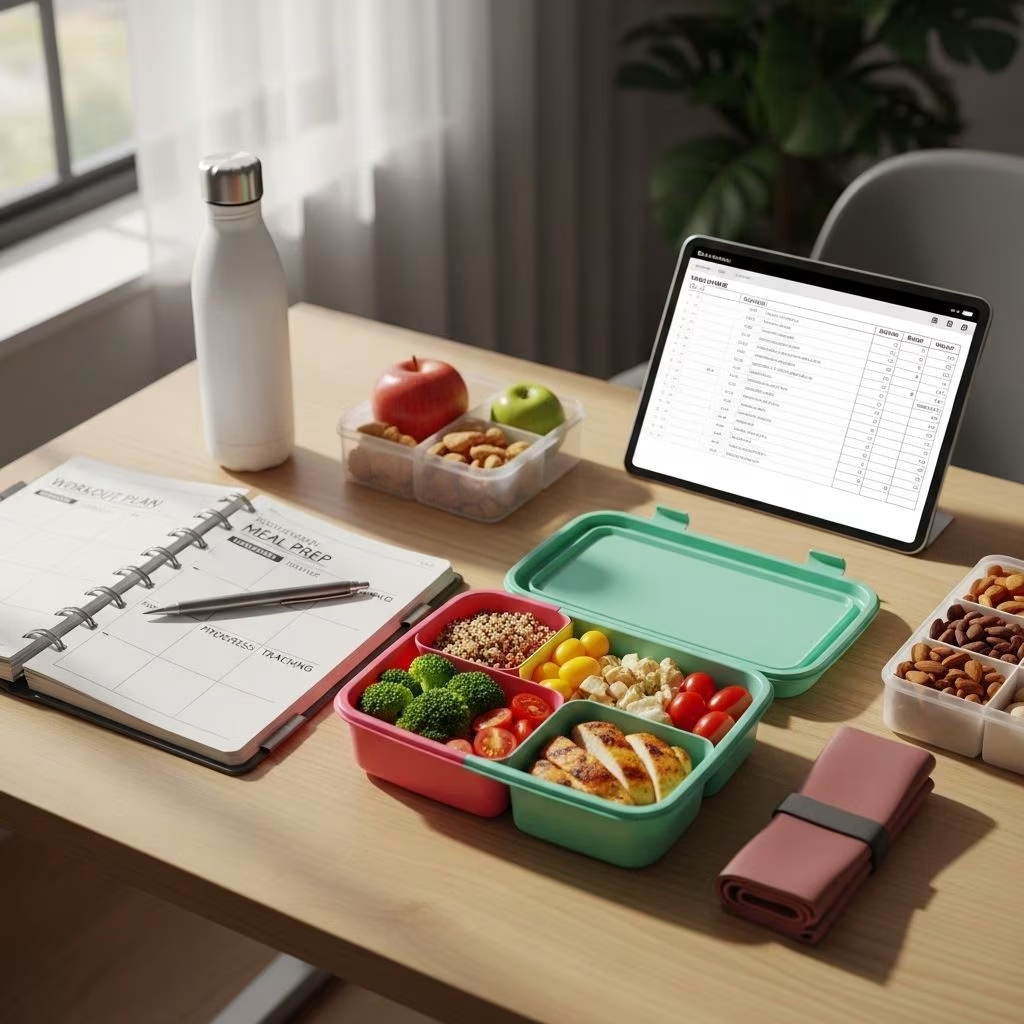
If you feel like your weight loss journey has stalled, the missing piece might not be another diet or fitness routine—it might be organization. Creating a clutter-free, structured environment both physically and mentally can help you shed pounds more efficiently by setting you up for success at every step. This comprehensive guide explores how to make your kitchen, snack game, and life more orderly to align your surroundings with your health goals.
Why Clutter Sabotages Weight Loss Goals
A cluttered space can undermine your best intentions. Disorganized kitchens, overstuffed fridges, and chaotic routines create stress, confusion, and easy slip-ups. Studies indicate that people are more likely to overeat, choose processed foods, and experience decision fatigue when surrounded by mess or too many choices. In contrast, an organized environment subtly nudges you toward better, healthier decisions—often without needing extra willpower.
Step One: Start With Your Fridge
The refrigerator is often the heart of your eating habits. If it’s packed with leftovers and sodas instead of greens and lean proteins, you’re more likely to reach for convenience rather than nutrition when hunger strikes.
- Clear It Out: Empty the fridge completely. Toss expired items, takeout containers, and anything lacking nutritional value.
- Restock With Purpose: Place healthy staples—like Greek yogurt, cut veggies, fruit, and lean deli meats—front and center, especially at eye level. This way, nutritious options are always visible and accessible.
- Relegate Treats: Move indulgent foods or treats to the back. In moments of hunger, you’ll naturally reach for the first thing you see.
Expert Tip: Arrange your fridge so that the foods you plan to eat most frequently are easiest to grab. This eliminates the need to search for healthy items, reducing the temptation to impulsively opt for less nutritious choices.
Step Two: Clean Off Your Counters
Countertops are prime real estate for meal prep. When cluttered with mail, appliances, or random objects, they slow you down and discourage home cooking. If prepping a simple meal means cleaning first, the chances of resorting to takeout skyrocket.
- Clear Clutter: Store away rarely used gadgets and remove non-kitchen items.
- Display Helpful Tools: Keep essentials like a quality cutting board, kitchen scale, measuring cups, and possibly a blender or food processor easily accessible. These tools make healthier cooking more convenient and enjoyable.
- Hide Temptations: Put away cookie jars and snacks to minimize mindless munching.
Keeping your counters tidy helps you mentally prepare for healthy meal creation, giving you fewer excuses to reach for quick fixes like delivery or prepackaged meals.
Step Three: Don’t Forget the Freezer
An organized freezer can be a secret weapon for healthy, last-minute meals. Without system, the freezer becomes a crowded repository for neglected leftovers, forgotten vegetables, and bulk proteins that never see the light of day.
- Purge Old Foods: Discard expired, freezer-burned, or unidentifiable items.
- Restock Smartly: Store steamable bags of veggies, individually portioned proteins, and homemade soups you can quickly reheat.
- Keep an Inventory: Attach a simple list to the freezer door. Update it when you add or remove items. This helps you plan meals, reduce grocery trips, and avoid food waste.
Freezer meal prepping can offer flexibility on busy days and help you resist the lure of takeout.
Step Four: Streamline Your Snacks
Snacking can derail even the best diets—or become an advantage if managed thoughtfully. Organization is key to transforming snacks from a weakness to a strength.
- Reduce Over-Choice: Limit the types of snacks you purchase. There’s no need for multiple varieties of cookies or chips when one satisfying option for sweet and one for salty will do.
- Front-Load Healthy Snacks: Store nutritious snacks like nuts, fruit, or prepped veggie sticks at eye level in your pantry and fridge.
- Pre-Portion Servings: Use snack-size bags or containers for items like nuts and crackers. Having single-serve options curbs portion creep and helps avoid mindless grazing.
- Use Tools To Aid Portion Control: Place a measuring cup inside the snack container (like cereal or trail mix) so you’re automatically reminded to serve the correct amount.
When snack options are simple, healthy, and visible, you make better choices with less effort and fewer willpower battles.
Organizing Your Routines: Meal Planning and Prep
Routines anchor our behaviors. By establishing simple systems for meals and snacks, you make it easy to stick to your weight loss plan without elaborate willpower or day-to-day decision-making.
- Create a Meal Prep Guide: Spend 15 minutes each week mapping out your meals and snacks. Align your grocery shopping with this plan, minimizing impulse buys.
- Prepare Ingredients and Meals in Advance: Chop veggies, prep proteins, and assemble snack bags so healthy options are always ready when you are.
- Use Checklists and Inventories: A whiteboard or meal chart can help you track what’s prepped, what’s needed, and your progress through the week.
The Psychology Behind Organization and Weight Loss
Organization isn’t just about cleanliness. It subtly restructures your environment so that healthy choices become easier and more automatic. Psychological research supports that reducing external chaos reduces internal stress, lowering your risk of emotional eating. When healthy options are obvious and default, you’re more likely to stick to your plans, even when willpower dips.
Essential Kitchen Tools for Streamlined Weight Loss
- Cutting Board: For easy veggie chopping.
- Kitchen Scale: For accurate portion control.
- Measuring Cups/Spoons: To avoid oversized servings.
- Blender or Food Processor: For quick smoothies or meal prep.
- Slow Cooker or Grill: To simplify healthy cooking.
| Aspect | Disorganized | Organized |
|---|---|---|
| Fridge | Takeout containers, hidden produce, sugary drinks visible | Fresh produce at eye level, treats in the back, labeled leftovers |
| Countertops | Papers, unused gadgets, open snacks | Clear, with only prepping essentials and fresh fruit bowl |
| Pantry | Multiple snack varieties, bags haphazardly stored | Healthy snacks in front, pre-portioned servings, containers labeled |
Bonus: Quick Organizational Hacks for Busy People
- Designate a “healthy snack” shelf in both pantry and fridge to create a go-to spot.
- Use see-through containers for cut fruits and veggies for visual cues.
- Label shelves and bins to make storage and restocking instant and easy.
- Prepare grab-and-go lunches in advance and stack them front and center.
- Review your kitchen and pantry weekly for expired or unused foods—keep only what you need.
Frequently Asked Questions (FAQs)
Is getting organized really that important for weight loss?
Absolutely. Research and expert opinion consistently show that a tidy, well-designed environment reduces friction points for healthy behavior and increases the likelihood of making nutritious choices effortlessly.
How often should I clean out my fridge and pantry?
It’s ideal to review your fridge and pantry once per week. This matches most grocery shopping cycles and helps prevent buildup of expired or unhealthy foods.
What are the best healthy snacks to stock?
Some great options include pre-portioned nuts, cut veggies with hummus, plain Greek yogurt, fruit, and single-serve packs of whole-grain crackers.
How can I stop overeating snacks?
Pre-portion snacks into individual bags or containers immediately after shopping, and always use a measuring cup or spoon to serve. Place tempting snacks in less accessible spots to create a moment of pause before indulging.
Does this method take a lot of time to set up?
Initial decluttering can take a few hours, but maintenance is quick. Most methods, like labeling, prepping snacks, and updating inventories, only take a few minutes weekly and save time in the long run.
Final Thoughts: Organization As a Long-Term Weight Loss Strategy
Getting organized is about more than a single deep clean—it’s a lifestyle shift that empowers every healthy decision. By preparing your kitchen, routines, and mindset, you transform willpower into habit and make each choice just a little bit easier. Small, sustainable steps in environment design and routine lead to consistent calorie control, smarter eating, and a steadier journey to your weight loss goals.
Remember: The path to healthier living is paved with organization. A structured environment is the simplest and most overlooked tool at your disposal. Start today, and watch your habits—and your health—transform.
References
- https://www.prevention.com/weight-loss/a20513150/how-to-get-organized-lose-weight-faster/
- https://www.prevention.com/weight-loss/a20437039/100-easy-tricks-to-move-more-and-lose-weight/
- https://www.prevention.com/weight-loss/diets/g20440614/25-best-weight-loss-tips-ever/
- https://www.prevention.com/health/a38294538/declutter-your-diet/
- https://www.prevention.com/weight-loss/g20514884/organize-kitchen-for-weight-loss/
- https://www.prevention.com/weight-loss/a20432968/5-weight-loss-tips-from-weight-watchers-ceo/
- https://www.prevention.com/weight-loss/g20494908/how-to-start-losing-weight/
- https://www.prevention.com/weight-loss/a20445219/diet-and-weight-loss-success-story-1/
- https://www.prevention.com/weight-loss/a20511023/bullet-journal-weight-loss/
- https://www.prevention.com/weight-loss/a20501539/how-to-maintain-weight-loss/


