


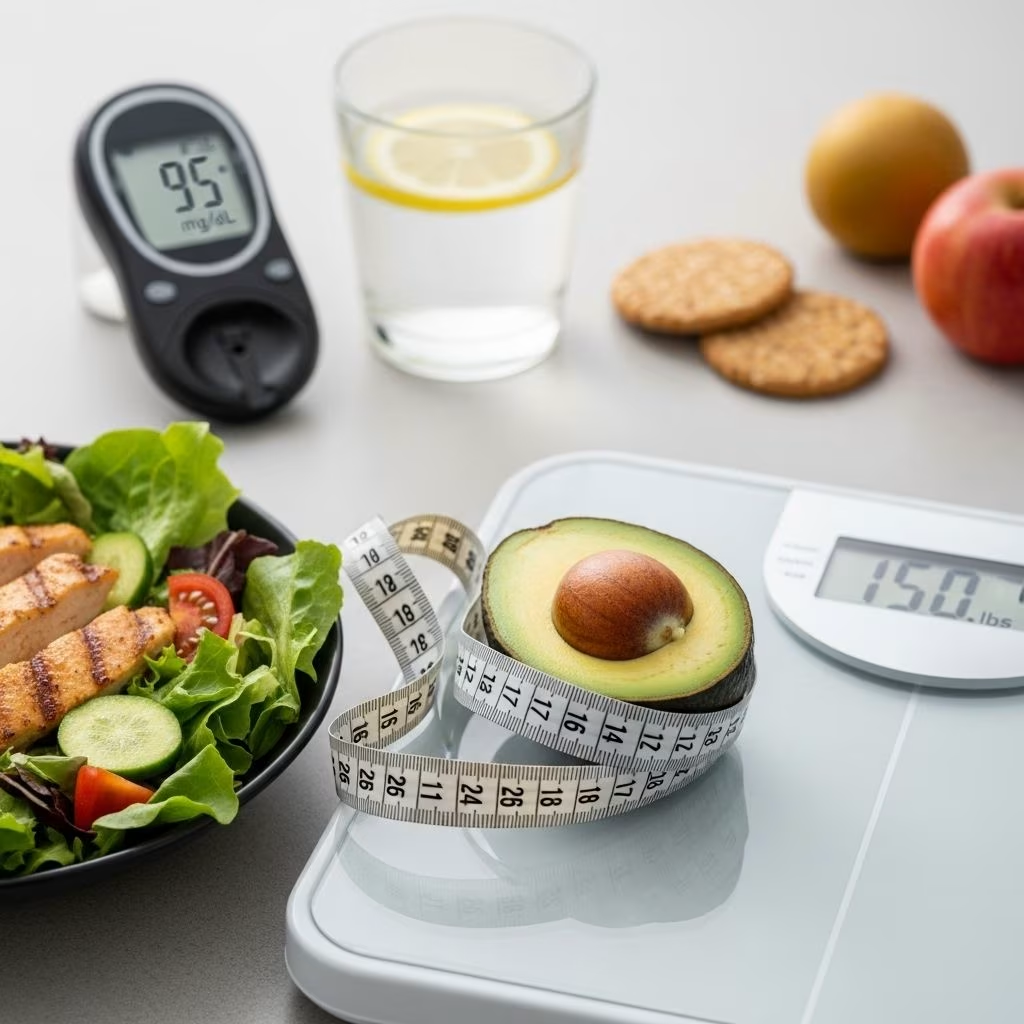
Managing weight loss is challenging in the best of circumstances, but when you experience low blood sugar episodes or have reactive hypoglycemia, it can be especially tricky. Instead of fad diets or extreme workouts, those with low blood sugar need a careful balance of nutrition and lifestyle changes. This article shares practical, science-backed strategies to support weight loss—and overall health—without triggering unwanted symptoms.
Understanding Low Blood Sugar and Its Impact on Weight Loss
Reactive hypoglycemia—a type of low blood sugar—occurs when glucose levels fall several hours after consuming carbohydrates. Unlike diabetes, where high blood sugar is the hallmark, people with reactive hypoglycemia experience a rapid drop in blood sugar as their body either releases too much insulin (which shuttles sugar out of the blood) or too little glucagon (which acts to raise blood sugar by releasing stored glucose).
The main challenges for those with low blood sugar aiming for weight loss include:
- Needing to eat regularly to prevent blood sugar crashes
- Symptoms such as shakiness, brain fog, nausea, headaches, and intense hunger when blood sugar drops
- Having to consume carbohydrates immediately during blood sugar dips—often regardless of hunger
- Difficulty sustaining restrictive diets or intense exercise regimens
If you recognize these symptoms, it’s crucial to check with a healthcare professional before making major lifestyle changes, to rule out diabetes or other conditions and ensure safe management.
Why Low Blood Sugar Makes Weight Loss More Complex
When blood sugar plummets, quick-acting carbohydrates become necessary—often leading to unintentional overeating or selecting less-nutritious foods. Crash diets and skipping meals can trigger episodes, and high-intensity workouts without correct fueling may worsen symptoms. The key to success is nourishing your body adequately, prioritizing steady blood sugar and energy.
Key Principles for Weight Loss with Low Blood Sugar
- Eat small, balanced meals every 3–4 hours to keep blood sugar stable.
- Limit fast-burning sugars and refined carbohydrates; choose slowly-digested carbs.
- Distribute carb intake evenly throughout the day, avoiding long gaps without food.
- Pair carbohydrates with fiber, protein, or healthy fats to slow digestion and prevent quick spikes (or drops) in blood sugar.
- Listen to hunger cues—but plan ahead to avoid energy dips.
Smart Strategies: How One Person Lost 20 Pounds—and Kept It Off
After years of battling reactive hypoglycemia, one woman’s success came from rethinking both what and when she eats. Her approach—evidence-based and adaptable to daily life—offers hope and guidance for anyone in a similar position.
1. Eating Small, Frequent, Balanced Meals
- Eat every 3 to 4 hours, even if you aren’t very hungry, to prevent dramatic blood sugar swings.
- Each meal should include:
- Lean protein (eggs, chicken, Greek yogurt, tofu)
- High-fiber, lower glycemic index carbohydrates (quinoa, sweet potato, whole grains)
- Healthy fats (nuts, seeds, avocado, olive oil)
- Non-starchy vegetables (spinach, peppers, broccoli)
Balancing your plate each time you eat ensures slower digestion, extended feelings of fullness, and more stable energy.
2. Limiting Sugar and Fast-Burning Carbs
Foods like white bread, candy, and processed snacks rapidly raise blood sugar and then cause it to crash—especially troublesome for those with reactive hypoglycemia.
- Avoid added sugars and white flour products.
- Minimize snacks that list sugar or syrup in the first few ingredients.
- Check for hidden sugars in processed foods.
Why this matters: Simple carbs can make your symptoms worse. Instead, choose foods that digest more slowly and help stabilize blood sugar over the long term.
3. Choosing Low Glycemic Index (GI) Carbohydrates
The glycemic index ranks carbohydrates from 0–100, based on how quickly they raise blood sugar. Low-GI foods produce a slower, more gradual rise—ideal for those seeking stability (and lasting satiety). Examples include:
| High Glycemic Index (Avoid/Limit) | Low Glycemic Index (Prefer) |
|---|---|
| White bread | 100% whole grain bread |
| White rice | Brown rice, wild rice, quinoa |
| Candy, sugary cereals | Steel cut oats, sweet potatoes, beans |
| Pastries and baked sweets | Lentils, barley, non-starchy vegetables |
Switching to lower-GI carbs means fewer sugar spikes and crashes, steadier energy, and less reliance on quick-fix snacks.
4. Savoring Sweets, Mindfully
- When you crave cookies or chocolate, aim to choose types with some fiber and healthy fats—such as oatmeal cookies with walnuts.
- Have sweet treats after a balanced meal, not on an empty stomach, to soften the sugar’s impact.
- Ask yourself if the treat is truly worth it—mindful indulgence helps with portion control and satisfaction.
Practical Meal Planning for Energy and Weight Loss
To avoid low-energy or hypoglycemic episodes, structure your meals and snacks with an emphasis on balance and timing.
- Include a source of protein and/or healthy fat with each meal and snack (e.g., an apple with nut butter, or hummus with whole grain crackers).
- Spread your carbohydrate intake evenly across the day—do not overload at one meal and skip another.
- Prepare snacks in advance to have healthy options on hand (roasted chickpeas, Greek yogurt, cheese sticks, veggie sticks).
- If you work out or have an extended period between meals, plan a small carb-protein snack beforehand to prevent crashes.
Sample Day of Eating for Low Blood Sugar Weight Loss
| Meal/Snack | Example Choices |
|---|---|
| Breakfast | Greek yogurt, berries, handful of walnuts, sprinkle of chia seeds |
| Mid-Morning Snack | Sliced apple with almond butter |
| Lunch | Grilled chicken, quinoa salad with roasted veggies, olive oil vinaigrette |
| Afternoon Snack | Carrot sticks and hummus, small orange |
| Dinner | Baked salmon, sweet potato, steamed broccoli, side salad |
| Evening Snack | Low-fat cottage cheese, a few berries, a sprinkle of flaxseed |
Exercise and Low Blood Sugar
Physical activity is vital for weight management, but can trigger low blood sugar if not done mindfully:
- Pick moderate-intensity exercise (walking, cycling, yoga) over strenuous workouts if you’re prone to hypoglycemia.
- Eat a light carb-protein snack 30–60 minutes before exercising.
- Carry a fast-acting glucose source (like glucose tablets or juice) in case of sudden drops.
- Observe how different activities affect your blood sugar, and adjust accordingly.
Long-Term Lifestyle Tips for Lasting Results
- Prioritize sleep: Fatigue can increase sugar cravings and lower willpower.
- Manage stress: Chronic stress hormones can interfere with appetite and glucose control. Try meditation, nature walks, or breathing exercises.
- Track your triggers: Keep a log of when you experience symptoms and what you ate or did beforehand, to spot patterns and improve your routine.
- Stay hydrated: Dehydration can contribute to tiredness and sometimes mimic low blood sugar feelings.
Avoiding Common Pitfalls
- Skipping meals, which can provoke severe hypoglycemia.
- Relying on high-sugar ‘energy’ snacks out of habit.
- Extreme calorie restriction or fasting regimens, which are unsuitable and potentially dangerous for low blood sugar conditions.
- Overconsuming simple carbohydrates during crashes, leading to a blood sugar ‘rollercoaster’.
Additional Tips: What To Do If You Get a Sugar Crash
If you feel the warning signs of low blood sugar (shakiness, sweating, confusion, or irritability):
- Immediately eat or drink 15–20 grams of fast-acting carbohydrates (such as 4 ounces of juice or 3–4 glucose tablets).
- Wait 15 minutes, then check how you feel. If symptoms persist, repeat the process.
- Once recovered, eat a small, balanced snack to help stabilize levels.
Benefits for Everyone: Why Blood Sugar Stability Supports Weight Loss & Energy
Even for those without hypoglycemia, maintaining stable blood sugar:
- Smooths out energy dips and peaks throughout the day
- Positively influences hunger hormones
- Reduces cravings for sugar and processed carbs
- Contributes to better mood, focus, and willpower
- Supports a sustainable approach to weight management
Frequently Asked Questions (FAQs)
Q: Can I follow popular diets such as keto or intermittent fasting if I have low blood sugar?
A: Generally, extreme diets are not recommended for people with reactive hypoglycemia, as they may lead to gaps in nutrition and provoke blood sugar crashes. It is important to consult a healthcare professional for individualized recommendations.
Q: What should I eat if I feel my blood sugar dropping suddenly?
A: Eat 15–20 grams of fast-absorbing carbohydrates, like juice or glucose tablets, wait 15 minutes, then follow up with a balanced snack containing protein and complex carbs for sustained energy.
Q: Are there particular foods that help prevent my blood sugar from dropping?
A: Emphasize foods high in fiber and protein, and low in refined sugars—such as beans, whole grains, nuts, and lean proteins—paired with healthy fats. These slow digestion and help keep blood sugar steady.
Q: Is exercise safe for people with low blood sugar?
A: Yes, but choose moderate activities and fuel appropriately before, during, and after exercise. Have a quick source of glucose on hand in case you feel symptoms.
Q: Should I be worried about developing diabetes if I have reactive hypoglycemia?
A: While reactive hypoglycemia is not the same as diabetes, it is still important to monitor your health with your doctor and manage risk factors through balanced nutrition, regular activity, and healthy weight maintenance.
Takeaway: Your Healthy Path Forward
For those with low blood sugar, successful weight loss hinges on consistency, planning, and self-awareness. Focusing on the quality of your carbohydrates, meal timing, and healthy combinations can stabilize both blood sugar and weight. Remember to consult your healthcare provider for personalized advice—especially before making major changes to your eating or exercise patterns.
References
- https://pmc.ncbi.nlm.nih.gov/articles/PMC2996166/
- https://www.prevention.com/weight-loss/a20515803/low-blood-sugar-weight-loss/
- https://www.prevention.com/health/health-conditions/a21764231/type-2-diabetes-definition/
- https://www.prevention.com/health/a34255185/how-to-reverse-prediabetes/
- https://www.prevention.com/weight-loss/g24805401/fat-burning-foods/
- https://diabetes.org/living-with-diabetes/hypoglycemia-low-blood-glucose/causes-prevention
- https://www.prevention.com/health/health-conditions/a32404289/diabetes-myths/
- https://www.mayoclinic.org/diseases-conditions/type-2-diabetes/in-depth/diabetes-prevention/art-20047639
- https://www.prevention.com/health/health-conditions/a20477285/diabetes-diet-meal-plan-week-one/
- https://www.health.harvard.edu/diseases-and-conditions/handling-hypoglycemia


