


\n\n
A vegan diet—centered around fruits, vegetables, legumes, whole grains, nuts, and seeds—has become increasingly popular, not just for ethical or environmental reasons, but also as an effective strategy for weight loss. But what does the science really say about the vegan diet and losing weight? Learn the facts, potential benefits, practical advice, and answers to common questions in this comprehensive guide.
\n\n
What Is a Vegan Diet?
\n
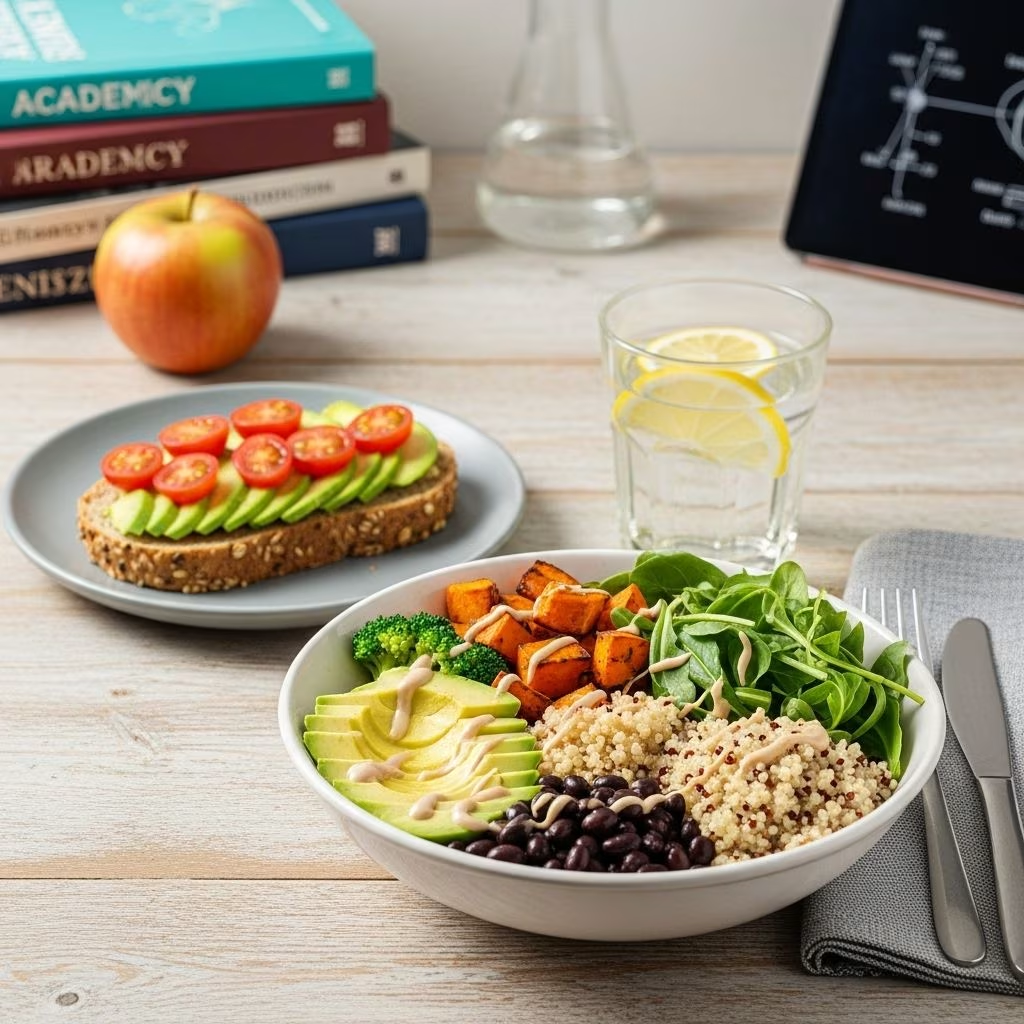
Veganism means eliminating all animal products from your diet. This includes not just meat, poultry, and fish, but also dairy, eggs, and honey. Most vegans base their meals around:
\n
- \n
- Fresh fruits and leafy greens
- Vegetables and root crops
- Legumes (beans, lentils, peas)
- Whole grains (brown rice, oats, quinoa, barley)
- Nuts and seeds
- Plant-based milks (such as almond, soy, or oat milk)
- Alternative proteins (like tofu, tempeh, seitan)
\n
\n
\n
\n
\n
\n
\n
\n\n
Many choose this way of eating for ethical reasons, but more people are exploring veganism thanks to its links to better health and easier weight management. But why?
\n\n
Does a Vegan Diet Help With Weight Loss?
\n
Compelling research supports the link between vegan diets and weight loss:
\n\n
- \n
- Lower BMI: People following a vegan diet tend to have a lower Body Mass Index (BMI) than omnivores or vegetarians.
- Head-to-head clinical studies: In several interventions, those on vegan diets lost significantly more weight than those following omnivorous, vegetarian, or other diet types.
- Better body composition: Lower intake of animal fats and higher intake of fiber lead to reduced body fat and waist circumference.
\n
\n
\n
\n\n
A 2016 multicenter trial found people on vegan diets lost more weight over six months than those following vegetarian, semi-vegetarian, or omnivorous diets, and also reduced their intake of saturated fats.
\n\n
According to the Physicians Committee for Responsible Medicine, plant-based diets contribute to healthy, sustainable weight loss because they are naturally low in calories and fat, and high in fiber—resulting in lower overall calorie intake even with larger portion sizes.
\n\n
How Does a Vegan Diet Promote Weight Loss?
\n\n
| Weight Loss Mechanism | Vegan Diet Features |
|---|---|
| Lower Calorie Density | Most vegan foods (e.g., vegetables, legumes, whole grains) deliver fewer calories per gram. You can eat generous portions without over-consuming calories. |
| High Fiber Content | Fiber adds bulk without extra calories, keeps you fuller longer, and may curb appetite and snacking. |
| Reduced Saturated Fat | By cutting animal products (a major source of saturated fat), vegan diets help lower overall caloric and fat intake. |
| Improved Glycemic Control | Plant foods help stabilize blood sugar, reducing insulin spikes and crashes that contribute to fat storage. |
| Increased Antioxidant Intake | Fruits and vegetables are packed with vitamins and antioxidants that may further support metabolism and protect against inflammation. |
\n\n
Scientific Studies: Vegan Diets vs. Other Diets
\n\n
- \n
- In a 22-week controlled study, participants following a vegan diet lost an average of 6.5 kg (about 14 lbs) compared to 3.1 kg (6.8 lbs) on an American Diabetes Association (ADA) recommended diet. Waist circumference and LDL cholesterol dropped significantly more for the vegan group as well.
- A 2016 review covering 96 studies found plant-based diets were more effective for weight loss than omnivorous diets. Benefits extended to reduced cholesterol and a lower risk of certain cancers and diabetes.
- Large population-based studies (such as the Adventist Health Study-2) report average BMIs of 23.6 for vegans compared to 28.8 for people consuming animal products.
\n
\n
\n
\n\n
These findings are not just about calorie restriction. Vegan diets seem to work by changing what and how much people eat naturally, rather than through strict limitations.
\n\n
Key Nutritional Benefits of a Vegan Diet
\n
Beyond weight loss, choosing a vegan diet confers several science-backed health perks:
\n
- \n
- Lower cholesterol: Vegan diets are associated with decreased LDL (“bad” cholesterol) and total cholesterol.
- Better heart health: Less saturated fat, more fiber, and higher antioxidant content all support cardiovascular wellness.
- Improved insulin sensitivity: Vegan diets have been shown to lower fasting insulin, blood sugar, and reduce the risk for type 2 diabetes, even in overweight individuals.
- Reduced inflammation: More plant foods means more antioxidants, potentially lowering chronic inflammation linked to obesity and metabolic disease.
- Reduced risk of some cancers: Population and intervention studies suggest vegans may have a lower risk of certain cancers compared to omnivores.
\n
\n
\n
\n
\n
\n\n
What Foods Should You Eat for Vegan Weight Loss?
\n\n
The most effective vegan diets focus on whole plant foods and limit processed foods. Key food groups include:
\n\n
- \n
- Non-starchy vegetables: Leafy greens, broccoli, cabbage, cauliflower, tomatoes, carrots, peppers
- Fruits: Berries, apples, oranges, kiwi, grapes, bananas (enjoy in moderation for calorie control)
- Legumes: Beans, chickpeas, lentils, peas
- Whole grains: Brown rice, oats, quinoa, barley, bulgur, millet
- Nuts and seeds: Almonds, walnuts, chia, flax, sunflower (portion-controlled for calorie awareness)
- Plant-based proteins: Tofu, tempeh, edamame, seitan, veggie burgers (unprocessed)
- Plant milks and dairy alternatives: Opt for fortified, unsweetened versions
\n
\n
\n
\n
\n
\n
\n
\n\n
Emphasize minimally processed and whole foods over vegan junk foods, which may be plant-based but can still be high in sugars, unhealthy fats, and calories.
\n\n
Tips for Losing Weight on a Vegan Diet
\n
- \n
- Focus on fiber: Build meals around beans, whole grains, and vegetables, which help you feel full with fewer calories.
- Eat enough protein: Include sources like lentils, tofu, tempeh, and nuts in each meal.
- Watch portion sizes: Even healthy vegan foods can be high in calories if eaten in large amounts (especially nuts, seeds, oils, and processed foods).
- Limit refined carbs and sugars: Avoid white bread, sweets, and highly processed vegan treats.
- Include healthy fats: Get fats from whole foods (e.g., avocados or nuts) rather than oils where possible, but keep overall fat intake moderate.
- Stay hydrated: Drink water, herbal teas, or black coffee instead of sugary drinks or fruit juices.
- Plan your meals: Prep ahead and keep healthy vegan snacks on hand to avoid convenience foods.
- Monitor nutrient intake: Supplement with vitamin B12 and ensure you’re getting enough iron, calcium, and omega-3s from fortified foods or supplements if needed.
\n
\n
\n
\n
\n
\n
\n
\n
\n\n
Are There Any Risks or Downsides?
\n
While veganism can suit most people, there are some potential drawbacks to keep in mind:
\n
- \n
- Protein, vitamin, and mineral deficiencies: Without variety and planning, you might fall short on protein, vitamin B12, calcium, iron, or omega-3 fats. Focus on diversity and consider supplements as recommended by a health professional.
- Heavily processed vegan foods: Some supermarket vegan foods (like vegan cheeses, frozen meals, or snacks) are high in fat or sugar. Rely mainly on fresh, whole foods for best results.
- Social and practical challenges: Dining out and balancing family meals may take extra effort, but meal planning and support can help.
- Poor weight loss results without awareness: Calorie-dense vegan foods (nut butters, oils, desserts) can sabotage efforts if over-consumed.
\n
\n
\n
\n
\n\n
Frequently Asked Questions (FAQs)
\n\n
Q: Is it healthier to lose weight on a vegan diet than with other diets?
\n
A: Research suggests vegan diets may lead to greater and more sustainable weight loss than many other diets, thanks to low calorie density, high fiber, and better food choices. However, results depend on your food choices—the healthiest vegan diet emphasizes whole, minimally processed foods.
\n\n
Q: Can I get enough protein on a vegan weight loss plan?
\n
A: Yes. Beans, lentils, tofu, tempeh, seitan, nuts, and seeds are all excellent vegan protein sources. Aim to include a variety of these in your meals to meet your needs.
\n\n
Q: What nutrients should I watch out for?
\n
A: Pay special attention to vitamin B12 (which must be supplemented), iron (from legumes, whole grains, leafy greens), calcium (from fortified plant milks or greens), and omega-3s (from flax, chia, walnuts, or supplements as needed).
\n\n
Q: Is a vegan diet hard to stick to?
\n
A: Studies show that people are no more likely to abandon a vegan diet than other eating patterns. Planning ahead, learning new recipes, and having support can boost your success.
\n\n
Q: Can a vegan diet improve my health beyond weight loss?
\n
A: Yes. Vegan and plant-based diets may improve heart health, reduce cholesterol, improve blood sugar control, lower risks of certain cancers, and reduce chronic inflammation.
\n\n
Daily Sample Vegan Weight Loss Meal Plan
\n
Here’s a simple, balanced day of eating to illustrate what a vegan weight loss plan might look like:
\n
- \n
- Breakfast: Oatmeal with almond milk, blueberries, chia seeds, and walnuts
- Snack: Baby carrots and hummus
- Lunch: Lentil and vegetable soup with a whole grain roll
- Snack: Apple slices with a small amount of almond butter
- Dinner: Stir-fried tofu with broccoli, peppers, and brown rice
- Evening: Herbal tea; a mandarin orange or a handful of berries
\n
\n
\n
\n
\n
\n
\n
Include plenty of water throughout the day and adjust portions based on your needs and activity level.
\n\n
Takeaway: Is a Vegan Diet Right for Your Weight Loss?
\n
Choosing a vegan diet is about abundance, not deprivation. With a focus on wholesome, fiber-rich plant foods, you can enjoy satisfying meals while creating the calorie deficit needed to lose weight—without the constant struggle of hunger or strict portion control. The evidence is strong: a well-planned vegan diet can help you lose weight and achieve broader health benefits, provided you eat a variety of nutrient-rich foods and stay mindful of overall calories.
\n
Before making any major dietary changes or if you have existing health conditions, consult a healthcare provider or registered dietitian to help you personalize your approach for optimal results.
References
- https://pmc.ncbi.nlm.nih.gov/articles/PMC8701327/
- https://www.medicalnewstoday.com/articles/321477
- https://www.pcrm.org/health-topics/weight-loss
- https://www.healthline.com/health/diet-and-weight-loss/vegan-diet-for-weight-loss
- https://lifestylemedicine.org/benefits-plant-based-nutrition-obesity/
- https://www.rush.edu/news/health-benefits-vegan-diet
- https://www.news-medical.net/news/20250318/Vegan-diets-aid-weight-loss-but-cutting-animal-based-processed-foods-matters-most.aspx
- https://www.altamed.org/article/pros-and-cons-vegan-diet
- https://pmc.ncbi.nlm.nih.gov/articles/PMC5466943/


