


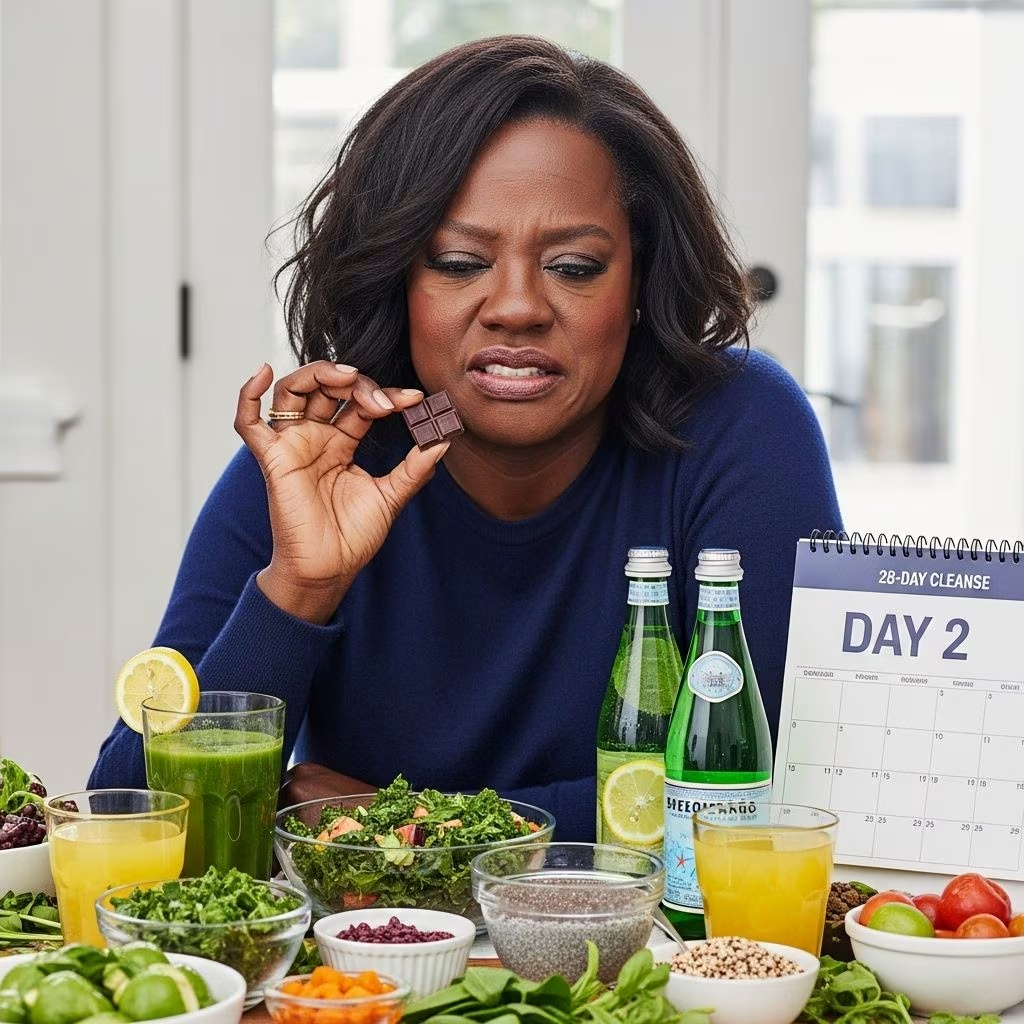
Viola Davis’s Detox Diary: A Relatable Tale of a Failed Cleanse
Viola Davis, Oscar-winning actress and star of Widows, is known for her dynamic screen presence and forthright personality. But one of her most relatable—and hilarious—stories unfolded off-screen, where even the most disciplined stars can fall prey to the temptations of real food. During a publicity tour, Davis candidly recounted her utterly human attempt and spectacular failure during a bizarre 28-day cleanse with her Widows cast and crew. Her story, brimming with honesty, humor, and a touch of ‘why did we even try this?’ speaks to anyone who’s ever given up on a wellness fad almost as soon as it started.
What Inspired the 28-Day Cleanse?
The origin of the cleanse was as surprising as its rules. As Davis shared, a makeup artist on set who embraced alternative wellness guided the Widows team—including a reluctant Davis—into a collective, spiritual detox adventure. This wasn’t just any cleanse: it was rooted in daily meditation, radical self-reflection, and bizarre eating restrictions, all designed to cultivate mental clarity alongside physical purity.
- Total duration: 28 days.
- Main requirement: No chewing. No sucking. Only sipping food—because, the logic held, chewing and sucking were ‘acts of aggression.’
- Accompanying practices: Daily meditation, group solidarity, and, for Davis, mounting skepticism.
The cleanse was pitched as an emotional and spiritual reset, promising not just a slimmer figure but, as Davis joked, “living in forgiveness and completing everything.”
The Unusual Rules: Sipping, Not Chewing
Forget celery sticks and green smoothies. This was a cleansing regime with layers of oddity:
- No chewing allowed. Participants could not chew any food. Solid food was out of the question.
- No sucking allowed. Even using a straw was forbidden.
- All food must be sipped. Meals were liquified to the point of being drinkable—but without the act of sucking.
- No alcohol. Spirits were strictly forbidden, further narrowing the already-limited options.
- Meditation was daily. Cleansers were expected to devote time each day to meditation and reflection, anchoring the physical challenges with a spiritual practice.
Davis summed up her bewilderment and initial optimism bluntly: “It was about completing everything, living in forgiveness, and I was like, ‘Isn’t this awesome? I want that. I want to release my anger.’”
How Long Did Viola Davis Last?
Despite her initial enthusiasm—and perhaps against her better judgment—Davis’s resolve crumbled after just 48 hours. She managed only two days before hunger and frustration overwhelmed her good intentions.
- “We had to do it for 28 days; I lasted two days.”
- Her husband’s blunt prediction came true: Even he didn’t believe Davis could give up eating for long.
Davis’s candid retelling of her breaking point—sitting in a Jacuzzi, irritated by a family phone call, and ultimately caving to the siren song of burgers and fries—struck a chord with everyone who’s ever thrown up their hands at a restrictive diet.
The Breaking Point: From Cleanse to Comfort Food
If Davis’s cleanse began with well-meaning intentions, her exit was gloriously spectacular. When asked about that moment, she recounted the vivid details of her detox downfall:
- A family member’s phone call tipped her over the edge after the stress and hunger stacked up.
- She abandoned the cleanse, went upstairs, and “ate a hamburger.”
- Not satisfied, she drove to McDonald’s for more fast food.
- Despite the no-alcohol rule, she poured herself “a big thing of vodka with soda water and lemon.”
The next day, when the makeup artist checked in, Viola’s honest admission—delivered with her trademark wit—sparked laughter with audiences and fans alike. She embodied what so many people feel when facing impossible health fads: the urge to rebel, to choose comfort, and to reclaim joy in the little pleasures of life.
Why Do Extreme Cleanses Fail (for Regular People and Celebrities Alike)?
Davis’s detox episode is both funny and a lesson in dietary reality. Extreme cleanses are tempting, promising rapid transformation, but often crumble under the pressures of real life. Here’s why even committed, disciplined individuals find them hard to sustain:
- Biological needs: Solid food and the act of chewing are basic human instincts tied to satisfaction and satiety.
- Emotional eating: Stressful situations—even a prickly phone call—can shatter the most disciplined dieter’s resolve.
- Social context: Eating is a communal activity. Isolating oneself from dinner tables, banquets, and family meals amplifies the sense of loss.
- Restrictive rules: Banning chewing and even sucking made the dietary protocol both confusing and unsatisfying.
The moral of the story, echoed by Davis herself, is that living with joy and a sense of humor about one’s ‘failures’ is far better than chasing unattainable perfection.
Viola Davis’s Advice: Ditch Perfection, Embrace Balance
Part of what makes Davis’s story so endearing is her recognition of the importance of self-compassion. While cleanses promise quick results, she reminds us that sustainable well-being comes from balance, not deprivation:
- Admit when something isn’t working and pivot to healthier, more realistic approaches.
- Enjoying your food and life’s small pleasures is as vital as any health goal.
- Laugh at the setbacks—and connect with others over shared struggles.
As Davis put it, her family never expected her to skip meals; she herself realized that sometimes the best path forward is one where you forgive yourself for missing a step or two.
Why Do Celebrities Try Radical Cleanses?
It’s not just Viola Davis—Hollywood is rife with stories of intense, sometimes bizarre detox experiments. Why is this trend so prevalent among celebrities? Several factors are at play:
- Role demands: Films often require actors to rapidly change their bodies, leading to drastic dietary experiments for quick results.
- Peer influence: The pressures of a group (like Davis’s cleanse with her ‘Widows’ co-stars) can make even the most skeptical join in.
- Wellness culture: The entertainment industry is saturated with wellness trends and charismatic promoters.
- Public scrutiny: Celebrities live in the spotlight, leading many to experiment in search of improvements, sometimes to their detriment.
Still, as Davis reminds, not every trend is worth emulating—and even Hollywood’s toughest stars prefer a juicy burger over a month of ‘sipping’ meals.
What Was the Cleanse Supposed to Achieve?
The cleanse was designed with lofty goals in mind: to ‘release aggression,’ foster forgiveness, reset habits, and cultivate mindfulness. At face value, such goals seem worthy. But the mechanism—removing all the joy and comfort from food—not only made success unlikely, but also cast doubt on whether such sacrifice could deliver the promised mental peace.
| Cleanse Goals | Real-World Results |
|---|---|
| Physical detoxification | Hunger, fatigue, cravings |
| Emotional release | Increased irritability |
| Forgiveness and reflection | Poor moods, short-lived attempts |
| Sustained discipline | Quick surrender to cravings |
| Unity among participants | Mostly shared complaints & laughs |
Extreme Cleanses in the Spotlight: What Does Science Say?
While Davis’s tale is uniquely entertaining, nutrition experts often warn about the pitfalls of extreme cleanses:
- Lack of evidence: There’s scant scientific backing for the need to ‘detox’ with severe suppression of calories and nutrients.
- Potential harms: Restrictive cleanses risk nutrient deficiencies, fatigue, low energy, and rebound eating.
- Psychological price: The stress of deprivation can outweigh any short-term benefits, often resulting in binge episodes.
- Realistic habits win: Long-term health is better achieved through balanced, nutritious eating and physical activity.
Like Davis, most people discover that physical health must align with mental wellness—and any regime that leaves you dreaming of fast food probably isn’t meant for you (or anyone).
The ‘Widows’ Connection: Team Spirit or Diet Disaster?
The cleanse began as a communal activity, meant to foster unity among the cast and crew of Widows. Instead, it became a shared struggle, with Davis as the vocal representative of everyone’s hardest moments. Support was plentiful, but the solidarity was mostly in lamenting empty stomachs and swapping stories of defeat.
- The cleansing experience became new comedic material for interviews and talk shows.
- Davis’s failures brought the team closer in laughter, if not in health accomplishments.
What We Can Learn: Laughing Off Diet Disasters
Viola Davis’s failed cleanse isn’t a cautionary tale to never try something new—it’s an invitation to embrace imperfection:
- Most people—celebrities included—struggle with diet fads as much as anyone else.
- Finding humor and humility in the face of defeat is empowering.
- Lasting health is more about realistic goals than radical restrictions.
- Food is more than fuel—it’s tradition, comfort, and joy.
Davis’s decision to break the cleanse wasn’t just about satisfying hunger—it was about reclaiming happiness, self-acceptance, and a little vodka with soda water.
Frequently Asked Questions (FAQs)
Q: What was the most unusual part of Viola Davis’s cleanse?
A: The ban on both chewing and sucking (even with straws). All food had to be sipped to avoid ‘acts of aggression.’
Q: How many days did Viola Davis last on the 28-day cleanse?
A: Just two days. She broke her streak with a hamburger, McDonald’s, and a vodka soda.
Q: Who convinced Viola Davis and the crew to join this cleanse?
A: A makeup artist on the set of Widows who was passionate about alternative wellness trends.
Q: Did anyone else struggle with the cleanse?
A: Yes, the cleanse was a challenge for all involved. The main result was shared stories of struggle and good-natured laughter.
Q: What is the lesson from Viola Davis’s cleanse story?
A: Be gentle with yourself, avoid extreme diets, and don’t be afraid to quit what’s not serving you—sometimes with a smile and a burger in hand.
Key Takeaways
- Honesty wins: Davis’s transparency about her failed cleanse inspires us to be real about our own wellness hurdles.
- Cleanses are tough: Even the most disciplined can stumble—or crash—when confronted with extreme diets.
- Balance is healthy: The healthiest lifestyle isn’t rooted in deprivation, but in self-compassion and joy.
Viola Davis’s two-day cleanse adventure is more than just a funny story—it’s a celebration of imperfection, self-love, and the universal pleasure found in a good meal and a hearty laugh.


