


What is the Flexitarian Diet?
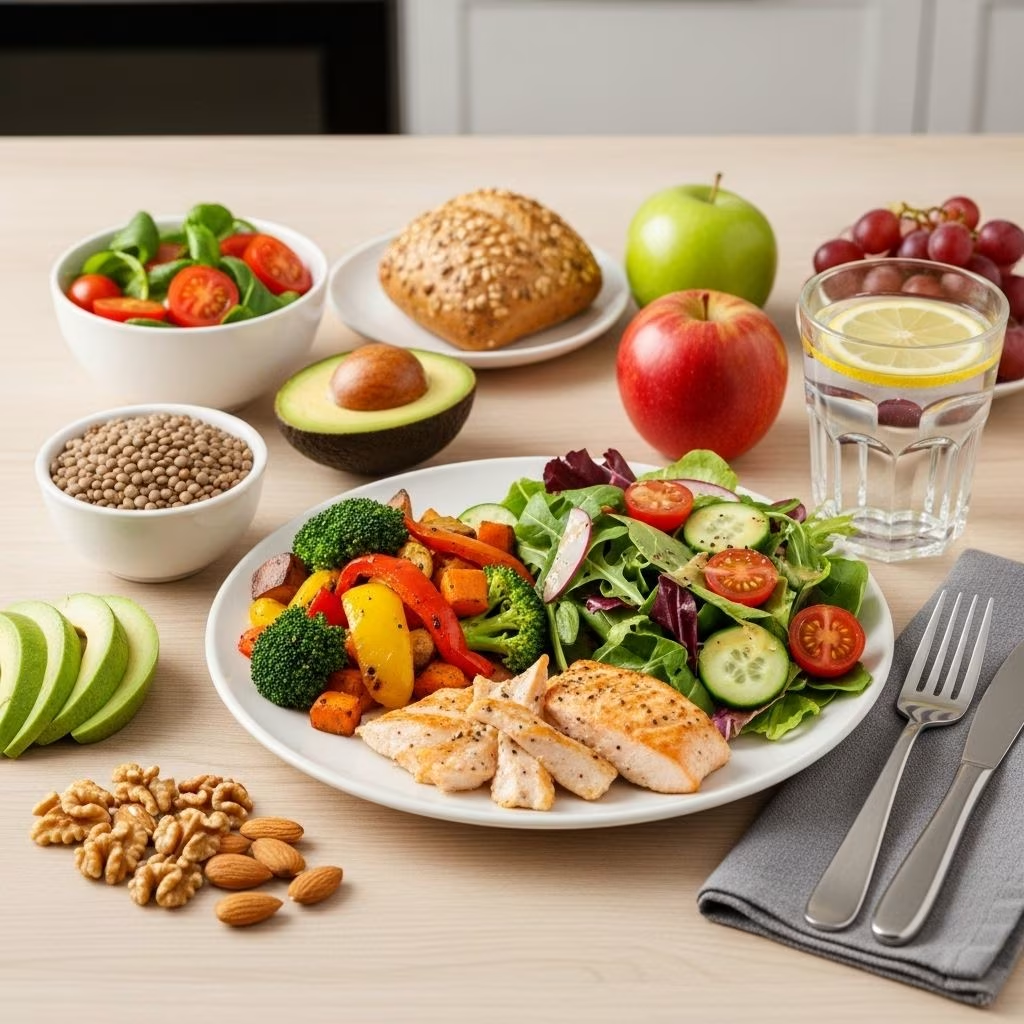
The flexitarian diet is a flexible eating approach that primarily emphasizes eating plant-based foods while still allowing for occasional meat, poultry, or fish. Unlike vegetarian or vegan diets, flexitarianism does not strictly eliminate any particular food group, making it a practical and sustainable choice for many looking to improve their health without rigid restrictions. The term ‘flexitarian’ itself is a blend of ‘flexible’ and ‘vegetarian,’ embodying the idea of moderation and adaptability in dietary choices.
Core Principles of the Flexitarian Diet
- Plant-forward meals: Focus on fruits, vegetables, legumes, whole grains, nuts, and seeds.
- Moderate meat intake: Enjoy meat, poultry, or fish on occasion, not as the centerpiece of every meal.
- Limited processed foods: Choose minimally processed foods and avoid added sugars and excess salt.
- No calorie counting: Emphasis is placed on food quality and portion control rather than strict calorie tracking.
This approach allows for flexibility—perfect for those who want to eat more plants but aren’t ready to completely give up animal products. It’s considered easier to adopt and maintain compared to more restrictive diets, offering a practical path for gradual change.
Health Benefits of a Flexitarian Diet
Switching to a flexitarian diet can yield a range of positive health outcomes. By increasing the consumption of fiber-rich foods and reducing saturated fat intake, adherents often see improvements in several key health markers:
- Weight management: Higher intake of plant foods—naturally lower in calories and higher in fiber—can help reduce body weight and promote healthy weight loss.
- Cholesterol reduction: Less saturated fat (from reduced red meat and processed meats) helps lower bad cholesterol (LDL), supporting heart health.
- Blood pressure control: Increased potassium and lower sodium (found in many plant foods) play a role in keeping blood pressure in check.
- Lower risk of chronic diseases: Studies suggest lowered risks for heart disease, type 2 diabetes, and certain cancers among flexitarian eaters.
- Digestive wellness: More fiber supports digestive health and can help manage blood sugar levels.
| Benefit | Key Foods | Potential Impact |
|---|---|---|
| Fiber Intake | Beans, lentils, whole grains, vegetables | Improved digestion, cholesterol, and blood sugar control |
| Saturated Fat Reduction | Less red/processed meat | Lower cholesterol, heart disease risk |
| Antioxidant & Nutrient Diversity | Fruits, vegetables, nuts, seeds | Anti-inflammatory benefits, disease prevention |
| Weight Control | High-volume, low-calorie plant foods | Healthy weight loss/maintenance |
Environmental and Ethical Considerations
Beyond personal health, the flexitarian diet contributes to sustainability and animal welfare:
- Reduced carbon footprint: Lower meat consumption means less greenhouse gas emission and demand on natural resources.
- Better animal welfare: Eating less meat supports improved farm conditions and reduces the ethical concerns associated with factory farming.
- Resource conservation: Plant-based diets require less water and land for production compared to meat-heavy diets.
Adopting a flexitarian eating style is often seen as a positive step toward making food choices that are better for both people and the planet.
How to Get Started with the Flexitarian Diet
Transitioning to a flexitarian lifestyle does not require drastic changes. Simple steps can make the process approachable and sustainable:
- Start slow: Try one or two meatless days per week and increase over time.
- Explore new recipes: Focus on flavorful plant-based meals so you don’t feel deprived.
- Stock your kitchen: Load up on whole grains, legumes, nuts, and fresh produce.
- Plan ahead: Set aside time to meal prep, ensuring you have plant-forward options readily available.
- Practice moderation: Don’t be too hard on yourself—flexitarianism encourages flexibility, not perfection.
Flexitarian Diet Guidelines: Levels of Adherence
The flexitarian diet allows for a gradual increase in plant-based meals. Here’s an example of weekly meal planning for different commitment levels:
| Flexitarian Level | Meatless Meals Per Week (out of 21) | Description |
|---|---|---|
| Beginner | 6-8 | Most meals still include some animal protein, with increased vegetarian choices. |
| Intermediate | 9-14 | Focus shifts to plant-based meals, with occasional animal protein. |
| Advanced | 15+ | Majority of meals are vegetarian, with animal products reserved for special occasions. |
There are no strict rules about how much meat you should limit; rather, the goal is consistent progression toward more plant-based choices while staying flexible.
Sample Flexitarian Meal Plan
Here’s an example day to illustrate what a flexitarian menu might look like (total calories can be individualized):
- Breakfast: 1 egg cooked with a little coconut oil, whole grain avocado toast, sautéed peppers and spinach (about 426 calories)
- Lunch: Quinoa salad bowl with grilled chicken, black beans, corn, tomatoes, avocado, onion, and bell peppers
- Snack: A handful of almonds or mixed nuts, fresh berries
- Dinner: Stir-fried tofu and broccoli with brown rice and a light sesame sauce
- Dessert: Sliced apple with nut butter
Flexitarian menus can be easily varied with lentil soups, veggie burgers, grain bowls, or occasional fish and lean meat dishes.
Frequently Asked Questions (FAQs)
Q: Is the flexitarian diet suitable for children and families?
A: Yes, the diet’s flexibility makes it suitable for all ages. Families can gradually adopt more plant-based meals while still enjoying familiar foods.
Q: Can I eat out on a flexitarian diet?
A: Absolutely. Most restaurants offer at least one vegetarian option. With this diet, you can repeat your favorite meat dishes less often and opt for plant-forward plates when dining out.
Q: Will I get enough protein?
A: Flexitarian diets provide plenty of protein from beans, lentils, tofu, tempeh, whole grains, eggs, dairy, and occasional meat or fish. Combining different sources can ensure adequate intake.
Q: How quickly will I see health benefits?
A: Many people notice improvements in weight, digestion, and energy within a few weeks. Long-term benefits, such as reduced disease risk, are supported by ongoing research.
Q: Do I need to take supplements?
A: While the diet provides a broad nutrient spectrum, individuals with specific nutritional needs (like pregnant women or those with certain deficiencies) should consult a healthcare provider about supplementation.
Tips for Success
- Mix and match plant proteins for variety and balanced nutrition.
- Try meat substitutes or simply enjoy more hearty vegetables (e.g., mushrooms, eggplant).
- Read ingredient lists to avoid processed foods high in sugar and salt.
- Experiment with world cuisines—many cultures have naturally plant-forward dishes.
- Listen to your body, adjust the balance as needed, and celebrate small successes.
Potential Challenges & How to Overcome Them
- Cravings for meat: Have a small portion or satisfy the craving with umami-rich plant foods like mushrooms.
- Concern about protein: Incorporate legumes, eggs, dairy, and whole grains regularly.
- Lack of variety: Try new recipes, spices, and textures—plant-based cooking is diverse and vibrant.
- Planning and convenience: Prep ahead, keep healthy snacks on hand, and use batch cooking methods.
Conclusion: Why Flexitarianism Works
The flexitarian diet stands out as an inviting, sustainable alternative to more restrictive diets. By prioritizing plant-based foods while still allowing your favorite meat dishes, you gain the flexibility needed for long-term adherence and improved well-being. With significant health benefits, environmental advantages, and a real-world approach to eating, flexitarianism offers the best of both worlds—making healthy, purposeful eating easy and enjoyable for everyone.
References
- https://www.goodrx.com/well-being/diet-nutrition/flexitarian-diet-benefits-pros-cons
- https://www.kroger.com/blog/health/flexitarian-diets
- https://ific.org/resources/articles/what-is-the-flexitarian-diet/
- https://wou.edu/chemistry/chemistry-degree/student-activities-2/chemistry-corner/biochemistry-bites/the-flexitarian-diet/
- https://pmc.ncbi.nlm.nih.gov/articles/PMC5216044/
- https://health.clevelandclinic.org/what-is-the-flexitarian-diet
- https://www.healthline.com/nutrition/flexitarian-diet-guide
- https://www.mayoclinic.org/healthy-lifestyle/nutrition-and-healthy-eating/in-depth/meatless-meals/art-20048193


