


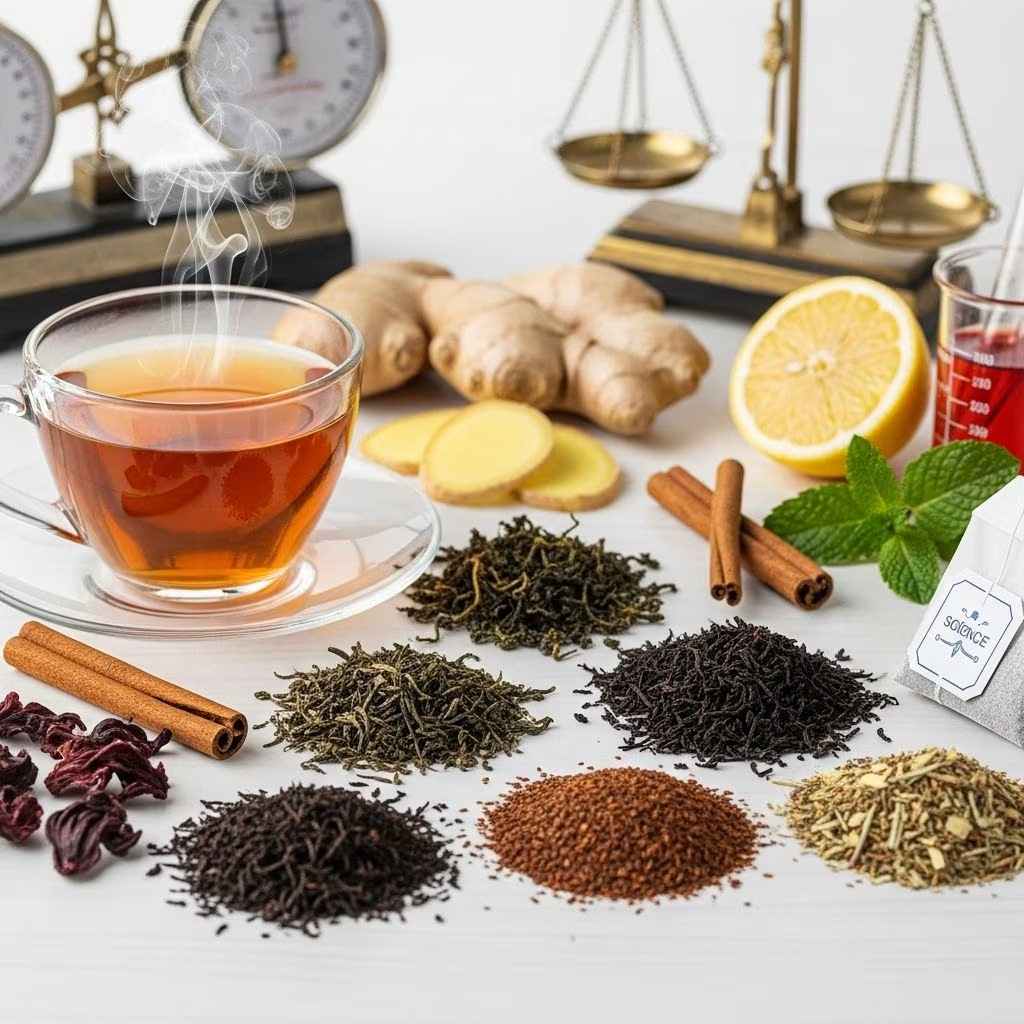
Weight Loss Tea: What Works and What Doesn’t
Tea is a beloved beverage around the world, prized for its refreshing taste and wide-ranging health benefits. Over recent years, teas marketed for weight loss and ‘fat-burning’ have surged in popularity—yet many claims surrounding these products are exaggerated or misleading. This guide explores which teas have real science behind their effect on weight, the mechanisms at work, safety issues, and how smart lifestyle choices can help maximize results.
Does Tea Really Help With Weight Loss?
The idea of sipping your way slim with a special tea is appealing, but experts urge caution: while some teas can support a weight-loss journey, none are miracle cures. Most importantly, real brewed tea—not highly processed supplements or ‘detox’ blends—offers the benefits shown in scientific studies.
- Fat-burning tea blends often promise rapid results, but research reveals that their impact is modest at best.
- Making tea a part of a balanced diet and active lifestyle is more effective than viewing it as a standalone solution.
- Sustainable weight loss comes from calorie control, regular movement, and healthy habits—not any single drink.
Types of Tea for Weight Loss
| Type | Key Ingredients | Main Claimed Effect |
|---|---|---|
| Green Tea | EGCG, caffeine | Boosts metabolism, supports fat oxidation |
| Black Tea | Theaflavins, polyphenols, caffeine | Modifies gut bacteria, aids fat metabolism |
| White Tea | Antioxidants, catechins | Mild fat-burning potential, gentle flavor |
| Herbal Tea | Varies: ginger, dandelion, rooibos, etc. | Appetite suppression, water retention reduction |
Tea comes in many forms. Green, black, and white teas (from the Camellia sinensis plant) contain active ingredients linked to metabolism and fat burning. Herbal teas, though popular, often rely on traditional claims.
Green Tea: The Most Studied Slimming Tea
Green tea is widely recognized for its role in weight management, driven by two main compounds: caffeine and epigallocatechin gallate (EGCG). EGCG is a potent antioxidant that influences several pathways involved in fat burning.
- Boosts thermogenesis: EGCG appears to increase calorie burn, helping the body use fat for fuel.
- Blocks new fat cell formation: Some studies suggest it may inhibit the development of new fat stores.
- Reduces fat absorption: EGCG can help limit the quantity of dietary fat absorbed by the digestive tract.
- Enhanced by lemon juice: Adding vitamin C (such as with fresh lemon) boosts EGCG absorption up to five times.
- Works best as part of your daily routine: Drinking green tea alongside a balanced diet and exercise supports healthy weight management.
While green tea aids in weight loss, relying on it alone is unlikely to deliver drastic results. Experts recommend it as a supportive habit—not a primary strategy.
Black Tea: The Surprising Contender
Black tea is often overlooked in favor of green tea, but research suggests it may also play a meaningful role in weight control. Its polyphenols are processed differently in the body, acting mainly via the gut microbiome.
- Gut health: Black tea changes the composition of intestinal bacteria, encouraging populations found in lean individuals.
- Thermogenesis: Black tea components stimulate processes in the liver that use fat for heat production.
- Long-term results are mixed: Studies show modest benefits over a few months; however, dramatic effects tend to fade over longer periods.
- Polyphenol content varies: Processing, fermentation, and flavoring can dramatically change the health benefits.
- Best consumed unsweetened: To maximize benefits, drink black tea without added sugar or cream.
Although black tea is not a ‘miracle drink,’ replacing high-calorie beverages with unsweetened varieties can help reduce overall calorie intake—a win for weight loss.
Herbal Teas and Other Varieties
Herbal teas, like ginger, dandelion, and rooibos, are frequently marketed for slimming. Unlike green and black teas, they usually lack caffeine and EGCG, but may still offer other benefits:
- Appetite suppression: Herbal blends may help reduce hunger, but evidence is mainly anecdotal or based on traditional use.
- Encouraging hydration: Herbal teas are calorie-free, so they help keep you hydrated and can be used to replace sugary drinks.
- Water retention reduction: Diuretic teas, such as dandelion, temporarily reduce water weight—not true fat loss.
Though herbal teas have gentler effects on metabolism than Camellia sinensis varieties, some people find them a helpful addition to a healthy routine.
How Does Tea Support Weight Loss?
Tea’s mechanisms for supporting weight management involve several physiological pathways. Here’s how scientists believe tea might help:
- Enhanced fat metabolism: Key polyphenols, such as EGCG and theaflavins, help mobilize stored fat for energy.
- Reduced appetite: Some teas may decrease overall food intake and delay feelings of hunger.
- Decreased fat absorption: Active compounds can limit the amount of dietary fat absorbed in the gut.
- Improved gut microbiota: Particularly with black tea, altering the gut flora may reinforce lean body mass patterns.
- Increased thermogenesis: Certain teas activate heat production processes, converting fat into energy.
Although these effects are measurable in controlled studies, they are often modest—especially compared to benefits from a healthy diet and physical activity.
Potential Risks and Safety Considerations
Most real teas—green, black, white or herbal—are considered safe for healthy adults when consumed in moderation. However, there are important cautions:
- Avoid concentrated extracts: Green tea extracts, common in some supplements, have been linked to side effects like dizziness and irregular heartbeat, especially at high doses.
- Excessive caffeine: Overconsumption can cause anxiety, sleeping difficulties, and heart palpitations. Stay within safe daily limits (up to 400mg caffeine/day for most adults).
- Diuretic effects: Herbal diuretic teas (e.g., dandelion) increase urination and risk dehydration if used carelessly.
- Unknown ingredients: ‘Detox’ teas often mix unfamiliar herbs and laxatives, risking digestive discomfort, electrolyte imbalances, and other side effects.
Teas should never replace medical treatment, and those with underlying health conditions or sensitivities should consult their healthcare provider before significantly increasing tea intake.
How to Make Tea Part of a Healthy Routine
Integrating tea into your wellness plan can be enjoyable and effective if done thoughtfully. Consider the tips below to maximize health benefits while minimizing risks:
- Choose real tea: Classic green, black, or white varieties are preferable to faddish blends or extracts.
- Brew it yourself: Avoid bottled teas with added sugar or artificial flavors.
- Add lemon or citrus for enhanced polyphenol absorption.
- Drink unsweetened: Skip sugar, honey, or cream to cut calories.
- Hydrate smartly: Use tea to replace high-calorie beverages or as a healthy afternoon pick-me-up.
- Pair with healthy habits: Combine tea with calorie control, balanced eating, regular exercise, and quality sleep for the best results.
However, drinking more tea won’t make up for an unhealthy overall lifestyle. Sustainable weight loss occurs when all elements—nutrition, movement, and mindset—work together.
Frequently Asked Questions (FAQs)
Q: Is drinking green tea enough for losing belly fat?
A: No, drinking green tea alone is unlikely to yield significant fat loss. It may help support a healthy metabolism, but should be used alongside calorie control and regular exercise.
Q: How much tea should you drink daily for weight benefits?
A: Most studies show benefits with 2-3 cups of brewed tea per day. Excessive amounts offer no extra advantage and may risk side effects.
Q: Are detox teas effective or safe?
A: Most detox teas are unproven for weight loss and sometimes contain laxative herbs or unregulated ingredients that may cause side effects. Choose classic teas instead.
Q: Can you drink tea if you’re sensitive to caffeine?
A: Yes—try decaffeinated, herbal, or white teas which are gentler on the body. Always check labels for added caffeine.
Q: What’s the healthiest way to brew weight loss tea?
A: The healthiest methods use loose leaf or bagged green, black, or white tea, brewed hot. Avoid adding sweeteners or heavy cream.
Key Takeaways
- Weight loss teas are most effective as part of a healthy lifestyle, not as a miracle solution.
- Green and black teas have the strongest evidence for modest fat-burning support.
- Avoid highly processed tea extracts, excessive caffeine and unregulated detox blends.
- Choose natural, unsweetened teas and pair them with balanced eating and exercise for lasting results.
References
- https://www.prevention.com/weight-loss/a20514162/fat-burning-teas/
- https://www.prevention.com/weight-loss/a32633079/black-tea-for-weight-loss/
- https://pmc.ncbi.nlm.nih.gov/articles/PMC8820582/
- https://www.prevention.com/weight-loss/a64315411/matcha-good-for-weight-loss/
- https://www.prevention.com/weight-loss/g20514132/5-bedtime-beverages-that-can-help-you-lose-weight/
- https://www.prevention.com/weight-loss/a63656450/drinking-elderberry-juice-weight-loss-study/
- https://www.prevention.com/food-nutrition/healthy-eating/a65664887/ultra-processed-foods-weight-loss-gut-health-study/
- https://www.prevention.com/food-nutrition/a41971472/black-tea-benefits/
- https://www.prevention.com/weight-loss/a20485086/how-to-boost-metabolism/
- https://www.prevention.com/food-nutrition/healthy-eating/a63691103/benefits-of-tea/


