


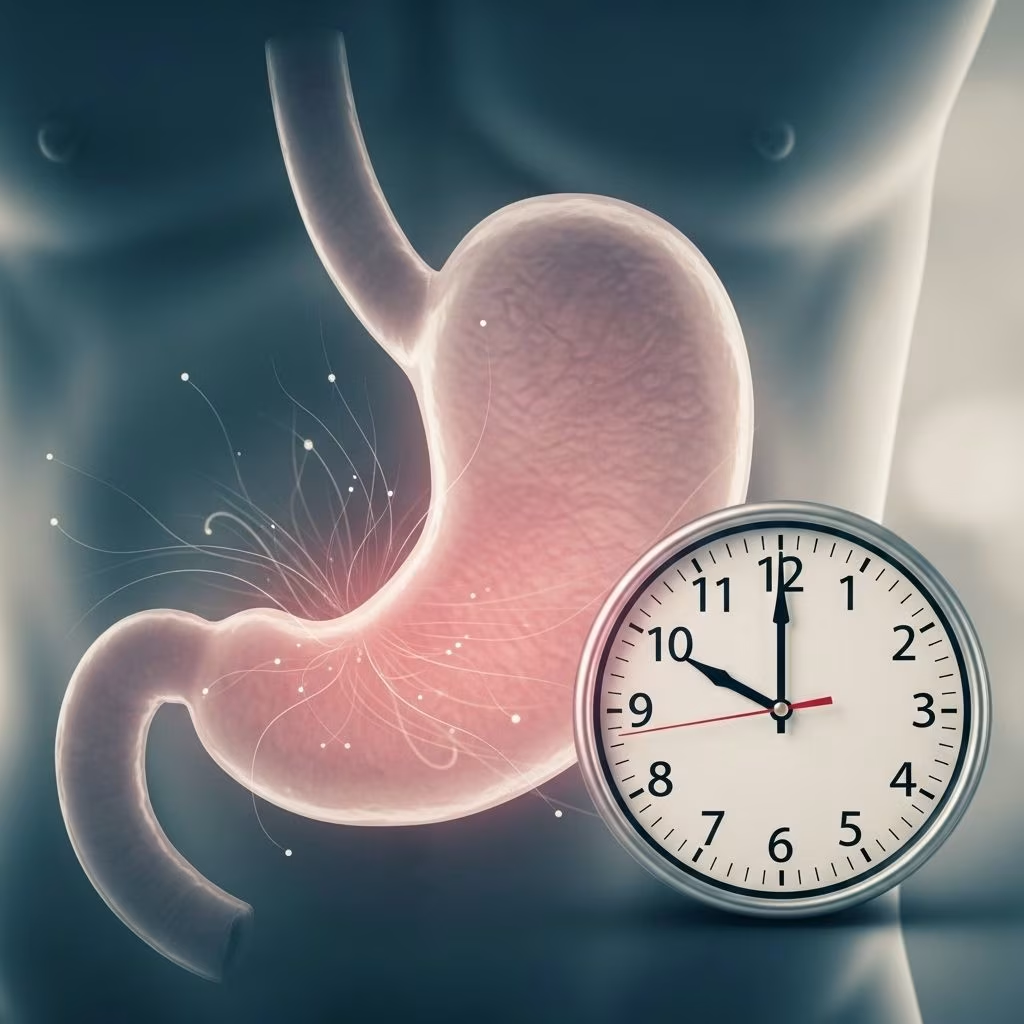
Intermittent Fasting Side Effects: What to Know Before You Start
Intermittent fasting has emerged as a popular approach to weight loss and healthy living. By cycling between periods of eating and abstaining from food, many people claim benefits ranging from improved metabolism to reduced disease risk. However, like any dietary approach, intermittent fasting comes with potential side effects and risks that individuals should consider before adopting this lifestyle.
What Is Intermittent Fasting?
Intermittent fasting (IF) refers to an eating pattern where you alternate between periods of fasting—consuming few or no calories—and periods when you eat normally. Fasting approaches vary, but common methods include:
- Time-Restricted Feeding (TRF): Eating only within a set daily window, such as 8 hours, and fasting for the remaining 16 hours.
- Alternate-Day Fasting (ADF): Alternating fasting days with normal eating days.
- Periodic Fasting: Fasting for 24 hours once or twice per week.
Proponents of intermittent fasting cite studies showing potential benefits such as weight loss, improved insulin sensitivity, lowered blood pressure, reduced risk for heart disease, and less oxidative stress.
Potential Side Effects of Intermittent Fasting
While intermittent fasting offers health benefits for some, not everyone should expect a seamless transition. The following are common side effects reported in research and clinical practice:
- Hunger and Cravings
Most people experience increased hunger and food cravings, especially during the first weeks. These symptoms may decrease over time, but some individuals find them persistent and disruptive. - Headaches and Lightheadedness
Headaches are often reported during fasting windows, likely due to caffeine withdrawal, dehydration, or blood sugar fluctuations. Lightheadedness may occur if blood glucose drops too low. - Digestive Issues
Intermittent fasting can lead to digestive disturbances such as nausea, constipation, diarrhea, and bloating, particularly if dietary fiber intake is insufficient. - Irritability and Mood Changes
Fluctuating blood sugar and hunger can cause irritability, mood swings, and difficulty concentrating, sometimes called feeling “hangry”. - Fatigue and Weakness
Some individuals may experience generalized tiredness or weakness due to lower caloric intake and altered energy metabolism. - Sleep Disturbances
Insomnia and restless sleep are sometimes linked with intermittent fasting, especially when fasting extends into the night or affects hormone balance. - Bad Breath
Fasting can lead to “ketone breath”—a foul odor when ketone bodies build up during longer fasts. - Dehydration
Reduced fluid intake (if fasting during drinking hours) or excessive urination may lead to dehydration, amplifying other side effects. - Malnutrition and Nutrient Deficiencies
Over-restricting calories or skipping nutrient-dense meals could result in vitamin or mineral deficiencies, especially with prolonged or frequent fasting.
Table: Common Side Effects of Intermittent Fasting
| Side Effect | Description | Frequency |
|---|---|---|
| Hunger & Cravings | Intense hunger, urges to eat, especially early in IF period | Very Common |
| Headaches | Pain, tension, or throbbing, often during fasting window | Common |
| Digestive Discomfort | Bloating, constipation, diarrhea, nausea | Common |
| Irritability & Mood Swings | Anger, frustration, anxiety, poor focus | Common |
| Fatigue | Lethargy, weakness, reduced stamina | Moderate |
| Bad Breath | Stronger mouth odor due to ketosis | Less Common |
| Sleep Issues | Difficulty falling asleep or staying asleep | Moderate |
| Dehydration | Thirst, dry mouth, reduced urination | Less Common |
| Malnutrition | Deficiencies in vitamins, minerals, protein | Rare (more likely in extreme IF) |
Special Considerations: Heart Health and Diabetes
- Heart Health
While intermittent fasting may improve cholesterol and lower blood pressure, a 2024 American Heart Association study found that time-restricted eating (such as an 8-hour window) was potentially linked to an increased risk of cardiovascular death compared to those with a typical eating pattern. More research is needed before drawing firm conclusions. - Type 2 Diabetes
Some studies indicate intermittent fasting can improve insulin sensitivity and lower blood sugar; however, others warn that skipping meals can destabilize blood glucose and increase the risk of hypoglycemia in people with diabetes. Always consult your healthcare provider before starting if you have diabetes or take blood sugar-lowering medications.
Who Should Avoid Intermittent Fasting?
Although intermittent fasting is safe for many healthy adults, certain populations face elevated risks and should avoid or approach fasting with caution:
- Pregnant or breastfeeding women
- Young children and teenagers
- Older adults with weakness, risk of bone loss, or chronic illness
- Individuals with current or past eating disorders
- Anyone with immunodeficiency or recovering from illness
- People using medications that must be taken with food
- Those with dementia or traumatic brain injury
If you’re unsure, always consult your doctor before starting intermittent fasting, especially if you have underlying health conditions.
How to Reduce the Risks: Safe Fasting Tips
- Stay Hydrated: Drink water throughout your fasting period to avoid dehydration.
- Choose Nutrient-Dense Foods: Ensure meals contain lean proteins, healthy fats, and plenty of fruits and vegetables to minimize nutritional gaps.
- Listen to Your Body: If you experience extreme hunger, nausea, dizziness, weakness, or irritability, reconsider the fasting approach or stop.
- Avoid Overeating During Eating Windows: Don’t compensate by binge eating or indulging in processed foods during non-fasting hours to prevent weight regain and digestive discomfort.
- Get Enough Sleep: Quality sleep can help balance hormones disrupted by fasting and reduce irritability.
- Remain Physically Active: Light exercise is encouraged, but avoid strenuous workouts during fasting windows when energy may be low.
- Monitor Health Markers: Check-in regularly with a healthcare provider, especially for changes in blood pressure, blood sugar, or other chronic conditions.
Other Approaches for Health Improvement
Intermittent fasting isn’t the only path to better health. Many experts recommend:
- Following a balanced diet rich in whole grains, lean proteins, fruits, and vegetables
- Maintaining regular physical activity
- Managing stress through mindfulness practices
- Getting enough restorative sleep
These lifestyle practices are often easier to sustain long-term and are proven to support overall health—even for those who cannot safely fast or prefer other dietary patterns.
Frequently Asked Questions (FAQs)
Q: What is the most common side effect of intermittent fasting?
Most people report hunger and cravings, particularly during the first few days or weeks of a fasting regimen.
Q: Does intermittent fasting cause headaches?
Yes, headaches and mild dizziness are frequent, especially if hydration levels drop or blood sugar fluctuates. This typically resolves as the body adapts.
Q: Can intermittent fasting hurt my heart?
Some recent research links time-restricted eating to increased cardiovascular risk, but more studies are needed. Benefits and risks may depend on individual health and fasting method.
Q: Is intermittent fasting safe for people with diabetes?
Fasting may help with blood sugar management for some, but it could destabilize glucose and cause serious issues for others. Consultation with a healthcare provider is essential.
Q: Who should definitely avoid intermittent fasting?
Intermittent fasting is not recommended for pregnant/breastfeeding women, children, teens, older adults at risk of frailty, those with eating disorders, or people needing regular food for medications.
Q: What should I do if I feel miserable on intermittent fasting?
If you experience ongoing side effects like extreme hunger, irritability, nausea, headaches, or faintness, it may not be the right approach for you. Stop fasting and consult a healthcare professional.
Summary
While intermittent fasting can offer benefits for certain individuals, side effects such as hunger, headaches, mood swings, digestive discomfort, and even increased health risks mean this diet may not be suitable for everyone. Thorough consideration of personal health, clear communication with a medical provider, and attentiveness to your body are key to finding a safe and effective dietary path.
References
- https://www.healthline.com/nutrition/intermittent-fasting-side-effects
- https://www.webmd.com/diet/intermittent-fasting
- https://www.mayoclinic.org/healthy-lifestyle/nutrition-and-healthy-eating/expert-answers/intermittent-fasting/faq-20441303
- https://www.health.harvard.edu/staying-healthy/4-intermittent-fasting-side-effects-to-watch-out-for
- https://www.massgeneralbrigham.org/en/about/newsroom/articles/pros-and-cons-of-intermittent-fasting
- https://pmc.ncbi.nlm.nih.gov/articles/PMC9998115/
- https://www.goodsamsanjose.com/healthy-living/blog/intermittent-fasting-does-it-work-and-can-it-be-done-safely
- https://www.prevention.com/weight-loss/diets/a29758102/intermittent-fasting-side-effects/


