


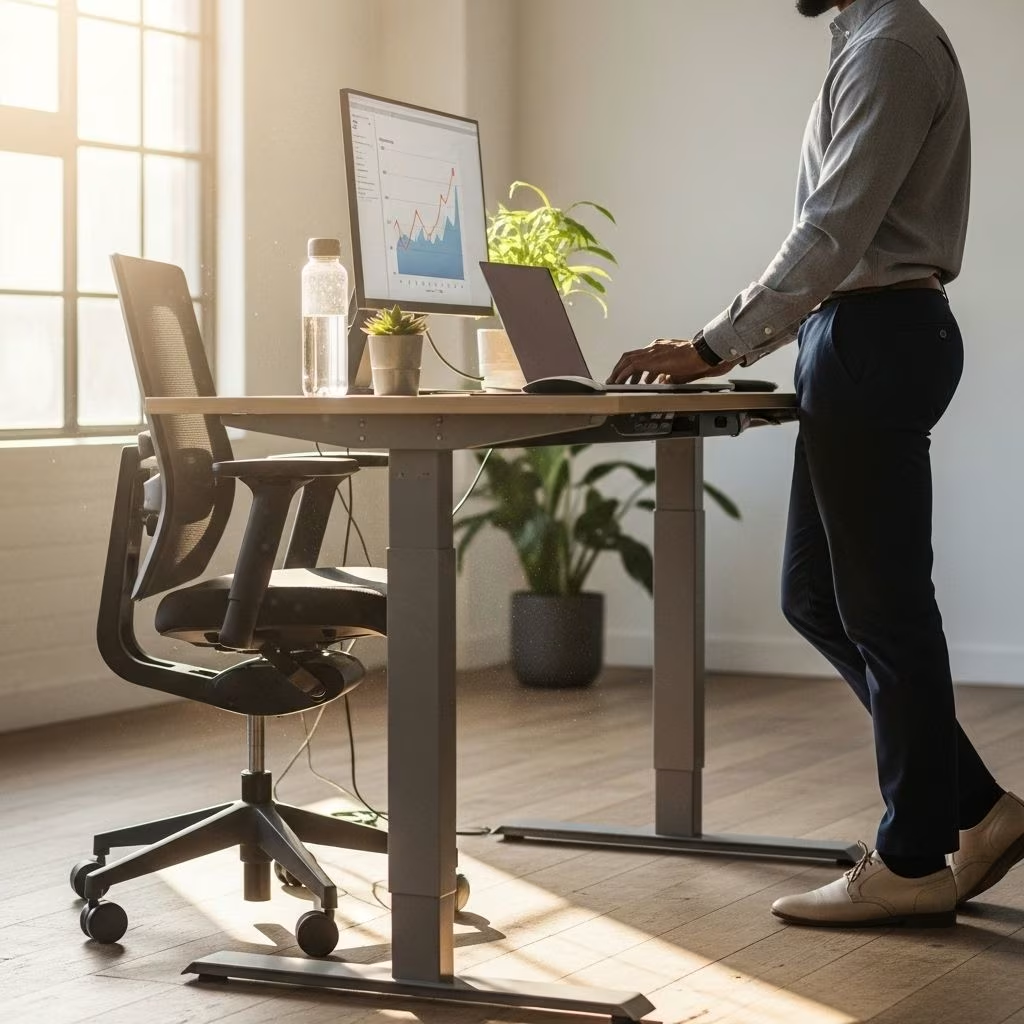
How Standing More Can Support Weight Loss: Insights & Practical Advice
Sedentary lifestyles are now recognized as a key factor in the rise of obesity, metabolic disorders, and a variety of chronic diseases. In recent years, medical research has advanced our knowledge of how simple daily habits, such as choosing to stand rather than sit, can produce meaningful health benefits—including modest, sustainable weight loss and improved long-term well-being. This article explores the scientific evidence behind standing for weight loss, its broader impact on your health, and actionable strategies to help you successfully integrate more standing into your day.
Understanding the Link Between Standing, Sitting, and Weight Loss
Emerging research, including meta-analyses from respected institutions, has highlighted the negative effects of excessive sitting. In the United States, adults average over seven hours of sitting daily—a number that correlates with rising rates of obesity and metabolic disease. Sitting for extended periods has been connected to a greater likelihood of weight gain, heart attacks, diabetes, cancer, and accelerated biological aging, as indicated by shortened telomeres.
The Calorie-Burning Potential: Standing vs. Sitting
A comprehensive meta-analysis of 46 studies involving over 1,180 adults found that standing burns 0.15 more calories per minute than sitting. For an adult weighing approximately 143 pounds, this means:
- If you substitute standing for sitting for 6 hours daily, you can burn an extra 54 calories per day.
- Over the course of a year, this equates to 5.5 pounds of weight loss—assuming food intake does not increase.
- Over four years, you could lose up to 22 pounds by integrating this habit.
Why Does Standing Burn More Calories?
Standing activates more muscle groups compared to sitting, which minimally engages your lower and core muscles. Muscle mass is directly linked to calorie expenditure. The effect is more pronounced in men due to typically higher muscle mass, but benefits extend to all individuals. Incorporating standing as part of your daily routine contributes to what experts call Non-Exercise Activity Thermogenesis (NEAT)—the sum of calories you burn through non-sport, everyday activities.
The Broader Health Risks of Sitting Too Much
- Increased fat accumulation, especially around internal organs
- Elevated risk of cardiovascular disease, including heart attacks and strokes
- Higher rates of Type 2 diabetes
- Shortened telomeres and accelerated cellular aging
- Greater likelihood of obesity and difficulty in weight management
Even those who engage in regular exercise may not offset the risks if significant time is spent sitting. Thus, moderate, accessible habits like standing are valuable additions to any healthy lifestyle plan.
How Realistic Is Standing More for Most People?
For individuals working desk jobs or who find themselves seated for long periods, standing for six hours may seem unachievable. Experts advise starting gradually by aiming to cut sitting time by a third or half. Suitable environments for standing more include workspaces with standing desks, meetings, public transportation, or while performing household chores.
Practical Strategies for Integrating More Standing Into Your Day
- Use a standing desk for part or all of your workday.
- Take phone calls and virtual meetings while standing or pacing.
- Set reminders to stand up every 30–60 minutes during prolonged periods of seated work.
- Perform simple tasks, such as reading, sorting paperwork, or watching TV, from a standing position.
- Stand while traveling on public transportation or while waiting in lines.
Sample Daily Standing Plan
| Time Interval | Activity | Standing Suggestion |
|---|---|---|
| Morning | Emails and planning | Check emails from a standing desk |
| Mid-Day | Meetings and calls | Pace or stand during calls |
| Afternoon | Admin work | Alternate sitting and standing every hour |
| Evening | Leisure screen time | Stand while watching TV or reading |
Beyond Weight Loss: Other Benefits of Standing More
- Improved energy and focus: Many report feeling more alert and productive when alternating between sitting and standing.
- Reduced risk of chronic diseases: Lower rates of heart disease, diabetes, and certain cancers are associated with reducing sedentary time.
- Musculoskeletal health: Standing strengthens core, leg, and back muscles, and may enhance posture.
- Metabolic improvements: Gradual increases in calorie burn and better glucose regulation.
- Potential for improved mood: Some studies suggest less sitting boosts mental well-being.
Potential Downsides and How to Stand Safely
While standing is beneficial, it is possible to stand too much, especially abruptly. This can cause discomfort, fatigue, or strain—particularly in the feet, legs, and lower back.
- Start slowly: Gradually increase your standing time in increments of 30–60 minutes.
- Wear supportive footwear: Use well-cushioned shoes if standing for extended periods.
- Use anti-fatigue mats: These can reduce pressure on joints when standing at a desk.
- Mix movement in: Shift weight, stretch, or walk in place periodically.
- Balance sitting with standing: Both extremes—sitting or standing all day—have risks.
Frequently Asked Questions (FAQs)
Q: Can you lose weight just by standing more?
A: Yes. Studies indicate that consistently replacing several hours of sitting per day with standing can result in modest but measurable weight loss over months and years, mainly due to increased calorie expenditure.
Q: How many extra calories do you burn by standing?
A: On average, the difference is about 0.15 calories per minute, translating to 54 calories for six hours of standing per day. Over a year, this can result in a loss of over five pounds, provided dietary habits remain consistent.
Q: Are there health risks to standing too much?
A: While standing more offers health benefits, excessive standing can cause discomfort or pain, especially in the legs, feet, and back. Gradual increases, proper footwear, and anti-fatigue mats can help prevent these issues.
Q: Does standing replace exercise?
A: No. Standing does not replace the need for regular physical activity. While it boosts daily calorie burn and reduces certain risks, structured exercise remains essential for cardiovascular, muscular, and metabolic health.
Q: What is NEAT and why does it matter?
A: NEAT (Non-Exercise Activity Thermogenesis) refers to all calories burned through non-exercise daily activities, including standing, walking, cleaning, and fidgeting. NEAT comprises a significant portion of total daily energy expenditure and contributes to long-term weight management.
Actionable Takeaways for Everyday Life
- Standing more forms a realistic, accessible foundation for better health—especially for those who struggle with time for structured exercise.
- You do not need to stand for six hours all at once; incremental changes provide significant benefits over time.
- Pair standing with other low-impact NEAT activities—such as stretching, walking in place, or performing simple chores—for compounding health advantages.
- If you have existing health conditions or musculoskeletal concerns, consult your doctor before making dramatic changes to your daily routine.
Conclusion: Small Changes, Big Results
Standing more each day is a practical, research-supported strategy for boosting calorie burn, supporting weight management, and reducing the multiple health risks associated with chronic sitting. While it’s not an alternative to regular exercise or nutrition, adopting standing routines can be a pivotal step toward a healthier, more active life. Begin by making simple changes, stay mindful of comfort, and progress gradually—a healthier tomorrow often starts with standing up more today.
References
- https://newsnetwork.mayoclinic.org/discussion/standing-several-hours-a-day-could-help-you-lose-weight-mayo-clinic-research-finds/
- https://www.medicalnewstoday.com/articles/320790
- https://www.youtube.com/watch?v=WW5Fv75NsQk
- https://newsnetwork.mayoclinic.org/discussion/mayo-clinic-minute-lose-weight-by-just-standing/
- https://www.health.harvard.edu/blog/the-truth-behind-standing-desks-2016092310264
- https://pubmed.ncbi.nlm.nih.gov/29385357/
- https://pmc.ncbi.nlm.nih.gov/articles/PMC5702468/
- https://jamanetwork.com/journals/jamanetworkopen/fullarticle/2828487
- https://www.healthline.com/nutrition/7-benefits-of-a-standing-desk


