


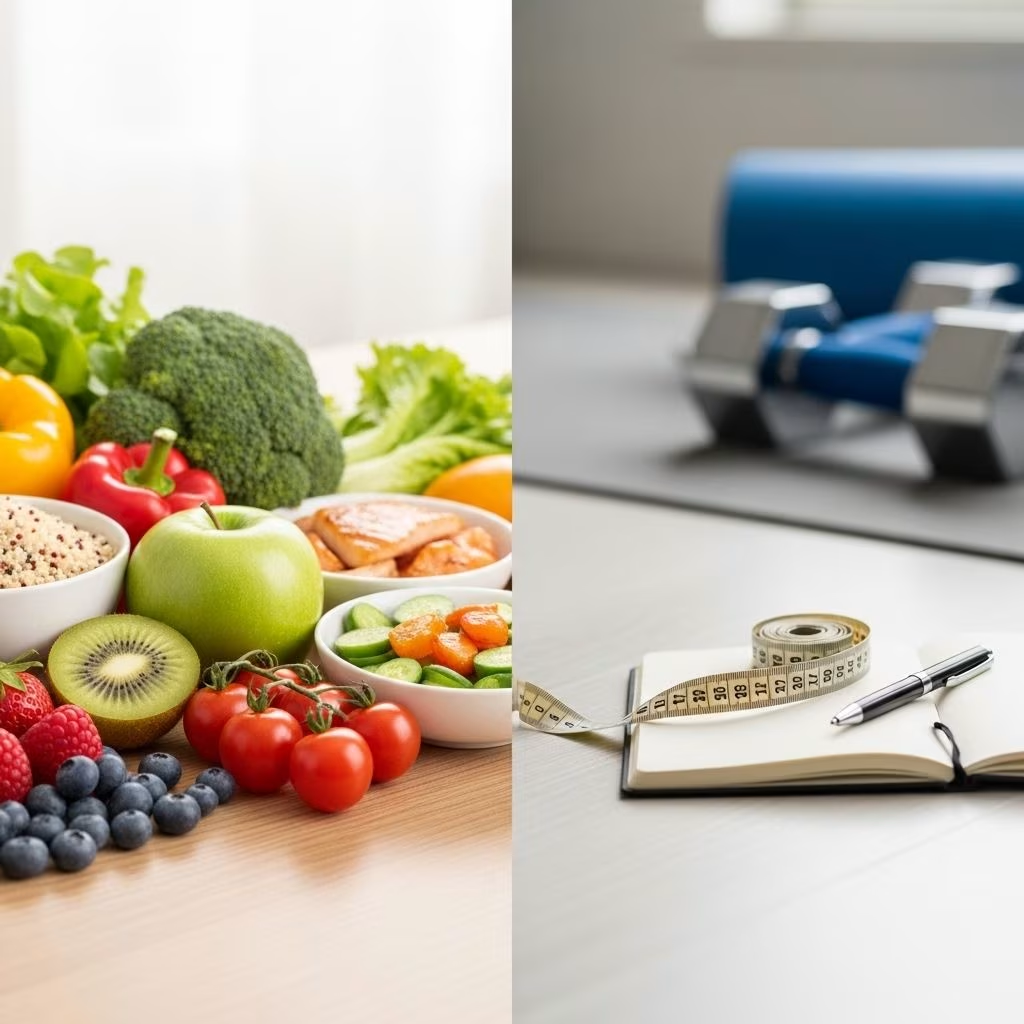
Healthy Diet and Weight Loss: Science-Backed Strategies for Sustainable Success
Achieving and maintaining a healthy weight is more than a numbers game; it’s about nourishing your body, choosing the right foods, and adopting sustainable habits. With endless weight-loss advice online, it’s vital to focus on what works, is backed by science, and supports overall health. In this article, you’ll find expert tips, the best diets for weight loss, the impact of food processing, and answers to common questions, all designed to help you lose weight and keep it off for good.
Why Healthy Eating Surpasses Weight-Loss Diets
While many weight-loss diets promise quick results, research and experts overwhelmingly recommend focusing on healthy eating habits. Dieting can help reduce pounds temporarily, but keeping them off is notoriously difficult. Many weight-loss plans rely on drastic calorie cuts and unsustainable exercise routines, causing the metabolism to slow and triggering your body’s natural famine response. This not only makes it harder to keep weight off but increases the likelihood of ‘yo-yo’ dieting and rebound weight gain.
- Low-nutrition, high-restriction diets rarely lead to long-term results.
- Focus on sustainable, small daily changes, such as eating more whole grains, plant-based foods, and less processed fare.
- Appreciate your body’s abilities; health matters more than dress size.
Instead of obsessing over calories, shift your mindset toward enjoying nutritious, satisfying foods. Embracing healthy eating as a lifestyle change—rather than a temporary fix—sets you up for long-term well-being.
The Best Diets for Weight Loss, According to Experts
Choosing the right diet for weight loss can feel overwhelming given the options. Science-backed eating plans like the Mediterranean Diet and DASH Diet consistently rank highest for safety, sustainability, and health benefits.
| Diet | Key Features | Health Benefits |
|---|---|---|
| Mediterranean Diet | Focus on fruits, vegetables, lean meats/fish, healthy fats, herbs, spices, whole grains. Limited red meat. | Longevity, lower stress, reduced risk of type 2 diabetes, improved heart and brain health, lower inflammation. |
| DASH Diet | Emphasizes fruits, vegetables, lean meats, whole grains. Low sodium (1,500–2,300 mg/day). | Helps reduce blood pressure and cholesterol while promoting weight maintenance. |
How to Choose a Weight Loss Diet that Works
- Aim for balance: Diets that excessively restrict calories or food groups often lead to nutrient deficiencies, stress, and rebound weight gain.
- Avoid extreme rules: Inflexibility increases anxiety and guilt around foods, undermining your ability to stick with the plan.
- Skip “detox” diets and supplements: These rarely offer real health benefits and can cause dehydration, digestive issues, and harm.
- Take it slow: Rapid weight loss is unsustainable and may prompt ‘starvation mode,’ muscle loss, and a slower metabolism.
- Nourish your body: Prioritize whole foods to ensure you get essential nutrients and fiber; avoid ‘diet’ products loaded with fake sugars and low-nutrition fillers.
Ultra-Processed Foods vs. Minimally Processed Choices: The Impact on Weight Loss
Recent studies have shown that food processing matters as much as calorie content when it comes to weight loss and overall health. In a controlled trial, individuals following a minimally processed diet—packed with whole foods like fresh vegetables, clean proteins, and whole grains—consistently lost twice as much weight compared to those eating ultra-processed foods, even when the nutrient profiles appeared similar.
- Weight loss from minimally processed diets typically comes from body fat, not muscle—indicating a healthier, more sustainable outcome.
- Participants reported fewer cravings and felt greater control over eating habits on the whole-foods diet.
- High intake of ultra-processed foods was linked to increased constipation, fatigue, sleep issues, indigestion, and infections.
- Blood sugar and triglyceride levels improved more on minimally processed diets, while both groups saw some lipid profile benefits.
Experts stress that how food is prepared and processed can dramatically affect metabolism, appetite regulation, and health. Therefore, prioritizing whole, minimally processed ingredients is key to lasting weight loss.
Fat-Burning Foods: Myth vs. Fact
No single food can literally ‘burn’ fat, but many foods support healthy metabolism and satiety, making weight management easier. The term ‘fat-burning foods’ is a catchy but misleading concept—what matters most is choosing foods that promote fullness, energy, and metabolic health.
- Lean proteins (chicken, fish, tofu) help preserve muscle during weight loss, keep you feeling full, and support metabolism.
- Whole grains (quinoa, brown rice, oats) provide fiber and nutrients for steady energy and satisfaction.
- Healthy fats (avocado, olive oil, nuts) reduce inflammation and support heart and brain health.
- Vegetables and fruits are rich in micronutrients and fiber for satiety and overall well-being.
Choose foods that are minimally processed and high in nutrients—these choices help your body function best and make healthy eating more enjoyable and sustainable.
Long-Term Success: Building Healthy Habits
Effective weight loss isn’t about rigid rules or punishing yourself—it’s about gradually building habits that you can maintain for years. Here’s how to get started:
- Eat mindfully: Slow down, savor your meals, and pay attention to hunger/fullness cues.
- Practice balance: Let healthy eating constitute the majority of your choices, but don’t vilify occasional treats.
- Stay hydrated: Drink plenty of water; sometimes thirst masks itself as hunger.
- Move regularly: Physical activity supports fat loss, maintains muscle, and boosts mood.
- Sleep well: Inadequate rest disrupts hormones that regulate appetite and fat storage.
- Find support: Connect with friends, family, or a health professional for accountability.
Setting realistic goals and making changes one step at a time maximizes your chances of keeping the weight off for good.
Frequently Asked Questions (FAQs)
Q: Can I lose weight without following a strict diet?
A: Yes. Focusing on healthy eating patterns, increasing whole foods, and making small, sustainable changes is more effective for long-term weight loss than restrictive diets.
Q: Are ‘fat-burning foods’ real?
A: No single food literally burns fat. However, certain foods support metabolism, satiety, and energy levels, making it easier to manage your weight.
Q: Is it dangerous to follow ‘detox’ or rapid weight loss diets?
A: Many ‘detox’ diets and supplements lack scientific support and can lead to dehydration, digestive issues, and nutritional deficiencies.
Q: How does processed food affect weight loss?
A: Diets high in ultra-processed foods are associated with higher cravings, weight retention, and health issues. Minimally processed diets lead to greater, healthier, and more sustainable weight loss.
Q: What’s the most important step for losing weight and keeping it off?
A: Commit to realistic, gradual lifestyle changes—prioritize whole, nutrient-dense foods, stay active, get enough sleep, and avoid extreme dieting or rigid rules.
Quick Tips for Sustainable Weight Loss
- Choose mostly minimally processed foods for meals and snacks.
- Fill half your plate with vegetables at every meal.
- Include healthy fats and lean proteins for satiety and metabolism.
- Limit added sugars and highly processed snacks.
- Get adequate sleep and manage stress for better appetite control.
- Celebrate progress—focus on health, not the scale exclusively.
Final Thoughts: Focus on Health, Not Just Weight
Healthy weight loss is a journey, not a destination. The most successful approach involves making nutritious food choices, embracing variety and flexibility, and prioritizing your body’s well-being. By adopting smart eating habits and steering clear of extreme diets and quick fixes, you’ll set yourself up for lasting success—both on and off the scale.
References
- https://www.prevention.com/weight-loss/diets/a63174975/best-diets-for-weight-loss-2025/
- https://www.prevention.com/food-nutrition/healthy-eating/a65664887/ultra-processed-foods-weight-loss-gut-health-study/
- https://www.prevention.com/weight-loss/a36065492/rethinking-body-weight/
- https://www.prevention.com/weight-loss/g24805401/fat-burning-foods/
- https://www.prevention.com/weight-loss/
- https://www.prevention.com/weight-loss/diets/
- https://www.prevention.com/weight-loss/diets/a60578947/how-to-lose-weight-fast-safely/
- https://www.prevention.com
- https://www.prevention.com/weight-loss/a30188568/lose-weight-without-exercise-0/
- https://www.prevention.com/weight-loss/diets/g20440614/25-best-weight-loss-tips-ever/


