


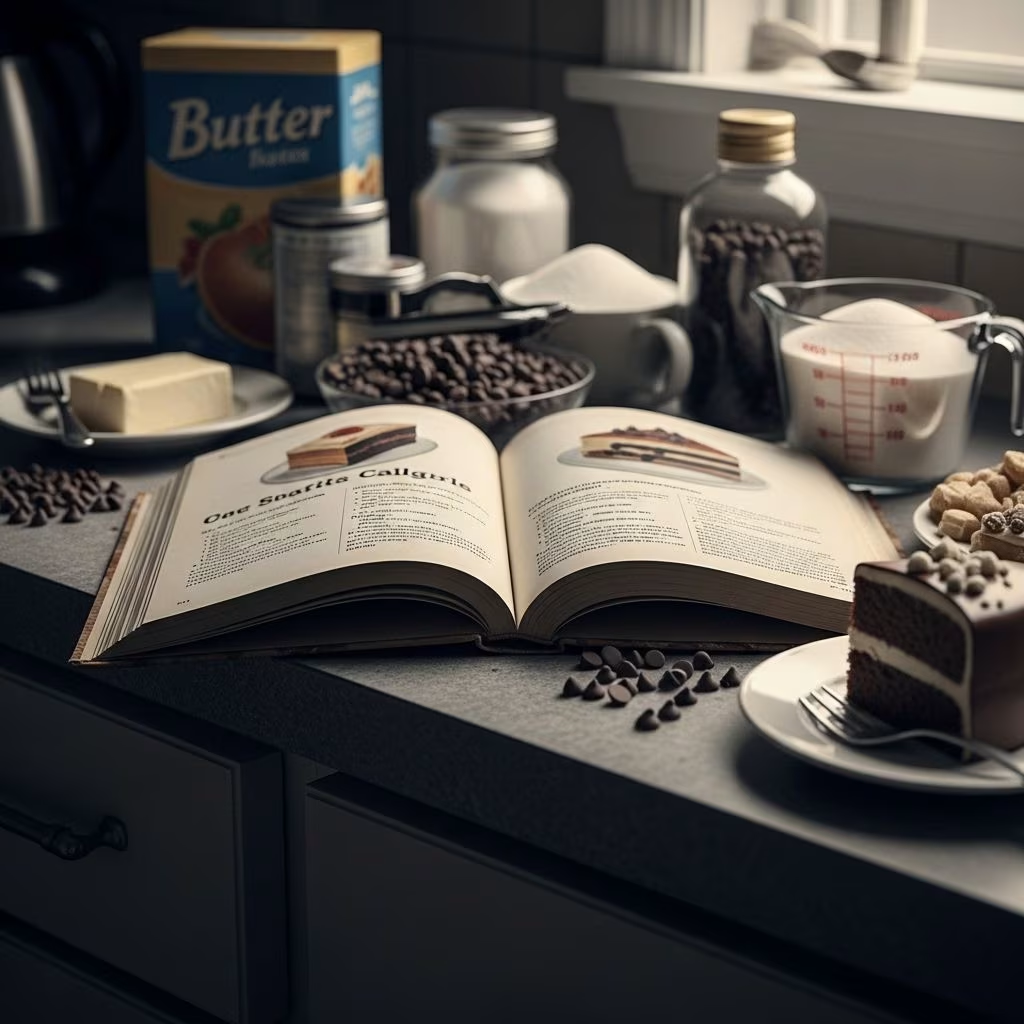
How Cookbook Recipes Can Quietly Lead to Weight Gain
If you think cooking at home is a guaranteed path to healthy eating and weight management, you may need to reconsider your assumptions. While homemade meals generally offer better control over ingredients than eating out, many cookbook recipes can be surprisingly high in calories, saturated fat, sodium, and sugar. Unseen pitfalls in standard cookbooks may be silently sabotaging your efforts to lose weight or maintain a healthy diet.
Why Cookbooks May Not Be as Healthy as You Think
With the rising popularity of food blogs and celebrity chefs, our perception of home-cooked meals often leans toward indulgence. However, cookbooks aren’t always written with health-first principles. Many recipes were designed to showcase flavor and satisfaction, not calorie-consciousness. Below are common ways in which cookbook recipes may unknowingly lead to weight gain:
- Large serving sizes: Many cookbooks suggest portions significantly larger than what nutrition guidelines recommend, increasing total calorie intake.
- High-calorie ingredients: Standard recipes often use generous amounts of butter, cream, oils, and sugar to enhance taste and texture.
- Lack of nutritional information: Unlike packaged foods, most traditional and even modern cookbooks omit calorie counts, making it hard to track intake.
What Research Reveals About Cookbook Recipes and Weight Gain
Recent studies have demonstrated a surprising trend: home cooking, when guided by popular cookbooks, often produces meals with calorie counts similar to — or sometimes exceeding — restaurant fare. For instance, a survey of top-selling cookbooks found that:
- Average entree recipes commonly exceed 600–800 calories per serving.
- Many ‘healthy’ labeled recipes were still high in sodium, saturated fat, or sugar.
These findings align with concerns by nutrition experts who warn that cookbooks rarely prioritize moderation. Instead, portion sizes and rich ingredients reign, especially in dishes designed to impress at gatherings or family dinners.
Key Pitfalls in Popular Cookbook Recipes
Let’s break down the hidden trouble spots you’re likely to encounter in common cookbooks:
| Recipe Feature | Common Issue | Example |
|---|---|---|
| Serving Size | Too large for moderate calorie intake | Pasta: Recipe may calculate 3 cups per person instead of 1 cup |
| Ingredients | High-fat dairy, oils, sugars added liberally | Mac & Cheese: Butter, whole milk, and cheese amounting to 30g+ fat/serving |
| Nutrition Info | Missing or incomplete | No calories, fat, or sodium listed for evaluation |
‘Healthy’ Cookbook Labels: Are They Misleading?
Many cookbooks sport claims like ‘light,’ ‘healthy,’ or ‘wholesome’ on the cover, but a closer examination of recipes can reveal hidden pitfalls. These may include:
- Use of ‘natural’ sweeteners or fats in generous quantities.
- Limited vegetables relative to starches and protein.
- ‘Healthy’ swaps that don’t significantly reduce calories or sodium.
Tip: Don’t rely on recipe titles alone for healthfulness. Scrutinize ingredient lists and actual serving sizes.
Culinary Culture: How Modern Cooking Norms Shape Our Plates
Cookbooks often reflect shifts in food culture, favoring bigger flavors and larger servings. Trends such as ‘decadent desserts’ or ‘comfort food classics’ can reinforce over-the-top indulgence. Even bestselling healthy-eating cookbooks sometimes prioritize taste over nutrition, assuming the reader will adapt serving size or ingredients to suit personal health goals.
- Celebrity chefs and food influencers frequently offer recipes rich in cheese, cream, or sugar.
- Visuals: Photographs display oversized helpings, subtly encouraging larger personal portions.
- Festive & weekend meals, once rare, are treated as everyday occurrences.
How Cookbook Design Can Lead to Overeating
It’s not just the ingredients and instructions that matter — presentation can have an outsized impact. Cookbooks often use:
- Full-page color photos of multicourse feasts.
- Abundant garnishes and ‘chef’s tips’ that add extra calories.
- Dessert sections filled with lavish sweets rarely scaled for everyday eating.
This visual culture encourages the mindset that larger portions and richer foods are standard for home cooking — a subtle but influential factor in calorie intake and body weight.
Portion Distortion: Are You Eating More Than You Realize?
One of the most significant contributors to hidden weight gain is portion distortion. Over decades, both restaurant and home-cooked portions have steadily increased. Cookbooks rarely set limits — instead, servings are defined by recipe convenience or tradition.
- Stews, pasta salads, and casseroles often assign up to 2–3 cups as a single serving.
- Baked goods: Muffins, scones, and brownies sized for sale rather than sensible intake.
Tip: Compare the portion sizes listed in your chosen cookbook with official dietary guidelines, such as those set by the CDC or WHO.
Practical Tips to Make Your Cookbook Work for Your Goals
Detecting and Tweaking High-Calorie Recipes
If you want to continue enjoying your favorite cookbook while managing your weight, try these strategies:
- Scan for added fats: Identify recipes with heavy cream, butter, and cheese and substitute with lower-fat options.
- Measure portions accurately: Split meals into smaller servings and store leftovers for future meals.
- Add more vegetables: Increase fiber and decrease calorie density by doubling veggie quantities in stews, stir-fries, or grain bowls.
- Reduce sugar: Halve the sugar in baked goods or substitute with pureed fruit.
Read Between the (Recipe) Lines
When using cookbooks:
- Calculate nutritional information using online tools or apps for greater accuracy.
- Adjust recipes to suit your own health goals.
- Be wary of implied serving sizes: If a dish appears too large, divide it further.
How to Modify Your Favorite Recipes
| Recipe Type | Standard Cookbook Approach | Healthier Modification |
|---|---|---|
| Pasta Entrée | 2–3 cups pasta, cream sauce | 1 cup pasta, sauce with pureed veggies, lean protein |
| Casserole | Cheese, butter, full-fat milk | Low-fat cheese, olive oil, plant milk, extra vegetables |
| Baked Goods | Sugar, refined flour, butter | Reduce sugar, substitute whole grain flour, applesauce for butter |
Expert Insights: The Role of Education and Portion Awareness
Nutrition experts emphasize the importance of education when using cookbooks. Consider the following recommendations:
- Look for modern cookbooks that incorporate nutritional information for each recipe.
- Favor recipes that highlight plants and lean proteins as main ingredients.
- Learn to adapt classic dishes to meet current portion guidelines.
When incorporating recipes into weekly meal plans, balance richer options with lighter fare, and pay special attention to overall calorie and macronutrient distributions.
Frequently Asked Questions (FAQs)
Q: Are all cookbook recipes unhealthy for weight management?
No, not all cookbook recipes are unhealthy or promote weight gain. However, many are high in calories and larger portions than needed, so reviewing and possibly modifying them is important before including them regularly in your diet.
Q: Can I trust ‘healthy’ cookbooks for weight loss?
‘Healthy’ cookbooks vary widely. Some provide accurate nutrition data and reasonable serving sizes, but many still contain hidden sugars, fats, or sodium. Always check ingredient lists and consider calculating your own nutritional info.
Q: What’s the best way to adapt a favorite recipe for weight control?
Start by reducing added fats and sugars, increasing vegetables, and dividing portions to match dietary guidelines. Use digital tools to estimate nutritional values if the cookbook doesn’t provide them.
Q: Is eating home-cooked meals always healthier than dining out?
Generally, home-cooking can be healthier because you control the ingredients. However, if you follow high-calorie recipes or ignore portion size, you may consume as many calories as in a restaurant meal.
Q: Do newer cookbooks offer better nutritional guidance?
Many modern cookbooks are more aware of nutritional concerns, including calorie counts and healthier tweaks. Look for those authored by registered dietitians or that focus on balanced eating.
Summary: Making Cookbook Recipes Work for Your Weight Goals
- Standard cookbook recipes may contribute to unintentional weight gain due to large portions and rich ingredients.
- Understanding portion sizes, scrutinizing ingredients, and making small tweaks can reduce calories and support health without sacrificing flavor.
- Education and awareness remain key: Use cookbooks as inspiration, but adapt them for your personal health journey.
With a mindful approach, your home-cooked meals can become powerful allies in reaching and sustaining your health and weight loss goals.
References
- https://www.tigerfitness.com/blogs/diet-weight-loss/6-high-protein-cookbooks-to-inspire-your-meal-prep
- https://www.goodreads.com/book/show/124254803-weight-gain-cookbook-for-beginners
- https://www.elpasotimes.com/story/tech/reviewedcom/2016/11/01/11-mouth-watering-cookbooks-help-you-eat-healthier-meals/93115302/
- https://www.prevention.com/weight-loss/a20467873/how-cookbook-recipes-can-lead-to-weight-gain/
- https://www.prevention.com/weight-loss/a20435458/top-chefs-weight-loss-tips/
- http://medbox.iiab.me/modules/en-cdc/www.cdc.gov/healthyweight/healthy_eating/recipes.html


