How to Stop Your Dog from Jumping Up
Many dog owners struggle with the problem of dogs jumping up during greetings. While this behavior can seem innocent or even endearing at first, it quickly becomes an issue, especially when guests visit or when walking out in public. Thankfully, with consistency and the right techniques, you can teach your dog to greet people politely with all four paws on the floor.
Why Do Dogs Jump Up?
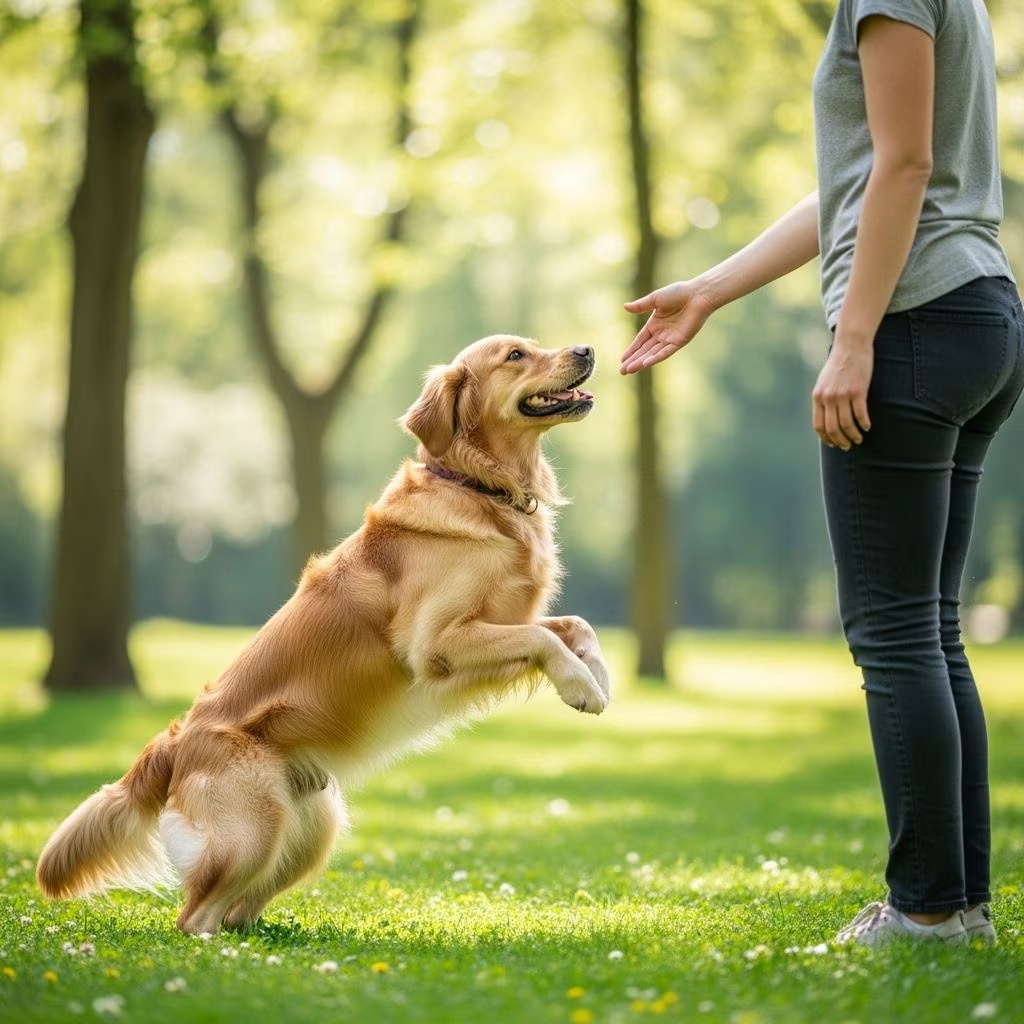
Dogs often jump up on people to seek attention or greet them face-to-face. In canine social structure, jumping can mimic the behavior of pups seeking attention from their mothers or play with other dogs. Unfortunately, when dogs use the same behavior with humans, it can lead to problems—not only is jumping inappropriate, it can also be dangerous, especially with children or elderly people.
- Attention seeking: Dogs quickly learn that jumping results in a reaction—even if it’s negative.
- Greeting ritual: Many dogs jump to get closer to a person’s face, which is a natural greeting position for them.
- Excitement: High energy and enthusiasm when someone arrives often trigger jumping behavior.
How to Teach Appropriate Greeting Behavior
The goal of any training program is clarity and consistency. Dogs thrive on predictable outcomes. Here’s how to guide your dog towards the right greeting habits:
1. Only Greet Your Dog When They Have Four Paws on the Floor
One of the most effective ways to discourage jumping is to provide attention only when your dog is calm, with all paws firmly on the ground. The moment your dog jumps up, withdraw your attention by turning away or stepping back. When the dog settles and keeps four paws down, immediately reward with praise or petting. Over time, your dog will associate floor contact with positive greeting experiences.
- Reward immediately when your dog’s feet touch the floor.
- Ignore (don’t touch, talk, or look at) your dog while they are jumping.
- Practice consistency for fastest learning.
2. Give Attention As Soon As Your Dog’s Front Feet Hit the Floor
Delayed attention can lead to confusion. If you reward at the wrong moment, the dog may not connect the dots between their behavior and your reaction. As soon as their feet are down, engage warmly, but don’t greet them mid-jump or while they’re in the process of landing. Timing is critical in cementing the link between appropriate behavior and reward.
3. Remove All Attention While Jumping Occurs
Withdrawing all forms of attention during jumping helps teach your dog that their efforts don’t pay off. This means you should:
- Avoid petting, scolding, or even eye contact.
- Step back, fold arms, turn away if the dog jumps up.
- Wait for the dog to calm before re-engaging.
4. Use Positive Reinforcement
All dogs learn faster with rewards. Each time your dog greets calmly, provide treats, praise, or access to their favorite toy. The reward should match the challenge. Greeting a guest calmly is a big deal, so make the reward more valuable (e.g., high-value treats). The more you reinforce good greeting behavior, the quicker your dog learns.
- Use small treats so you can give multiple rewards without overfeeding.
- Verbally praise your dog during appropriate greetings – “Good job!” or “Nice greeting!”
- Occasionally offer play or affection as part of the reward system.
5. Always Reward Your Dog for Proper Greeting Behavior
If your dog finally settles with paws on the floor after repeated jumping, always reward the correct behavior, no matter how long it took. Inconsistent reinforcement will confuse your dog and slow the training process. Even when frustrated, respond positively when your dog behaves right, so the rules remain crystal clear.
Dogs learn best when the consequences of their actions are immediate and consistent. Withholding attention when a dog is jumping and providing it right when the dog’s feet land on the floor encourages persistent proper behavior.
6. Don’t Grab or Push Your Dog Away
Resist the urge to push, grab, or physically manipulate your dog during jumping. For some dogs, this can turn into a game, reinforcing the jumping behavior. Negative physical responses can also damage trust and make your dog more prone to rough play or avoidance. Instead, remain calm and simply remove attention. Let the dog figure out that jumping leads to nothing, but calmness brings connection.
- Pushing or restraining can feel like play to some dogs.
- Physical intervention is still attention – avoid giving it.
- Instead, use “time-outs” or calmly walk away until the dog settles.
7. Don’t Put Your Knee Up When Your Dog Jumps
Using your knee to block a dog’s jump is an outdated approach. While some believe it discourages jumping, it can actually be seen as attention, a challenge, or even punishment by your dog. This may create anxiety or damage the human-canine relationship, especially if it results in injury or fear. Stick to positive reinforcement and attention withdrawal techniques for best results.
Physically blocking with a knee can erode trust and, in some cases, actually increase the jumping behavior due to misunderstood signals.
Preventing Jumping While You Train
Management strategies can help reduce jumping opportunities while training is underway. Prevention helps ensure your dog doesn’t rehearse unwanted behavior.
- Mat or crate cue: Teach your dog the “go to your place” command. When visitors arrive, send your dog to their mat or crate and reward with treats for staying calm.
- Gate or leash management: Use a dog gate at entrances to block access to guests or put your dog on a leash when people arrive.
- Treats and toys at the door: Keep rewards handy. Throw a treat or toy away from the entrance to distract your dog while guests come in. Visitors can also reward calm greetings with treats or toys.
| Prevention Strategy | How It Helps |
|---|---|
| Mat/Crate Cue | Removes dog from greeting area, helps teach calmness. |
| Dog Gate/Leash | Physically blocks jumping opportunities, allows controlled greeting. |
| Treats/Toys at Door | Distracts dog, redirects excitement, builds positive greeting habits. |
Managing Jumping on Walks and in Public
Training your dog at home is one thing, but controlling behavior outside or with strangers can be challenging. Here are strategies for public greetings:
- Use a “watch me” cue or squeaky toy to redirect attention as strangers pass by.
- Ask strangers to ignore your dog if they jump. Friendly reminders can reinforce training.
- Avoid greeting strangers with your dog until training at home is reliable.
- Control the situation—let only those who agree to follow your greeting procedure interact with your dog.
Common Mistakes to Avoid
- Reinforcing jumping with any form of attention or physical interaction.
- Being inconsistent—allowing jumping sometimes makes it harder for your dog to learn the rule.
- Punishing jumping physically or harshly, which can cause fear and damage your relationship.
- Not supervising greetings, especially with children or visitors unfamiliar with your training plan.
Helping Your Dog Succeed
Setting your dog up for success involves patience, consistency, and the right environment:
- Practice greeting routines daily—short, frequent training sessions work best.
- Reward every successful greeting, especially in new or challenging situations.
- Gradually increase difficulty: practice greetings with new people, outdoors, or during walks.
- If setbacks occur, return to basics and regain consistency.
Frequently Asked Questions (FAQs)
Q: My dog only jumps on certain people. What should I do?
Some dogs target specific individuals who excite them more, such as children or favorite visitors. Train with those people, making sure your dog only gets attention when all four paws are down. Enlist their cooperation and reinforce calmness with rewards.
Q: How long will it take to stop my dog from jumping?
Training duration varies by age, breed, and consistency. Many dogs learn in a few weeks if everyone enforces the rule. Puppies may take longer, as jumping is more instinctive at this stage.
Q: Can punishment stop dog jumping?
Punishment is not recommended. It can confuse your dog or damage your bond. Use positive reinforcement and attention removal instead for lasting success.
Q: What if guests encourage my dog to jump?
Explain your training plan to visitors in advance. Ask them to only pay attention to your dog when all paws are on the floor, or help by tossing treats away from the door to redirect energy and keep greetings calm.
Q: Will neutering/spaying stop jumping?
Jumping is rarely directly connected to hormones. Training and management are the most effective ways to address the behavior.
Key Takeaways and Next Steps
- Jumping is a common canine greeting behavior that often requires intervention for safety and harmony.
- Consistent withdrawal of attention and positive reinforcement are the foundations of training.
- Avoid physical punishment or rough handling, as it can reinforce jumping or harm trust.
- Prevention techniques and management tools help minimize jumping opportunities.
- Recruit friends, family, and guests to follow your greeting procedure for consistent results.
Resources for Further Learning
- Consult a certified professional dog trainer for personalized advice.
- Explore online training guides and AKC resources on positive reinforcement.
- Consider group obedience classes to reinforce manners in a structured environment.
In Summary
Stopping your dog from jumping up is a process that requires commitment from everyone who interacts with your dog. By using positive reinforcement, avoiding punishment, and deploying smart management techniques, you’ll help your dog become a polite and confident greeter in any situation. With time, patience, and cooperation, jumping will become a thing of the past.
References
- https://www.akc.org/expert-advice/training/stop-dog-jumping/
- https://www.akc.org/expert-advice/training/how-to-stop-your-dog-from-jumping-up-on-people/
- http://www.msstate.edu/newsroom/article/2025/04/msu-welcomes-american-kennel-club-diving-dogs-premier-cup-saturday
- https://www.tiktok.com/@americankennelclub/video/7490307228751318318
- https://www.instagram.com/p/DLVCQ4TMgqo/