


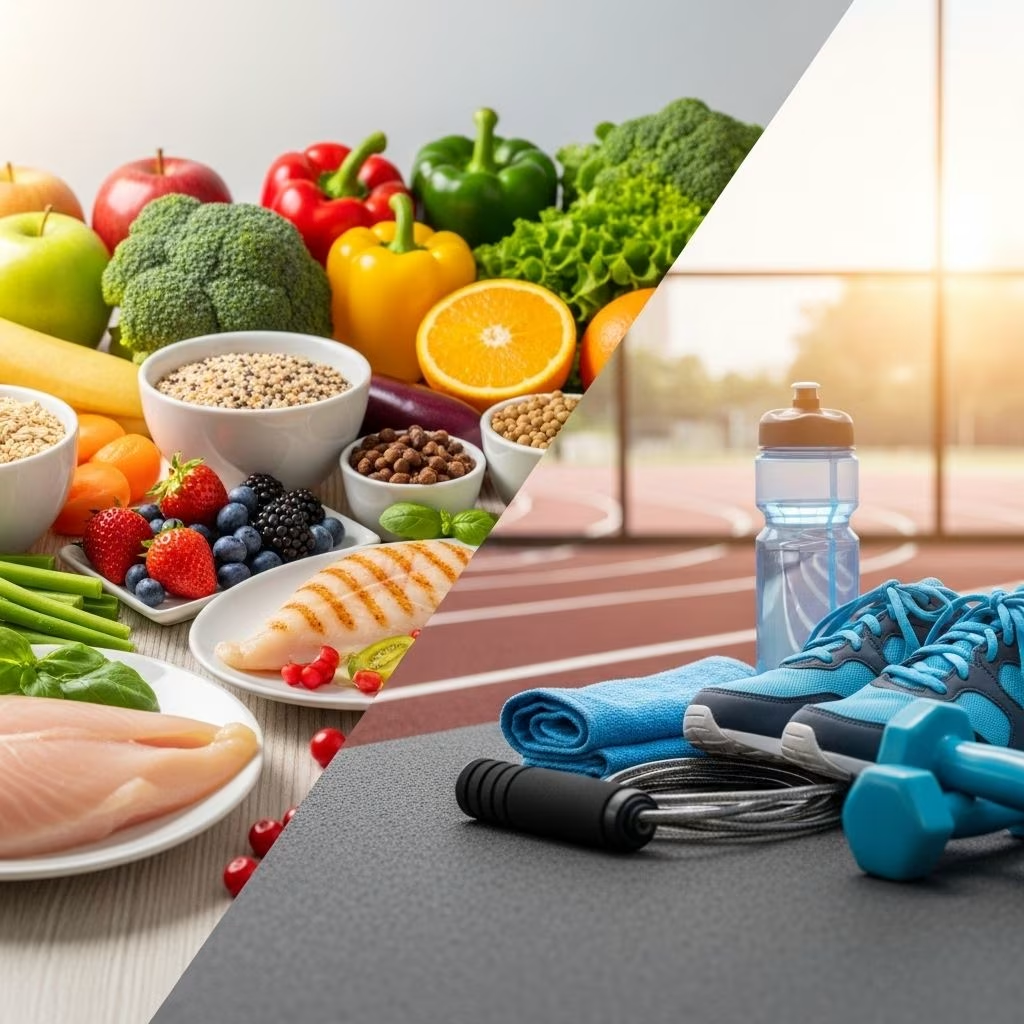
Every year, millions attempt to lose weight by joining gyms, tracking calories, or overhauling their diets. Yet much confusion—and misinformation—surrounds the question of what matters most: Is it diet, exercise, or the perfect blend? This comprehensive guide explores the relationship between what you eat, how you move, and how your body sheds pounds. You’ll find expert insights, myth-busting facts, and actionable strategies to set you up for lasting weight loss.
Why Weight Loss Isn’t as Simple as ‘Eat Less, Move More’
The foundational formula of weight loss is calories in versus calories out. If you consume fewer calories than you burn, you will theoretically lose weight. However, the real world is more complex. Metabolism adapts, appetite signals fluctuate, and lifestyle habits—such as sleep and stress—play significant roles in how effectively you lose, maintain, or even regain weight.
Diet vs. Exercise: Which Is More Important?
- Diet has a larger role in creating a calorie deficit. Most studies conclude it’s far easier to cut calories through eating choices than by burning them off with exercise. For example, skipping one 500-calorie dessert a day is more manageable than running for 45 minutes daily.
- Yet, exercise matters for long-term success. Regular physical activity not only burns calories, but also preserves muscle, revs up your metabolism, and, most importantly, helps keep weight off once you’ve lost it.
In essence, both matter, but their contributions differ:
| Factor | Impact on Weight Loss | Essential for Maintenance? |
|---|---|---|
| Diet | Very High (primary driver of fat loss) | Important |
| Exercise | Moderate (supports smaller ongoing losses) | Critical for maintaining lost weight |
Understanding Calories—And Why Cutting Them Too Much Backfires
All weight loss comes down to creating a calorie deficit. This means your body must use stored fat for energy rather than relying fully on food. However, severe calorie restriction can slow your metabolism, cause muscle loss, and trigger strong hunger signals that may lead to binging.
- Sustainable calorie reduction (usually 300–500 calories/day) is more effective and healthy in the long term.
- Aim for a weight loss of 1–2 pounds per week—a pace that is realistic for most adults and less likely to trigger negative physical or psychological effects.
The Role of Exercise in Weight Loss and Beyond
Exercise’s role should not be underestimated—even if its direct impact on the scale can feel modest at first.
- To lose a clinically significant amount of weight from exercise alone (typically 3–6 kg over several months), most studies recommend at least 150–300 minutes of moderate to vigorous aerobic activity each week—far more than many people achieve.
- For maintaining lost weight, ongoing exercise is vital: most successful long-term weight maintainers in studies average about 60 minutes of physical activity nearly every day, whether walking briskly, cycling, or engaging in other activities.
- Exercise preserves muscle mass and helps prevent age-related declines in metabolism.
Types of Exercise for Weight Loss
- Aerobic (Cardio) Exercise (e.g., brisk walking, running, cycling) burns calories and specifically reduces visceral fat, the dangerous fat around organs.
- Resistance Training (e.g., weightlifting, bodyweight exercises) preserves or builds muscle, boosting metabolism and improving body composition.
- Flexibility and Balance Work (e.g., yoga, Pilates) supports overall function and can make consistent movement easier.
Combining different kinds of exercise maximizes health and weight loss benefits while lowering the risk of injury or boredom.
How Eating Habits Influence Weight Loss Success
While the calorie equation matters, the types of foods you eat also play huge roles in appetite, satisfaction, and nutrient intake:
- Focus on whole, minimally processed foods such as vegetables, fruits, whole grains, lean proteins, and healthy fats.
- High-fiber foods and adequate protein help you stay fuller on fewer calories.
- Minimize added sugars, sugary beverages, and ultra-processed snacks, as these deliver calories with little lasting satisfaction.
- Practicing mindful eating—tuning in to hunger, fullness, and enjoyment—helps avoid emotional or mindless snacking.
Why ‘Quick Fixes’ Often Fail—and What Really Works
Many people try extreme diets or intense exercise plans in hopes of fast results, but nearly all research agrees: these rarely lead to lasting weight loss. Why?
- Crash diets dramatically restrict calories, slowing your metabolism and often causing rebound weight gain once your old eating habits return.
- Punishing exercise routines can cause burnout, injury, or a cycle of all-or-nothing thinking—where one missed workout leads to quitting altogether.
- Sustainable changes—small improvements repeated over time—are the proven path to real, lasting results.
The Science of Keeping Weight Off
Losing weight is hard—keeping it off is often even harder. The best long-term studies reveal a few common strategies among successful maintainers:
- Regular physical activity—most engage in at least 200–300 minutes per week of purposeful movement.
- Consistent self-monitoring—tracking weight, food intake, or activity keeps goals top of mind.
- Eating similar foods and meals most days—reducing day-to-day variability lessens temptation and guesswork.
- Building social support and accountability into their routines.
Building a Personalized Weight Loss Plan: Practical Tips
Because no two bodies (or personalities) are identical, the best approach depends on your lifestyle, health status, and preferences. The strategies below help most people get started:
- Set Realistic Goals: Aim for progress, not perfection.
- Eat Mindfully: Slow down, savor your meals, and stop eating when satisfied—not stuffed.
- Move More—in Every Way: Take the stairs, park farther away, dance to music; every bit counts.
- Plan Ahead: Prepare healthy snacks and meals to avoid hunger-induced decisions.
- Address Emotional Eating: Recognize stress or triggers that prompt eating when not hungry and find alternative coping strategies.
Common Weight Loss Myths—Debunked
- Myth: Carbs make you fat.
Reality: Excess calories of any type lead to weight gain. Whole grains, fruits, and vegetables are healthy sources of carbs. - Myth: Exercise alone is enough to shed major pounds.
Reality: While movement is vital, cutting calories via dietary change is usually the most effective approach initially. - Myth: You have to cut out all your favorite foods.
Reality: Allowing for occasional treats can make a healthy pattern more sustainable long-term. - Myth: You can target fat loss from specific body parts with exercise.
Reality: Spot reduction has no evidence; fat loss tends to occur throughout the body.
Sample Day for a Balanced Weight Loss Plan
Here’s what a realistic day of eating and activity could look like. Meal portion sizes will depend on your calorie needs.
- Breakfast: Greek yogurt with berries and a handful of walnuts.
- Lunch: Grilled chicken salad with leafy greens, chickpeas, tomatoes, and vinaigrette.
- Snack: Apple slices with almond butter.
- Dinner: Salmon fillet, quinoa, and roasted Brussels sprouts.
- Activity: 30–60 minutes of brisk walking or another moderate activity; take short walks after meals and stretch before bed.
Staying Motivated on Your Weight Loss Journey
- Track your progress—but not just the scale. Celebrate improved energy, better sleep, or new activity milestones.
- Reward yourself (without food) for meeting small goals. Buy a new workout top or schedule a fun outing.
- Reframe setbacks as learning opportunities—not failures.
Frequently Asked Questions (FAQs)
Q: Is it possible to lose weight with exercise alone?
A: Most research indicates that exercise alone typically leads to modest weight loss unless paired with dietary changes. Creating a calorie deficit with diet is generally easier than achieving the same through exercise alone, but regular physical activity is essential for keeping weight off once lost.
Q: How much exercise is actually needed for weight loss?
A: For modest health benefits, aim for at least 150 minutes per week of moderate-intensity aerobic exercise. For greater weight loss and to maintain lost weight, many experts recommend increasing to 225–300 minutes per week.
Q: Do you have to give up all ‘junk foods’ to lose weight?
A: No. Lasting weight loss is most attainable with a balanced, enjoyable eating pattern that allows for occasional indulgences, balanced with mostly nourishing foods and portion awareness.
Q: Is slow weight loss better than rapid weight loss?
A: Yes. Slow, steady weight loss (1–2 pounds/week) is linked to more sustainable results, better habits, and lower risk of regaining weight.
Q: What role do sleep and stress play in weight loss?
A: Lack of sleep and chronic stress can disrupt appetite hormones, increase cravings, and make it harder to stick to healthy habits. Prioritize 7–9 hours of sleep and adopt stress-management techniques.
Key Takeaways
- Diet changes are the most effective lever for initial weight loss—focus on calorie quality and portion control.
- Exercise is critical for keeping weight off, building muscle, and overall health.
- Build new habits gradually—one sustainable change at a time yields the biggest lasting results.
If you’re starting your weight loss journey or frustrated by plateaus, remember: Real results come from consistency, not perfection. Focus on nourishing your body, moving joyfully, and embracing progress each day.
References
- https://pmc.ncbi.nlm.nih.gov/articles/PMC5556592/
- https://jamanetwork.com/journals/jamanetworkopen/fullarticle/2828487
- https://www.prevention.com/weight-loss/
- https://www.prevention.com/weight-loss/diets/a60578947/how-to-lose-weight-fast-safely/
- https://www.prevention.com/weight-loss/a36065492/rethinking-body-weight/
- https://www.prevention.com/weight-loss/a30188568/lose-weight-without-exercise-0/
- https://www.prevention.com/weight-loss/g29761485/medical-weight-loss/
- https://www.prevention.com
- https://www.prevention.com/fitness/a37857801/7-day-weight-loss-preparation-guide/
- https://www.piedmont.org/living-real-change/diet-vs-exercise-for-weight-loss


