


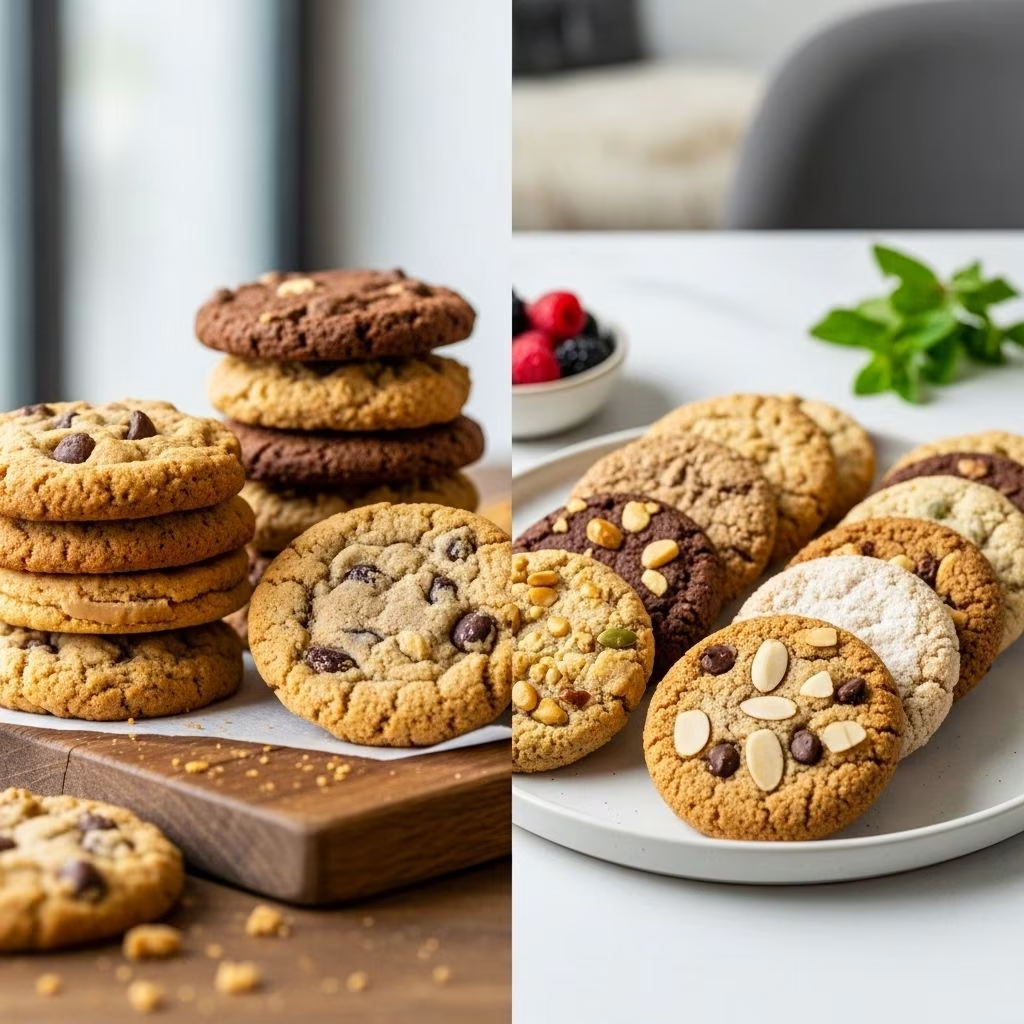
Low-Carb Diets and the Changing World of Cookies
The dietary landscape in America is changing rapidly, and few treats are feeling the impact as much as cookies. Once a comfort-filled symbol of indulgence and childhood, cookies are now in the spotlight as consumers rethink habits in the name of health. With the rise of low-carb diets, Americans are transforming their snacking preferences, leading to collapsing cookie sales—and sparking a new era of innovation among snack makers eager to stay both relevant and profitable.
How Low-Carb Diets Are Impacting Cookie Sales
The early 2000s marked a seismic shift for the cookie industry. As the low-carb craze took hold, more consumers became wary of flour, sugar, and processed snacks, aiming for waistlines and blood sugar levels alike. USA Today reported that overall cookie sales dropped significantly, with a 3.5% dip in a single year. Major brands felt the pinch even more: Keebler, one of the iconic cookie brands, saw sales slump by a staggering 9.2% over the same period.
- Consumers sought alternatives with less sugar, fewer carbohydrates, and zero trans fat.
- Brands scrambled to adapt, recognizing that sticking to old recipes and marketing strategies risked becoming obsolete.
In the wake of these evolving dietary norms, snack companies faced a clear imperative: innovate or risk irrelevance.
How Cookie Companies Are Adapting
Confronted with declining sales and evolving consumer tastes, the cookie industry embraced transformation on multiple levels:
- Healthier Ingredients: Cookie makers swapped out trans fats, cut down on added sugars, and pursued non-GMO, organic, and whole-grain recipes.
- Portion Control: Mini-cookies and single-serve packs made controlling indulgence more manageable for calorie- and carb-conscious eaters.
- On-The-Go Portability: Resealable and travel-friendly packaging enhanced convenience, supporting healthier choices on busy schedules.
- New Flavors and Experiences: Innovative flavors, textures, and combinations—like dipping cookies or combining savory with sweet—captured consumer curiosity.
- Marketing the Benefits: Brands highlighted attributes like “low carb,” “no trans fats,” or “good source of fiber” on labels for instant shelf appeal.
More than simply selling cookies, companies increasingly positioned their products as functional snacks for the health-aware and the pleasure-seeking alike.
The Rise of Health-Conscious Snacking
Healthy eating isn’t just a trend; it’s a lifestyle shift that’s making an indelible mark on food manufacturing, retailing, and marketing. Consumers today are more informed and critical about what they’re eating. The largest shifts underpinning this movement include:
- Carb Cutting: Driven by diets like Atkins, paleo, and keto, Americans are deliberately lowering their carbohydrate intake.
- Sugar Shaming: Health campaigns, scientific studies, and nutrition labels have made excess sugar consumption a major red flag.
- Trans Fat Elimination: Popularly demonized, trans fats have nearly vanished from the mainstream snack aisle.
- Smarter Labels: With FDA regulations on clearer nutritional labeling, consumers are empowered to make healthier choices quickly.
The result? A rapidly growing market for snacks that support weight loss, blood sugar stability, and overall well-being while still offering satisfaction and flavor.
Low-Carb Diets: Why the Craze?
Low-carb diets continue to attract millions of Americans, with science lending increasing support for their benefits:
- Weight Loss: Reducing carb intake leads to lower insulin levels and, for many, faster shedding of body fat.
- Metabolic Control: Fewer carbs can stabilize blood sugar and lower the risk of type 2 diabetes.
- Reduced Cravings: Low-carb diets appear to cut hunger and binge-eating for some people, making weight control more sustainable.
- Heart Health: Swapping sugar and refined grains for healthy fats and proteins can improve cholesterol profiles and overall cardiovascular risk in some individuals.
This convergence of science and anecdotal success stories has made low-carb eating a mainstay among dieters, fitness enthusiasts, and those with medical needs.
How the Food Industry Is Innovating
Recognizing the seismic dietary shift, cookie makers, large and small, have turned to innovation to win back market share and re-inspire snacking happiness. Strategies include:
- Reformulating Classics: Many major brands offer remakes of traditional cookies with fewer carbs and more fiber.
- Artisanal Small Batch: Niche bakers focus on ingredient quality—like almond flour, coconut, and unsweetened chocolate.
- Alternative Sweeteners: Innovations feature natural, low-glycemic sweeteners such as stevia, monk fruit, and erythritol.
- Functionality: Cookies with protein boosts, added vitamins, or probiotics appeal to health-minded consumers who demand more from their food.
The cookie aisle is now more diverse than ever, featuring options for many tastes and dietary restrictions. Even traditional indulgences are available in “better for you” formats.
Portion Control, Portability, and Snackability
One major innovation that companies have embraced is the portion-controlled snack—more specifically, the mini-cookie. These bite-sized treats allow for satisfying cravings without derailing diets. Smart packaging, individual pouches, and even multi-pack minis make it easier for consumers to snack intentionally and moderately.
- Mini versions of favorite cookies offer a psychological boost: you enjoy a treat and manage your carbs or calories.
- More portable, mess-free, and suitable for lunchboxes or office drawers, these cookies fit the modern, on-the-go lifestyle.
- Portion-controlled packaging reduces mindless eating—an important advantage for those looking to lose weight or manage their blood sugar.
Making Cookies Healthier: Ingredients and Formulation
The push for healthier cookies centers on three main fronts:
- Lower Sugar Content: Swapping out refined sugar for sugar alcohols, plant-based alternatives, or fruit purees.
- Healthy Fats: Eliminating trans fats and replacing unhealthy oils with sources like canola, coconut oil, or even avocado.
- Smart Flours and Fibers: Using nut-based flours, oat fiber, and adding ingredients like chia seeds or flaxseed for extra nutritional value.
The result is a new generation of cookies that offer delicious flavors, textures, and satisfaction—without sabotaging a low-carb lifestyle.
Table: Classic vs. Modern Low-Carb Cookies
| Aspect | Traditional Cookies | Modern Low-Carb Cookies |
|---|---|---|
| Flour Base | White/whole wheat flour | Almond, coconut, or oat flour; nut meals |
| Sweetener | Sugar, corn syrup | Erythritol, stevia, monk fruit, dates, applesauce |
| Fat Source | Butter, margarine, shortening, often with trans fats | Canola oil, coconut oil, unsweetened nut butters |
| Fiber Content | Low (1-2 g per serving) | Higher (thanks to added oat fiber, seeds, etc.) |
| Portion Size | Large, standard cookies | Mini, single-serve, snack-pack sizes for portion control |
Popular Low-Carb Cookie & Snack Alternatives
If you’re craving something sweet but want to stay on track with your diet, there are more low-carb snack options than ever before. Here are a few crowd-pleasers:
- Nut-Based Cookies: Almond flour cookies are moist, flavorful, and extremely low in digestible carbs.
- Coconut Macaroons: Go heavy on unsweetened coconut and egg whites, skipping traditional sugars.
- Cheese Crisps: Baked cheese rounds for that satisfyingly savory crunch, zero carbs, and a protein punch.
- Berries & Whipped Cream: Use berries (highest in fiber and lowest in sugar among fruits) with a dollop of sugar-free whipped cream.
- Peanut Butter Bites: Combine all-natural nut butter, flaxseed, cocoa, and a low-carb sweetener for an easy no-bake treat.
- Greek Yogurt Parfaits: Layer zero- or low-sugar Greek yogurt with berries and a sprinkle of seeds for a crunchy, satisfying snack.
Low-Carb Cookie Tips: Bake or Buy?
Should you make your own cookies or buy them ready-made? Both options have their perks:
- Bake at Home: Allows control over every ingredient, giving you full ownership of the carb count, flavor, and nutrition. Homemade cookies can leverage high-fiber flours, plant-based sweeteners, and heart-healthy fats.
- Read Labels! Packaged cookies are quick, easy, and convenient, but always check nutrition facts and ingredient lists—some brands rely on blends that favor net carbs (total carbs minus fiber and certain sweeteners for a lower label count).
Whether you bake or buy, knowledge is power: look for short, simple ingredient lists, and avoid cookies with hidden sugars or hydrogenated oils.
Expert-Recommended Low-Carb Cookie Ingredients
- Almond Flour: High in protein and healthy fats; one of the lowest-carb baking flours available.
- Coconut Flour: Adds moisture, fiber, and a slight sweetness.
- Cacao Nibs or Unsweetened Cocoa: Delivers chocolatey flavor with almost no sugar.
- Chopped Nuts and Seeds: Pump up fiber, protein, and healthy fat content.
- Stevia, Erythritol, Monk Fruit: Zero-calorie, plant-derived sweeteners that don’t spike blood sugar levels.
- Eggs and Egg Whites: Add structure, moisture, and protein with zero carbs.
- Unsweetened Apple Sauce (in moderation): Helps bind cookies together while replacing some added sugar.
Cookie Trends to Watch
- Single-Serve Options: Personal-sized cookie packs are trending for portion control.
- Functional Snacks: Cookies with added protein, collagen, or probiotics target health- and fitness-minded consumers.
- Plant-Based Innovation: Vegan, dairy-free, and gluten-free cookies appeal to those with allergies, intolerances, or specific eating patterns.
- Clean Labels: Transparency around ingredients promotes trust and repeat purchases.
Frequently Asked Questions (FAQs)
Q: Are low-carb cookies really healthier than regular cookies?
Low-carb cookies often have less sugar, more fiber, and healthier fats than traditional cookies, but portion size and ingredients still matter. Check labels and opt for cookies with minimal processed ingredients.
Q: How many carbs are in a typical low-carb cookie?
Carb counts vary, but many commercial or homemade low-carb cookies have 2–6g net carbs per serving. Always review packaging for precise nutrition information.
Q: Do low-carb cookies taste like traditional cookies?
Taste has dramatically improved with newer recipes. Texture may differ, but most people find well-crafted low-carb cookies satisfying and delicious. Brands experiment with ingredients to mimic beloved classics.
Q: What should I watch out for in packaged low-carb cookies?
Look for hidden sugars (like maltodextrin), artificial additives, and unhealthy fats. Prefer products with whole food ingredients, no trans fat, and minimal additives.
Q: Can I eat cookies on a ketogenic diet?
Yes, if you select cookies specifically formulated to be very low in carbohydrates (especially net carbs) and high in fats, using keto-friendly ingredients like almond flour and stevia.
Key Takeaways for Cookie Lovers
- The era of low-carb eating is driving profound changes in cookie production, sales, and recipes.
- Innovative brands are reshaping classics, introducing health-focused snacks, and making cookies accessible for more diets than ever before.
- Homemade and store-bought low-carb cookies can satisfy cravings without derailing your health or weight-loss goals.
- Portion control, clean ingredients, and a focus on nutrition are here to stay.
So, whether you’re craving a treat or strategizing your next healthy snack, today’s cookie is more than a sweet escape—it’s a symbol of how Americans are blending tradition with transformation in every bite.
References
- https://www.prevention.com/health/health-conditions/g20501751/10-diabetes-friendly-cookie-recipes/
- https://www.prevention.com/weight-loss/diets/a20429965/low-carb-diets-and-cookies/
- https://www.prevention.com/food-nutrition/healthy-eating/g37871941/best-low-carb-snacks/
- https://diabetes.org/food-nutrition/understanding-carbs/carb-counting-and-diabetes
- https://www.healthline.com/nutrition/ketogenic-diet-101
- https://medlineplus.gov/carbohydrates.html


