


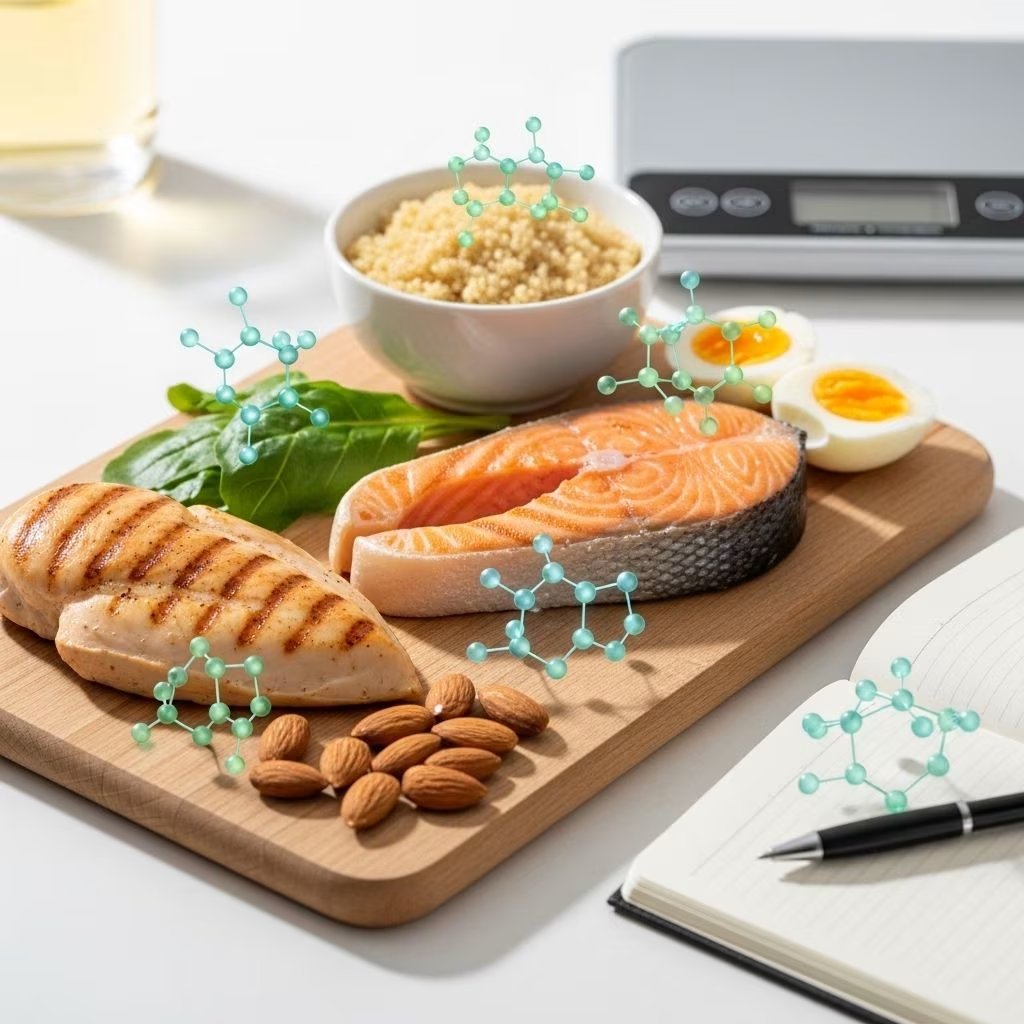
Achieving and maintaining a healthy weight is a complex process that goes far beyond counting calories; it’s about understanding how different foods interact with your body’s metabolism and satiety signals. Among various dietary approaches, high-protein diets have emerged as a powerful tool not only for shedding pounds, but also for preserving muscle, stabilizing blood sugar, and extending satiety. This article explores the intricate relationship between high-protein foods, amino acids, and weight loss, backing each point with modern scientific insights—and offering actionable strategies for your daily meals.
Why Protein Matters for Weight Loss
Protein is not just a building block for muscle. It plays a critical role in supporting weight loss through several intertwined mechanisms:
- Promotes fullness and helps reduce overall calorie intake by enhancing satiety signals.
- Boosts calorie burning through the thermic effect of food (TEF), requiring more energy for digestion compared to carbs or fats.
- Reduces appetite by influencing hunger hormones in the brain.
- Preserves lean muscle mass during weight loss, which sustains resting metabolic rate.
How Protein Promotes Satiety and Reduces Appetite
One of the strongest arguments for high-protein eating is its effect on hunger and fullness. While carbs and fats certainly play a role, scientific trials repeatedly show that protein is the most filling macronutrient—which can help curb overeating and spontaneous snacking.
- Protein consumption increases satiety hormones such as GLP-1, peptide YY, and cholecystokinin, and reduces ghrelin, the main hunger hormone.
- Feeling fuller for longer after meals means fewer cravings and less mindless munching between meals.
- This hunger-suppressing effect can make it easier to adhere to a calorie deficit, especially compared to low-protein diets.
The Science of Fullness: What the Research Shows
Clinical trials and reviews offer consistent findings:
- People who eat a high-protein diet tend to consume fewer total calories—sometimes over 400 calories less per day—without conscious restriction.
- During weight loss, higher protein intakes help individuals maintain more of their lean body mass (muscle), which is often lost on calorie-restricted diets.
- Protein’s impact on gut-derived hormones modulates appetite and signals to the brain that it’s time to stop eating.
The Thermic Effect of Protein: Burn More Calories Without Trying
Thermic Effect of Food (TEF) refers to the energy required to digest, absorb, and metabolize nutrients.
| Macronutrient | Typical TEF (%) |
|---|---|
| Protein | 20-30% |
| Carbohydrate | 5-10% |
| Fat | 0-3% |
This means that if you consume 100 calories of protein, your body may use 20-30 of those calories during digestion and metabolism, compared to much smaller amounts for carbs and fats. This extra energy expenditure assists in overall calorie burning during the weight loss process.
Preserving Muscle While Losing Fat: A Unique Advantage of Protein
Losing weight without sufficient protein can result in the loss of both fat and lean body mass (muscle). This is not ideal, as muscle tissue is metabolically active and keeps your resting metabolism higher. Sufficient protein intake:
- Preserves more muscle mass during weight loss, helping maintain a healthy metabolism.
- Improves body composition (the ratio of fat to muscle) for a firmer, healthier physique.
- Supports recovery if you are performing resistance training.
Amino Acids: The Building Blocks of Protein (and Weight Regulation)
Proteins are composed of amino acids, which are essential for muscle maintenance, hormone production, metabolic regulation, tissue repair, and immune function.
- The human body requires nine essential amino acids that must come from the diet.
- Complete protein sources (animal foods and certain plant foods such as quinoa and soy) contain all essential amino acids, while most plant proteins are considered incomplete but can form a complete profile when varied across meals.
Amino acids also play roles in:
- Modulating the release of gut hormones that impact appetite.
- Driving muscle protein synthesis, crucial for muscle repair and growth—especially when combined with physical activity.
Best High-Protein Foods for Weight Loss
Choosing the right protein sources is critical. While almost any protein will help satiety and calorie burning, certain foods offer additional nutritional advantages (such as low fat, essential nutrients, or fiber).
- Lean animal proteins: Chicken breast, turkey, fish (salmon, tuna), and seafood are nutrient-dense, rich in essential amino acids, and low in saturated fat.
- Eggs: Provide a compact source of highly bioavailable protein, along with vitamins and minerals.
- Dairy products: Low-fat Greek yogurt, cottage cheese, and certain cheeses deliver protein alongside calcium.
- Plant-based proteins: Beans, lentils, chickpeas, tempeh, edamame, quinoa, chia seeds, and nuts are excellent sources for those following plant-based diets. They also contribute fiber, promoting fullness.
Sample High-Protein Food Table
| Food | Protein per Serving | Additional Benefits |
|---|---|---|
| Chicken Breast (3 oz) | 26g | Low fat, no carbs |
| Salmon (3 oz) | 22g | Omega-3 fatty acids |
| Greek Yogurt (1 cup) | 17g | Calcium, probiotics |
| Quinoa (1 cup, cooked) | 8g | Complete protein, fiber |
| Lentils (1 cup, cooked) | 18g | Fiber, iron |
| Eggs (2 large) | 12g | Vitamin D, choline |
Designing Your High-Protein Menu: Tips and Strategies
Building a high-protein, sustainable meal plan doesn’t require extreme diets or exotic foods. These simple strategies can help you boost your intake:
- Prioritize protein at every meal: Start with your protein source, then add vegetables and whole grains.
- Mix it up: Vary your protein sources to ensure a full spectrum of amino acids and prevent taste fatigue.
- Include protein with snacks: Choose options like yogurt, cheese, edamame, or a handful of nuts for extra fullness.
- Choose nutrient-dense proteins: Opt for unprocessed foods with minimal added sugars and saturated fat.
- Balance with plants: Pair animal proteins with plenty of vegetables and consider plant-based meals a few times per week for overall health and environmental benefits.
Sample Daily High-Protein Eating Day
- Breakfast: Greek yogurt with chia seeds and berries, or scrambled eggs and whole-grain toast.
- Snack: Low-fat cottage cheese with sliced cucumber, or roasted edamame.
- Lunch: Grilled chicken salad with leafy greens, cherry tomatoes, and black beans.
- Snack: Protein smoothie with whey or plant-based protein powder, almond milk, and spinach.
- Dinner: Baked salmon with quinoa and steamed broccoli.
Addressing Common Concerns: Health and Safety of High-Protein Diets
Research supports the safety of higher protein intake for most healthy adults. Key points include:
- Short- and medium-term studies (up to 12 months) show positive effects on weight and body composition without negative impacts on kidney function or bone health, provided there are no underlying medical conditions.
- People with pre-existing kidney disease or other medical concerns should talk to a healthcare provider before changing their diet significantly.
- Emphasizing whole, minimally processed protein choices is critical to maximize nutritional benefit and minimize potential intake of additives, sodium, and saturated fats.
Frequently Asked Questions (FAQs)
Q: How much protein do I need daily for weight loss?
A: Most evidence suggests aiming for 1.2–1.6 grams of protein per kilogram of body weight per day (about 20-30% of daily calories). This range supports satiety, metabolic health, and preservation of lean mass. Individual needs vary based on activity level, age, and health status.
Q: Are plant-based proteins as effective as animal proteins?
A: Plant proteins can be effective for weight loss and health when consumed in sufficient quantity and variety. Combining different plant-based sources helps provide all essential amino acids.
Q: Can I eat too much protein while trying to lose weight?
A: Most healthy people can safely consume moderately high protein diets. However, excessive intake (well above 2 grams per kilogram body weight daily) may pose risks for certain individuals. Consult a healthcare professional for personalized guidance.
Q: Does eating more protein mean I need to avoid carbohydrates?
A: Not necessarily. Replacing some carbs or fats with protein can be beneficial, but balanced meals containing whole grains, vegetables, and healthy fats alongside protein are ideal for most people.
Q: What’s the best time to eat protein for weight loss?
A: Distribute protein intake evenly across meals and snacks throughout the day to maximize muscle maintenance, satiety, and energy expenditure.
Conclusion: Harnessing the Power of Protein for Lasting Weight Loss
Scientific evidence is clear: a high-protein dietary approach offers multiple, synergistic benefits for those seeking to lose or maintain weight. Protein-rich foods help regulate hunger signals, fuel calorie burning, preserve muscle, and can contribute to improved metabolic health. By carefully selecting wholesome, minimally processed protein sources and integrating them into balanced meals, you can create an eating strategy that is not only effective for weight loss, but also sustainable for a lifetime of health.
References
- https://www.goodrx.com/well-being/diet-nutrition/is-protein-good-for-weight-loss
- https://pmc.ncbi.nlm.nih.gov/articles/PMC7539343/
- https://www.healthline.com/nutrition/how-protein-can-help-you-lose-weight
- https://www.webmd.com/diet/high-protein-diet-weight-loss
- https://www.mayoclinic.org/healthy-lifestyle/nutrition-and-healthy-eating/expert-answers/high-protein-diets/faq-20058207
- https://medicine.washu.edu/news/high-protein-diet-curbs-metabolic-benefits-weight-loss/
- https://www.abbott.com/corpnewsroom/nutrition-health-and-wellness/why-protein-is-a-key-nutrient-in-your-weight-loss-journey.html
- https://www.bbcgoodfood.com/health/nutrition/spotlight-high-protein-diets
- https://gwhospital.com/about/blog/how-protein-helps-you-lose-weight-and-boost-heart-health/


