


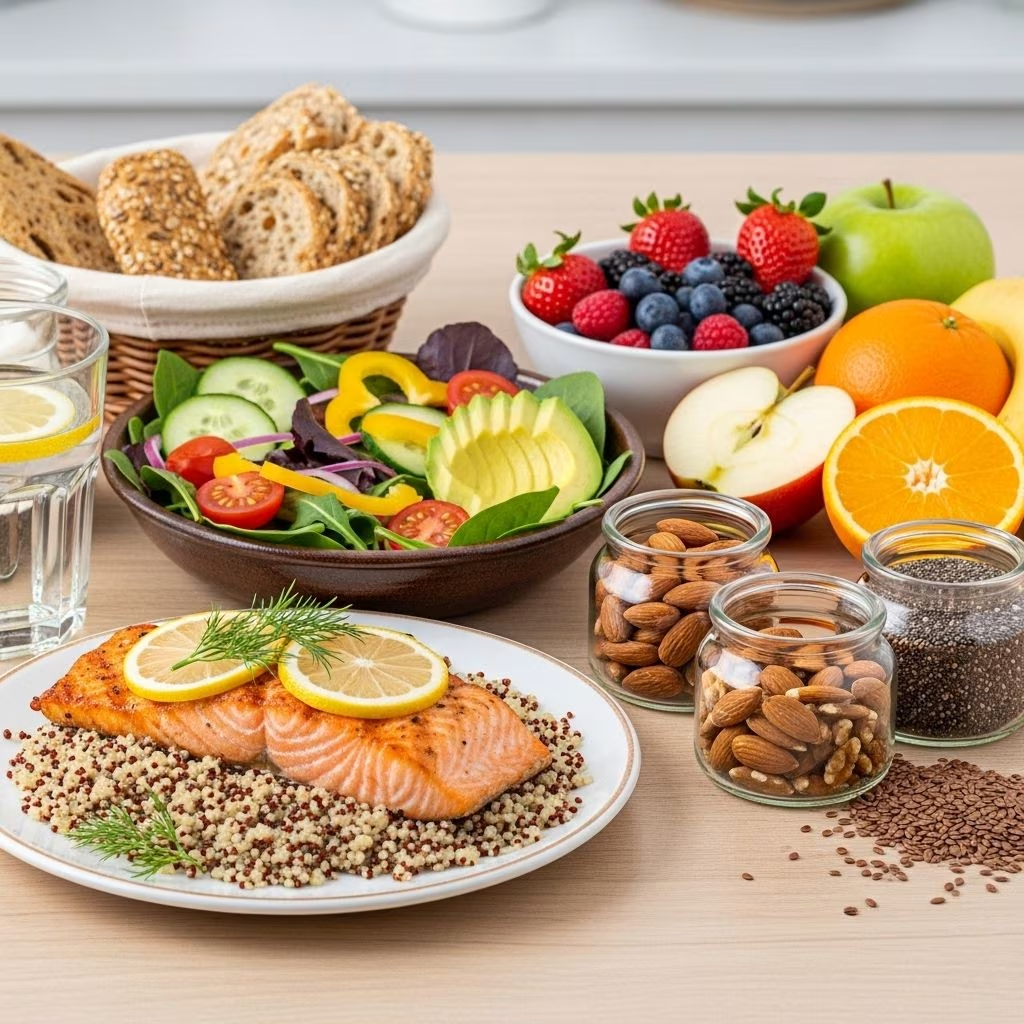
The Essential Guide to Healthy Eating
Adopting healthy eating habits is one of the most impactful choices you can make for lifelong wellness, weight management, and disease prevention. This comprehensive guide synthesizes the latest scientific research and nutritionist-backed strategies to help you build a more nutritious, balanced diet—while understanding the deeper effects of food choices on your health.
What Does ‘Healthy Eating’ Really Mean?
Healthy eating goes beyond simple calorie counting or strict diet plans. Experts increasingly recognize that the quality of your food—not just the quantity—plays a critical role in your health. The FDA’s evolving definition now emphasizes nutrient balance and overall eating patterns, rather than individual nutrients or foods. When choosing what to eat, think about how various food groups contribute to a sustainable and health-promoting lifestyle.
For instance, under proposed guidelines, a food like cereal must offer whole grains and limit added sugars, saturated fat, and sodium to be considered healthy.
Why Your Food Choices Matter
Your daily food choices can influence body weight, metabolism, gut health, chronic disease risk, and even cognitive function as you age.
- Whole and minimally processed foods support optimal metabolism, help regulate appetite, and tend to be more satisfying than ultra-processed foods.
- Eating patterns rich in plant-based foods (“plant-forward” versus strictly vegetarian) are linked to healthy aging and reduced incidence of many chronic diseases.
- Ultra-processed foods—high in added sugars, refined grains, unhealthy fats, and additives—can undermine your health, even when calorie intake is moderate.
Key Benefits of Healthy Eating
- Supports weight management and fat loss
- Promotes heart, gut, and brain health
- Lowers risk of cardiovascular disease, diabetes, and some cancers
- Improves energy, sleep, and overall well-being
- Enhances longevity and health span
Evidence-Based Healthy Eating Patterns
Research highlights several dietary approaches shown to maximize lifelong health and support healthy weight loss.
The Alternative Healthy Eating Index (AHEI)
The AHEI, designed by Harvard nutritionists, ranks foods and nutrients according to their impact on chronic disease risk and healthy aging. It favors diets:
- High in vegetables (aim for five servings daily)
- Rich in fruit (four servings)
- Emphasizing whole grains (five to six servings)
- Including nuts, legumes, and plant proteins
- Using healthy fats
- Minimizing red and processed meats, sugary drinks, sodium, and refined grains
Choosing this pattern can help preserve cognitive, physical, and mental vitality well into older age.
Plant-Based & Plant-Forward Diets
You don’t need to go fully vegetarian or vegan to benefit—moving toward a plant-based diet simply means making plant foods the majority of what you eat. Studies link these diets with:
- Lower risk of heart disease, diabetes, and some cancers
- Better gut health and more stable blood sugar
- Increased intake of fiber, antioxidants, and anti-inflammatory compounds
- Improved mood and mental health outcomes
Ultra-Processed vs. Minimally Processed Foods: Why It Matters
Food processing levels influence far more than calorie intake—they affect metabolism, digestion, cravings, and inflammation.
| Factor | Minimally Processed Diet | Ultra-Processed Diet |
|---|---|---|
| Weight Loss Rate (8 weeks) | 2% body weight lost, mainly from fat | 1% body weight lost |
| Appetite & Cravings | Fewer cravings, better appetite control | Frequent cravings and emotional eating |
| Satiation | Greater sense of fullness | Less fullness |
| Digestive Health | Reduced constipation, less indigestion | More frequent constipation, reflux |
| Energy Levels | Stable energy | Fatigue more common |
| Other Risks | Supports healthy metabolism | Linked to chronic diseases and inflammation |
Ultra-processed foods can disrupt natural hunger signals and encourage overeating through engineered palatability and additives that drive cravings.
How Ultra-Processed Foods Harm Health
- Increase risk of heart disease, type 2 diabetes, depression—even when weight is stable
- Promote inflammation and disturb gut health
- Are high in added sugar, unhealthy fats, and sodium
- Encourage compulsive eating and disrupt blood sugar regulation
Simple Healthy Eating Practices You Can Start Today
Transitioning to healthier eating doesn’t have to be complicated. Experts recommend focusing on consistency, variety, and mindful habits in your day-to-day choices.
1. Fill Half Your Plate With Vegetables
Vegetables supply vital fiber, vitamins, and minerals, with fewer calories. Making veggies the star of every meal helps fill you up and crowds out less healthy options.
2. Add Fruits and Whole Grains
- Enjoy four servings of fruit daily for antioxidants and natural sweetness
- Choose whole grains like oats, brown rice, farro, and quinoa for energy and gut health
- Aim for five to six servings of whole grains each day
3. Include Healthy Fats and Proteins
- Use nuts, seeds, and olive oil to get unsaturated fats
- Enjoy legumes, beans, lentils, and tofu for plant-based protein
- Limit red and processed meats, sticking to lean poultry and fish instead
4. Eat Breakfast to Start Your Day Right
Not everyone enjoys breakfast, but for most, it stimulates metabolism and helps with all-day energy. Include high-protein options like eggs, yogurt, or nut butter for lasting satiety.
5. Focus on Fiber
Fiber from vegetables, fruits, and whole grains regulates blood sugar, supports gut health, and provides long-lasting fullness. Aim for variety throughout the week.
6. Balance Sodium, Sugar, and Saturated Fat Intake
Watch for added sugars, sodium, and saturated fat, especially in packaged and restaurant foods. Use herbs, spices, citrus, and vinegar for flavor instead.
7. Cook More, Rely Less on Packaged Foods
Preparing meals at home gives you control over ingredients, portion sizes, and cooking methods, making it easier to build a healthy plate.
Weight Management: Tips for Sustainable Success
Many people chase “fast” weight loss, but experts emphasize that sustainability and overall wellness matter more than losing pounds quickly.
- Strength training (weights, resistance bands, bodyweight exercises) boosts muscle, metabolism, and fat loss.
- Fiber-rich foods (vegetables, whole grains, beans) curb hunger and support a healthy weight.
- Eat mindfully; focus on fullness cues and reduce emotional eating.
- Physical activity throughout the week—including walking, biking, or household chores—supports weight control and heart health.
Healthy Aging: The Nutrition Connection
How you eat today profoundly affects the way you age. Research shows that prioritizing plant-based foods and limiting processed products can help you reach old age free of chronic illnesses while maintaining cognitive and physical function.
- Plant-based diets lower inflammation, oxidative stress, and chronic disease risk.
- Fiber and healthy fats support brain health and reduce cognitive decline.
- Controlling sodium, trans fats, and processed meats preserves heart and metabolic health.
- Gut health is maintained by a variety of natural plant foods and fermented products.
Understanding Food Labels and Nutrition Definitions
As standards evolve, “healthy” labels require scrutiny. Look for products that:
- Feature whole food ingredients, especially whole grains
- Keep added sugars, sodium, and saturated fats to a minimum
- Are rich in fiber, vitamins, and minerals
- Limit artificial additives and preservatives
Nutritionists stress that “healthy” is context-dependent: what’s healthy for one person (an athlete, elderly adult, or someone managing disease) may differ widely. Always tailor eating patterns to your lifestyle, age, and health status.
Frequently Asked Questions (FAQ)
Q: Can I lose weight without eliminating entire food groups?
A: Yes. Emphasizing minimally processed foods, balanced portions, and regular physical activity is proven to support weight loss while keeping your diet varied and enjoyable.
Q: What’s the best breakfast for lasting fullness?
A: Breakfasts high in protein and fiber—like oatmeal with fruit and nuts or eggs with vegetables—help control appetite and energy levels all day.
Q: Do all processed foods harm health?
A: Not all processed foods are harmful. Minimally processed options (frozen veggies, canned legumes, plain yogurt) can be healthy. Ultra-processed foods with added sugars, fats, and additives should be limited.
Q: How can I add plant-based meals without giving up meat completely?
A: Start by making vegetables, whole grains, beans, and nuts the foundation of most meals. Enjoy smaller portions of meat or fish as a complement, rather than the centerpiece.
Q: Why do some people gain weight even if they don’t eat ‘junk food’?
A: Factors like portion size, eating frequency, meal composition, stress, sleep, genetics, and physical activity all influence body weight—beyond just the presence of processed foods.
Takeaway: Everyday Strategies for Lifelong Healthy Eating
- Make vegetables, fruits, and whole grains a daily priority.
- Limit ultra-processed and sugary foods—focus on fresh and home-cooked meals.
- Incorporate healthy fats and lean proteins from both animal and plant sources.
- Balance meals for energy, taste, and satisfaction; avoid restrictive fads.
- Stay active, lift weights, and monitor your progress with a growth mindset.
- Listen to your body: use hunger and fullness cues to guide eating.
Building healthy eating habits is a lifelong journey. Small, consistent changes are far more sustainable than radical diets. By prioritizing quality foods and holistic nutrition patterns, you empower yourself for wellness now and in years to come.
References
- https://www.prevention.com/food-nutrition/healthy-eating/a65664887/ultra-processed-foods-weight-loss-gut-health-study/
- https://www.prevention.com/weight-loss/diets/a60578947/how-to-lose-weight-fast-safely/
- https://www.prevention.com/food-nutrition/healthy-eating/a64297964/healthy-aging-diet-study/
- https://www.prevention.com/health/a41443296/fda-new-rules-healthy-definition-food/
- https://www.prevention.com/food-nutrition/healthy-eating/
- https://www.prevention.com
- https://www.prevention.com/food-nutrition/
- https://www.prevention.com/weight-loss/g20494462/eating-habits-for-weight-loss/
- https://www.prevention.com/weight-loss/
- https://www.cdc.gov/nutrition/features/healthy-eating-tips.html


