


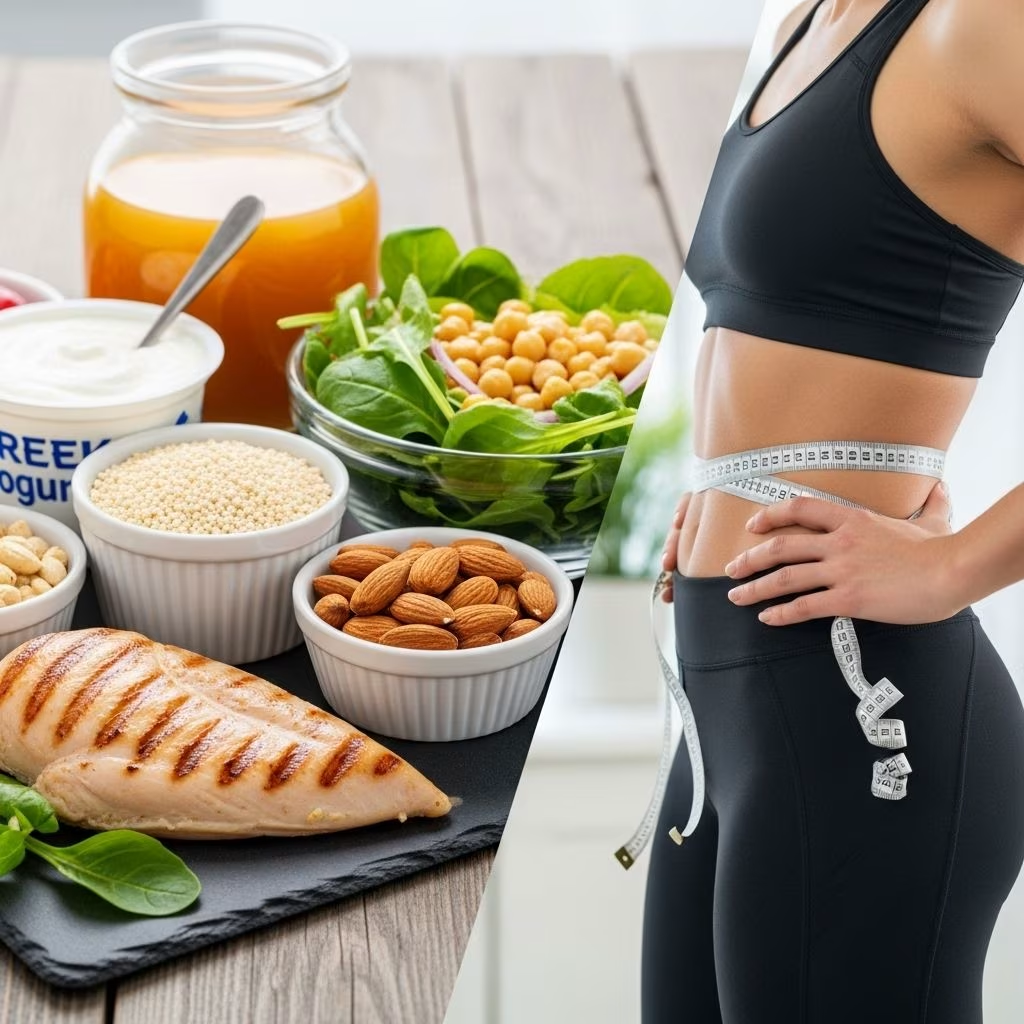
Understanding the Connection Between Diet, Protein, and Waist-Hip Ratio
The relationship between diet composition—specifically protein intake—and body fat distribution is a central focus of current nutrition and weight loss science. The waist-hip ratio (WHR) is a critical measure of how fat is distributed on your body, with mounting evidence suggesting that higher protein diets can favorably influence this measure. This article explores the complex interplay between nutrition, protein, and body shape, unpacks current research, and explains what the science means for your choices at mealtime.
What Is Waist-Hip Ratio and Why Does It Matter?
Waist-hip ratio (WHR) is calculated by dividing the circumference of your waist by that of your hips. This simple number tells a lot about where you carry your body fat:
- Apple-shaped individuals carry more fat around the stomach (higher WHR).
- Pear-shaped people store more fat around the hips and thighs (lower WHR).
This matters because excess fat around the waist is linked to increased risk of chronic diseases, including type 2 diabetes and cardiovascular disease. According to health experts:
- A healthy WHR for women is 0.8 or less.
- A healthy WHR for men is 0.95 or less.
Table: Waist-Hip Ratios and Associated Health Risks
| WHR Range | Body Shape | Health Risk |
|---|---|---|
| ≤ 0.8 (Women) / ≤ 0.95 (Men) | Pear | Lowest risk |
| > 0.8 (Women) / > 0.95 (Men) | Apple | Higher risk (diabetes, heart disease) |
Protein Intake, Diets, and the WHR: What the Research Shows
A 2005 Journal of Nutrition study examined how protein intake affects waist-hip ratios in a large multi-ethnic population. The findings were clear:
- As protein intake increased, WHR decreased—people who ate more protein had less abdominal fat in relation to their hips.
- Replacing some carbohydrates with protein (rather than unrestricted protein intake) was associated with smaller WHR.
- Even small increases in the percentage of calories from protein (about 1.6%) were linked to a leaner waistline.
- Smoking was associated with a larger waist-hip ratio, highlighting lifestyle impacts on fat distribution.
High-Protein Diets: Mechanisms and Evidence
Why might protein-rich diets reduce abdominal fat and lower the waist-to-hip ratio? Recent studies have looked closely at both mechanisms and outcomes:
- Satiety: Protein is more filling than carbohydrates or fat, often leading to reduced overall calorie intake.
- Energy Expenditure: Proteins require more energy to digest (higher diet-induced thermogenesis), increasing resting metabolic rate and calorie burn.
- Hormonal Effects: Protein increases satiety by boosting hormones like GLP-1 and cholecystokinin, while lowering the hunger hormone ghrelin.
- Fat-Free Mass Preservation: High-protein diets help preserve muscle during weight loss, which is crucial for maintaining metabolic rate.
Protein’s Role in Real-World Outcomes
Among individuals following a moderately high-protein diet (about 34% of total daily calories from protein), research found:
- Greater total fat loss compared to those on higher-carb diets.
- Specifically, a greater reduction in abdominal fat (lower WHR).
- Improvements in blood parameters, including lower triglyceride concentrations and better vitamin B12 status.
Carbohydrates, Protein, and the Waistline: Finding the Balance
The science does not support extreme diets that cut out entire food groups or excessively increase any one macronutrient. Instead, the research suggests that modest increases in protein—with a corresponding decrease in carbohydrates—can help you improve your body shape, specifically by reducing central obesity:
- Substituting small amounts of protein for similar amounts of carbohydrate can lead to noticeable improvements in waist-hip ratios.
- The average difference in protein intake between people with the smallest and largest WHR in major studies was just 1.6% of total calories.
- Studies discourage unlimited protein consumption; instead, a balanced approach is recommended for sustained health.
Sample Macronutrient Comparison Table
| Diet Type | % Protein | % Carbohydrate | % Fat | Body Comp Effect |
|---|---|---|---|---|
| High Protein | 34 | 46 | 20 | More fat loss, smaller WHR |
| High Carbohydrate | 17 | 64 | 20 | Less fat loss, higher WHR |
Why Does Belly Fat Matter?
Not only is abdominal fat (“beer belly”) aesthetically undesired by many, but belly fat is metabolically active and linked to a greater risk for:
- Heart disease
- Type 2 diabetes
- Metabolic syndrome
- Liver disease
Studies show that modifying protein and carbohydrate intakes can help shift fat distribution away from the abdomen and toward the hips, reducing these risks.
Protein, Menopause, and Body Shape: Special Considerations
Emerging research has looked at specific groups, particularly postmenopausal women, who are at greater risk of increased abdominal obesity and metabolic slowdown due to hormonal changes. Some studies, including those focusing on beef protein supplementation, highlight the following:
- Trends toward decreased WHR with increased protein, even when not statistically significant over short periods.
- Preservation of fat-free mass (muscle), which is key as menopause is often associated with muscle loss and metabolic rate decline.
- No significant negative effects on cholesterol or kidney function in the context of balanced high-protein diets in healthy adults.,
Researchers caution that the makeup of the protein source (animal vs plant) may affect cholesterol responses, and that more long-term studies are needed to determine precise effects over years rather than weeks.
Other Lifestyle Factors Affecting Your Waist-Hip Ratio
- Smoking: Increases abdominal fat, contributing to a less favorable WHR.
- Physical activity: Regular exercise—especially strength training—supports protein’s effect on fat distribution and muscle maintenance.
- Alcohol consumption: May promote abdominal fat accumulation (hence the term “beer belly”).
- Sleep and stress: Chronic stress and poor sleep are associated with greater abdominal fat, regardless of diet.
How Much Protein Should You Eat?
The current consensus among nutrition researchers and dietary guidelines is that most adults should aim for:
- About 15-35% of daily calories from protein, with the higher end best reserved for those pursuing fat loss or muscle retention.
- For most people, this is about 0.8–1.2 grams of protein per kilogram of body weight (higher for active individuals).
Excessive protein offers no additional benefits and can increase dietary strain, particularly if it replaces healthy plant foods or if people have preexisting kidney disease (which warrants consultation with a healthcare professional).
Frequently Asked Questions (FAQs)
Q: Does a high-protein diet guarantee a lower waist-hip ratio for everyone?
A: No, while studies show a trend that higher protein intakes are associated with lower WHR, individual results depend on genetics, other aspects of diet, activity, and lifestyle habits.
Q: Are all protein sources equally effective for controlling waist-hip ratio?
A: Both animal and plant protein can be beneficial. Some data suggests that amino acid profiles and other nutrients in the protein source may affect cholesterol and other health markers differently.
Q: Can you eat unlimited protein to lose more fat?
A: No, research indicates that only modest increases in protein are necessary, and more is not always better. Extreme high-protein diets may carry risks for some populations.
Q: Does increasing protein help reduce visceral (deep belly) fat more than other fats?
A: Studies point to preferential loss of abdominal fat with higher protein diets compared to higher carb diets, likely due to hormonal, metabolic, and appetite effects.
Q: Do high-protein diets have risks for healthy people?
A: For most healthy adults, scientific reviews so far do not show harm to bone density or kidney function in the long term, but extremely high protein consumption should still be avoided.
Key Takeaways: Protein, Diet, and Waist-Hip Ratio
- Small increases in dietary protein, particularly when balanced with a reduction in carbohydrates, can help reduce abdominal obesity and lead to a healthier WHR.
- Focus on overall dietary quality, regular physical activity, not smoking, and other healthy habits for best results.
- Waist-hip ratio is a strong predictor of health risks, independent of total body weight, so shaping your diet to support a healthier distribution of fat is a worthwhile goal.
Always consult a healthcare provider before making major changes to your diet, especially if you have existing health conditions.
Related Reading and Next Steps
- How a Healthy Marriage Lowers Metabolic Syndrome Risk
- The Mediterranean Diet and Heart Disease Prevention
- Parenting and Feeding Picky Eaters: Tips from Nutritionists
References
- https://www.prevention.com/weight-loss/diets/a20459637/diets-protein-and-waist-hip-ratios/
- https://pmc.ncbi.nlm.nih.gov/articles/PMC7539343/
- https://scholarworks.uark.edu/cgi/viewcontent.cgi?article=1130&context=biscuht
- https://www.beefitswhatsfordinner.com/Media/BIWFD/Docs/getleanwithprotein.pdf
- https://pmc.ncbi.nlm.nih.gov/articles/PMC10799103/
- https://www.nature.com/articles/s41598-025-96486-6
- https://www.medicalnewstoday.com/articles/can-diet-waist-hip-ratio-predict-brain-health-memory-aging
- https://www.webmd.com/fitness-exercise/what-is-waist-to-hip-ratio


