


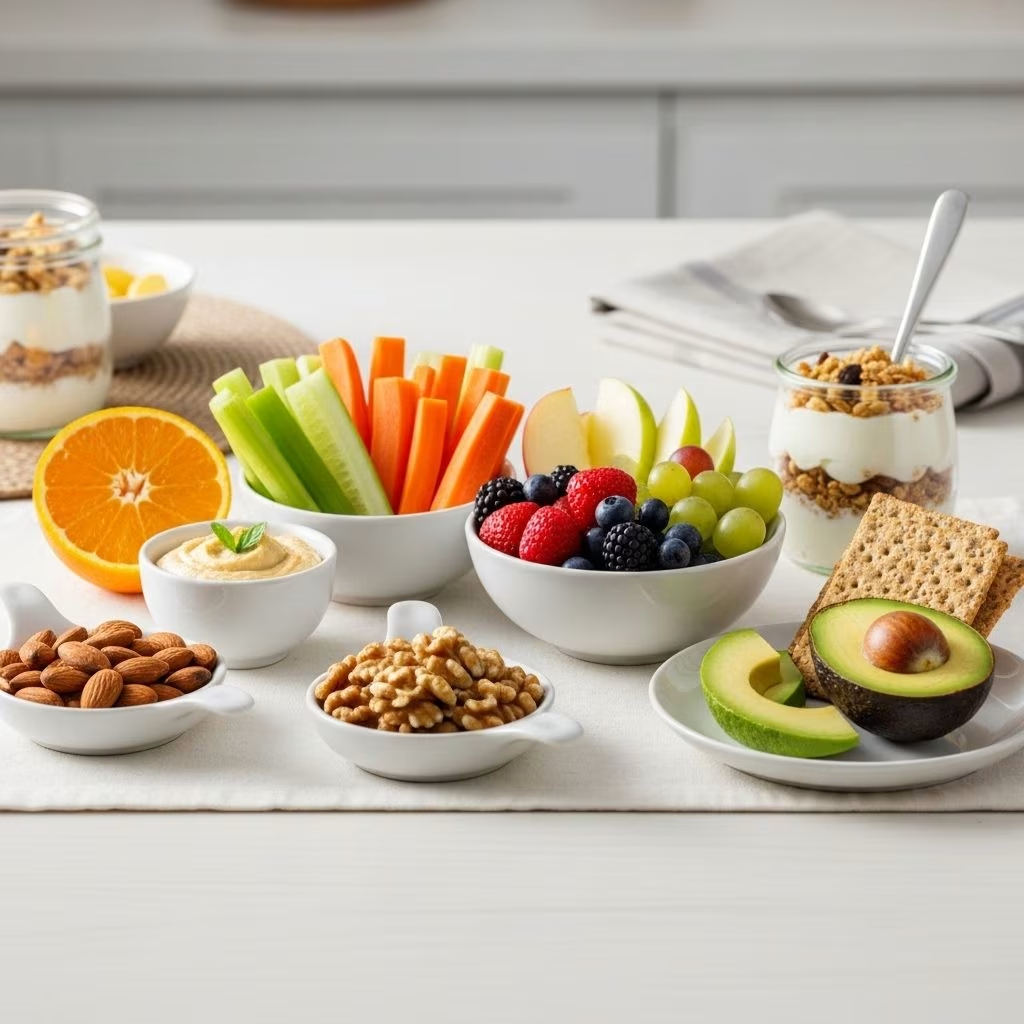
Smart Snacking for a Healthier Weight Loss Journey
Snacks often have a bad reputation among those striving for weight loss, conjuring images of empty calories and sabotaged diets. However, when approached intentionally, snacking can be a powerful tool for keeping your metabolism humming, preventing overeating at meals, and rounding out your daily nutrition with extra servings of key food groups. This guide explores expert tips for snacking smarter—including what to eat, when to eat, and how to satisfy cravings without stalling your progress.
Why Snacking Matters in Weight Loss
According to leading nutritionists, healthy snacks are not just an indulgence—they are strategic opportunities to fill nutrition gaps and keep energy levels stable throughout the day. As Cynthia Sass, RD, MPH, explains, “Snacking helps us get more of the nutrients our bodies need” and can make it easier to achieve recommended daily servings of whole grains, fruits, and vegetables.
- Prevents ravenous hunger that leads to overeating at main meals
- Offers chances to add fiber, vitamins, and minerals
- Curbs cravings for high-sugar or high-fat foods
- Boosts energy in afternoons or before workouts
How to Snack Smarter: Dietitian-Recommended Strategies
Not all snacks are created equal. Snacking successfully for weight loss means being mindful about both the quality and quantity of what you eat between meals. Here are expert-backed guidelines for smarter snacking:
- Portion Control: Choose snacks around 150–200 calories to keep them light yet satisfying.
- Balance Nutrients: Aim for snacks containing a mix of fiber, healthy fats, and protein. This combination promotes satiety and stabilizes blood sugar.
- Time It Strategically: Snack when truly hungry (not bored), or to bridge the gap between meals lasting more than 4–5 hours apart.
- Stay Whole: Prefer minimally processed foods to sugary, refined snacks that add empty calories.
Your Weekly Snack Plan: A Rainbow of Choices
Variety is more than the spice of life—it’s vital for ensuring you’re getting a broad spectrum of phytonutrients and antioxidants from your snacks. Plan each day to include two or more different-color fruits or veggies.
| Color | Examples | Benefits |
|---|---|---|
| Red | Apples, strawberries, cherries, red grapes, pomegranates | Rich in antioxidants, heart health |
| Orange/Yellow | Orange, mango, pineapple, persimmon, papaya, citrus fruits | High in vitamin C, immune support |
| Green | Kiwi, green apples, grapes, pears | Phytonutrients, fiber, digestive health |
| Purple/Blue | Blueberries, blackberries, plums, grapes, figs | Antioxidants, anti-aging |
| White | Pears, bananas, dates | Potassium, heart health |
Sweet Tooth Satisfiers: Guilt-Free Indulgences
Satisfy cravings for something sweet without derailing your diet. Opt for natural sugars from fruit or small servings of smartly paired treats:
- Fresh Berries with Nonfat Greek Yogurt: A creamy, protein-rich base layered with antioxidant-packed berries.
- Apple Slices with Peanut Butter: The classic duo offers filling fiber and healthy monounsaturated fats—just watch your nut butter portion (about 1–2 tablespoons).
- Baked Apple or Pear: Sprinkle with a dash of cinnamon for a warm, comforting snack that feels decadent yet is nutrient-dense.
- Homemade Dessert Hummus: Blend chickpeas, a touch of cocoa powder, vanilla, and a drizzle of maple syrup for a treat that’s both sweet and filling.
Tame Your Hunger: Protein-Packed Snacks
When you need staying power to get through a long afternoon or fuel a workout, focus on snacks with a substantial protein punch. Research shows that protein helps regulate hunger hormones and preserves lean muscle during weight loss.
- Hardboiled Eggs: Pack 7 grams of protein per egg; enjoy on their own or with a piece of fruit for extra fiber.
- Mini Frittatas: Whisk eggs with spinach and tomato, bake in mini muffin tins for an on-the-go, portion-controlled snack.
- Edamame: One cup of shelled edamame offers about 18 grams of protein and 8 grams of fiber—perfect for staving off hunger.
- Dry-Roasted Chickpeas: Satisfy your crunch craving with this protein- and fiber-rich alternative to chips.
- Pistachios: Contain both plant protein and healthy fats; they also support heart health and can help control triglycerides.
Savory & Crunchy: Whole-Grain and Vegetable Snacks
Craving something salty or crunchy? Bypass the chips and pretzels for options that deliver on flavor and nutrition:
- Whole-Grain Dry Cereal: Opt for low-sugar, hand-to-mouth shapes (like Cheerios or Shredded Wheat); measure out a portion to stay on track.
- Popcorn (Air-Popped): High in fiber and low in calories—just skip the butter and heavy seasonings.
- Homemade Trail Mix: Combine whole-grain cereal, nuts, and dried fruit for a custom snack that satisfies salty and sweet cravings (watch that portion size!)
- Celery Sticks with Nut Butter: This classic snack offers crunch, hydration, fiber, and healthy fats.
- Guacamole with Jicama: Enjoy heart-healthy avocado dip with fiber-filled jicama sticks instead of chips.
Low-Calorie Snacks to Keep You on Track
When aiming for weight loss, snacks should be satisfying but not blow your calorie budget for the day. Nutrition experts recommend aiming for about 150–200 calories per snack for most adults. Here are top picks for low-calorie options that punch above their weight in nutrition:
- Goat Cheese and Pear Slices: Sweet and savory, with filling fiber—about 200 calories.
- Apple Slices and Nut Butter: Balanced with lean protein, healthy fats, and carbs—about 190 calories for 1 tablespoon nut butter and 1 medium apple.
- Egg Whites & Veggies Omelet: Make a low-calorie, protein- and fiber-packed mini-meal by scrambling 1 cup egg whites with half a cup of mushrooms or bell peppers (153 calories).
- Split Pea Soup: Just one cup serves up about 10 grams of protein and 5 grams of fiber with modest calories.
- Edamame: One cup is filling and just 120–150 calories depending on preparation.
Building Snacks for Every Craving
Whether your cravings lean sweet or savory, creamy or crunchy, you don’t have to compromise your weight loss goals. Successful snacking is about flavorful, substantial bites that provide lasting energy, not deprivation.
Simple Snack Combos
- Nonfat Greek yogurt + a handful of mixed berries
- Two brown rice cakes + 2 tablespoons hummus
- Handful of baby carrots + 2 tablespoons tzatziki
- Half a banana + 1 tablespoon almond butter
- 1/3 cup dry-roasted chickpeas + 1 small tangerine
Snacking Pitfalls to Avoid
- Mindless Eating: Avoid snacking directly from large bags or containers. Instead, portion out a single serving.
- Hidden Sugars: Be cautious of “healthy” snack bars, yogurts, and nut butters loaded with added sugars or unhealthy fats.
- Fat-Free Traps: “Fat-free” often means extra sugar or additives. Choose whole, natural foods for more nutrients and satiety.
Sample Snack Plan for a Week
Try this seven-day rotation to add new flavors and nutrients to your day without exceeding your calorie needs:
- Monday: Sliced red apple and a tablespoon of almond butter
- Tuesday: Air-popped popcorn with a handful of cherry tomatoes
- Wednesday: Low-fat cottage cheese with pineapple chunks
- Thursday: Raw veggies (carrots, snap peas, bell pepper strips) and hummus
- Friday: Greek yogurt with mixed berries
- Saturday: Mini egg muffins with spinach, tomatoes, and onions
- Sunday: Sliced kiwi and a hardboiled egg
Frequently Asked Questions (FAQs)
Q: How many snacks should I eat per day if I’m trying to lose weight?
A: Most experts recommend 1–2 balanced snacks a day, depending on your hunger, daily routine, and how much time you spend between meals. The goal is to prevent getting overly hungry, not to add unnecessary calories.
Q: What is the best time to snack?
A: Snack whenever there’s an extended gap between meals (typically 3–5 hours apart). Listen to your body: if you’re hungry and still hours from your next meal, a healthy snack can keep your energy and metabolism steady.
Q: What if my cravings are for chocolate or chips?
A: Occasional indulgence is okay—portion control is key. Opt for mini servings, pair treats with fruit or nuts to slow the blood sugar spike, and choose dark chocolate or baked chips for an upgrade when possible.
Q: Are high-protein snacks necessary?
A: While not always essential, including protein in your snacks—like yogurt, nuts, eggs, or legume-based dips—can make them more filling and beneficial for preserving lean muscle as you lose weight.
Q: What are the best grab-and-go snacks for busy days?
A: Fruit (fresh or dried), single-serve nut butter packs, roasted chickpeas, string cheese, whole-grain crackers, and bags of pre-cut veggies all make great options.
Enjoy Food, Enjoy Life—And Snack Smart!
With conscious choices, snacking doesn’t have to be the enemy of healthy eating. Instead, it can become a driving force in your weight loss success—providing energy, satisfaction, and delicious new flavors in every bite. Plan ahead, stay mindful, and let each snack bring you one step closer to your best self.
References
- https://www.prevention.com/weight-loss/a20428966/weight-loss-program-snacks/
- https://www.prevention.com/weight-loss/g19576831/healthy-snack-ideas-weight-loss/
- https://www.prevention.com/weight-loss/g27323543/low-calorie-snacks/
- https://www.prevention.com/weight-loss/g20496527/15-weight-loss-foods/
- https://www.prevention.com/food-nutrition/healthy-eating/a65542138/best-high-protein-snacks/
- https://www.prevention.com/weight-loss/g20506618/weight-loss-maintenance/
- https://www.prevention.com/weight-loss/a30188568/lose-weight-without-exercise-0/
- https://www.prevention.com/weight-loss/diets/a63515464/diet-trends-2025/
- https://www.prevention.com/food-nutrition/healthy-eating/a65664887/ultra-processed-foods-weight-loss-gut-health-study/
- https://www.prevention.com/food-nutrition/


