


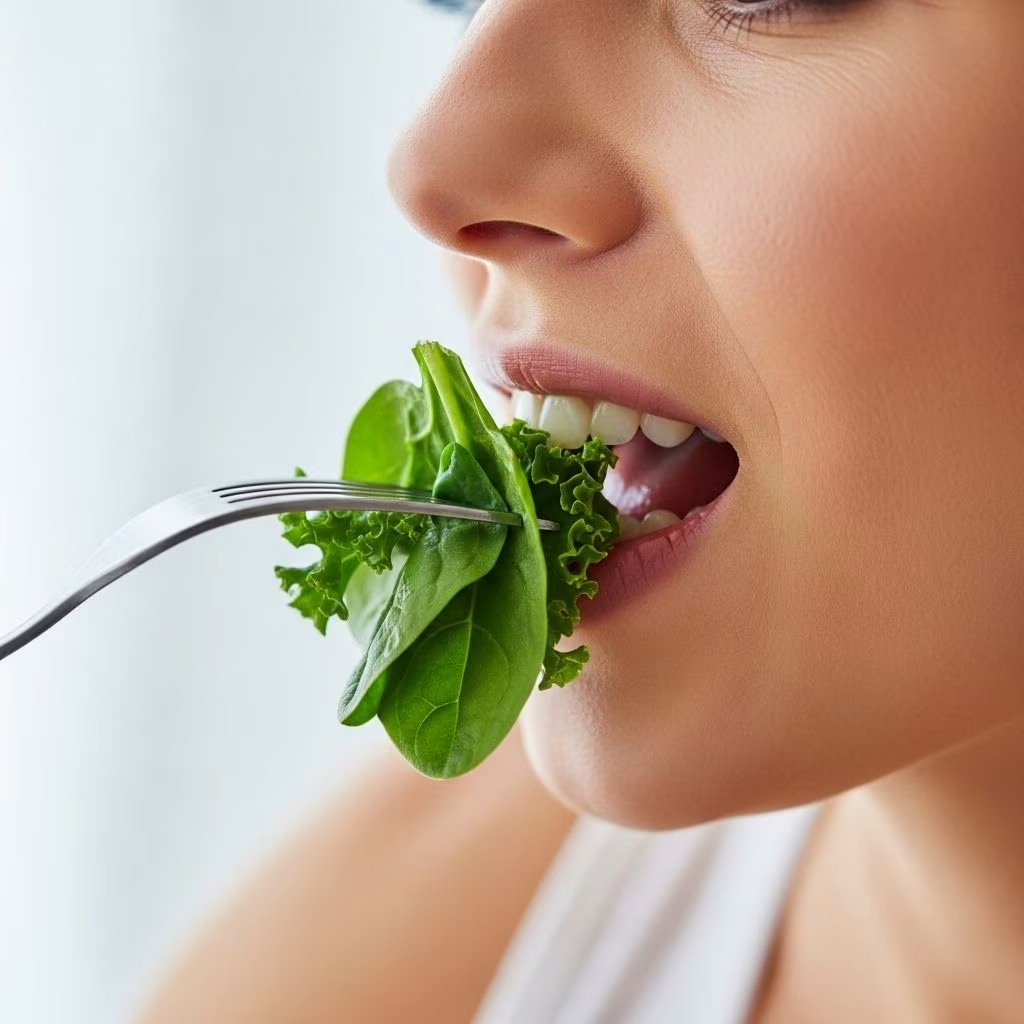
Chew More, Eat Less: The Simple Habit That Can Help You Lose Weight
Most weight-loss advice focuses on what you eat. But another powerful factor is how you eat. Scientific evidence suggests that chewing your food more thoroughly may help you eat less, feel fuller, and improve digestion—all crucial elements for managing your weight without complex restrictions.
Why Chewing Matters: The Overlooked Step to Satiety
Digestion begins in your mouth. When you chew thoroughly, you help break food down mechanically and kickstart a cascade of digestive processes. Research shows that people who increase their number of chews before swallowing eat less at each meal—and feel just as satisfied as those who eat quickly with fewer chews .
- Increased chewing slows eating rate, giving your brain time to register fullness .
- Chewing thoroughly releases more nutrients, especially from fibrous foods, improving absorption .
- Mastication triggers satiety hormones and reduces appetite before any nutrients are absorbed .
The Science: How Chewing Affects Food Intake and Appetite
Multiple studies conducted in the US, Europe, and Asia have assessed the effects of increased chewing on satiety and food intake:
- When adults chewed each bite 150% to 200% more than their baseline, food intake dropped by 9.5% to 14.8% without increased hunger or reduced meal satisfaction .
- Study participants who chewed for eight minutes (without swallowing) felt fuller and ate 19% less food than those who chewed for only one minute .
- Chewing thoroughly had a stronger link to healthy weight management than just eating slowly among children in a Japanese survey .
This body of research suggests that chewing serves as a natural appetite control mechanism, independent of calorie counting or food restriction.
Digestion Benefits: Unlocking Nutrients with Every Chew
Your teeth and saliva transform morsels into digestible particles, but extra chewing can do more than just help you avoid choking. Here’s why:
- Extra chewing breaks down tough fibers and cell walls, especially in plant foods, releasing vitamins, minerals, and phytonutrients that may be otherwise lost .
- Saliva contains enzymes (like amylase) that start breaking down carbohydrates for easier absorption further along your GI tract.
By chewing food well, you reduce the workload for your stomach and intestines. That means less bloating, fewer digestive discomforts, and improved nutrient uptake.
How Many Times Should You Chew? Practical Advice
There’s no one-size-fits-all rule for the ideal number of chews—it varies based on food texture, personal needs, and cultural habits . Here’s what experts recommend:
- Aim for 20 to 40 chews per bite, especially for solid foods like bread, meats, or raw veggies .
- Softer foods (like yogurt or mashed potatoes) require less chewing, but be mindful not to swallow too quickly.
- Focus on mindful eating—be present, avoid distractions, and pay attention to the taste, aroma, and texture .
| Food Type | Recommended Chews | Why? |
|---|---|---|
| Raw vegetables & nuts | 30–40 | Tough fibers require more breakdown |
| Meats & bread | 20–30 | Dense proteins and starches benefit from extra mastication |
| Cooked vegetables | 15–20 | Softer textures break down more easily |
| Soft foods (yogurt, puree) | 10–15 | Minimal chewing required, but savoring increases satiety |
Chewing, Eating Rate, and Weight Management
Many believe that eating slowly is sufficient for weight management. However, recent studies show that chewing degree may be more important than eating speed when it comes to obesity risk .
- Children who chewed food well were less likely to be overweight, regardless of how fast they ate .
- Adults who consciously increased their chewing ate less at meals without feeling deprived .
- Chewing also helps control mindless snacking, as you become more aware of your food choices and satiety signals .
Mindful Chewing and Eating Habits
Mindful eating encourages not only more chewing, but also a greater awareness of your own hunger and fullness.
- Put down your fork between bites.
- Eat without distractions (like phones or TV) to maximize awareness.
- Notice the textures, flavors, and aromas—this increases oral satisfaction, leading to reduced intake.
- Pair chewing with other mindful strategies: deep breathing, gratitude, and savoring the whole experience.
Frequently Asked Questions (FAQs) About Chewing and Weight Loss
Q: Can chewing more really help me lose weight?
Yes; increasing your chewing before swallowing has been shown to reduce overall food intake and help people feel fuller, making it easier to achieve and maintain a healthy weight .
Q: Is there an ideal number of chews per bite?
No strict number exists, as food texture and individual needs vary. Experts suggest a general guideline of 20–40 chews per bite for solid foods, but encourage prioritizing mindful eating over counting chews rigidly .
Q: Does chewing affect my digestion?
Absolutely. Chewing thoroughly breaks down food into smaller particles and mixes it with saliva, both of which start the digestive process and make nutrients more bioavailable .
Q: Can chewing slowly help me if I eat too quickly?
Yes. Making a habit of chewing more not only slows your eating rate, but also promotes satiety and may counteract mindless overeating patterns .
Q: What if I eat soft foods—does chewing matter?
While soft foods require less chewing, consciously savoring each bite and eating slowly can still maximize oral satisfaction and satiety. Whenever possible, add texture (like seeds or crunchy vegetables) to meals for more mastication.
Tips to Incorporate More Chewing for Weight Management
- Consciously slow down your first few bites and notice the difference in satisfaction.
- Set your utensils down after each bite and chew fully before reaching for the next.
- Drink water between bites—it can further slow eating rate and improve digestion.
- Choose more whole foods with natural texture: raw fruits, vegetables, whole grains, nuts.
- Eliminate distractions; eat meals mindfully in a designated place, away from screens.
- Teach children the habit, since studies show chewing degree is linked to healthy weight, even from an early age .
Common Mistakes to Avoid
- Racing through meals. Fast eating undermines satiety signals.
- Eating while distracted. Watching TV, scrolling on your phone, or multitasking reduces oral focus and satisfaction.
- Choosing only soft processed foods. These often lack fiber and texture necessary for thorough chewing and satiety.
- Ignoring fullness cues. Chewing more helps, but you must also pay attention to when you’re truly satisfied.
Chewing and Nutrition: Maximizing Nutrient Absorption
Thorough mastication helps break open tough plant cells, releasing nutrients that might otherwise pass undigested through the gut . Greater chewing, especially with high-fiber foods, can support better absorption of vitamins, minerals, and antioxidants.
What Foods Benefit Most From Extra Chewing?
- Raw vegetables (carrots, broccoli, kale)
- Whole grains (brown rice, quinoa, oats)
- Nuts and seeds
- Lean meats
In contrast, heavily processed, soft foods rarely require significant chewing, which can impair nutrient breakdown and reduce satisfaction.
Special Considerations: Chewing and Medical Conditions
Chewing more is beneficial for most people, but certain individuals may need to adapt their approach:
- Dental issues: Those with dental or jaw discomfort should focus on eating softer, healthy foods that are easy to chew thoroughly.
- Digestive disorders: People with reflux, IBS, or sensitive stomachs often benefit from extra chewing, as it can reduce the digestive workload and improve comfort .
- Children and elderly: Both groups may need encouragement and support to chew adequately, as easy-to-eat soft foods are commonly served.
Habit Formation: Making Thorough Chewing Second Nature
- Start with one meal per day: Focus on chewing thoroughly and eating mindfully for breakfast or dinner.
- Use reminders: Leave a note or set a phone reminder to slow down and chew.
- Track your progress: Reflect on how you feel—less bloated, more satisfied, and in control of your appetite.
Frequently Asked Questions (FAQs)
Q: Can chewing more really make a difference in my weight loss journey?
A: Yes. Research consistently shows that chewing more before swallowing reduces food intake, increases fullness, and aids weight management when made a habit .
Q: How can I make sure I chew enough if I always forget?
A: Practice mindful eating—remove distractions, eat slowly, and focus on the texture and flavor of your food. Setting intentions before meals or using visible reminders can help.
Q: Is mindful chewing safe for children?
A: Yes. Studies among preschoolers show that chewing degree, more than eating rate, is linked to healthier weight status . Encouraging chew-friendly foods and modeling the habit helps.
Q: Do I have to count my chews to benefit?
A: No. While research protocols used counting, experts suggest it’s most important to slow down, stay present, and savor each bite rather than obsess over numbers .
Q: Which foods should I focus extra chewing on?
A: Whole, unprocessed foods with natural texture—vegetables, fruits, meats, grains, nuts—should be chewed thoroughly for maximum benefit.
Action Steps: Start Chewing Your Way to a Healthier You
- Pick one meal per day and make chewing your focus—set your fork down, breathe, and chew each bite well.
- Switch processed foods for crunchier, fibrous options that need more mastication.
- Drink between bites, pause, and check for fullness.
- Teach your family the benefits; healthy habits start young.
By chewing more and eating mindfully, you tap into ancient mechanisms for satiety and nutrient assimilation. No gimmicks, no expensive programs—just the simple power of patience and presence at every meal.
References
- https://pubmed.ncbi.nlm.nih.gov/24215801/
- https://www.prevention.com/weight-loss/a20436800/how-more-chewing-leads-to-eating-less/
- https://www.goodrx.com/well-being/diet-nutrition/how-many-times-chew-food
- https://pmc.ncbi.nlm.nih.gov/articles/PMC6356605/
- https://www.prevention.com/weight-loss/a20443922/chew-more-eat-less/


