


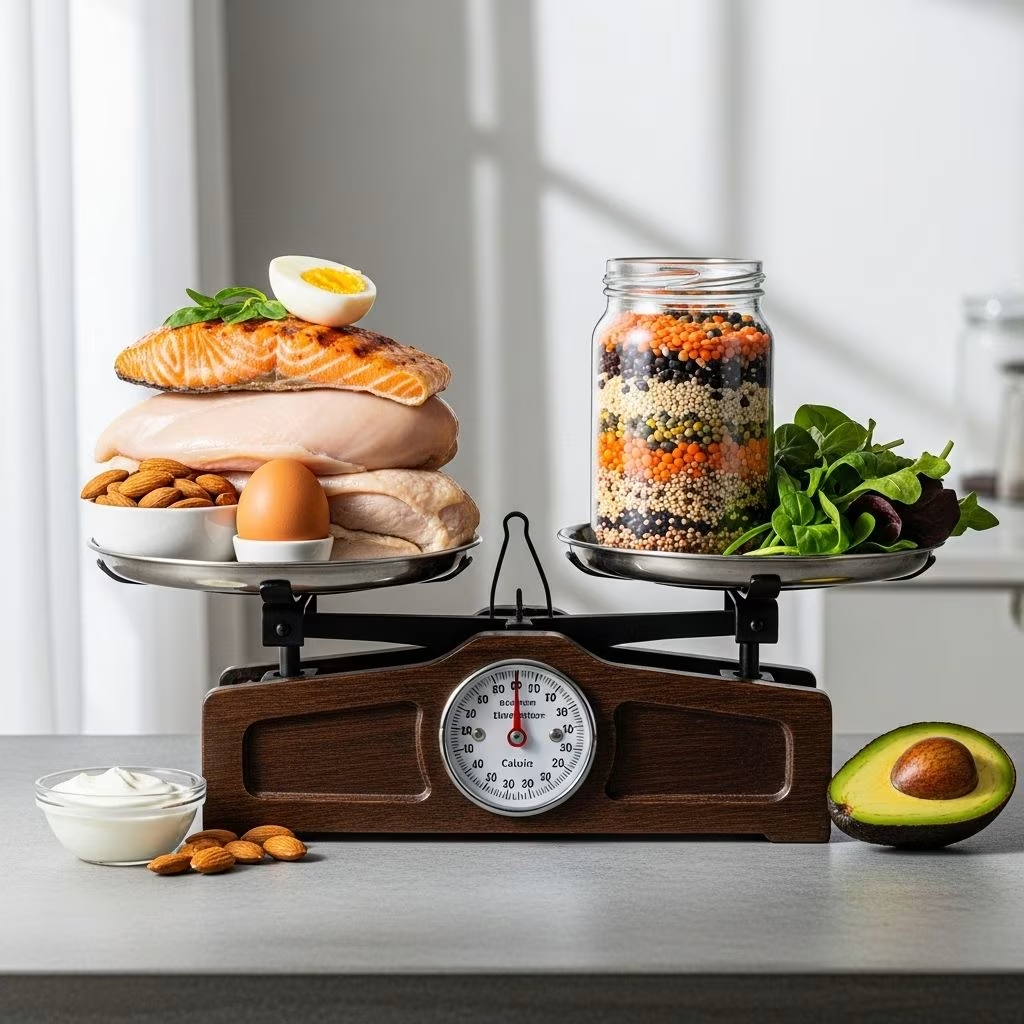
As the world of nutrition continues to evolve, high-protein diets regularly attract attention for their purported benefits in weight loss and fat control. But what does the science actually say about how protein influences metabolism, satiety, calorie burning, and body composition? This article explores the mechanisms, evidence, and practicalities of high-protein eating for those aiming to shed pounds or maintain a healthy weight.
What Is a High-Protein Diet?
A high-protein diet typically means increasing daily protein intake above the Recommended Dietary Allowance (RDA)—which is 0.8 grams per kilogram of body weight for adults—often reaching 1.2 to 2 grams (or more) per kilogram. This shift is generally achieved by substituting protein for a portion of daily carbohydrate or fat intake, not merely adding more protein on top of an already adequate diet.
How High-Protein Diets Influence Weight Loss
Research demonstrates that high-protein diets impact weight and body composition through several key mechanisms:
- Increasing Satiety: Protein is more filling than carbohydrates or fats, prolonging the feeling of fullness and helping to naturally reduce calorie intake.
- Boosting Energy Expenditure: Digesting protein requires more energy, translating into greater calorie burning through the thermic effect of food (TEF).
- Preserving Lean Body Mass: When combined with calorie restriction, higher protein intakes help reduce fat mass while preserving muscle (fat-free mass).
- Influencing Hunger Hormones: High-protein diets increase hormones related to satiety (like GLP-1, peptide YY, and cholecystokinin) and decrease ghrelin, the hormone responsible for stimulating hunger.
- Reducing Risk of Weight Regain: Sustaining higher protein after weight loss has been shown to help prevent regaining lost weight.
Understanding Calories: Protein’s Thermic Effect
One of the most touted benefits is protein’s ability to make your body burn more calories simply by digesting it. Here’s how the thermic effect of nutrients compares:
| Nutrient | Thermic Effect (% of calories consumed) |
|---|---|
| Protein | 20-30% |
| Carbohydrates | 5-10% |
| Fat | 0-3% |
This means if you eat 100 calories worth of protein, about 20 to 30 calories are burned during digestion, resulting in a net intake of only 70 to 80 calories.
Protein’s Impact on Metabolism and Hormones
Protein influences metabolism by requiring more energy for digestion and actively supporting muscular repair and growth. Importantly, protein affects several appetite-related hormones:
- Increases: GLP-1, peptide YY, cholecystokinin (all reduce appetite)
- Decreases: Ghrelin (increases appetite)
This combination helps make it easier to eat fewer total calories and resist cravings, especially when in a calorie deficit.
Satiety: Why Protein Helps You Feel Fuller, Longer
“Satiety” is the feeling of fullness that prompts you to stop eating. Protein has a superior effect on satiety compared to carbohydrate or fat-rich foods, supporting better portion control and fewer between-meal hunger pangs. This may result in a spontaneous reduction in total caloric intake—one reason people often lose weight without tracking calories when they increase protein.
High-Protein Diets and Body Composition
Beyond mere weight loss (numbers on a scale), a high-protein diet appears to favor fat loss while preserving muscle. This is crucial, as preserving lean mass supports a higher resting metabolic rate and reduces the “rebound” effect often seen after weight loss.
- Several clinical trials have shown that high-protein diets decrease fat mass and preserve muscle mass (fat-free mass) in both calorie-restricted and maintenance diets over several months.
- Longer-term studies (spanning 6–12 months) confirm that high-protein diets not only aid initial weight loss but also help prevent weight regain—a common frustration for dieters.
Is There a Calorie ‘Error’ With Protein?
One myth sometimes repeated is that high-protein foods might be mislabeled in calorie counts, suggesting your body absorbs fewer calories from them than labels indicate. This is not accurate.
- While the thermic effect does burn some calories during digestion, nutrition labels already account for the calorie values of protein, carbs, and fats according to standard Atwater factors (4 kcal per gram for protein, 4 for carbs, 9 for fat).
- The key point: While you “absorb” the same energy, you end up with fewer net calories from high-protein foods because more is expended as heat during digestion.
Potential Downsides and Considerations
High-protein diets are generally safe for healthy adults, especially in the short- and medium-term studies (up to one year). However, certain points deserve attention:
- Renal Health: For people with existing kidney disease, higher protein intake may be contraindicated due to increased renal workload.
- Bone Density: Contrary to old beliefs, most studies show no negative effects on bone health with higher protein intake in healthy adults.
- Balanced Diet: Very high-protein diets can crowd out other nutritious foods such as fruits, vegetables, and whole grains. Balance matters.
- Quality of Protein: The source—plant or animal—matters for micronutrient intake and other health markers.
- Long-Term Evidence: Most robust trials last 6–12 months, so very long-term safety (over years or decades) is less well studied.
How Much Protein Do You Need for Weight Loss?
The optimal amount of protein depends on individual factors, including age, activity level, and specific goals. Common recommendations for weight loss:
- General adults: 1.2–1.6 grams per kilogram of body weight per day (for a 150-lb person, that’s roughly 82–109 grams)
- Higher needs: Up to 2.2 grams/kg for athletes or those with intense strength goals
Most people receive enough protein in an average omnivorous diet, but those aiming for higher protein may need to be intentional, particularly vegetarians or those restricting calories.
High-Protein Foods to Include
To get more protein, emphasize these foods:
- Lean meats (chicken, turkey, lean beef)
- Fish and seafood
- Eggs
- Dairy (Greek yogurt, cottage cheese, milk, cheese)
- Plant-based: beans, lentils, tofu, tempeh, edamame, seitan
- Nuts and seeds (as a supplement; note they are calorie-dense)
Tips for Adding More Protein to Your Diet
- Include a source of protein with every meal and snack.
- Swap grain-based breakfast (like cereal or bagels) for eggs, Greek yogurt, or a protein shake.
- Add beans or lentils to salads and soups.
- Consider convenient options like canned tuna, rotisserie chicken, or tofu stir-fry.
- Choose plain dairy products to avoid excess added sugars.
Sample High-Protein Meal Plan
| Meal | Protein Source | Approx. Protein (g) |
|---|---|---|
| Breakfast | 2 eggs, Greek yogurt | 28 |
| Lunch | Grilled chicken salad (+ beans) | 35 |
| Dinner | Sautéed salmon, lentil pilaf | 42 |
| Snack | Cottage cheese, almonds | 18 |
Total: 123 grams of protein (adjust for your needs)
Frequently Asked Questions (FAQ)
Can too much protein damage your kidneys?
For healthy adults, high-protein diets have not been shown to harm kidney function. However, if you have kidney disease or impaired function, consult a healthcare provider before increasing protein intake.
Is protein good for weight maintenance?
Yes, protein helps maintain lost weight by curbing appetite, maintaining muscle mass, and even counteracting some age-associated muscle loss.
How quickly can I lose weight on a high-protein diet?
Weight loss varies with caloric deficit, physical activity, and adherence. Most people notice satiety and appetite changes within a few days but expect safe, sustainable loss of 1–2 pounds per week.
Is all protein the same?
No. Animal proteins tend to have a complete amino acid profile, but many plant proteins (if varied) can also satisfy protein requirements. Food variety remains important for micronutrient health.
Do I need protein supplements?
Most people can meet their needs through food. Supplements may be helpful for those with elevated requirements, strict diets, or convenience challenges, but are not required for success.
Key Takeaways
- High-protein diets support weight loss by increasing satiety, burning more calories during digestion, and helping maintain muscle mass.
- Protein’s calorie-burning advantage is due to its high thermic effect (20–30%), not because foods are inaccurately labeled.
- For healthy adults, high-protein diets appear safe over periods up to a year; those with kidney concerns should exercise caution.
- Consistently including protein-rich foods in your meals may support long-term weight loss and maintenance.
References
- https://pmc.ncbi.nlm.nih.gov/articles/PMC7539343/
- https://pubmed.ncbi.nlm.nih.gov/32699189/
- https://www.goodrx.com/well-being/diet-nutrition/is-protein-good-for-weight-loss
- https://www.healthline.com/nutrition/how-protein-can-help-you-lose-weight
- https://www.webmd.com/diet/high-protein-diet-weight-loss
- https://www.mayoclinic.org/healthy-lifestyle/nutrition-and-healthy-eating/expert-answers/high-protein-diets/faq-20058207
- https://medicine.washu.edu/news/high-protein-diet-curbs-metabolic-benefits-weight-loss/
- https://www.abbott.com/corpnewsroom/nutrition-health-and-wellness/why-protein-is-a-key-nutrient-in-your-weight-loss-journey.html
- https://www.bbcgoodfood.com/health/nutrition/spotlight-high-protein-diets


