


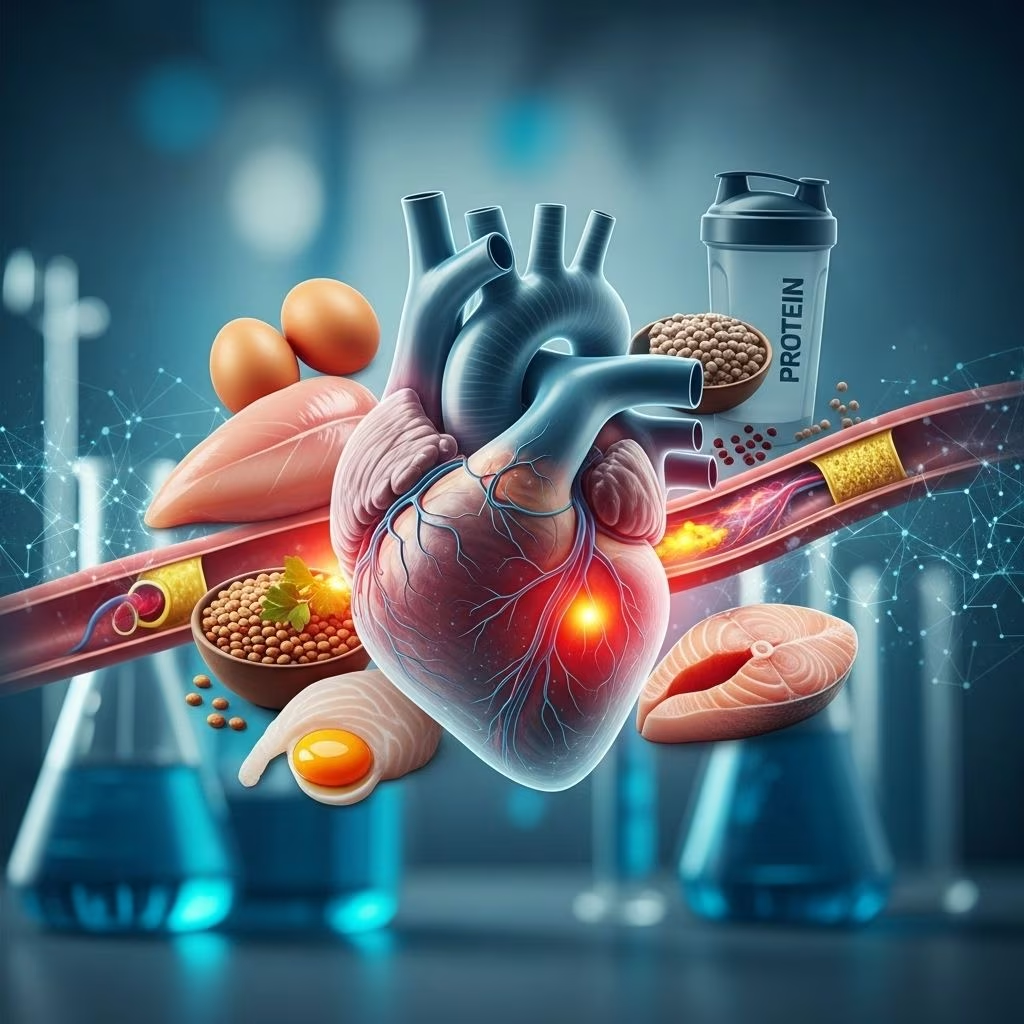
High-protein diets are increasingly popular for weight loss and overall health, but their long-term impact on heart disease risk has sparked debate. This comprehensive guide examines current evidence, distinguishes between plant and animal protein sources, and offers practical advice for heart-healthy nutrition.
Do High-Protein Diets Raise or Lower Heart Disease Risk?
Many people turn to high-protein diets for weight management and improved body composition, but concerns remain about their implications for cardiovascular health.
- Recent systematic reviews show that high-protein diets (HPDs), especially when coupled with reduced carbohydrates and fats, can lower both systolic and diastolic blood pressure, as well as improve some markers of blood vessel health .
- However, large observational studies have produced conflicting results. Some data suggest HPDs lower the risk of ischemic heart disease by as much as 26%, while others associate high total protein intake, especially from animals, with a modest (4–5%) increase in cardiovascular disease (CVD) risk .
- These contradictions may stem from an often-overlooked variable: the source of the protein.
Not All Proteins Are Created Equal: Animal vs. Plant Sources
The impact of protein on heart health depends significantly on whether it’s derived from animal or plant sources.
- Plant proteins (from beans, lentils, soy, nuts, grains) are consistently associated with improved blood pressure, lipid profiles (lower total cholesterol, LDL, triglycerides, and higher HDL), and decreased risk of heart disease .
- Animal proteins (especially red and processed meats) are linked to poorer cardiometabolic markers and an elevated risk of CVD, while protein from poultry, fish, and low-fat dairy may be less harmful but still not as beneficial as plant sources .
One recent landmark study analyzed decades of dietary data from over 200,000 people and found people in the highest plant-to-animal protein ratio group had:
- 19% lower risk of CVD and
- 27% lower risk of coronary heart disease (CHD) compared to those with the lowest ratio .
Optimal benefits occurred when people increased overall protein intake while also favoring plant sources.
Quick Comparison: Plant vs. Animal Protein Effects
| Protein Source | Impact on Heart Disease | Lipid/BP Effects |
|---|---|---|
| Plant Protein | Lowers risk | Improves cholesterol, lowers BP |
| Animal Protein (red/processed meat) | Increases risk | Raises LDL/triglycerides, worsens BP |
| Animal Protein (poultry, fish, dairy) | Neutral or modest benefit | Mixed or less impact |
Why Has Research Produced Mixed Results?
The answer lies in how studies define “high-protein” diets and what foods comprise them. When protein comes mainly from animal sources, particularly red meat, negative outcomes outweigh the benefits for cardiovascular health. Plant-based proteins, however, consistently deliver protection:
- High animal protein diets have been linked to increased cardiovascular events in several cohorts, even after accounting for other risk factors.
- High plant protein diets or dietary patterns emphasizing plant over animal protein—such as vegetarian or Mediterranean diets—are reliably associated with lower risks of CHD, CVD, and death from cardiovascular causes .
Moreover, many early high-protein diet studies focused on short-term results like weight loss or cholesterol changes, not long-term heart disease or mortality risk. More recent, longer-term studies draw a clearer picture favoring plant proteins.
How Much Protein Should You Really Eat?
The recommended dietary allowance (RDA) for adults is 0.8 grams of protein per kilogram of body weight daily, but many weight-loss and muscle-building plans recommend more—sometimes double this amount.
- Data from the Nurses’ Health Studies suggest that moving protein intake from 16% of calories to 21%—when largely plant-based—provides substantial benefit for heart health .
- The ideal plant-to-animal protein ratio appears to be at least 1:2 for CVD protection, and 1:1.3 or higher (favoring plants) for CHD prevention .
This translates to:
- At least one-third of your protein coming from plant sources, with higher ratios (half or more from plants) likely even better for heart health.
Where Does the Protein in Popular Diets Come From?
High-protein diets take many forms depending on food choices:
- Keto and Paleo diets: Often heavy on animal protein, especially red meat.
- Plant-based and Mediterranean diets: Emphasize legumes, nuts, grains, and only modest amounts of lean animal products.
The American Heart Association (AHA), World Health Organization (WHO), and most nutrition experts now recommend:
- Choosing plant-based proteins as a default
- Keeping red and processed meat intake to a minimum
- Favoring fish, poultry, and low-fat dairy over red meats if eating animal products
Mechanisms: How Does Protein Source Affect the Heart?
Plant proteins are richer in fiber, antioxidants, vitamins, and phytochemicals. They also avoid the saturated fats and cholesterol found in animal products. These characteristics help explain their heart-protective effect:
- Lowers LDL cholesterol (“bad” cholesterol) and triglycerides
- Raises HDL cholesterol (“good” cholesterol)
- Reduces inflammation and blood pressure
- Decreases arterial plaque buildup and oxidative stress
Meanwhile, red and processed meats introduce higher levels of saturated fat, heme iron, sodium, and potentially harmful preservatives, which increase CVD risk.
What About Weight Loss on High-Protein Diets?
Many people experience short-term weight loss on high-protein diets, which can indirectly improve heart health by lowering blood pressure, cholesterol, and other risk markers. But these benefits depend primarily on food choices rather than protein content alone:
- If weight loss comes from a diet rich in plant proteins, vegetables, whole grains, and fruits, heart disease risk decreases.
- If a protein-rich diet relies heavily on fatty red meat, processed meat, and limited plants, heart risk may rise despite weight loss.
For sustainable weight management with heart protection, aim for a diet high in plant proteins, with calorie balance and plenty of fiber-rich foods.
Practical Tips: Heart-Healthy Protein Choices
- Get protein from beans, lentils, soy, quinoa, nuts, and seeds rather than primarily meat.
- If consuming animal protein, choose skinless poultry, fish, or low-fat dairy.
- Limit red meat and processed meat (sausage, bacon, deli) to occasional servings.
- Balance protein intake with ample vegetables, fruits, whole grains, and healthy fats (like olive oil and avocados).
- Prepare food with minimal added salt, sugar, or saturated fat.
Sample plant-protein substitutions:
- Swap ground beef with cooked lentils or black beans in tacos and chili.
- Replace ham or salami in sandwiches with hummus or roasted vegetables.
- Try tofu or tempeh stir-fries instead of chicken.
- Munch on a handful of nuts or seeds as a snack instead of cheese or meat sticks.
Frequently Asked Questions (FAQs)
Q: Is a high-protein diet always bad for heart health?
A: No. Evidence suggests high-protein diets can benefit heart health if most protein is from plant sources. Diets heavy in red/processed meat may increase risk, but plant-based protein lowers it. Moderation and source quality matter most.
Q: How much animal protein is safe?
A: Occasionally including lean poultry, fish, or low-fat dairy is unlikely to be harmful for most people. However, frequent consumption of red and processed meat is tied to higher heart risk. Strive for at least a 1:2 plant-to-animal protein ratio or higher for ideal protection.
Q: Do high-protein diets raise cholesterol?
A: Diets rich in plant protein tend to lower total and LDL cholesterol, while animal protein (especially fatty red meats) can raise cholesterol. The overall pattern and food quality—rather than protein grams alone—determine cholesterol changes.
Q: Can I build muscle with plant proteins?
A: Yes. Plant-based diets can supply all essential amino acids if varied sources are included (beans, lentils, quinoa, soy, nuts, whole grains). For athletes or heavy lifters, slightly higher protein intake from a range of plant foods will support muscle synthesis.
Q: What about older adults? Do they need more protein?
A: Older adults may benefit from slightly increased protein intake (around 1–1.2 g/kg body weight) for muscle preservation and overall health. Plant sources remain preferred to help protect against heart disease and other age-related conditions.
Bottom Line: Key Takeaways for Heart Health and Protein Intake
- Protein is essential, but heart health is best supported by eating more plant proteins (beans, legumes, nuts, whole grains) than animal proteins.
- If eating animal protein, prioritize fish, poultry, and low-fat dairy, and minimize red/processed meats.
- Use variety, flavor, and creativity with plant proteins in meals to meet protein needs and support overall wellness.
- Aim for at least a 1:2 or even 1:1 plant-to-animal protein ratio for optimal cardiovascular protection.
Adopting a diet centered around plant-based protein sources is a proven, sustainable way to nourish your body, enjoy gratifying meals, and safeguard your heart for years to come.
References
- https://hsph.harvard.edu/news/higher-ratio-of-plant-protein-to-animal-protein-may-improve-heart-health/
- https://academic.oup.com/nutritionreviews/article/83/3/e814/7715016
- https://pmc.ncbi.nlm.nih.gov/articles/PMC10058321/
- https://www.piedmont.org/living-real-change/are-high-protein-diets-safe-for-your-heart
- https://observatoireprevention.org/en/2024/05/30/high-protein-intake-could-increase-the-risk-of-cardiovascular-events/
- https://www.mayoclinic.org/healthy-lifestyle/nutrition-and-healthy-eating/expert-answers/high-protein-diets/faq-20058207
- https://pmc.ncbi.nlm.nih.gov/articles/PMC7053091/
- https://medicine.missouri.edu/news/too-much-good-thing-overconsuming-protein-can-be-bad-your-health


