


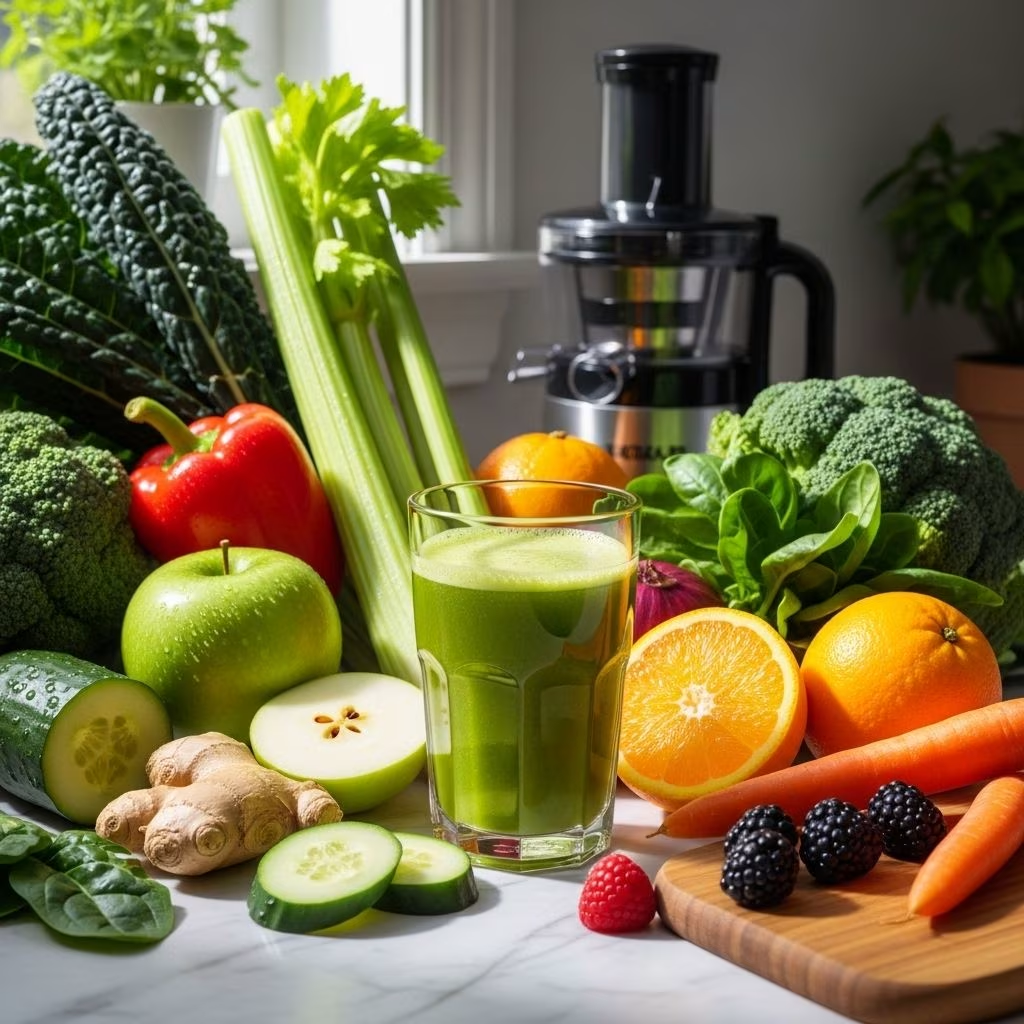
Juicing has gained popularity as a potential weight loss tool, promising quick results, a burst of nutrients, and a fresh lifestyle approach. But does replacing meals or supplementing your diet with pressed juices actually contribute to sustainable weight loss? Experts, nutrition scientists, and peer-reviewed research provide nuanced answers—revealing benefits, risks, and the truth behind common juicing myths.
Is Juicing Good For Weight Loss?
Opinions among health professionals about juicing for weight loss are mixed and generally cautious.
- Some experts highlight potential short-term benefits, like replacing higher-calorie meals with fresh juice, resulting in a temporary calorie deficit that can produce rapid weight loss.
- Others warn the weight loss is often unsustainable. Once regular eating resumes, lost pounds can return. Severe calorie restriction from exclusive juicing may even slow your metabolism and undermine long-term success.
- Juicing predominantly with high-glycemic fruits and vegetables—like apples, carrots, and beets—can quickly spike blood sugar, discouraging fat breakdown and possibly accelerating muscle loss.
The consensus: Juicing may contribute to weight loss as a supplement—not a replacement—for meals, but it should not be considered a standalone solution.
Why Might Juicing Help with Weight Loss, and Why Might It Hurt?
- Benefits: Juicing can replace a higher-calorie meal or snack with a low-calorie, nutrient-rich beverage; certain nutrients in fruits and vegetables can promote feelings of fullness for some people.
- Drawbacks: Exclusive or excessive juicing may mean missing out on vital protein, healthy fats, and fiber, leading to hunger, muscle loss, and eventual overeating.
Is Juicing Healthy?
When consumed as part of a balanced lifestyle, juicing can offer health benefits. However, its effectiveness and safety depend on how it’s used:
- Using juice to supplement (not replace) meals—such as drinking a green juice with breakfast—can help increase nutrient intake.
- Whole fruits and vegetables are generally healthier than juice alone because they contain dietary fiber and more complete arrays of nutrients.
- Juicing removes most of the fiber, which is important for digestion and feelings of fullness.
- Juicing can help people who dislike eating produce to incorporate more vitamins, minerals, and plant compounds into their diets.
Experts agree that juicing can have a place in a healthy routine: Use juices as a boost to your nutrition, not as a full replacement for balanced meals or healthy habits.
The Pros and Cons of Juicing
| Pros | Cons |
|---|---|
| Easy way to increase fruit and veggie intake | May lack dietary fiber |
| Can be lower calorie than some meals | Potential for high sugar content |
| Boosts vitamins and antioxidants | Does not provide complete nutrition if used exclusively |
| May help hydrate the body | Potential for blood sugar spikes from concentrated juices |
| Quick and convenient breakfast or snack option | Not ideal for sustainable, long-term weight loss when used as sole diet |
Common Misconceptions About Juicing
- Myth: Juicing ‘detoxes’ your body.
Reality: No scientific evidence supports the idea that juicing removes toxins. Your liver and kidneys already handle detoxification. - Myth: Juicing is superior to whole fruits and vegetables.
Reality: Juicing often extracts beneficial fiber and some nutrients; whole produce is more complete. - Myth: Juice cleanses are the fastest way to lose weight healthily.
Reality: Rapid weight loss from cleanses is often water or muscle, not fat, and can reverse after the cleanse ends. - Myth: All juices are healthy choices.
Reality: Many commercial juices are high in sugar and calories, especially those based on fruit, rather than vegetables.
Potential Risks of Juicing Diets
- Calorie Deficiency: Prolonged juicing can create extreme calorie deficits, causing fatigue, dizziness, or even worsening metabolism.
- Blood Sugar Spikes: Juices made from sugary fruits and some starchy vegetables can rapidly raise blood sugar, making weight loss harder and increasing health risks for people with insulin sensitivity.
- Lack of Protein and Essential Nutrients: Strict juicing omits key nutrients—particularly protein and dietary fats—that are crucial for muscle preservation, hormone health, and balanced nutrition.
- Risk of Foodborne Illness: Fresh, unpasteurized juices can breed harmful bacteria if not consumed immediately or handled properly.
- Psychological Effects: Juicing can be accompanied by an unhealthy focus on dietary restriction, potentially contributing to disordered eating behaviors.
What Does the Science Say About Juicing?
A few studies have evaluated the impact of short-term juice diets—sometimes called ‘juice cleanses’—on weight, gut health, and well-being.
- A 3-day juice-based diet was shown to alter the gut microbiome, decrease weight and body mass index, and modestly increase feelings of well-being for up to two weeks after the cleanse. However, these effects often reversed with the return to normal eating.
- Most research concludes that the health and weight benefits of juicing are short-lived, and not superior to simply eating a balanced, produce-rich diet that includes whole foods and fiber.
Expert Tips for Safe and Effective Juicing
- Use juicing to supplement, not replace, meals. Consider juices as a boost to your existing healthy diet, not a stand-alone plan.
- Prioritize veggie-based juices to reduce sugar content. Leafy greens, cucumbers, and celery can form a nutritious, low-sugar juice base.
- Choose whole fruits and vegetables when possible; if using a juicer, consider blending to retain some fiber.
- Stick to one juice serving a day as a maximum, to avoid excessive sugars and calorie intake.
- Consult a doctor or registered dietitian before making major changes to your eating habits—especially if you have underlying medical conditions or are taking medications.
Alternatives to Juice-Only Diets for Healthy Weight Loss
If your goal is sustainable weight loss and wellness, these proven strategies offer safer, more effective results than restrictive juice fasting:
- Balanced, calorie-controlled meals: Eat moderate portions high in whole fruits, vegetables, lean protein, and healthy fats.
- Include fiber-rich foods: Fiber from whole produce and whole grains increases fullness and supports digestive and metabolic health.
- Regular physical exercise combined with stress management and good sleep hygiene supports long-term fat loss.
- Intermittent fasting can be more effective and sustainable than juice cleanses for some individuals, when paired with nutritious eating habits.
Frequently Asked Questions About Juicing for Weight Loss
Does juicing detoxify your body?
No. There is no scientific evidence that juicing ‘detoxifies’ your body. Your liver and kidneys are well-equipped to process and eliminate toxins naturally.
Can juicing alone provide enough nutrition?
No. Juicing is typically low in protein and healthy fats, and often loses important fiber. It is not a substitute for a balanced, nutrient-dense diet.
Is juice healthier than eating whole fruits and vegetables?
Whole fruits and vegetables contain more fiber and a fuller range of nutrients than juice alone. Juicing can complement your intake but should not replace whole foods.
Can you lose weight by drinking juice every day?
You may lose weight if juice replaces a high-calorie meal, but this is not sustainable. For lasting weight loss, focus on balanced eating patterns and healthy lifestyle habits.
What are the safest ways to include juice in my diet?
Limit juice to one serving per day, opt for vegetable-heavy blends, and use juice as a supplement to—not a replacement for—meals. Always pair juicing with whole foods, hydration, regular movement, and balanced nutrition.
Key Takeaways
- Juicing may help support weight loss as a supplement to a balanced diet, but it is not a magic solution and not a safe or effective exclusive diet.
- Exclusive juice cleanses can lead to calorie deficits, muscle loss, and eventual rebound weight gain.
- Choose whole fruits and vegetables as the foundation of your eating plan, using fresh, vegetable-based juices sparingly to boost nutrition and variety.
- Consult a nutrition or healthcare professional before making significant dietary changes.
References
- https://www.prevention.com/weight-loss/diets/a40836772/juicing-for-weight-loss/
- https://www.mayoclinic.org/healthy-lifestyle/nutrition-and-healthy-eating/expert-answers/juicing/faq-20058020
- https://pmc.ncbi.nlm.nih.gov/articles/PMC5438379/
- https://www.prevention.com/food-nutrition/a63740323/juice-cleanse-harm-gut-health-inflammation/
- https://www.prevention.com/weight-loss/a63656450/drinking-elderberry-juice-weight-loss-study/
- https://www.prevention.com/food-nutrition/a20497001/what-juice-cleanses-do-to-your-body/
- https://www.prevention.com/food-nutrition/healthy-eating/g20505685/green-juice-recipes/
- https://www.prevention.com/food-nutrition/a65631260/lemon-water-every-day/
- https://www.prevention.com/health/a20455932/your-body-on-a-juice-cleanse/
- https://www.prevention.com/food-nutrition/healthy-eating/a60329891/tart-cherry-juice-health-benefits/


