


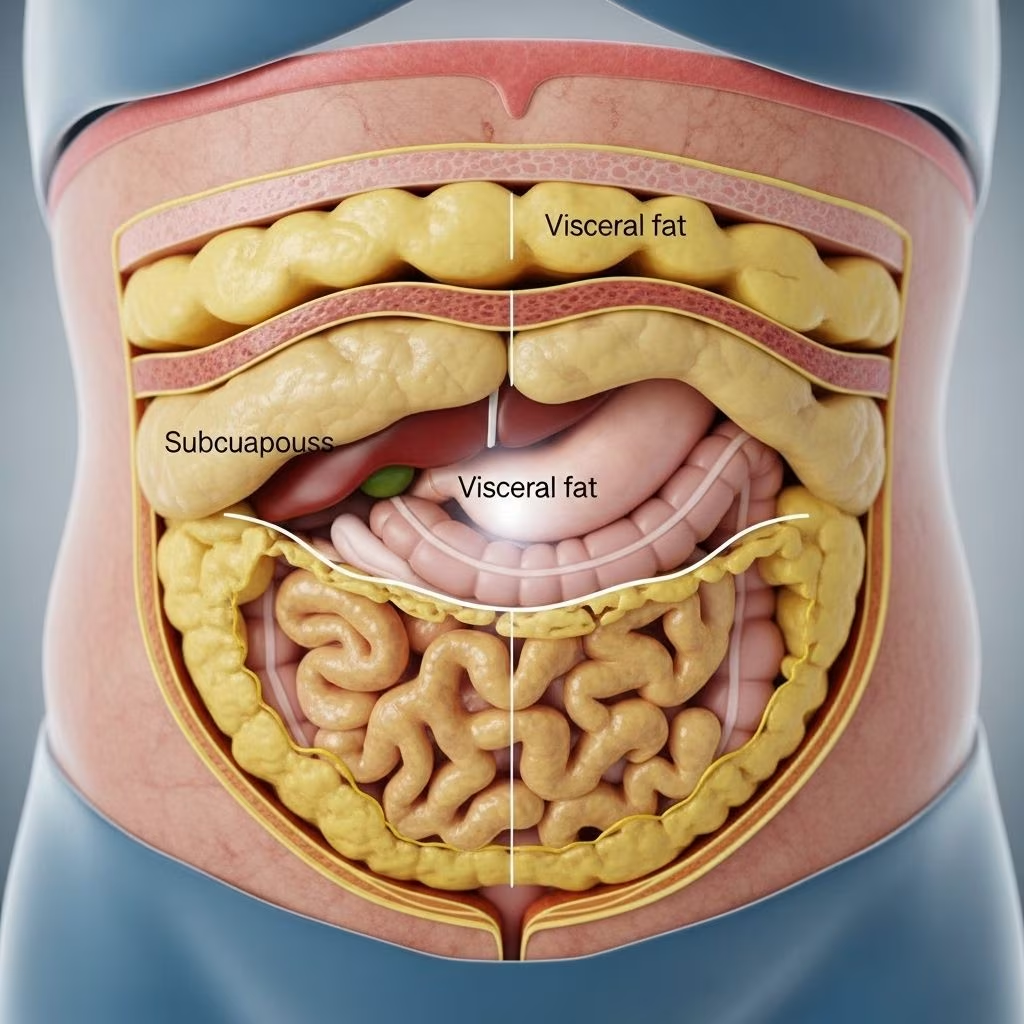
Belly fat isn’t just a cosmetic concern; it’s a critical marker for health. While the presence of fat on your midsection is common, not all belly fat is created equal. Knowing which type you have—and how it impacts your body—can guide you toward healthier choices and more effective weight management. This article delves deep into the types of belly fat, their implications, and expert-backed strategies to help you minimize health risks and feel your best.
Types of Belly Fat: Subcutaneous vs. Visceral
Belly fat, technically known as abdominal adiposity, comes in two main forms: subcutaneous fat and visceral fat. Understanding their differences is essential as they affect your body and health in unique ways.
| Type of Fat | Location | Characteristics | Health Effects |
|---|---|---|---|
| Subcutaneous (SAT) | Just beneath the skin | Soft, pinchable, visible ‘jiggle’; stores most body fat (up to 90%); generally harmless at moderate levels | Lower health risk than visceral fat but may affect cardiovascular markers when excessive |
| Visceral (VAT) | Deep inside the abdomen, surrounding organs (liver, pancreas, intestines) | Tougher, cannot be pinched; metabolically active; linked with inflammation and hormone production | Significant health risks: increased risk of type 2 diabetes, heart disease, and other metabolic issues |
What Is Subcutaneous Fat?
Subcutaneous fat is the layer you feel when you pinch your belly skin. This type of fat acts as your body’s energy reserve, providing insulation and cushioning for your organs. It’s also the visible fat that contributes to the look of ‘belly rolls’ or ‘love handles.’ While it may be regarded as less dangerous health-wise, excessive subcutaneous fat—especially around the upper body—has been linked to higher levels of LDL (“bad”) cholesterol, triglycerides, and blood glucose, and lower amounts of HDL (“good”) cholesterol.
- Comprises the majority of your total body fat
- More prevalent in women due to hormonal and genetic factors
- Is less metabolically active compared to visceral fat
What Is Visceral Fat?
Visceral fat is much less visible but far more hazardous. Unlike subcutaneous fat, visceral fat surrounds internal organs deep within your abdomen and cannot be measured by the ‘pinch test.’ It’s considered ‘active fat’ due to its role in hormone and inflammatory cytokine production. This type of fat can disrupt important metabolic processes, increasing the risk for insulin resistance, type 2 diabetes, heart disease, fatty liver, and more.
- Represents roughly 6% to 20% of total body fat
- Commonly responsible for a hard, protruding abdomen (‘beer belly’)
- More prevalent in men than women, especially before menopause
- Raises disease risk, including cardiovascular disease and metabolic syndrome
Gender, Age, and Fat Distribution
Not everyone piles on belly fat for the same reasons. Hormones, genetics, sex, and age all influence where your body stores fat.
- Women generally have higher body fat percentages and are more likely to accumulate subcutaneous fat (on thighs, hips, buttocks, and lower abdomen) due to estrogen-driven ‘pear-shaped’ fat distribution.
- Men tend to gain more visceral fat around the belly, leading to an ‘apple shape.’ This is associated with higher health risks because of the prominence of active visceral fat.
- Aging shifts this balance. Menopausal women experience a drop in estrogen, increasing visceral fat accumulation and raising their risk for metabolic diseases.
- Ethnicity plays a role. People of European descent may develop more visceral fat compared to other groups, putting them at higher risk of certain diseases even at normal weight.
Body composition and fat distribution are not static; they respond to life stages, diet, activity level, and metabolic changes, which can be managed or minimized with dedicated lifestyle intervention.
Health Risks of Excess Belly Fat
Having some belly fat is necessary for health, as it insulates organs and stores energy. However, too much—especially of the visceral kind—can spell trouble. Here’s why:
- Metabolic Syndrome: A combination of factors including high blood pressure, high blood sugar, abnormal cholesterol/triglyceride levels, and increased abdominal fat that collectively raise the risk for heart disease and diabetes.
- Type 2 Diabetes: Visceral fat is strongly linked to insulin resistance, making it a major contributor to type 2 diabetes.
- Cardiovascular Diseases: Excess belly fat is associated with a higher risk for coronary artery disease and stroke.
- Fatty Liver Disease: Visceral fat often leads to fat build-up in the liver—a key predictor of chronic liver problems.
- Cancer Risk: Elevated levels of belly fat can increase the risk for colorectal, breast, and other cancers.
Measuring your waist circumference is one easy way to estimate belly fat risk. For women, a waist size over 35 inches; for men, over 40 inches, is associated with greater health risks. But, as recent research shows, even people of normal weight can have high levels of visceral fat and thus increased health risks.
Causes: Why Does Belly Fat Accumulate?
Understanding the drivers behind belly fat accumulation can help in its prevention and management.
- Poor Diet: High intake of refined carbs, sugars, and unhealthy fats leads to central fat build-up.
- Physical Inactivity: Lack of exercise means fewer calories burned and muscle mass loss, leading to increased fat storage.
- Stress and Cortisol: Chronic stress can raise cortisol, a hormone linked to increased visceral fat storage.
- Genetics: Some individuals are genetically predisposed to store fat in their midsection.
- Sleep Deprivation: Insufficient sleep disrupts appetite hormones, leading to overeating and fat gain.
- Alcohol Intake: Excessive drinking is closely linked to abdominal fat accumulation (‘beer belly’).
- Hormonal Changes: Menopause and andropause (male hormone decline) shift fat storage toward the abdomen.
How to Lose Excess Belly Fat
You can’t spot-reduce belly fat, but you can cut down overall body fat, which in turn decreases both subcutaneous and visceral fat. Here’s what evidence suggests works best:
- Eat a Balanced Diet: Emphasize whole, minimally processed foods—especially fiber-rich vegetables, fruits, whole grains, nuts, lean protein, and healthy fats (like olive oil and avocados). Reduce added sugar, refined carbs, and trans fats.
- Increase Physical Activity: Both cardio (like brisk walking, cycling, running) and strength training help. Studies show high-intensity interval training (HIIT) and resistance training are particularly effective at burning visceral fat.
- Prioritize Sleep: Aim for 7-9 hours of quality sleep per night to optimize hormone levels that regulate appetite and metabolism.
- Manage Stress: Mindfulness practices, yoga, deep breathing, and adequate downtime can keep cortisol in check.
- Limit Alcohol: Reducing or eliminating alcohol can decrease abdominal fat accumulation and improve overall health.
- Consistency Is Key: Sustainable change comes from small, regular habits over time—not fad diets or drastic measures.
If you have significant health concerns or difficulty with weight loss, consult your healthcare professional for tailored advice and possible medical options.
Belly Fat Myths and Misconceptions
- Myth: ‘Spot reduction’ (training abs removes belly fat) is effective.
- Fact: Targeted exercises can strengthen muscles but do not burn fat in one area. Overall fat loss comes from a comprehensive lifestyle approach.
- Myth: Slim people are safe from belly fat risks.
- Fact: Even those with a normal BMI can accumulate visceral fat and have increased health risks.
- Myth: All body fat is bad.
- Fact: Some fat is essential for energy storage, hormone balance, and cell function. The key is moderation and distribution.
Frequently Asked Questions (FAQs)
What is the easiest way to tell if I have too much belly fat?
The quickest method is measuring your waist circumference. For women, more than 35 inches; for men, more than 40 inches is considered an increased risk. However, only imaging tests (like MRI or CT) can definitively separate visceral from subcutaneous fat, which is rarely needed outside of medical settings.
Can I lose just belly fat with certain exercises?
No. There is no way to lose fat from a specific area with targeted exercises; effective fat loss comes from an overall reduction through healthy habits, which will eventually decrease belly fat.
How long does it take to reduce visceral belly fat?
With consistent improvements in diet, exercise, sleep, and stress, noticeable reductions may appear in 3-6 months. Results will vary by individual, initial body composition, and adherence to the plan.
Is “skinny fat” dangerous?
Yes. People who are thin but have high visceral fat—a phenomenon called “skinny fat”—are still at increased risk for metabolic diseases and heart disease, even though their body weight may seem normal.
Are there medical treatments for reducing visceral fat?
In some cases, prescription medications or bariatric surgery may be considered, especially for individuals with related health conditions and who haven’t succeeded with lifestyle changes alone. These should always be managed by a healthcare professional.
Key Takeaways
- Belly fat comes in two main forms: subcutaneous (under the skin) and visceral (around the organs), with the latter being more dangerous to health.
- Genetics, hormones, age, and lifestyle all play significant roles in fat distribution and risk.
- Excess visceral fat increases your risk for metabolic syndrome, diabetes, heart disease, and more, regardless of your size.
- The best way to reduce belly fat is through a combination of diet, exercise, sufficient sleep, and stress reduction.
- Effective management is about holistic, sustainable habits—not quick fixes.
References
- https://www.healthline.com/nutrition/types-of-belly-fat
- https://pmc.ncbi.nlm.nih.gov/articles/PMC6906176/
- https://my.clevelandclinic.org/health/diseases/24147-visceral-fat
- https://www.health.harvard.edu/newsletter_article/taking-aim-at-belly-fat
- https://en.wikipedia.org/wiki/Abdominal_obesity
- https://www.sydney.edu.au/news-opinion/news/2021/03/03/belly-fat-resistant-to-every-other-day-fasting-study.html
- https://www.webmd.com/diet/features/the-truth-about-belly-fat
- https://www.houstonmethodist.org/blog/articles/2022/may/belly-fat-why-its-so-dangerous-and-how-to-lose-it/
- https://www.mayoclinic.org/healthy-lifestyle/mens-health/in-depth/belly-fat/art-20045685


