


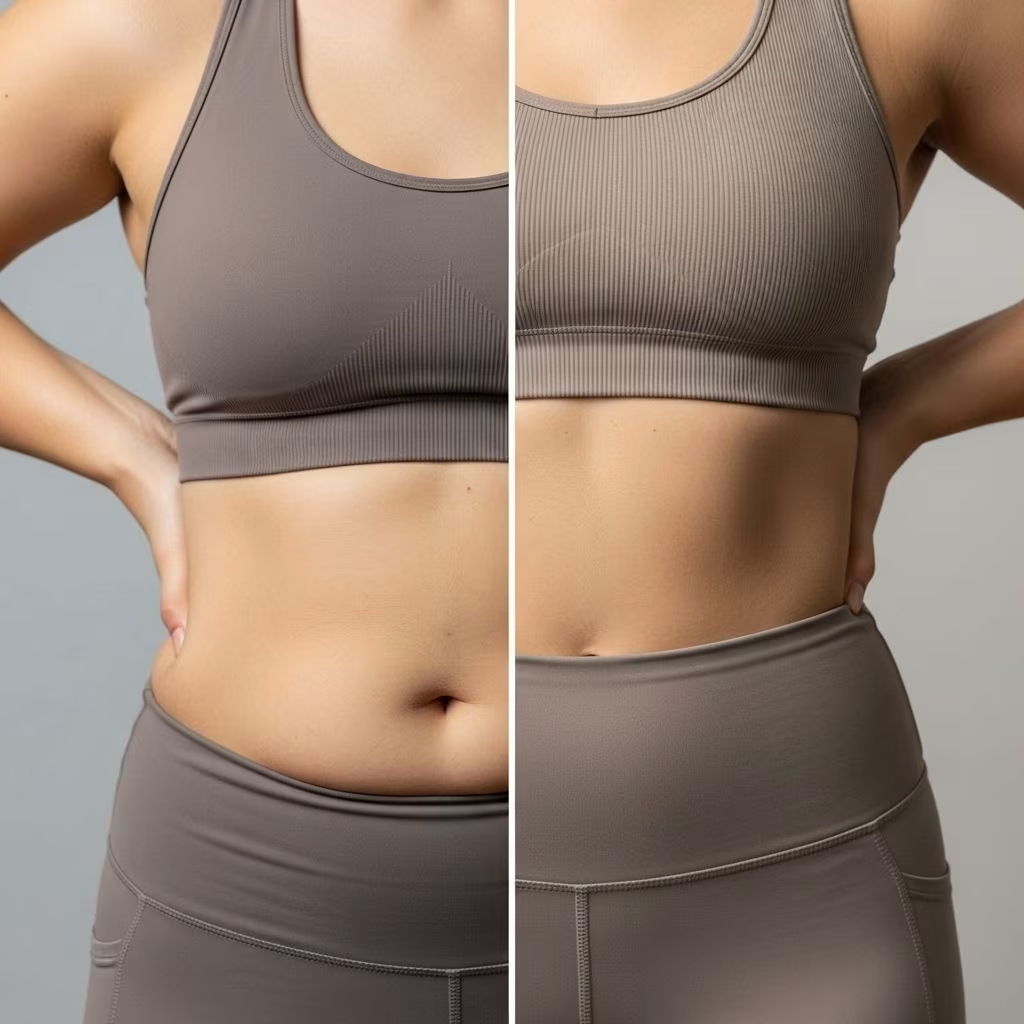
Bloating vs. Fat: How to Tell the Difference—and What You Can Do About It
If you notice your stomach or waistline is larger than usual, you might wonder: is it bloating or have you simply gained fat? While both issues can cause your midsection to expand, they differ greatly in cause, persistence, health impact, and the solutions that address them. Understanding the key differences between bloating and fat can help you take the right steps toward better health and a trimmer waistline.
Why Distinguishing Bloating from Fat Matters
Bloating is often temporary and manageable with simple lifestyle changes, while fat accumulation tends to be more gradual and persistent, sometimes signaling the need for broader changes in diet and activity. Importantly, prolonged bloating or sudden abdominal changes may point to underlying health conditions that require attention. Knowing which issue you’re facing enables you to take targeted action for real results.
Understanding Bloating and Body Fat
| Aspect | Bloating | Body Fat |
|---|---|---|
| Definition | Temporary enlargement due to excess gas, water, or digestive issues | Long-term accumulation of adipose tissue from excess calories |
| Duration | Short-term (hours to days); often resolves on its own | Long-term, often develops over weeks or months |
| Sensation | Tightness, fullness, discomfort, sometimes pain | Heaviness, softness, may not feel physically uncomfortable |
| Appearance | May fluctuate quickly; can feel firm or tight | Consistent bulge; skin is soft, pinchable |
| Common Causes | Food intolerances, digestive disorders, high salt intake | Excessive calorie intake, low activity, hormonal changes |
| How to Reduce | Diet tweaks (more fiber, less salt), hydration, treat underlying issue | Calorie control, increased activity, overall health changes |
Key Signs: How Can You Tell if It’s Bloating or Fat?
- Bloating typically appears suddenly: Your abdomen expands over hours or a single day. You might feel uncomfortable, swollen, or tight, especially after meals or at certain times of day.
- Fat gain is gradual: Your waist size increases slowly and consistently. Skin may feel softer; you can often pinch the tissue, and it tends to stick around regardless of diet changes.
- Bloating fluctuates: It may be worse in the evening and less noticeable in the morning or after physical activity. Fat does not fluctuate as rapidly.
- Sensation matters: Bloating brings a sense of fullness, discomfort, or pressure, sometimes even pain. Fat accumulation generally does not cause discomfort unless extreme.
- Skin test: If you press into your stomach and the skin rebounds quickly, it may be bloating. If the tissue is soft and pliable, it’s likely fat.
Common Causes of Bloating
Bloating is often triggered by digestive issues, dietary choices, or hormonal fluctuations. Some major culprits include:
- Dietary fiber: A sudden increase, or eating high-fiber foods, can cause excess gas and bloating, especially if your gut isn’t accustomed to them.
- Refined carbohydrates: White bread, pasta, and sugary foods promote water retention, which leads to bloating.
- Salt (Sodium): High-sodium foods cause your body to retain water. That extra fluid can leave you feeling puffy.
- Sugar alcohols: These low-calorie sweeteners common in “diet” foods (look for sorbitol, xylitol, mannitol) may cause gas and bloating due to incomplete digestion.
- Dairy: Lactose intolerance can cause significant bloating, gas, and discomfort.
- Carbonated beverages: Sodas and “sparkling” drinks introduce excess air into your digestive tract.
- Hormonal changes: Menstrual cycles and hormonal shifts can temporarily increase bloating for many women.
- Gut disorders: Irritable Bowel Syndrome (IBS), constipation, or food intolerances may all lead to persistent or intense bloating.
Common Causes of Fat Accumulation Around the Midsection
- Excess calorie intake: Consuming more energy than you burn leads to fat storage, particularly around the abdomen.
- Sedentary lifestyle: Reduced physical activity slows metabolism and promotes fat gain.
- Hormonal changes: Age-related shifts, stress, or conditions like polycystic ovary syndrome (PCOS) can increase abdominal fat.
- Genetics: Some people are predisposed to storing more fat in their midsection.
- Lack of sleep: Poor sleep quality and duration can disrupt metabolism and promote weight gain.
- Chronic stress: High cortisol levels from stress can trigger fat accumulation, especially around the belly.
When Bloating Signals a Health Problem
Although bloating is usually harmless and resolves with diet or activity changes, persistent or severe bloating may signal:
- Digestive disorders: IBS, celiac disease, Crohn’s disease, or food allergies.
- Liver, pancreas, or gallbladder conditions: Chronic bloating can be a symptom.
- Serious medical issues: Sudden severe bloating, especially with pain, nausea, vomiting, or unexplained weight loss, requires medical attention.
Simple Ways to Reduce Bloating Quickly
- Replace refined carbs with whole grains: Switch white bread, rice, or pasta for fiber-rich options like quinoa or brown rice. These stabilize blood sugar and reduce water retention.
- Eat potassium-rich foods: Bananas, spinach, avocados, and potatoes help balance sodium levels and flush excess water.
- Avoid sugar alcohols: Check food labels—skip products with sorbitol, xylitol, mannitol.
- Limit salt intake: Choose whole, minimally processed foods.
- Eat fatty fish: Salmon, tuna, mackerel, and herring contain omega-3s that boost metabolism and fight inflammation.
- Stay hydrated: Drinking water helps flush out excess sodium and supports digestive regularity.
- Monitor dairy intake: If you’re lactose intolerant, choose lactose-free alternatives.
- Manage stress: Chronic stress can disrupt digestion, so incorporate relaxation techniques.
Effective Strategies to Reduce Fat and Trim Your Waistline
- Track calorie intake: Monitor your daily calories to ensure you’re not overeating.
- Increase activity: Regular exercise—especially cardio and resistance training—helps burn calories and shape the abdomen.
- Build muscle: Strength training increases metabolism, leading to greater fat burning even at rest.
- Prioritize sleep: Aim for 7-9 hours of quality sleep per night.
- Adopt a balanced diet: Focus on vegetables, lean protein, whole grains, healthy fats (like nuts, seeds, olive oil), and fruit.
- Limit processed foods: Reduce intake of packaged snacks, fried foods, and sugary beverages.
- Manage stress: Practice mindfulness, yoga, or deep breathing to keep cortisol levels in check.
Quick Reference Table: Bloating vs. Fat Signals
| Question | Bloating | Body Fat |
|---|---|---|
| Appeared suddenly? | Yes | No |
| Goes away within hours/days? | Yes | No |
| Feels tight/firm? | Often | Rarely |
| Change after meals? | Yes | No |
| Pinchable, soft tissue? | No | Yes |
| Associated with stomach upset? | Yes | Rarely |
Frequently Asked Questions (FAQs)
Q: Can bloating cause weight gain on the scale?
A: Yes, bloating from excess water or gas can cause temporary weight increases. This is usually not true fat gain and resolves when the bloating subsides.
Q: How do I know if I need to see a doctor for bloating?
A: Seek medical advice if bloating is severe, persistent, comes with pain, vomiting, blood in stool, or unexplained weight loss—these could signal a more serious condition.
Q: Can I lose belly fat by only changing my diet?
A: Diet is crucial, but combining healthy eating with regular physical activity yields faster and longer-lasting results.
Q: Is it possible to have both bloating and fat at the same time?
A: Yes, many people experience temporary bloating on top of existing abdominal fat. Addressing both with targeted diet and lifestyle changes is most effective.
Q: Can stress cause both bloating and fat storage?
A: Yes, stress can disrupt digestion, leading to bloating, and elevate cortisol, which promotes fat accumulation around the midsection.
Expert Tips for a Flatter, Healthier Stomach
- Start a food diary: Identify triggers causing bloating or excess calorie intake.
- Make gradual changes: Sudden drastic shifts in diet (like an abrupt fiber increase) often worsen bloating.
- Stay active: Movement helps stimulate digestion and prevents constipation-related bloating.
- Hydrate consistently: Water flushes excess sodium and supports metabolic health.
- Embrace balanced meals: Pair protein with fiber and healthy fats to stay full, promote regularity, and burn more calories.
- Aim for consistency: Sustainable habits work better than quick fixes.
Summary: The Path Forward
Bloating and fat around the waist may look similar at a glance, but arise from very different causes and call for different solutions. Paying attention to symptoms, tracking your habits, and using the strategies outlined above can help you distinguish and address each issue, so you feel energized, comfortable—and confident in your body.
References
- https://pmc.ncbi.nlm.nih.gov/articles/PMC7056053/
- https://www.prevention.com/weight-loss/diets/a20438207/best-foods-to-eat-and-avoid-for-a-flat-belly/
- https://www.prevention.com/weight-loss/a43341310/bloating-vs-fat/
- https://www.medicalnewstoday.com/articles/bloating-vs-fat
- https://www.prevention.com/weight-loss/a20458064/new-research-on-how-to-lose-belly-fat/
- https://www.prevention.com/health/g20470402/9-de-bloating-tricks-ranked-in-order-of-effectiveness/
- https://www.uclahealth.org/news/article/6-things-you-can-do-prevent-bloating
- https://www.prevention.com/weight-loss/g24805401/fat-burning-foods/


