


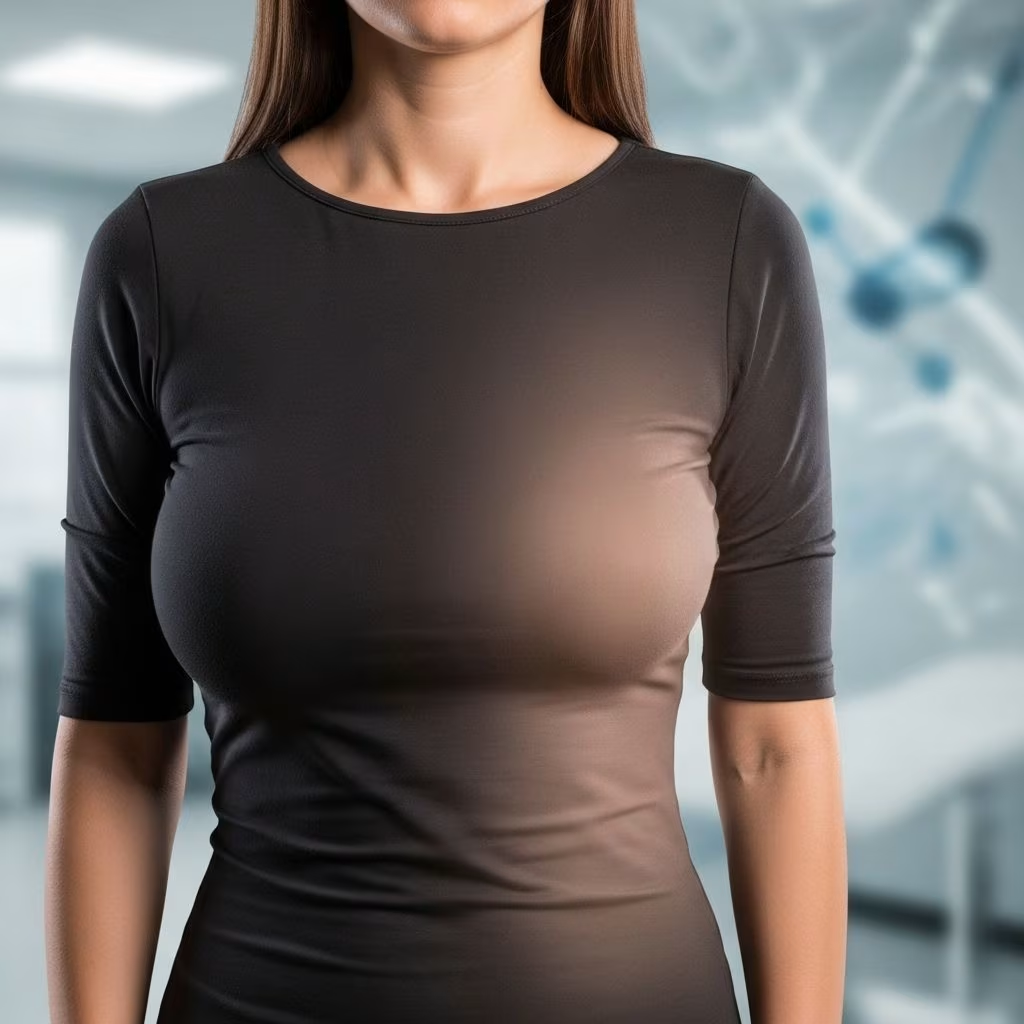
Medications like Ozempic (semaglutide), originally developed for diabetes and now widely used as weight loss solutions, have entered mainstream discussions not only for their dramatic health results, but also for unexpected side effects. One such side effect gaining traction, especially across social media, is colloquially called ‘Ozempic breasts’—a phrase used to describe noticeable changes in the appearance, size, and shape of breasts following rapid weight loss on GLP-1 agonist medications like Ozempic, Wegovy, Mounjaro, and Zepbound.
This article explores the phenomenon in detail: what causes it, how it happens, what you can do about it, and what the science—and experts—say about breast changes from dramatic weight loss.
What Are ‘Ozempic Breasts’?
‘Ozempic breasts’ is not a medical diagnosis, but rather a term created online to describe a constellation of changes to the chest and breast area seen in some people taking GLP-1 weight loss medications. It refers to physical changes that can include:
- Loss of fullness or volume in the breasts
- Sagging or drooping (ptosis) of the breasts
- Crepe-y, wrinkled, or thinner skin on the chest
- Downturned angle of nipples
- Flattened or ‘deflated’ appearance
- Increased breast sensitivity, tenderness, or soreness
- Occasional swelling or fluctuations in size
Experts emphasize that while “Ozempic breasts” has become a catchy name for these changes, similar effects can happen with any substantial and rapid weight loss, regardless of whether the cause is medication, extreme dieting, or bariatric surgery.
What Causes Breast Changes on Ozempic and Similar Medications?
The physical changes seen as ‘Ozempic breasts’ are mostly a result of rapid and significant fat loss throughout the body. Here’s why:
- The breast is made of both glandular and fatty tissue.
- When people lose a lot of weight—especially quickly—they lose fat from the breasts as well as other areas, which decreases volume and support.
- The skin, once stretched, may not shrink back at the same rate as fat is lost. This leads to slackness or sagging, especially if elasticity is reduced (from age, genetics, or sun exposure).
Doctors confirm that the same phenomenon can occur anywhere significant fat loss happens, which is why ‘Ozempic face’ and ‘Ozempic butt’ have also entered pop culture. But for many, breast changes create unique physical and emotional concerns.
Common Symptoms and Appearance Changes
| Symptom | Description |
|---|---|
| Loss of Fullness/Volume | Breasts appear smaller, flatter, or less plump than before weight loss. |
| Sagging (Ptosis) | Breasts droop lower on the chest, nipples may point downward or drift lower. |
| Wrinkled or Crepe-y Skin | Skin over the chest becomes thinner or more textured, as stretched tissue doesn’t fully retract. |
| Nipple Changes | Nipples may angle down or appear larger compared to reduced breast tissue. |
| Sensitivity or Soreness | Some individuals report breast pain, tenderness, or increased sensitivity as the body adjusts. |
| Occasional Swelling | Temporary fluctuations in breast size are sometimes reported, likely related to hormonal changes. |
Why Do Some People Experience More Dramatic Changes?
The degree of breast changes after weight loss depends on several factors:
- Rate and amount of weight lost: Faster, greater weight loss increases risk for looser skin and more noticeable changes.
- Age: Skin loses elasticity with age, making it less able to “shrink wrap” around new contours.
- Genetics: Some people naturally have more resilient or supportive connective tissue.
- Baseline breast composition: Breasts with a higher proportion of fatty tissue will shrink more; those with more glandular (fibrous) tissue are somewhat less affected.
- History of pregnancies, breastfeeding, sun exposure, and smoking: All these factors influence skin and tissue integrity.
Hormonal Connections: How Weight Loss and GLP-1 Drugs Affect Breast Tissue
Another key factor in breast changes is hormonal fluctuation, especially estrogen. Here’s why:
- Fat tissue produces estrogen— an important hormone for breast development, fullness, and sensation, particularly after menopause.
- Significant fat loss means less circulating estrogen, which can impact breast tissue and skin health.
- Fluctuations in estrogen and related hormones may contribute to sensitivity, pain, and temporary swelling during rapid weight loss or soon after starting GLP-1 medications.
It’s important to note that there is no direct evidence that Ozempic or GLP-1 agonists themselves lower estrogen, but the fat loss that results from these drugs likely does.
Is ‘Ozempic Breasts’ Permanent?
For many, the loss in volume or sagging is lasting—especially if a lot of fat was lost and skin has not retained its elasticity. Pain or sensitivity is usually temporary, resolving as the body’s hormones stabilize. In some cases, additional skin tightening or surgical options may be considered if the cosmetic impact or discomfort is severe.
Other Unique Concerns for Women and People Assigned Female at Birth
Fertility and Pregnancy
- Rapid weight loss and improved metabolic health on GLP-1 medications can restore ovulation—sometimes unexpectedly.
- Some women have reported unplanned pregnancies while on Ozempic, with anecdotal evidence suggesting it might sometimes blunt the effectiveness of birth control pills.
- Current expert guidance: Do not use Ozempic during pregnancy or when trying to conceive, due to lack of safety data and evidence from animal studies indicating risk.
Postmenopausal Women
- Estrogen after menopause comes predominantly from fat tissue. Significant weight loss may result in even lower estrogen levels, potentially worsening dryness, discomfort, or breast changes.
- Some research suggests pairing hormone replacement therapy (HRT) with GLP-1 drugs may help with weight loss, but there’s limited data on how it impacts breast tissue specifically.
Aesthetic and Emotional Concerns: Social Media and Self-Image
As the popularity of semaglutide and related GLP-1 medications grows, so too does public sharing about side effects. Numerous social media influencers and community groups have begun posting about their experiences with breast and body changes, spreading greater awareness but also occasionally misinformation.
For many, changes to breast shape can be emotionally upsetting—particularly when they weren’t expecting such visible evidence of weight loss progress. This can affect self-esteem, intimacy, and overall body confidence. Healthcare providers encourage honest and open dialogue to help patients set realistic expectations and explore both non-surgical and surgical options for improvement if desired.
Managing and Treating ‘Ozempic Breasts’
While some degree of breast change is likely inevitable after significant weight loss, there are approaches to help minimize, support, or, if necessary, correct these effects:
- Professional bra fitting: Supportive and well-fitting bras (including “lift” or shaping bras) can dramatically improve breast appearance and comfort.
- Topical skincare: Hydration and retinoids may slightly improve skin quality and appearance, but effects are limited on stretched skin.
- Muscle strengthening: While exercises (like push-ups or chest presses) cannot increase breast tissue, they can improve the underlying pectoral muscle for modest chest lift.
- Gradual weight loss: If you’ve yet to begin medication, slower fat reduction may help prevent some sagging by allowing skin more time to adjust.
- Cosmetic surgery: Surgical lifts (mastopexy) or augmentation (implants/fat grafts) remain the most reliable way to restore volume, shape, and nipple position if needed.
Should You Be Concerned?
While changes to breast appearance can be troubling, they are a reflection of rapid overall fat loss. Experts agree these medications are powerful tools—especially for individuals with obesity or obesity-related health issues—but every side effect, potential and actual, deserves fair attention and compassion.
Consult a healthcare provider or plastic surgeon if breast changes impact your well-being. Have open discussions about all possible side effects, and personalize your weight loss journey with accurate information, realistic expectations, and compassionate support.
Frequently Asked Questions About ‘Ozempic Breasts’
Q: Is ‘Ozempic breasts’ a recognized medical condition?
A: No, ‘Ozempic breasts’ is not an official medical diagnosis—it is a term popularized by users to describe aesthetic changes to the breasts often seen after substantial weight loss on GLP-1 drugs.
Q: Do all weight loss drugs cause breast changes?
A: Any rapid or significant weight loss—from medication, surgery, or diet—can cause similar aesthetic changes, including loss of volume and sagging in the breasts.
Q: Will sagging or volume loss in the breasts reverse if I regain weight?
A: In some cases, a modest weight regain may restore some volume, but stretched skin rarely returns fully to its pre-weight-loss state, and sagging may persist without surgical intervention.
Q: Are there non-surgical methods to fix saggy breasts after weight loss?
A: Supportive bras and chest muscle strengthening can improve appearance, but only cosmetic surgery can drastically alter sagging or restore lost fullness.
Q: Can men taking GLP-1 medications experience chest or breast changes?
A: Yes, men who lose substantial chest fat may notice a decrease in breast (pectoral) size or skin redundancy, but the hormonal and visibly feminizing effects are usually less pronounced.
Key Takeaways
- ‘Ozempic breasts’ describes the sagging, shrinking, and reshaping of breast tissue following rapid weight loss on GLP-1 medications, including semaglutide (Ozempic, Wegovy), tirzepatide (Mounjaro, Zepbound), and others.
- These changes reflect a universal reaction to fat loss—not a unique flaw of weight loss drugs—but may be more pronounced when weight is lost rapidly.
- While mostly cosmetic, the emotional and psychological impact can be real and should not be overlooked.
- Surgical and non-surgical options exist for those seeking to address significant sagging or volume loss.
- If you are starting or currently taking weight loss medication, discuss all potential aesthetic and health side effects with your healthcare provider.
References
- https://www.webmd.com/obesity/ozempic-side-effects
- https://www.healthcentral.com/condition/obesity/ozempic-breast-side-effects
- https://www.healthline.com/health-news/ozempic-breasts-side-effect
- https://www.licksteinplasticsurgery.com/ozempic-breasts-a-new-concern-for-users-of-weight-loss-medications/
- https://www.prevention.com/weight-loss/a60776544/ozempic-breasts-side-effect/
- https://enhancemedicalgroup.com/guide/ozempic-face-how-ozempic-can-affect-your-appearance-cosmetic-surgery-choices
- https://www.mdlinx.com/article/patients-are-complaining-about-ozempic-breasts/6io0Td0honyEN64CSXRBAi


