The History of Honeymoons: From Ancient Rituals to Modern Escapes
The honeymoon, known today as a cherished period of romantic travel for newlyweds, has a surprisingly complex and layered history. Far from being a mere post-wedding vacation, the honeymoon evolved from ancient customs, societal necessity, and evolving definitions of romance, privacy, and status. This article traces the journey of the honeymoon tradition across cultures and centuries, revealing how love, custom, and social change shaped the rite now synonymous with the beginning of married life.
Early Origins: Ancient Customs and Fertility Rites
To uncover the story of honeymoons, we must begin with ancient traditions that pre-date the concept of marital vacations. These early customs were often rooted in superstition, fertility, and sometimes, harsh realities.
The Mead Month: Nordic Traditions
- 5th-century Nordic societies celebrated newlyweds with a month-long ritual of drinking mead, a honey-based wine, believed to promote fertility and ensure good fortune for the couple’s union.
- The term “honeymoon” stems from this tradition: “honey” for the sweet wine, “moon” for the lunar month during which the ritual took place.
- This custom underscores the primary concern of early marriage rites—producing heirs and strengthening family legacies, rather than romantic love.
The Darker Side: Bride Kidnapping and Seclusion
- In some ancient cultures, the honeymoon involved the abduction of brides and their enforced isolation for a lunar cycle, intended to prevent families from reclaiming the bride and cement the marital bond through consummation.
- Such practices, while troubling by modern standards, reflect how the honeymoon originated partly from social and economic imperatives rather than symbols of love or adventure.
From Social Duty to Status Symbol: Honeymoons in the Renaissance and Early Modern Era
As marriage customs evolved, the honeymoon began to shift away from purely practical or ritual functions. For the wealthy elite in Renaissance Europe, the post-wedding journey became a display of social position and privilege.
- Wealthy couples would embark on elaborate trips or host gatherings at remote estates, often exchanging lavish gifts with their hosts along the way.
- For many, these journeys were not a private escape but spectacles of affluence, with celebrations designed to impress local communities and reinforce family stature.
- The concept of travel itself was tightly associated with upper-class rituals and remained out of reach for most people at the time.
The Bridal Tour: The Birth of the Honeymoon Journey
By the 18th and early 19th centuries, the so-called bridal tour gained popularity, especially in Britain and America, becoming a precursor to the modern honeymoon..
- Unlike today’s private escapes, newlyweds would often travel with family members and friends who couldn’t attend the wedding.
- This journey was intended as a practical way to strengthen family bonds and provide social recognition for the marriage, rather than an intimate time for the couple alone.
- Sometimes, a relative or companion would join the tour to make the transition to marital life easier for the bride, in line with then-prevailing gender norms.
- Such customs also mirrored the strict social codes and anxieties of Victorian society. Women in particular often viewed marriage as a daunting union with what some called “the grosser sex,” requiring familial support and gentle adjustment.
The Honeymoon as a Romantic Getaway: The Victorian Transformation
The emergence of the honeymoon as a private, romantic trip coincided with significant social and technological change in the 19th century, especially during the Victorian era.
Social Shifts and Changing Roles
- Railways, steamships, and improved transportation made travel more accessible and comfortable.
- Newlyweds could now visit far-off destinations alone, escaping the watchful eyes of family and society, and focus on nurturing their intimate bond.
- These journeys became increasingly romanticized in literature and popular culture, with ideals of love and commitment replacing the practical motivations of earlier times.
Privacy and Intimacy
- Despite Victorian values emphasizing modesty and social propriety, couples began embracing the honeymoon as a time for privacy and deep connection, shifting away from the group-centric nature of the bridal tour.
- Still, some honeymoons included chaperones to maintain decorum, but this practice faded as personal privacy gained greater social value.
Status and Spectacle
- For affluent families, the honeymoon remained an opportunity to assert status, with trips to luxurious destinations and stays in opulent accommodations serving as public demonstrations of wealth and taste.
- The tradition grew to embody both conspicuous consumption and genuine celebration, enhancing the honeymoon’s dual role as spectacle and sanctuary.
| Period | Key Honeymoon Features | Social Significance |
|---|---|---|
| Ancient & Medieval | Fertility rites, bride kidnapping, mead drinking | Ensure heirs, solidify marriage, superstition |
| Renaissance | Displays of status, lavish bridal tours | Wealth, social spectacle, family bonds |
| Victorian Era | Romantic travel, etiquette, privacy shift | Romantic ideal, privacy, social progression |
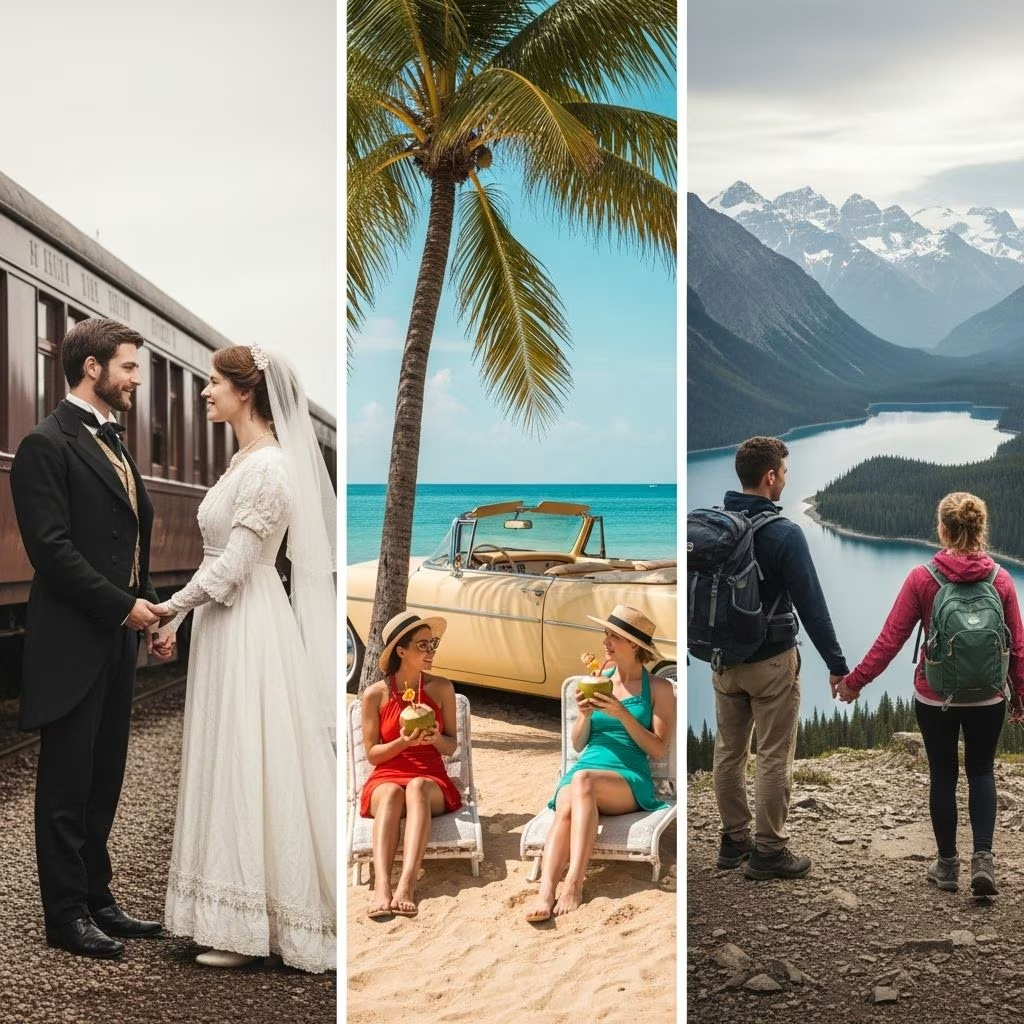
| Modern | Personal escape, exotic destinations | Celebration of love, romance, adventure |
The Rise of Iconic Honeymoon Destinations
With travel gaining popularity in the 19th and early 20th centuries, certain destinations became synonymous with romance and newlywed adventure.
Niagara Falls: The World’s Honeymoon Capital
- Niagara Falls emerged as the most famous early honeymoon destination, gaining its “Honeymoon Capital of the World” status as early as 1801.
- The falls’ mystical beauty and dramatic setting made them a magnet for couples seeking both romance and spectacle.
- Over the decades, the Niagara region tailored its tourism industry to suit honeymooners, offering heart-shaped tubs, couples’ attractions, and packages designed to celebrate newlyweds.
Other Romantic Retreats
- By the mid-20th century, locations like the Poconos in Pennsylvania successfully competed with Niagara Falls, marketing themselves as steamy and vibrant havens for post-wedding romance.
- Destinations such as the Alps, islands, and tropical resorts grew in popularity with the rise of air travel, making a wider array of experiences available to couples seeking adventure and intimacy.
Modern Honeymoons: Adventure, Luxury, and Self-Expression
Today, the honeymoon has become a highly personal expression of love, adventure, and lifestyle. Modern couples seek experiences that reflect their interests and values, often combining travel with relaxation, adventure, and celebration.
The Contemporary Meaning
- While romance and privacy remain central, couples increasingly view honeymoons as an opportunity to explore new destinations, cultures, and adventures together.
- The rise of “mini-moons,” “buddymoons,” and unconventional getaways means that the honeymoon now encompasses a broad spectrum of experiences—from luxury cruises and safaris to eco-friendly retreats and food tours.
- Sex and intimacy have become more openly celebrated, especially in Western culture after World War II, aligning with broader social changes and attitudes toward marriage and sexuality.
- In recent decades, honeymoon trends mirror the growing diversity in how couples choose to express and celebrate their unions, making the tradition a reflection of modern love, values, and aspirations.
Frequently Asked Questions (FAQs)
Q: What is the origin of the word “honeymoon”?
A: The word “honeymoon” derives from 5th-century Nordic customs involving newlyweds drinking honeyed mead for a lunar month, symbolizing fertility and luck. Today, it refers more broadly to the early, sweet phase of marriage.
Q: Did people always travel for their honeymoon?
A: No, early honeymoons were often rituals or family tours, not private romantic vacations. Couples typically traveled with relatives or visited family who hadn’t attended the wedding.
Q: Why is Niagara Falls called the “Honeymoon Capital of the World”?
A: Niagara Falls gained this title in the early 1800s because of its dramatic scenery and tailored tourism offerings for newlyweds, making it a sought-after honeymoon destination for generations.
Q: How have honeymoons changed in modern times?
A: Modern honeymoons emphasize personal luxury, adventure, and intimacy, reflecting diverse interests and broad global access to destinations. There’s no set formula—each couple celebrates in their own way.
Q: Were honeymoons always about romance?
A: No, honeymoons often centered on social custom, family ties, and legitimacy in their early forms. The romantic focus developed in the Victorian era and deepened through the 20th century.
Key Takeaways: The Honeymoon’s Continuing Evolution
- Honeymoons originated from ancient rites focused on fertility and familial bonds rather than romance.
- Bridal tours with family evolved into private escapes thanks to changes in social norms and travel opportunities.
- Destinations like Niagara Falls and the Poconos shaped the concept of honeymoons as romantic getaways.
- Modern honeymoons are defined by personal choice, adventure, and intimacy, making the tradition unique to each couple.
Conclusion: From Ritual to Romance—Why Honeymoons Endure
The honeymoon has always been more than just a vacation—it is a symbolic beginning, a marker of new life, and a mirror to the values and aspirations of its time. Whether rooted in superstition or romance, the tradition has survived for centuries because it adapts to changing social realities, technological advances, and evolving fashions in love. Today’s honeymoon, shaped by centuries of transformation, continues to reflect both the intimate chemistry of a couple and the broader tapestry of culture and history.
References
- https://www.wellandgood.com/lifestyle/evolution-of-honeymoon-vacations
- https://wezoree.com/inspiration/the-fascinating-history-of-the-honeymoon-tradition/
- https://www.grunge.com/831014/the-true-origins-of-the-word-honeymoon/
- https://www.niagarafallsusa.com/the-source/how-niagara-falls-became-the-honeymoon-capital-of-the-world/
- https://www.countryliving.com/uk/homes-interiors/property/a20715175/stay-henry-viii-anne-boleyn-honeymoon-bedchamber-thornbury-castle/
- https://www.refinery29.com/en-us/2016/06/115293/honeymoon-tradition-history
- https://www.freedomiseverything.com/how-our-30-country-honeymoon-led-to-a-life-of-freedom-mark-kristen-morgans-story/