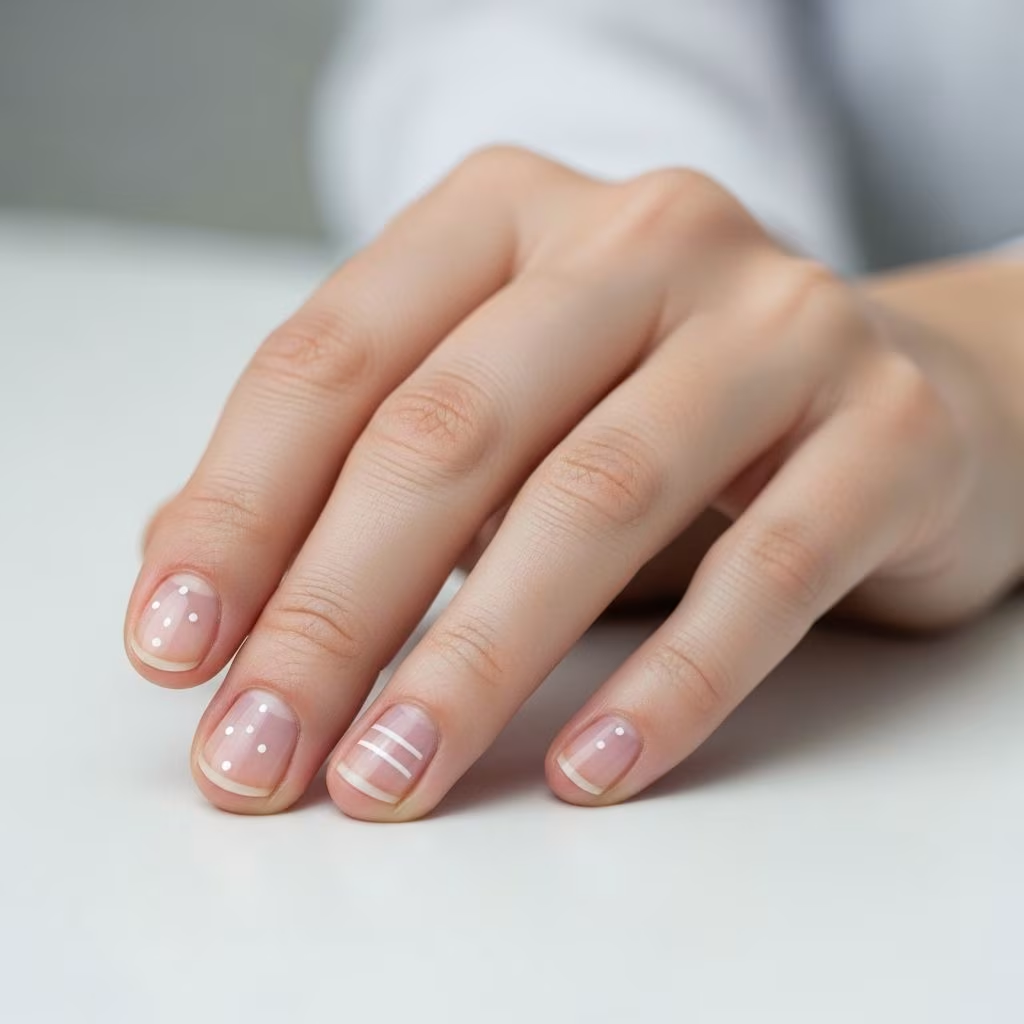
White spots on nails—those small, pale specks or streaks that sometimes dot the surface of your fingernails or toenails—are a frequent concern for people who notice changes in their nail health. While these spots are common and usually harmless, their sudden appearance often sparks curiosity and worry. More than just a cosmetic issue, white marks can sometimes reflect underlying health conditions or lifestyle habits. This comprehensive guide delves into what causes white spots on nails, clears up widespread myths, outlines when to seek professional help, and provides actionable advice for prevention and treatment.
Understanding White Spots on Nails
White spots on the nails are also referred to as leukonychia. Most commonly, these appear as tiny, irregular, white patches or lines on the nail plate. They can manifest on one nail or several and can take a variety of forms, such as:
- Punctate leukonychia: Small, dot-like white patches.
- Transverse leukonychia: White lines stretching horizontally across the nail.
- Longitudinal leukonychia: Less common, white streaks running lengthwise.
Many people experience these spots at some point, and in most cases, they are benign and resolve as the nail grows.
Common Causes of White Spots on Nails
Multiple factors can contribute to these white marks, and pinpointing the exact cause is key to determining whether care is required.
1. Injury or Trauma to the Nail
The most frequent cause of white spots is minor trauma to the nail matrix—the area at the base of the nail responsible for growth. This type of trauma can occur from:
- Knocking your nail against a hard surface
- Overzealous manicuring or cuticle pushing
- Biting nails or picking at the cuticles
Often, you may not recall the specific incident since the white spot appears several weeks after the injury, as the nail continues to grow out.
2. Allergic Reactions to Nail Products
Allergic reactions to substances in nail polish, hardeners, removers, or treatments—especially those containing formaldehyde or other resins—can result in white marks. Regular exposure to harsh chemicals during frequent manicures or improperly removed gel and acrylics can exacerbate this.
3. Fungal Infections
Nail fungus (onychomycosis), especially white superficial onychomycosis, can cause small, chalky, white spots on toenails or fingernails. As the infection worsens, nails may become flaky, brittle, and thickened. Early treatment is essential to prevent progression.
4. Mineral and Vitamin Deficiencies
Contrary to popular belief, vitamin or mineral deficiencies are unusual causes of isolated white spots in developed countries, but severe deficits—particularly of zinc, calcium, or selenium—can rarely be responsible. In most cases, your diet provides adequate levels unless you have a known deficiency.
5. Medications
Certain medications, such as chemotherapy drugs or antibiotics (especially sulfonamides), may induce temporary white streaks or spots due to their effects on the nail matrix.
6. Systemic Illnesses and Rare Disorders
Though uncommon, persistent or widespread leukonychia may be a sign of an underlying health condition. These include:
- Liver disease (cirrhosis)
- Kidney failure
- Anemia (iron deficiency)
- Heart disease
- Diabetes or hyperthyroidism
Genetic syndromes (e.g., Darier disease, Bart-Pumphrey syndrome, Bauer syndrome, Buschkell-Gorlin syndrome) are extremely rare and typically involve additional distinct symptoms, such as skin abnormalities or hearing loss.
7. Skin Conditions Impacting the Nail Matrix
Inflammatory skin diseases like psoriasis and eczema can disrupt healthy nail growth, leading to discoloration, including white patches or lines.
Summary Table: Causes of White Spots on Nails
| Cause | Typical Presentation | Additional Clues |
|---|---|---|
| Trauma | Single or few small white spots | No pain, appears weeks after injury |
| Allergy to Nail Products | Patches after using new polish/treatment | Recent manicure, itchy/red skin |
| Fungal Infection | Chalky, spreading spots; thickened nails | Brittleness, nail discoloration |
| Deficiencies (Zinc, Selenium) | Multiple nails, persistent changes | Other symptoms of poor nutrition |
| Medications | White lines or streaks | Recent new medication or chemo |
| Systemic Illness | Extensive, persistent spots | Symptoms elsewhere (fatigue, swelling, etc.) |
Debunking Myths about White Spots on Nails
White spots have been the subject of several enduring myths.
- “White spots mean you have a calcium deficiency.”
This belief is widespread but inaccurate. Dietary calcium rarely causes nail changes unless deficiency is profound, which is uncommon in most diets. - “White spots indicate poor hygiene.”
Aesthetic flaws in nails are unrelated to hygiene or cleanliness and reflect internal or environmental factors more often. - “You can scrub white spots away.”
Spots are embedded within the nail plate and cannot be removed by washing or scraping; they fade only as the nail grows out.
When to Worry: White Spots and Your Health
For most people, the occasional white spot is harmless and a normal part of nail life. However, certain features should prompt consultation with a healthcare professional:
- Persistent spots on many or all nails
- Spots accompanied by nail thickening, brittleness, or separation
- Associated symptoms such as fatigue, pale skin, or swelling
- Recent exposure to toxic substances (e.g., heavy metals)
- Known underlying health conditions (liver, kidney, thyroid, diabetes)
Health care professionals can perform blood tests, mycology (fungal) exams, or nail biopsies to investigate uncertain or persistent cases.
Treatment Options for White Spots on Nails
The approach to treatment depends on the underlying cause.
For Trauma-Related White Spots
- Let the nail grow out naturally. Most small, trauma-induced spots require no intervention and will move towards the nail tip, disappearing as you trim your nails.
If Caused by Allergic Reactions
- Discontinue suspected nail products.
- Take a break from manicures and use gentle nail care during recovery.
- Consult a doctor for persistent irritation or if new symptoms develop.
For Fungal Infections
- See a healthcare provider for diagnosis.
- Topical or oral antifungal medications may be prescribed, with full nail recovery sometimes requiring months of consistent treatment.
For Deficiencies
- Blood tests can confirm a nutritional deficiency.
- Dietary supplements or changes may be recommended by your doctor.
If Medication-Induced
- Notify your prescribing doctor if you notice new nail changes while on medication.
- Never stop essential prescriptions without medical advice.
Cosmetic Solutions
- Use nail polish to camouflage white spots if they bother you (provided polish wasn’t the cause).
- Nude or flesh-toned shades work best to blend with your natural nail.
Preventing White Spots on Nails
Many causes of white spots can be prevented with mindful nail care practices:
- Handle nails gently: Avoid aggressive manicuring, biting, or picking.
- Minimize chemical exposure: Limit use of strong nail products and opt for acetone-free removers.
- Wear gloves: When cleaning or using harsh chemicals to shield your nails.
- Maintain healthy nail hygiene: Keep nails trimmed and moisturized.
- Take breaks between manicures: Allow your natural nails to recover.
- Eat a balanced diet: Ensure adequate vitamins and minerals through food rather than relying on supplements unless medically indicated.
Frequently Asked Questions (FAQs)
Q: Are white spots on nails dangerous?
A: Most white spots on nails are harmless and related to trauma or irritation. Persistent or widespread spots across multiple nails may warrant medical evaluation to rule out nutritional deficiencies or systemic illness.
Q: How long does it take for white spots to go away?
A: White spots caused by trauma generally disappear as the affected portion grows out with the nail—typically within a few months, depending on nail growth rate.
Q: Can I use supplements to get rid of white spots?
A: Unless a doctor has diagnosed you with a specific deficiency, supplements are unlikely to speed up the disappearance of white spots. Most cases resolve naturally without intervention. Always consult your healthcare provider before starting supplements.
Q: Can white spots be covered with polish or nail art?
A: Yes. Once any underlying infection or allergy is ruled out, you may use polish, press-ons, or art to disguise white spots as your nail heals.
Q: When should I see a doctor about white spots on my nails?
A: If you notice persistent spots, worsening nail changes, or accompanying symptoms like fatigue, swelling, or unexplained illness, consult your healthcare provider for diagnosis.
Expert Tips for Healthy Nails
- Use a gentle nail file and avoid metal tools while manicuring.
- Moisturize your hands and nails after washing to prevent drying and splitting.
- Limit soaking nails in water for extended periods; this can weaken the nail plate.
- Regularly inspect your nails for changes, and do not ignore persistent or unusual spots or patterns.
Key Takeaways
- White spots on nails (leukonychia) are typically harmless and most often caused by trauma, irritation, or allergic reactions.
- They rarely indicate a nutritional deficiency or major health problem but persistent or spreading spots merit evaluation.
- Treatment depends on the cause and often involves simply letting the nail grow out.
- Prevent recurrence by gentle handling, minimizing chemical exposure, and maintaining a balanced diet.
- If in doubt, or if nail changes accompany other symptoms, seek guidance from a healthcare provider.
References
- https://www.healthline.com/health/white-spots-on-nails
- https://www.goodrx.com/health-topic/dermatology/white-spots-on-nails
- https://www.medicalnewstoday.com/articles/317493
- https://my.clevelandclinic.org/health/symptoms/25243-white-spots-on-nails
- https://www.newportbeachdps.com/white-chalky-patches-toenails-fungus-dehydrated-nails-jennifer-moller-ms-pa-c/
- https://www.health.harvard.edu/diseases-and-conditions/why-do-i-have-white-spots-on-my-nails
- https://www.webmd.com/skin-problems-and-treatments/fungal-nail-infections