Do Your Nails Burn During a Gel Mani? Here’s How to Prevent Heat Spikes
Few things feel more startling than the unexpected jolt of pain during a seemingly routine gel manicure. If you’ve ever experienced a sudden, intense burning sensation as your nails cure beneath a UV or LED lamp, you’re not alone. This phenomenon—known as a gel manicure heat spike—leaves many nail enthusiasts searching for answers and relief. Drawing from expert insights and the latest nail science, this comprehensive guide demystifies heat spikes, explores their causes, assesses their potential risks, and shares professional tips to stop them for good.
What Is a Gel Manicure Heat Spike?
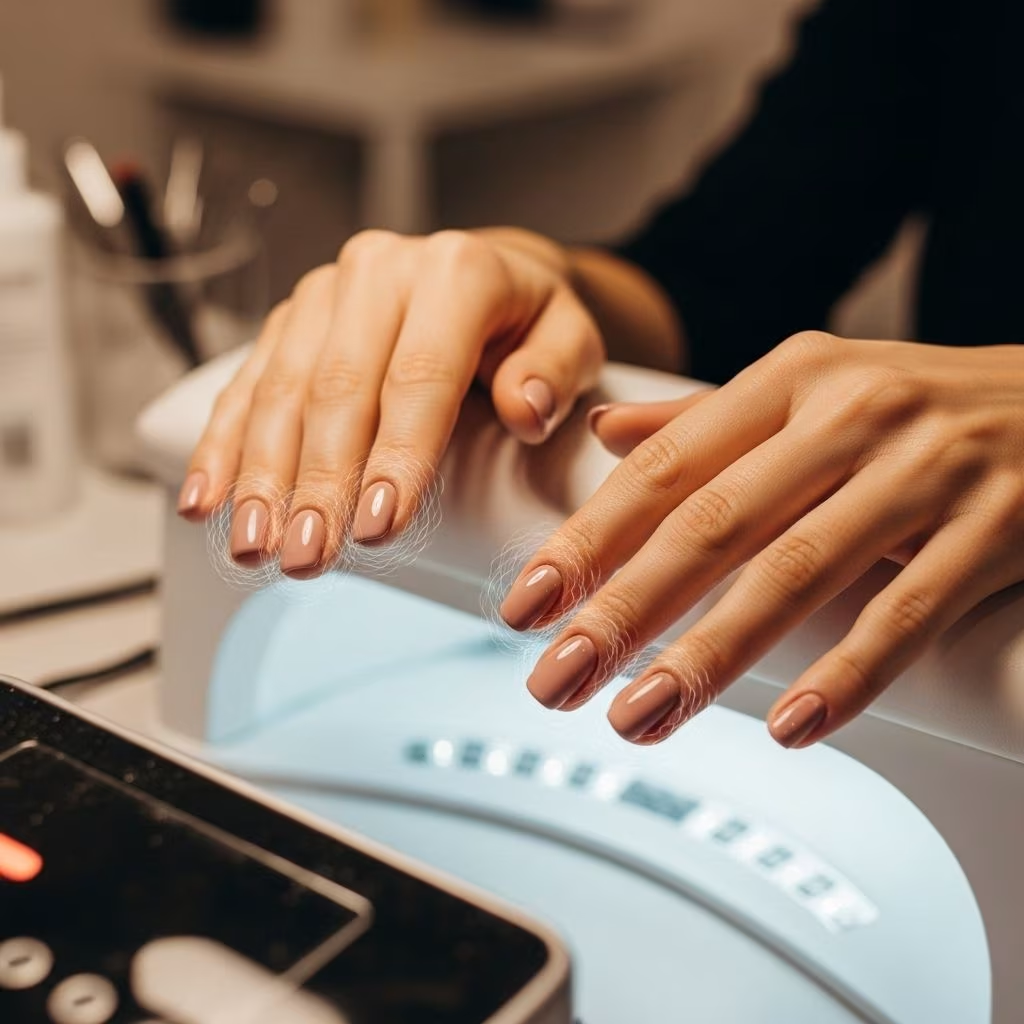
A heat spike occurs as an abrupt, intense warming or burning sensation felt during the curing stage of gel polish application. Nail technician Iram Shelton explains that these spikes are most noticeable when thicker gel products or builder gels are used—especially if a substantial layer is applied to the nail. The sensation can range from mild warmth to sharp, startling pain, often lasting only a few seconds but memorable enough to cause concern for both clients and professionals.
Why Do Heat Spikes Happen During a Gel Mani?
The answer lies in the way gel products cure. When placed under a UV or LED lamp, gels undergo a polymerization reaction—a chemical process that hardens the polish as molecules link together. This reaction is exothermic—meaning it releases heat. If the gel layer is too thick or the curing time too rapid, the heat generated cannot dissipate quickly, resulting in a sudden spike that can burn the sensitive nail bed.
- Product Layer Thickness: Thicker gel layers trigger more vigorous reactions and release greater heat in a short span.
- Application Method: Incorrect application or rushing the curing process amplifies the reaction speed.
- Nail Bed Thickness: Clients with thinner nail beds are more susceptible to the sensation, as there’s less keratin to buffer nerves from heat.
Are Heat Spikes Harmful to Your Nails?
While heat spikes are uncomfortable, they don’t immediately indicate permanent nail damage. Nail technician Iram Shelton assures that a single heat spike is not “ideal,” but it rarely causes harm outright. However, repeated or intense exposure can cause chronic sensitivity or distress, especially if your nails are over-filed or naturally weak. In rare cases, ongoing heat trauma may compromise nail health, so it’s important to raise concerns with your nail technician if the problem persists.
| Risk Factor | Potential Impact |
|---|---|
| Single Heat Spike | Temporary discomfort, rarely any damage |
| Repeated Heat Spikes | Sensitivity, chronic discomfort, rare nail plate damage |
| Preexisting Nail Weakness | Increased risk of injury or lasting sensitivity |
Even though heat spikes aren’t meant to be part of a gel manicure’s experience, understanding their cause is key to eliminating them and protecting overall nail health.
How to Stop and Prevent Gel Heat Spikes
Thankfully, both nail techs and DIY enthusiasts can minimize or avoid gel heat spikes using smart application techniques and attentive aftercare. Here are some expert strategies for a pain-free gel manicure:
- Apply Thinner Gel Layers: Build color and strength gradually using multiple thin coats rather than thick overlays. This limits the total heat produced during curing and gives excess warmth a chance to escape.
- Flash Cure Technique: Briefly cure nails for a few seconds, then pull your hand out before returning for a full cure. This acclimates your nail to the warmth and can stop heat spikes from developing.
- Communicate with Your Nail Technician: If you’ve ever had a heat spike, tell your tech before the appointment. A good technician will adjust layer thickness and curing times proactively for your comfort.
- Respond Quickly: If you feel a spike starting, remove your hand from the lamp immediately. Don’t tough it out—curing in shorter, less intense bursts is always safer and more pleasant.
- Use Appropriate Gel Products: Opt for brands and formulas designed for gentle curing. Some gels contain fewer potent photoinitiators, reducing heat spike risk during polymerization.
Tips for Nail Techs
- Monitor each client’s nail bed thickness and past sensitivity.
- Choose gentle curing settings when working with overlays or builder gels.
- Allow cooling breaks between layers for heat to dissipate.
- Educate clients about possible sensations, ensuring transparent communication.
Ultimately, keeping heat spikes at bay is about respecting the art and science of nail care—choosing products wisely, applying with precision, and listening to client feedback.
Understanding the Polymerization Reaction in Gel Curing
The core of every gel manicure comes down to the polymerization reaction. When gel polish meets UV or LED light, photoinitiators respond instantly, creating long-chain molecules that harden into a durable lacquer. This process releases heat as a byproduct. Factors affecting these reactions include:
- Gel type (builder vs. standard polish)
- Amount of gel applied per layer
- Nail bed sensitivity
- Lamp wavelength and intensity
By controlling the curing speed and gel thickness, technicians can dramatically reduce heat output, safeguarding nail health and client comfort.
Frequently Asked Questions (FAQs)
Why does my gel manicure burn under the lamp?
Gel manicures burn due to an intense exothermic reaction during curing, especially if thick layers are applied or your nail beds are thin.
What should I do if I feel a heat spike during curing?
Remove your hand from the lamp immediately, then cure in shorter intervals. Communicate with your nail tech to adjust techniques next time.
Can repeated heat spikes damage my nails permanently?
Occasional heat spikes rarely cause permanent damage. However, repeated or prolonged spikes may lead to sensitivity or, in rare cases, damage—especially if your nails are over-filed.
Are some gels less likely to cause heat spikes?
Yes, gels formulated with gentle photoinitiators or designed for thin-layer application tend to produce less heat during curing, lowering the risk.
Do all people experience heat spikes?
No. Those with thicker nail beds, healthy nails, and thin gel applications may avoid heat spikes altogether, while others are more sensitive due to nail physiology and product choice.
Key Strategies for a Comfortable Gel Manicure
Whether you’re a tech or a client, here’s a quick reference for success:
- Always use thin layers—never rush thickness for speed.
- Cure in gentle, shorter bursts if needed.
- Pay attention to any discomfort and communicate it immediately.
- Choose products curated for minimal exothermic reactions.
- Put nail health and client comfort above all.
Expert Insights: Nail Care Writer Spotlight
Lia Mappoura, Beauty Writer at Cosmopolitan UK, emphasizes the importance of understanding nail health and the latest trends. Covering everything from viral beauty hacks to practical advice for real-life treatments, she offers seasonal tips and keeps readers ahead of the latest nail and makeup trends. For navigating heat spikes, Lia—and the experts she interviews—advocate for open communication, safe practices, and pleasure over pain in every manicure experience.
Conclusion: Prioritize Comfort and Nail Health
Heat spikes may feel alarming, but with the right knowledge and techniques, your gel manicure can be both beautiful and comfortable. Focus on layer thickness, curing time, and professional communication to keep your nails safe—making manicure time a pleasure, not an ordeal.
References
- https://www.cosmopolitan.com/style-beauty/beauty/a64529576/nails-heat-spike/
- https://www.hona.us/blogs/knowledge-hub/unraveling-the-mystery-of-heat-spikes-a-deep-dive-into-gel-nail-application
- https://www.cosmopolitan.com/uk/beauty-hair/nails/
- https://www.salongeek.com/threads/heat-spikes-with-gel-how-do-you-deal-with-them.209476/