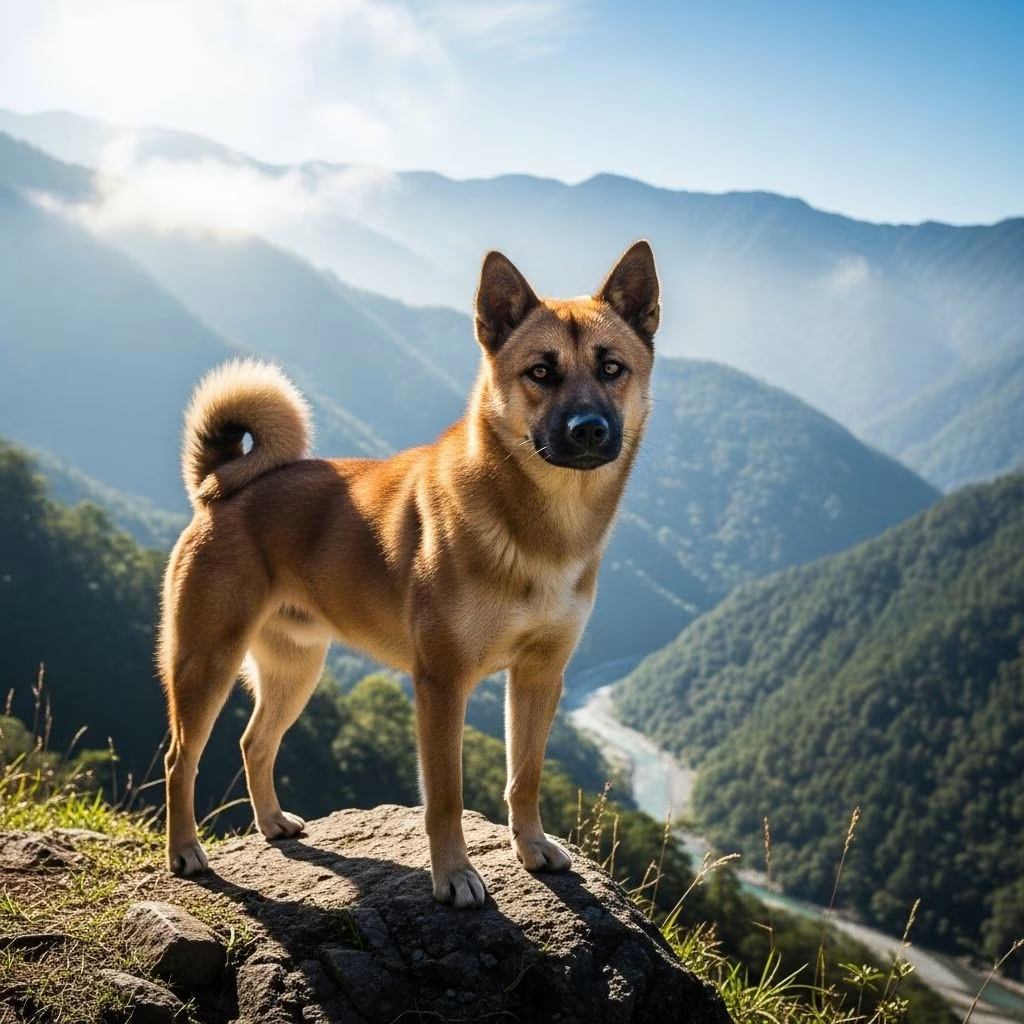
The Taiwan Dog, often known as the Formosan Mountain Dog, stands as a living testament to the history and resilience of the island of Taiwan. This remarkable breed, whose lineage stretches back thousands of years, remains a symbol of loyalty, intelligence, and adaptability. In this comprehensive guide, you’ll explore the breed’s origins, appearance, temperament, care requirements, and more—an essential overview for anyone intrigued by or considering welcoming this unique dog into their home.
History and Origin
Ancient Roots
The Taiwan Dog is one of the oldest domesticated dog breeds in the world, with genetic evidence tracing its ancestors back between 10,000 and 20,000 years ago. Indigenous people of Taiwan—primarily the aboriginal tribes—relied on these dogs for hunting in the dense, rugged mountain forests. Known for their agility, keen senses, and survival skills, these dogs became invaluable companions and helpers in one of the world’s most challenging terrains.
Names and Cultural Importance
- Formosan Mountain Dog: Still a common traditional name, reflecting their mountainous homeland.
- Taiwanese Native Dog: A term celebrating their indigenous origins.
- Takasago Dog: Less commonly used, with regional prominence.
For centuries, these dogs thrived almost independently, developing unique traits through natural selection. Their history is closely intertwined with Taiwan’s aboriginal cultures, serving as respected hunting allies and protectors.
Foreign Influence and Breed Challenges
The Taiwan Dog population faced significant pressure and genetic mixing after foreign colonization. Japanese rule (1895–1945) led to intensive crossbreeding as aboriginal villages were relocated and Japanese dogs brought to the island. Colonial powers, such as the Dutch, also introduced Western breeds, further diluting Taiwan Dog lineage. During the 20th century, the breed neared extinction, but rescue and conservation efforts in both Taiwan and abroad revived their numbers.
Breed Overview
| Characteristic | Details |
|---|---|
| Origin | Taiwan |
| Other Names | Formosan Mountain Dog, Taiwanese Native Dog, Takasago Dog |
| Group | Spitz |
| Breed Status | Rare, mostly found in Taiwan |
| Lifespan | 10-13 years |
| Size | Medium |
| Coat | Short, dense double coat (colors: black, white, fawn, brindle, black and white, fawn and white) |
Appearance
The Taiwan Dog is a medium-sized, athletic breed with an unmistakably alert presence. Their lean, well-proportioned build is tailored for speed and endurance through mountainous terrains.
- Head: Slightly wedge-shaped with a pronounced stop and erect, triangular ears that hint at their wild ancestry.
- Eyes: Almond-shaped, dark brown, and keenly expressive.
- Body: Strong back, deep chest, and a tucked-up belly, reflecting their active, hunting lifestyle.
- Tail: Set high and typically curves over the back, similar to other spitz breeds.
- Coat Texture: Short, double-layered, and weather resistant—well-suited for Taiwan’s humid climate.
- Color Range: Black, white, fawn, brindle, black and white, fawn and white are all accepted variations.
Their appearance radiates both elegance and ruggedness, making them distinct and instantly recognizable among indigenous Asian breeds.
Temperament and Personality
The Taiwan Dog is renowned for its intelligence, loyalty, independence, and courage. Centuries of semi-wild existence and close partnership with humans have shaped their unique personalities:
- Loyal and Devoted: Deeply attached to their owners, showing unwavering loyalty and affection.
- Protective: Possess a natural wariness of strangers, making them vigilant watchdogs.
- Highly Energetic: Require regular physical and mental exercise; not prone to boredom when stimulated.
- Independent and Intelligent: Often act on their own instincts; respond best to positive, consistent training methods.
- Not Always Suited for Small Children: Their strong prey drive and sometimes aloof nature make them better companions for adults or older, respectful children.
- Versatile: Historically used as hunters, guards, rescue dogs, and loyal companions.
Early socialization is essential to prevent excessive shyness or suspicion toward new people or environments. With proper upbringing, they become loving and trustworthy family members.
Living Needs and Environment
Taiwan Dogs are adaptable but thrive best in environments that allow them plenty of movement and engaging activities.
- Ideal Home: Houses with securely fenced yards or access to large, enclosed outdoor spaces.
- Not Ideal For: Apartment dwellers or sedentary households unless daily exercise is guaranteed.
- Companions: Can coexist with other animals when raised together, but introductions should be gradual due to their prey drive.
- Climate: Their double coat provides good protection against both wet and hot climates, but shelter from extremes is essential.
A Taiwan Dog’s ideal owner is someone active and experienced, ready to provide structure, exercise, and enrichment.
Exercise and Training
Exercise Requirements
- Needs at least 60-90 minutes of vigorous exercise daily.
- Excels at hiking, running, and agility or obedience sports.
Training Tips
- Responds well to positive, reward-based training.
- Early and consistent socialization is vital.
- Can be stubborn; patience and consistency yield best results.
- Channel their intelligence and hunting instincts into structured tasks and games.
They learn quickly but may become bored with repetitive tasks. Mental stimulation—puzzle toys, scent work, or new challenges—helps keep these dogs happy.
Grooming and Care
- Coat Care: Low-maintenance; occasional brushing (once a week) to remove loose hair and minimize shedding.
- Bathing: Every 3–4 months, or as needed after outdoor adventures.
- Teeth & Nails: Regular brushing and monthly nail trims are recommended.
- Ears: Check and clean to prevent buildup, especially if active outdoors.
The Taiwan Dog’s naturally clean habits and robust health mean grooming is usually straightforward.
Health Considerations
The Taiwan Dog is generally hardy and enjoys good health, owing to centuries of natural selection. Still, responsible breeding practices are essential to minimize inherited risks.
- Expected Lifespan: 10–13 years
- Known Health Issues: Very few breed-specific concerns. Watch for general canine issues like hip dysplasia or skin conditions in rare cases.
- Nutrition: Feed a balanced, high-quality diet appropriate to the dog’s age and activity level.
- Preventative Care: Routine vet visits, vaccinations, and parasite prevention are important, as with any breed.
Their robust constitution makes them less likely to experience many of the hereditary ailments seen in more recently developed breeds.
The Taiwan Dog’s Role in the Modern World
Though rare outside their native island, Taiwan Dogs are gaining interest globally as more people recognize their remarkable adaptability and historic legacy. Today, they fulfill many roles:
- Family companions for active, experienced dog owners
- Search and rescue workers, leveraging their keen noses and agility
- Service and therapy dogs, when properly trained
- Skilled participants in dog sports including agility, obedience, and scent work
Unique Characteristics and Facts
- Survivors: The breed survived despite near-extinction in the late 20th century, rescued through international collaborations and the dedication of local dog lovers.
- Versatile Skills: Historically self-reliant, Taiwan Dogs can be hunters, guards, or performers as needed.
- “Hopping” Motion: Notable for a hopping skill often seen during hunting, aiding their movement across uneven forest terrain.
- Name Variance: “Formosan Mountain Dog” is widely used in Asia, while “Taiwan Dog” is more common in Europe.
- Photographic Heritage: The first known image of a Taiwan Dog was taken in 1871 by British photographer John Thompson.
Breed Standards and Recognition
Recognition of the Taiwan Dog as a purebred is relatively recent and largely supported by dog organizations in Taiwan and select international registries. Conservation and breeding efforts continue to solidify breed standards concerning appearance, temperament, and health.
- Not yet formally recognized by all major kennel clubs.
- Efforts are ongoing to increase awareness and support for the preservation of this breed globally.
Finding and Owning a Taiwan Dog
Due to their rarity, adopting or purchasing a Taiwan Dog can be challenging—especially outside East Asia. Prospective owners should seek reputable breeders or rescues who are committed to breed health and authenticity.
- Research and connect with breed-specific organizations and forums.
- Ask for detailed health and lineage records.
- Be prepared for potentially lengthy waiting periods.
- Consider adoption of Formosan mixes through international rescue groups.
Frequently Asked Questions (FAQs)
Q: Are Taiwan Dogs good with children and families?
A: Taiwan Dogs form strong bonds with their owners and older children who respect their space and energy. However, their natural aloofness and high energy levels mean they’re generally better suited to households with adults or teenagers rather than very young children.
Q: What is the Taiwan Dog’s exercise requirement?
A: They need a minimum of 60–90 minutes of vigorous activity every day, including hikes, playtime, and training sessions. Without this, they may become restless or display unwanted behaviors.
Q: Are Taiwan Dogs suitable for apartment living?
A: Apartment life isn’t ideal unless the owner is extremely active and can provide multiple daily walks and extensive mental stimulation. They thrive best with space to roam and explore.
Q: How is the Taiwan Dog’s health compared to other breeds?
A: Generally robust and healthy, with few breed-specific issues due to centuries of natural selection. Basic preventative care remains essential.
Q: Can Taiwan Dogs live with other pets?
A: With proper introductions and socialization, they can coexist peacefully with other dogs or animals—particularly if raised together from an early age. Monitor their interactions due to their hunting instincts.
Conclusion
The Taiwan Dog, rooted in thousands of years of indigenous tradition, persists as a symbol of resilience, loyalty, and adaptability. Whether serving as a devoted companion, working partner, or simply as a marvel of natural history, the Taiwan Dog continues to captivate and inspire dog lovers worldwide.