The Silliest Fashion Comments Women Hear
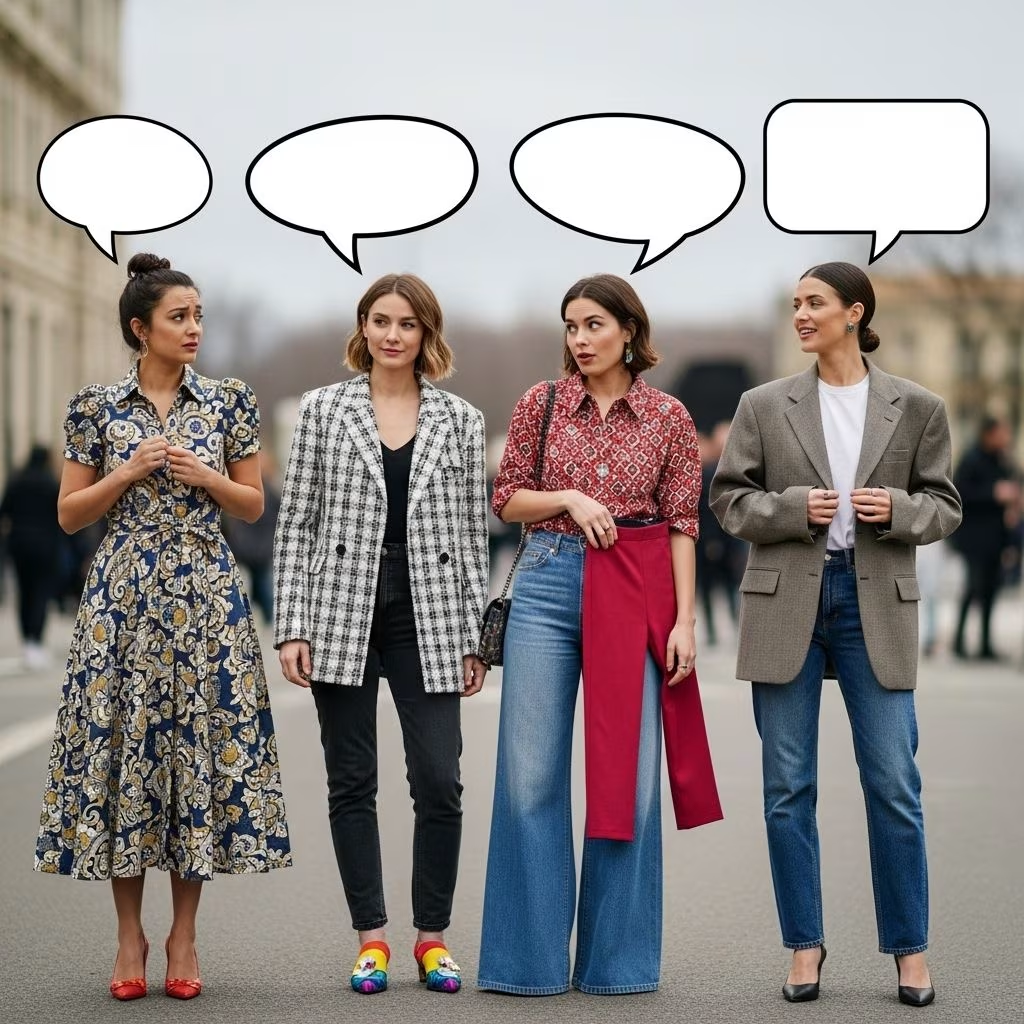
Throughout history, women’s fashion has been a target for unsolicited commentary. From seemingly innocent questions to outright rude observations, the most common remarks aren’t just annoying—they often reveal deeper misconceptions about women, clothing, and social expectations. This article explores the most absurd fashion comments women hear, what they really mean, and why they’re so problematic.
Why Dumb Clothing Comments Persist
Fashion commentary abounds in everyday conversation, on social media, and in pop culture. Commenting on a woman’s outfit is often seen as harmless, but these remarks—whether well-intentioned or snarky—can perpetuate stereotypes and undermine confidence. The persistence of such comments stems from:
- Societal expectations: Many cultures expect women to dress and appear a certain way, breeding endless advice and critique.
- Lack of fashion literacy: Not everyone understands trends or appreciates individual style, prompting confusion and commentary.
- Gendered assumptions: Remarking on clothing is often linked to perceptions about femininity, professionalism, and sexuality.
- Pop culture influence: Media and magazines like Cosmopolitan regularly dissect celebrity fashion, influencing daily discourse.
10 Dumb Clothing Comments Women Hear (And What They Actually Mean)
Below are some of the most common, frustrating comments women encounter about their clothes—along with explanations, possible translations, and ways to respond.
1. “Can You Actually Walk in Those Shoes?”
Translation: I don’t know much about footwear, so I’m going to question your ability to function.
Why It’s Dumb: This comment presumes impracticality and questions a woman’s choices. Many women select shoes for comfort, style, or both, not just for show.
- Response: “I’ve managed so far—thanks for your concern!”
2. “You Look So Dressed Up!”
Translation: You look different from your usual casual attire, and I feel obligated to highlight it.
Why It’s Dumb: The remark often implies there’s a ‘correct’ way to dress daily. It also can make someone self-conscious about expressing their style on special occasions.
- Response: “Every day deserves a little celebration!”
3. “That Shirt Is So Bright—Could See You From Space!”
Translation: Your choice of colors is so bold, it bothers my sense of normalcy.
Why It’s Dumb: Comments about color, whether snide or jokey, often mask discomfort with someone expressing themselves loudly through clothing.
- Response: “Perfect, I want to stand out!”
4. “Are You Really Going to Wear That?”
Translation: I wouldn’t wear that, so maybe you should reconsider.
Why It’s Dumb: This strikes at confidence and can feel passive-aggressive, as if the person thinks they have veto power over someone else’s wardrobe.
- Response: “Absolutely! I love it.”
5. “That Outfit Is…Interesting.”
Translation: I don’t understand your style or don’t like it, so I’ll be vague and slightly insulting.
Why It’s Dumb: ‘Interesting’ is a backhanded compliment, often a polite way to express confusion or judgment.
- Response: “I like dressing interesting—it beats boring.”
6. “Leggings Aren’t Pants.”
Translation: My notion of acceptable pants is limited; I challenge your legitimacy.
Why It’s Dumb: Leggings have become a wardrobe staple, evolving beyond gym wear into mainstream fashion. Policing garment categories is outdated.
- Response: “Maybe not to you, but they’re definitely pants for me.”
7. “Aren’t You Hot/Cold in That?”
Translation: Your clothing choices seem weather-inappropriate to me, so I’m fixated on it.
Why It’s Dumb: This disregards personal comfort and layers, not to mention style preferences that balance practicality and aesthetics.
- Response: “I’m comfortable, thanks for asking!”
8. “What’s the Occasion?”
Translation: I assume only major events warrant dressing up.
Why It’s Dumb: It implies women must justify their choices and that style should be reserved for special events.
- Response: “Today! Why not look great for the fun of it?”
9. “That’s a Bold Choice.”
Translation: Your fashion risks exceed my own comfort zone, and I’m not sure how to react.
Why It’s Dumb: The phrase can be supportive or subtly critical. What’s ‘bold’ for one is everyday for another.
- Response: “Thanks, being bold is more fun!”
10. “Don’t You Want to Cover Up?”
Translation: I have opinions on your modesty and believe I should share them.
Why It’s Dumb: This comment polices women’s bodies and choices, veiled under concern.
- Response: “I dress for myself—and my comfort comes first.”
Hidden Meanings and Stereotypes Behind Clothing Comments
Many of these remarks stem from deep-seated social constructs and assumptions about women, fashion, and self-presentation:
- Policing Femininity: Comments often serve as informal enforcement of gender norms, judging whether their attire is “feminine,” “modest,” or “appropriate.”
- Workplace Pressures: Professional attire standards create ambiguity, leading to commentary on skirt length, makeup, or shoe height.
- Age and Body Type Taboos: Older women or those with non-traditional body types are frequently chastised or ridiculed for clothing choices.
- Pretend Concern: Remarks about temperature, comfort, or occasion often mask a desire to control or criticize.
Why These Comments Are Frustrating
- They undermine autonomy and self-expression.
- They distract from meaningful conversation.
- They reinforce stereotypes and encourage conformity.
- They may trigger insecurity or self-doubt, especially among younger fashion fans.
Major Offenders: Family, Friends, Coworkers, Strangers
Who most often delivers these comments?
| Group | Common Comments |
|---|---|
| Family | “Are you really wearing that to dinner?” “That’s not age-appropriate.” |
| Friends | “That’s a bold choice!” “You look so dressed up today.” |
| Coworkers | “Isn’t that skirt a bit short for work?” “You always look so fancy!” |
| Strangers | “Leggings aren’t pants.” “You must be freezing in that!” |
How to Respond to Annoying Clothing Comments
Over time, many women develop witty or strategic rejoinders for dealing with fashion commentary. Here are some approaches:
- Direct Correction: “Actually, yes—they are pants.”
- Humorous Deflection: “I’m testing new climate technology.”
- Affirmation: “I love this outfit—it’s so me!”
- Gracious Acceptance: “Thanks for noticing! I felt like dressing up today.”
- Subtle Rejection: “I wear what feels right for me.”
When Clothing Comments Cross the Line
Not every fashion remark is harmless. Sometimes, comments stray into the territory of:
- Objectification: Focusing on physical appearance or sexuality, rather than the outfit itself.
- Body Shaming: Making judgments based on body type or weight.
- Racism/Cultural Insensitivity: Mocking garments rooted in cultural heritage or tradition.
- Harassment: Persistent, unwanted remarks that make someone feel uncomfortable or unsafe.
When comments become invasive, it’s important to establish boundaries and seek support.
Fashion Freedom: Celebrating Personal Style
Despite persistent commentary, fashion remains a vehicle for creative self-expression and empowerment. Embracing one’s own style—regardless of others’ opinions—is a powerful act of autonomy. As magazines like Cosmopolitan often demonstrate, trends change, but confidence never goes out of style.
Tips for Building Clothing Confidence
- Dress for yourself: Choose outfits based on your taste, comfort, and personality, not others’ expectations.
- Set boundaries with critics: Respond assertively, or ignore commentary that isn’t constructive.
- Find a supportive circle: Connect with friends who celebrate fashion as fun and personal.
- Stay open to experimentation: Let your style evolve—you might discover new confidence and creativity.
What Fashion Magazines Get Right—and Wrong
- Right: Inspiration, style tips, encouragement to experiment
- Wrong: Judgmental language, reinforcing conformity, shallow beauty standards, trivializing real fashion dilemmas
Learning to distinguish between helpful advice and pointless critique is crucial to enjoying fashion on your own terms.
Frequently Asked Questions (FAQs)
Q: Why do people feel free to comment on women’s clothes so often?
A: Society has normalized commentary on women’s appearance as a casual, everyday topic, often as a proxy for larger attitudes about gender and social roles.
Q: How can you respond without escalating the situation?
A: Use humor, polite deflection, or assertive responses to neutralize unwanted commentary. Sometimes, ignoring is the best approach.
Q: Is there any constructive way to talk about someone’s outfit?
A: Complimenting specific aspects with genuine interest or asking questions respectfully is fine; unsolicited critique or veiled judgment is not.
Q: Are certain environments (work, family events) worse for clothing comments?
A: Professional settings and family gatherings often have stricter unspoken dress codes, leading to more frequent commentary.
Q: Can fashion commentary ever be empowering?
A: Absolutely. Supportive, open conversations about individual style can build confidence and help forge personal identity.
Q: What should you do if clothing comments feel like harassment?
A: Clearly state boundaries, seek organizational or community support, and, if necessary, escalate the issue to appropriate authorities.
Conclusion: Clothes Are Personal—Let’s Keep Them That Way
Unsolicited fashion commentary often says more about the commenter than the outfit. Rather than shrinking from unwanted remarks, embrace your personal style, learn to respond confidently, and remember that fashion’s greatest value is its capacity for self-expression. Clothes should reflect who you are—not just who others want you to be.
References
- https://sophieawesome.wordpress.com/2012/11/26/whats-inside-cosmopolitan-magazine-october-2012/
- https://www.scary-crayon.com/print/cosmo1/
- https://www.cosmopolitan.com/uk/fashion/style/news/a40629/el-chapo-shirts-dumb-fashion-craze/
- https://www.cosmopolitan.com/style-beauty/fashion/news/a44788/dumb-clothing-comments-comic/
- https://www.chaddavid.ca/porn-vs-cosmo/
- https://theoverlookedonlookers.wordpress.com/2013/11/04/cosmo-november-2013-love-sex-advice/