Stabyhoun: An Introduction to the Rare Dutch Sporting Dog
The Stabyhoun (also known as Stabijhoun or Stabij) is esteemed as one of the world’s rarest dog breeds, tracing its lineage to the Friesland province of the Netherlands. Renowned for its remarkable versatility, gentle temperament, and multi-talented work ethic, the Stabyhoun has journeyed from a rural farmstead utility dog to an adored family and sporting companion. This article delves into the breed’s rich origins, distinct physical characteristics, temperament, care requirements, and its standing as a cherished canine for families and active owners alike.
Breed Overview
| Trait | Details |
|---|---|
| Origin | Friesland, Netherlands |
| Size | Medium (19–21 inches at the shoulder, 40–50 pounds) |
| Breed Group | Sporting/Working |
| Life Expectancy | 13–15 years |
| Primary Roles | Family Companion, Hunter, Retrieving, Guarding |
History and Origins
The Stabyhoun hails from the rural landscapes of Friesland in the Netherlands, where it has been favored for centuries as an all-purpose farm dog. Traditionally, these dogs excelled in various working roles: hunting game birds and small mammals, guarding property, and ridding farms of pests like rats and moles. Their adaptability meant that they were not specialized for a single task but were valued for their ability to handle diverse jobs—often retrieving, pointing, and even pulling carts when required.
Despite its strong history of utility, the Stabyhoun has remained relatively unknown outside its native region. Today, while still rare worldwide, increased efforts by breed enthusiasts are helping the Stabyhoun gain recognition and appeal as an exceptional companion and sport dog.
Physical Characteristics
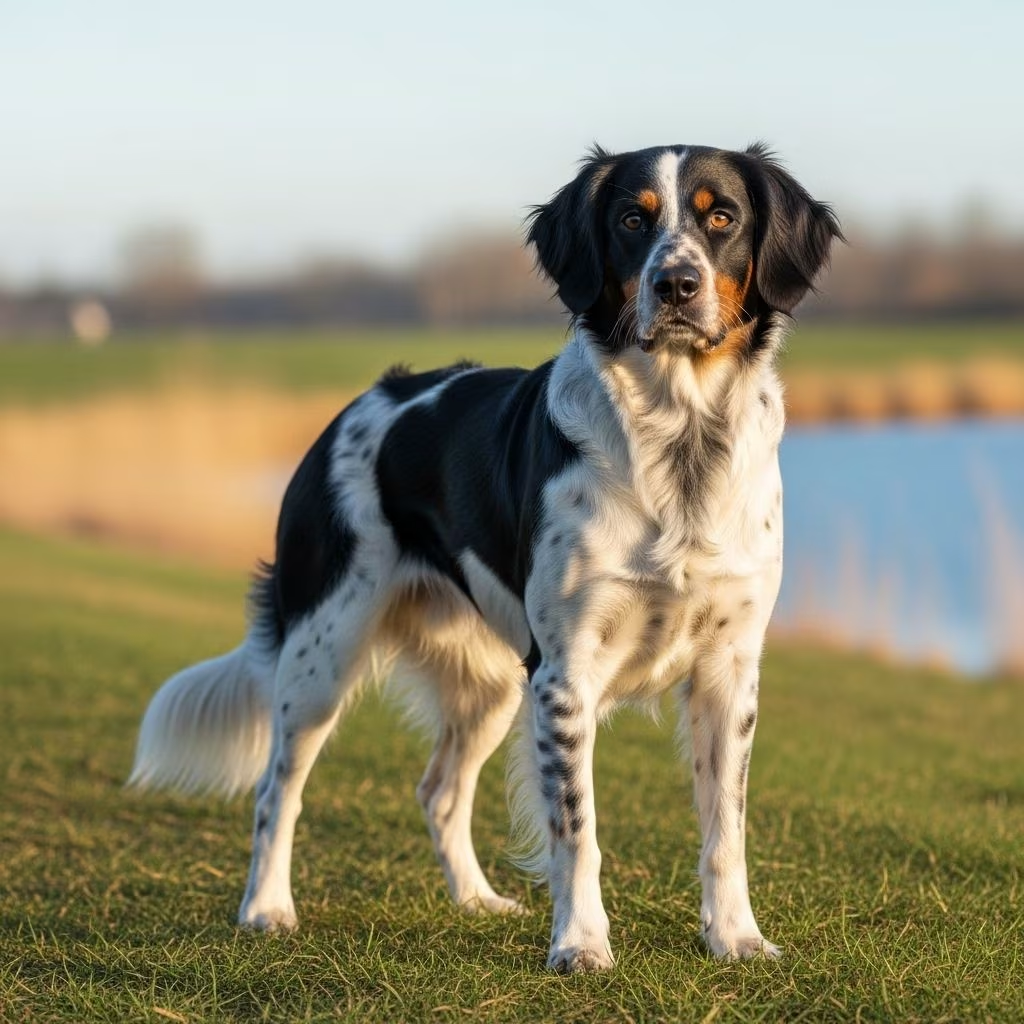
- Medium Build: Stabyhouns are sturdy and athletic, typically standing between 19–21 inches (48–53 cm) at the shoulder and weighing 40–50 pounds (18–23 kg).
- Coat: Their double coat is dense, medium-long, and soft—often slightly wavy or straight. Feathering is noticeable on the ears, legs, and tail.
- Colors: Traditionally black with white markings; brown and orange coats (with white) are also accepted but less common.
- Expression: The breed’s eyes are amber or brown, conveying a gentle, intelligent look. They have floppy ears that frame their face.
- General Appearance: Stabyhouns are well-balanced, neither heavy nor slight, with a moderate bone structure that supports agility and endurance.
Temperament and Personality
The Stabyhoun is celebrated for its gentle, friendly, and intelligent disposition. Its temperament makes it particularly well-suited for families and children, earning praise for its high tolerance and affectionate nature.
- Gentle & Patient: Exceptional tolerance for children and other animals. Not known to be snappy or aggressive.
- Intelligent & Willing: Stabyhouns are quick learners, eager to please, and enjoy a ‘job’—making them highly trainable in obedience, agility, and other canine sports.
- Independent: Originally bred to work with minimal supervision, Stabyhouns often display independent thinking, which can sometimes be interpreted as stubbornness. Consistent guidance and positive training are key.
- Affectionate & Loyal: Known for their devotion to family, many Stabyhouns enjoy cuddling and being close to people.
- Watchful: While not aggressive watchdogs, they are alert to changes in the environment and will reliably alert their guardians to anything amiss.
- Adaptable: Able to switch from energetic outdoor activity to calm indoor companionship, as long as their exercise needs are met.
Exercise and Activity Needs
As a sporting breed, Stabyhouns are active and require regular exercise to remain content and healthy. Without sufficient physical and mental stimulation, a bored Stabyhoun may resort to undesirable behaviors such as digging, chewing, or excessive barking.
- Daily Walks: At least one to two long walks per day complemented by playtime or training.
- Outdoor Adventures: The breed loves swimming and exploring—Frisian roots make water activities especially enjoyable.
- Sports & Games: Excels in agility, tracking, flyball, and retrieving games. Versatile enough for obedience, triathlons, or just spirited play.
- Companionship: Stabyhouns thrive when involved in family activities and prefer not to be left alone for extended periods.
Training and Intelligence
Training a Stabyhoun is typically straightforward thanks to their eagerness to please and high intelligence. However, some individuals may display a streak of independence, requiring patient and steady leadership.
- Positive Methods: Responds best to gentle, reward-based training; harsh correction may undermine trust and motivation.
- Consistency: Routine and clear expectations help mitigate occasional stubbornness.
- Early Socialization: Exposure to various environments, people, and other animals during puppyhood ensures a well-rounded adult.
- Versatility: The breed’s intelligence makes it suitable for advanced obedience, scent work, agility courses, and more.
Health and Care
Generally, Stabyhouns are a robust and healthy breed, with a life expectancy of 13–15 years. Responsible breeding practices have minimized hereditary health problems, but owners should be mindful of typical canine ailments.
- Hip Dysplasia: Like many medium-sized breeds, Stabyhouns may be prone to hip joint issues.
- Epilepsy: Sporadic cases have been reported, so awareness is advised.
- Routine Care: Regular veterinary check-ups, dental hygiene, and parasite prevention should be maintained.
- Grooming: Weekly brushing will keep the Stabyhoun’s soft coat in optimal condition and manage shedding. Check ears regularly to prevent infections.
Living With a Stabyhoun
The Stabyhoun’s versatility means it adapts well to many living situations, from rural farms to suburban homes, as long as it receives adequate exercise and mental engagement.
- Family Life: Thrives as part of an active household; excellent with children and other pets.
- Apartment Living: Possible if ample daily exercise is provided, but the breed does best with access to outdoor space.
- Separation: Sensitive to prolonged isolation; prefers being involved in family activities.
- Job Satisfaction: Enjoys having something meaningful to do, whether a sport, training, or assisting in chores.
Breed Recognition and Availability
The Stabyhoun’s rarity outside the Netherlands is noteworthy. Only a limited number have been exported abroad, and waiting lists are common among breed clubs and reputable breeders. Efforts to promote responsible breeding and maintain genetic diversity are ongoing, especially in the United States, United Kingdom, and Scandinavia.
- American Kennel Club (AKC): The Stabyhoun is in the Foundation Stock Service, progressing toward full breed recognition.
- National Breed Clubs: Support education, responsible breeding, and placement of puppies.
Why Choose a Stabyhoun?
- Rare and Distinctive: One of the rarest breeds, offering uniqueness for knowledgeable owners.
- Versatile Abilities: Equally skilled in work, play, and companionship roles.
- Loving Temperament: Wonderful with children and other animals; highly devoted family member.
- Adaptable Lifestyle: Suits active individuals and families looking for a trainable, athletic, and affectionate dog.
Frequently Asked Questions (FAQs)
Q: Are Stabyhouns good with children?
A: Yes. Stabyhouns are exceptionally patient and tolerant with children, making them ideal family companions.
Q: How much exercise do Stabyhouns need?
A: Stabyhouns need daily vigorous exercise, including walks, play, and mental stimulation to remain happy and prevent boredom-related behaviors.
Q: Do Stabyhouns get along with other pets?
A: Yes, especially with early socialization. Stabyhouns are known for their friendly disposition toward household pets.
Q: Are Stabyhouns easy to train?
A: They are highly intelligent and eager to please but may sometimes be independent—gentle, consistent, and positive training yields the best results.
Q: What health issues do Stabyhouns face?
A: The breed is generally healthy but can be prone to hip dysplasia and, occasionally, epilepsy. Regular veterinary care is recommended.
Stabyhoun in Summary
- Originates from Friesland, Netherlands—one of the world’s rarest breeds.
- Gentle, affectionate, highly adaptable, and intelligent.
- Excels in family life, sports, hunting, and as a loyal companion.
- Requires active lifestyle and loving guidance.
Placement and Adoption Considerations
If considering adding a Stabyhoun to your family, be sure to seek out responsible breeders or breed-specific rescues. Discuss the breed’s needs, temperament, and lifestyle compatibility. Expect waiting lists as breeding and placement are carefully managed to protect the breed’s health and future.
Additional Resources
- Stabyhoun breed clubs—resources for finding puppies, training tips, and breed history.
- Local dog sports organizations—ways to involve your Stabyhoun in agility, tracking, and social activities.
- Veterinary professionals—guidance on routine care and breed-specific health considerations.