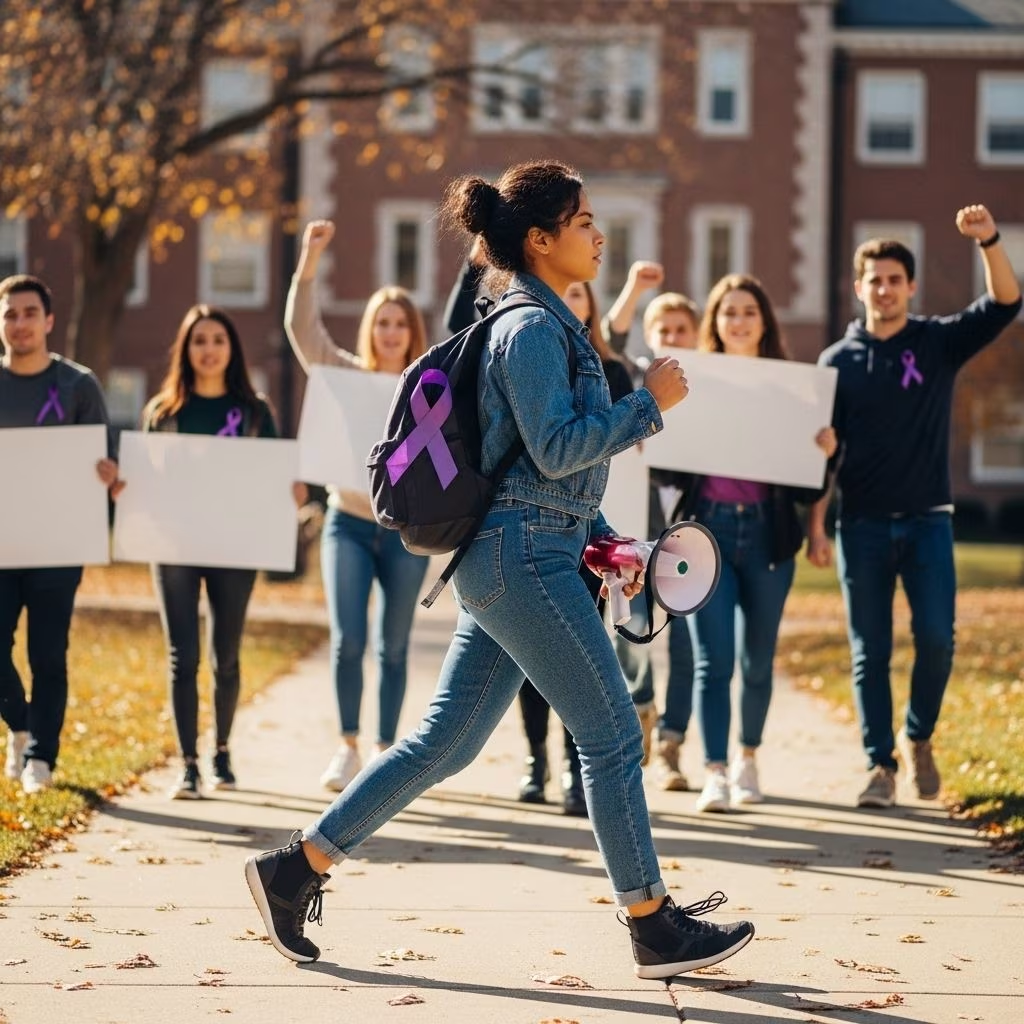
Meet the Student Group Changing the Conversation on Campus Sexual Assault
Every year, millions of young people start college with hopes for opportunity and personal growth. But for far too many, the specter of sexual assault consumes their campus experience. Statistically, one in five college-age women is expected to be raped or experience an attempted rape before graduation—a figure that persists despite decades of advocacy and policy initiatives.
On university campuses across the United States, determined student activists are refusing to accept this reality. Grassroots groups are emerging, fueled by survivor stories, the urge to protect peers, and a fierce demand for institutional accountability. These student-led organizations are redefining campus culture, highlighting the scale of the crisis while pushing for measures to support victims, reform procedures, and change mindsets.
The Scope of the Problem
Campus sexual assault is an epidemic that affects students of all genders and backgrounds. Multiple studies estimate that approximately 20% of women and 6% of men are victims of sexual assault or attempted assault during their college years. Yet, the stigma, fear of retaliation, and skepticism surrounding survivors make reporting rare and justice elusive.
- Prevalence: Surveys consistently show high rates of sexual violence across public and private universities.
- Lack of Reporting: Fewer than 10% of survivors ever report their assault to campus officials or police, leaving the majority without formal support.
- Consequences: Survivors struggle with trauma, academic disruption, social withdrawal, and mental health issues, often feeling abandoned by their institutions.
The Birth of Student-Led Activism: One Group’s Story
It often begins with a single student—or a group—willing to break the silence.
At one prominent university, a group of passionate students established the coalition “Stand Up, Speak Out.” United by outrage and shared experience, they began to organize workshops, public forums, and online campaigns to raise awareness and support survivors.
The group’s formation was sparked when several members recognized a troubling pattern: sexual assault cases were minimized or mishandled by university authorities. Survivors were discouraged from reporting or pressured to keep quiet. In response, the student group vowed to push for transparency, survivor-centered policies, and a visible campus movement.
Organizational Vision and Core Values
- Empower Survivors: Create safe channels for students to share their stories and seek help without fear or stigma.
- Demand Accountability: Insist that campus administrators enforce robust protection and discipline policies for sexual assault cases.
- Shift Campus Culture: Address the normalization of sexual violence by challenging jokes, hazing rituals, and party cultures that enable predatory behavior.
What Student Activists Are Fighting For
Student groups have identified clear priorities and demands, catalyzing a host of changes—both practical and cultural—on campuses nationwide.
1. Transparent and Fair Disciplinary Processes
A key frustration for many survivors is the complex, often opaque nature of university adjudication processes. Campus panels may lack expertise or impartiality, leading to outcomes perceived as unjust or dismissive.
- Groups advocate for involvement of external experts and survivor advocates in campus hearings.
- Students push universities to publish clear guidelines and outcomes for reported cases.
- Activists call for mandatory training on trauma-informed practices for faculty and staff on hearing panels.
2. Comprehensive Prevention and Education Programs
Changing culture requires more than policy tweaks. Spirited advocates organize educational workshops, bystander intervention trainings, and regular forums on consent. By making prevention a visible campus priority, they aim to debunk myths and empower students to step up for peers.
- Establish mandatory consent and sexual assault prevention training for all new students and student leaders.
- Host self-defense classes, peer-led workshops, and awareness weeks to sustain conversation and vigilance.
- Confront “rape culture” by challenging sexist traditions, party norms, and dismissive attitudes within residential and Greek life settings.
3. Survivor Support Services
Surviving sexual assault often brings a storm of isolation, guilt, and confusion. Student groups strive to connect peers with counseling, legal, and medical services. They also create informal peer support networks—safe spaces where survivors can process their experiences and rebuild trust.
- Advocate for 24/7 access to professional counselors trained in sexual trauma.
- Develop peer-support helplines and campus survivor networks for confidential assistance.
- Ensure emergency accommodations for survivors—such as housing relocations and academic flexibility—without bureaucratic obstacles.
Spotlight: Activism in the Age of Social Media
Digital platforms have unleashed a new wave of activism. Students leverage hashtags, viral campaigns, and coordinated social media actions to amplify awareness, gather testimony, and force universities into the spotlight.
- #NotAlone and #IStandWithSurvivors: Campaigns that encourage survivors to share their stories and challenge the skepticism faced when reporting assault.
- Online petitions and open letters that quickly attract thousands of signatures and national media attention.
- Livestreamed forums, video testimonies, and real-time protest coverage, breaking the isolation once felt by individuals and making activism accessible across campuses.
Facing Pushback and Institutional Challenges
Despite their passion and persistence, student activists face entrenched obstacles:
- Administrative Resistance: Colleges often worry about reputation and alumni pressure. This can lead to downplaying reports, minimizing sanctions, or stalling reforms.
- Lack of Transparency: Universities may cite privacy laws when declining to release information about disciplinary outcomes, fueling mistrust among students.
- Cultural Barriers: Myths about “false accusations,” concern for Greek life, and lingering stigma toward survivors remain deeply embedded in campus culture.
Yet activists persist. Through sit-ins, policy proposals, campus newspaper op-eds, and partnerships with local organizations, students wield growing influence on shaping university policies and priorities.
From Awareness to Action: Victory Stories and Lessons Learned
Concrete change is possible when students unite for a common cause. Across the country, student groups have:
- Secured commitments for independent Title IX reviews by external experts.
- Pushed for mandatory reporting and survivor-centric investigation protocols.
- Helped launch ongoing annual climate surveys to monitor the prevalence of assault and attitudes toward reporting on campus.
An especially powerful example comes from the collaboration between students and faculty at a major public university, where joint task forces reworked sexual misconduct policies, improved accessibility to survivor resources, and formalized survivor advocacy positions within the administration. These victories demonstrate how sustained activism, dialogue, and refusal to accept indifference can yield broad-reaching results.
Understanding Greek Life: Risk, Culture, and Reform
For many campuses, Greek life—fraternities and sororities—occupies a unique position in both social hierarchy and sexual assault prevention debates. While Greek organizations spark lasting friendships and connections, they are also frequently named in high-profile assault allegations and lawsuits.
| Area | Fraternity Risk Factors | Prevention Steps by Student Groups |
|---|---|---|
| Party Culture | Heavy alcohol use, exclusive guest lists, social pressure | Promote sober monitors and consent education at parties |
| Leadership Structure | Insular groups; loyalty may discourage intervention | Encourage inter-Greek coalitions and shared accountability |
| Reporting Practices | Underreporting due to social repercussions | Develop anonymous reporting tools and campus-wide forums |
Student activists campaign for stricter university oversight of fraternities, call for external investigations following multiple accusations, and demand transparency in Greek disciplinary proceedings.
FAQs About Student Activism and Campus Sexual Assault
Q: Why is grassroots activism critical in fighting campus sexual assault?
A: Grassroots activism gives voice to survivor needs often overlooked by bureaucratic administrations. Students understand campus culture intimately and can mobilize quickly to demand accountability and change.
Q: What are the most effective strategies student groups use to raise awareness?
A: Events like Take Back the Night marches, awareness weeks, viral social media campaigns, survivor storytelling sessions, and educational workshops have lasting impact by challenging stigma and engaging broad audiences.
Q: How can students stand with survivors and advocate for change?
A: Students can get involved by joining or forming advocacy groups, participating in prevention trainings, amplifying survivor voices, and holding administration accountable through policy recommendations and peaceful protest.
Q: How can bystanders help prevent sexual violence?
A: Bystanders should speak up against harmful jokes, intervene if they witness risky situations, support their peers in seeking help, and participate in campus prevention programs.
Q: What support is available to survivors on most campuses?
A: Many universities now offer access to confidential advocates, counseling services, crisis hotlines, academic accommodations, and assistance with safety planning. Peer-led support groups can also be vital resources.
From Outrage to Organizing: The Path Forward
The fight against campus sexual assault remains deeply challenging but fiercely hopeful. Student activists have shown that change is not only possible, but necessary—and that every student deserves to feel safe, heard, and valued. By supporting survivor advocacy, demanding improved policies, and challenging cultural norms that enable violence, this generation of college students is forging a legacy of courage and compassion for those who come after.
References
- https://abcnews.go.com/2020/deepdive/how-retracted-rolling-stone-article-rape-on-campus-came-print-42701166
- https://www.sesp.northwestern.edu/files/pdfs/ispa_landa_thomas_web_version.pdf
- https://www.cosmopolitan.com/style-beauty/fashion/news/a10727/student-group-fighting-rape/
- https://www.cosmopolitan.com/college/a29841/university-of-southern-california-anti-rape-movement/
- https://www.themarshallproject.org/records/2276-an-unbelievable-story-of-rape